Tiny but Mighty: Finding the Right Harness for My French Bulldog and Chihuahua
Short answer: small dogs are easier to injure than big ones, so a nine-kilo French Bulldog and a three-kilo Chihuahua need an XS harness, not a collar that made Biscuit cough in a week. You'll want breathable fabric for Bruce's flat face, because over-heating is the real risk and a strap that cooks skin is worse than a pull. Pippa is tiny but strong-willed, so match the size where her chest girth sits mid-range and leave two fingers of slack.
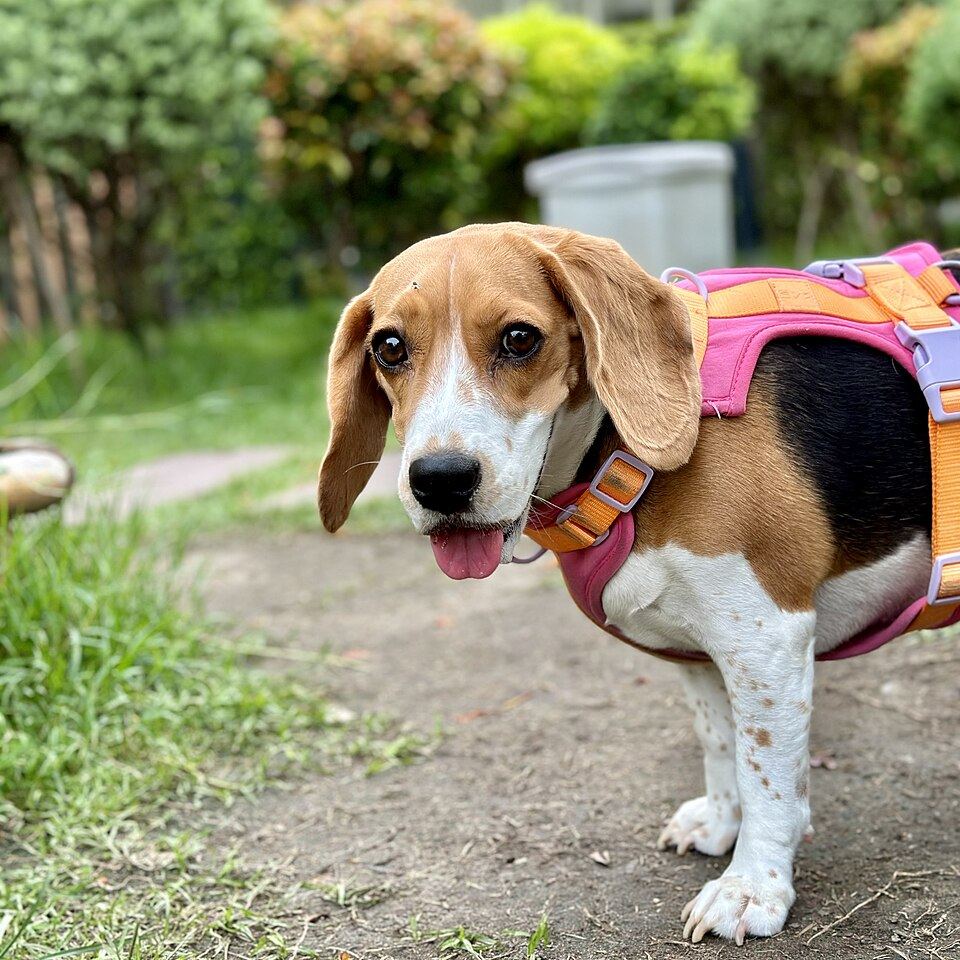
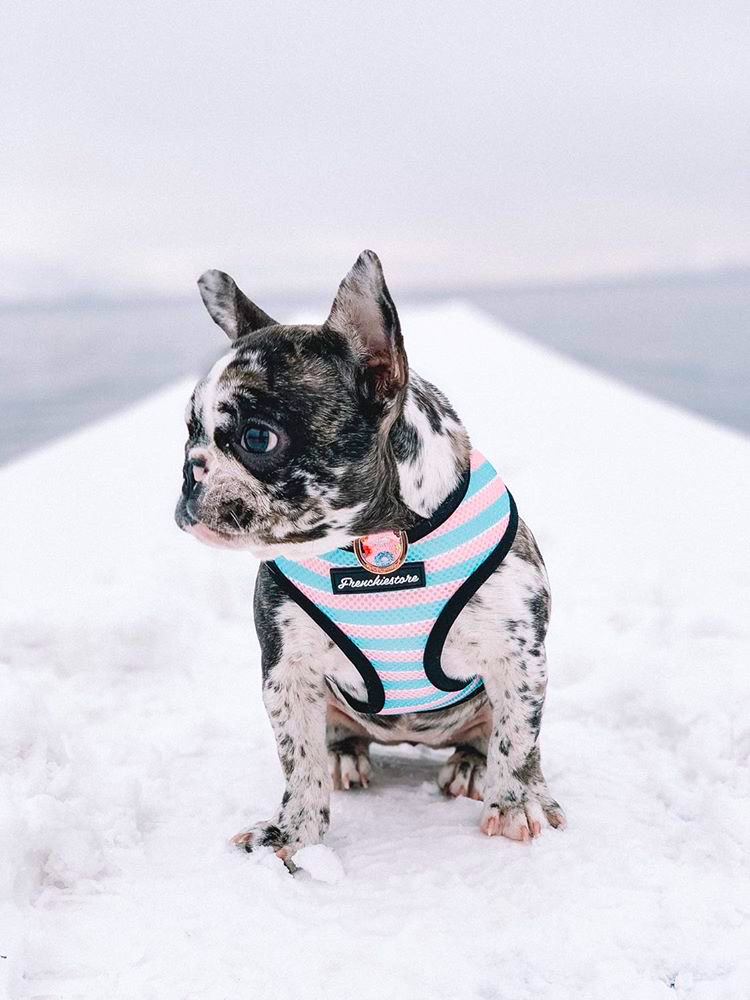
When people picture a dog pulling on a lead, they usually imagine a big, muscular animal. Nobody expects the trouble to come from a nine-kilo French Bulldog named Bruce or a three-kilo Chihuahua named Pippa. But after two years of fitting both of them in the shop, I can tell you that small dogs are every bit as strong-willed as the big ones, and they are far easier to injure if you get the gear wrong. Finding the right small dog harness in an XS for these two turned into a proper journey, and I want to share what I actually learned rather than what the product pages promise.
I started out using a cheap collar on Biscuit. Within a week he was coughing every time we passed a smell worth investigating. Our vet was blunt: flat-faced breeds should never be walked on a collar if you can avoid it, because the pressure goes straight onto their squished airways. That same week, I went looking for a small dog harness that Australian stockists actually sold locally, so I would not be waiting three weeks on a slow international shipment.

Why flat-faced dogs are a different problem
The thing about a harness for a flat-faced dog is that it has to do two jobs at once. It needs to spread pressure across the chest so the dog can breathe, and it needs to stay put on a body shape that is basically a barrel with short legs. Biscuit slipped out of his first two harnesses because they were shaped for a slender dog, not a bulldog. The straps sat too high near his throat and he panicked, then wriggled backwards out of it in the middle of the park. Embarrassing and a little scary.
For Pippa the Chihuahua, the issue was the opposite. Most gear is simply too big and too heavy for her. A chihuahua harness that Australian buyers can find needs to be genuinely tiny, with thin but strong webbing, or she looks like she is wearing a backpack. I measured her girth with a soft tape, held my breath, and ordered the smallest size the brand made. It still needed tightening to the last hole.
The no-pull question for a Frenchie
People ask me whether a no-pull harness for a French bulldog actually works, or if it is just marketing. In my experience, the front-clip style genuinely changed our walks. Biscuit used to laser-focus on every other dog and yank forward; with a front ring, the harness gently turns him sideways when he pulls, which takes the fun out of the sprint. It is not magic, but it removed the choking and the shoulder strain for me.
I even kept a little diary reviewing a no-pull harness on Biscuit, because I was skeptical. Week one: still pulling, but no cough. Week three: noticeably shorter bursts of pulling. Week six: he walks loosely beside me on most streets. That is a win I will take.
Breathability matters more than you think
Then there is my neighbour's pug, who comes on weekend walks with us. Pugs overheat fast, and a padded harness that traps heat is a problem. A breathable pug harness with mesh panels made a visible difference: less panting, shorter rest stops, happier dog. I copied the idea for Biscuit and never looked back. In the Australian summer, breathability is not a luxury, it is the difference between a 20-minute walk and a vet visit.
If you are hunting for the best harness for toy breeds that Australia has available, I would shortlist three things: true XS sizing, a front clip for no-pull, and breathable fabric. Toy breeds are fragile in the trachea, so the fit has to be snug without rubbing. I check the armpit area every few days, because that is where cheap straps chafe first.
Sizing a puppy without the guesswork
Before Pippa, we actually fostered a puppy, and that is where a proper puppy harness sizing guide would have saved me money. Puppies grow in weird bursts. Buy a harness with multiple adjustment points and a bit of room, but not so much that it slips. A puppy harness and lead set is the easiest starting point, because the lead length and clip are matched to the harness, and you are not mixing brands that do not quite fit together.
My rule now is simple. Measure the chest girth, add one finger of slack, and pick the size where that measurement sits in the middle of the range, not at the edge. If it is at the edge, size up and tighten. A loose harness is a lost dog, and a tight one is a sore dog.
What I tell friends now
So if a mate asks me about gear for a small or flat-faced dog, I keep it practical. Get it local so you are not waiting. Size for the chest, not the weight. Choose breathable fabric for summer. Use a front clip if pulling is the issue. And do not cheap out on the buckle, because a small dog that learns it can escape will absolutely try again.
Both Biscuit and Pippa are calmer, healthier walkers than they were a year ago, and a lot of that came down to simply getting the harness right. Tiny dogs, as it turns out, have mighty opinions, and the least we can do is listen to their bodies.
Walks with Biscuit and Pippa, somewhere sunny in Australia.
- Get it local so you are not left waiting on post.
- Size for the chest, never just the weight.
- Choose breathable fabric for the summer heat.
- Use a front clip if pulling is the issue.
- Do not cheap out on the buckle, it must hold.
Frequently Asked Questions
What should I look for in a French bulldog harness?
Flat-faced breeds need a harness that spreads pressure across the chest and stays put on a barrel-shaped body. A front-clip, no-pull style also takes the choking out of walks without straining their squished airways.
How do I fit a harness on a tiny Chihuahua?
Measure the chest girth with a soft tape and look for genuinely tiny webbing that is thin but strong. Most gear is too big and heavy for a three-kilo dog, so size down and tighten to the last hole if you need to.
Are breathable harnesses worth it in Australia?
For short-nosed and toy breeds, yes. Mesh panels keep a dog cooler on warm walks and cut the panting and rest stops, which matters when our summers can turn a padded harness into a heat trap.
How do I size a puppy harness?
Measure the chest girth, add one finger of slack, and pick the size where that number sits in the middle of the range. Puppies grow in bursts, so choose multiple adjustment points and a little room rather than a perfect-edge fit.
Should I buy a puppy harness and lead set?
It is the easiest starting point because the lead length and clip are matched to the harness. You avoid mixing brands that do not quite fit together, which is one less thing to worry about with a new pup.
Size & Fit Reference
| Size | Chest girth | Neck | Weight | Best for |
|---|---|---|---|---|
| XS | 30–40 cm | 23–31 cm | 1.5–2.5 kg | Toy breeds, puppies, small cats |
| S | 40–50 cm | 30–38 cm | 2.5–4 kg | Chihuahua, small cat |
| M | 50–60 cm | 36–44 cm | 4–6 kg | Cavoodle, large cat |
| L | 60–70 cm | 42–50 cm | 6–9 kg | Kelpie cross, small Terrier |
| XL | 70–85 cm | 50–60 cm | 9–14 kg | Medium working breeds |
Looking for dog harnesses?
We stock the gear covered in this guide, with Australia-wide shipping and Afterpay at checkout.
Popular in this range: breathable step-in harness
Shop Harnesses at Paws of Oz