Yes, You Can Walk a Cat — My Escape-Proof Harness Journey With a Houdini (Fit and Escape-Proofing Notes)
Short answer: yes, you can walk a cat, but only in escape-proof gear, because Milo slipped a normal collar in three seconds and was out of a supermarket harness before the front gate. You should fit a wide chest piece with a clip that locks both shoulders and leave two fingers of slack, since a Houdini needs no gap to back out. Let him wear it indoors with no lead for days, then step outside to the quietest corner.
When I first typed "cat harness Australia" into a search bar at two in the morning, I'll be honest, I felt a bit ridiculous. People walk dogs. Cats, in my mind, were the furniture-with-attitude creatures who watched birds from the window and quietly judged you. Then I adopted Milo, and everything I thought I knew about cats went out the window.
Milo is a big, fluffy, opinionated rescue who came with one special skill: he could slip out of absolutely anything. A normal collar? Gone in three seconds. A soft fabric harness I bought from the local supermarket? He was out of it before we even reached the front gate. My friends started calling him Houdini, and the name stuck harder than he ever did to a lead.
Why I started hunting for the right gear
That escape streak is what sent me down the rabbit hole of finding a proper cat harness Australia pet owners could actually trust. I didn't just want something cute with a bowtie. I wanted something that would keep a ten-kilo escape artist safely attached to me on our walks around the block, even when a passing magpie decided to swoop.
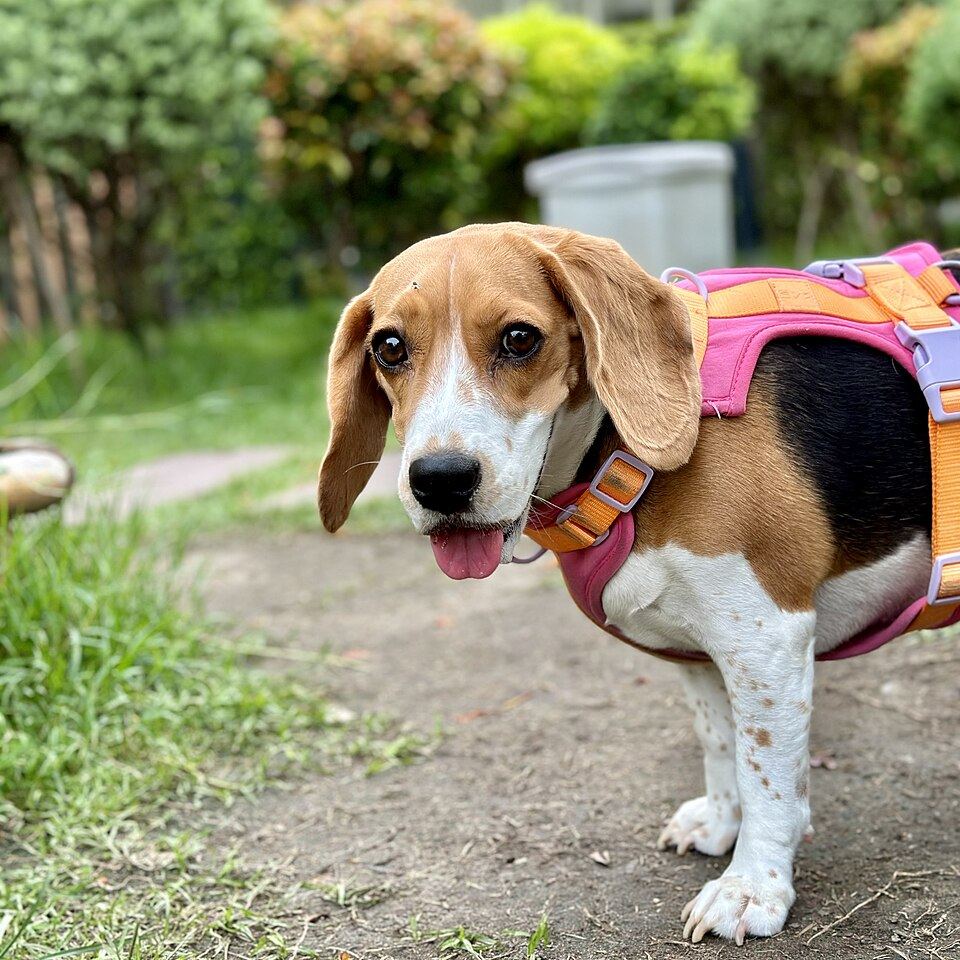
After reading far too many forum threads at ungodly hours, I finally ordered a cat harness and lead set that people kept recommending for stubborn cats. The lead clipped to a sturdy D-ring on the back, and the whole thing was adjustable in about four places. The first time I put it on Milo, he flopped on the laundry room floor like I'd personally betrayed him. Classic.
The thing that actually changed the game
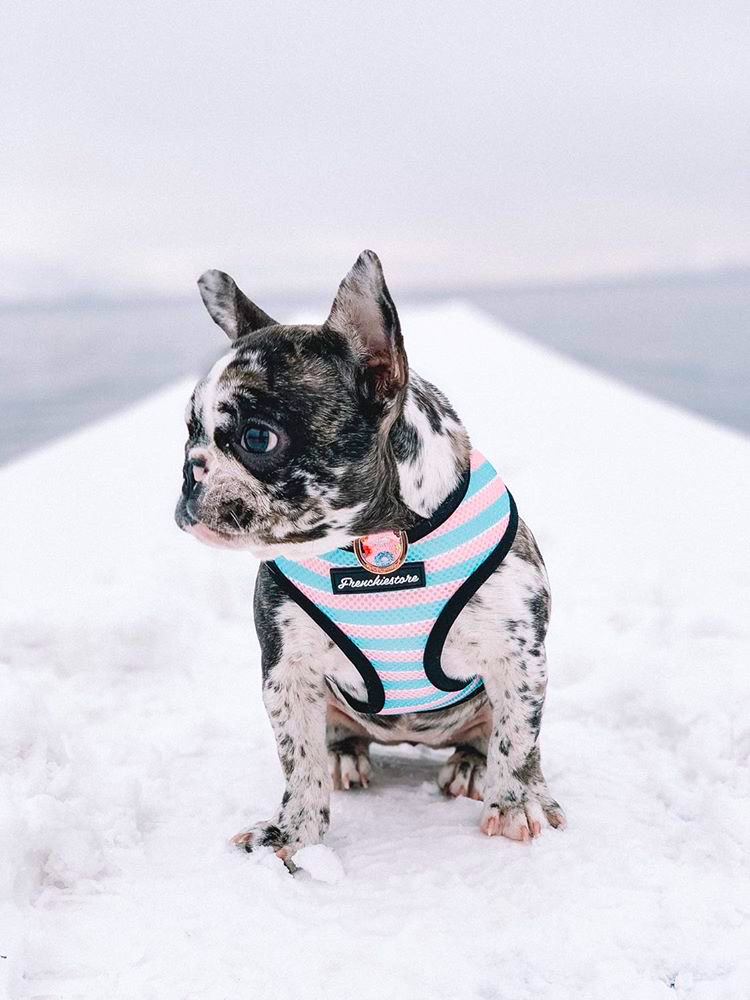
What finally worked for us was switching to an escape proof cat harness. The design wraps around the chest and shoulders instead of just the neck, so when Milo inevitably tried to back out of it, there was literally nowhere to go. He huffed, he puffed, he threw himself sideways on the tiles, and the harness stayed put. I nearly cried with relief, and then I gave him a treat the size of his head.
Sizing was its own little adventure. Milo is what you'd call a cat harness for large cats situation, broad chest, all muscle, with the attitude of a bouncer. My sister's kitten, by contrast, is tiny and still filling out. If you're starting young, a kitten harness and lead is the gentler way to introduce the idea, because the straps are narrower and the whole fit is less overwhelming for a small body. For Milo, I needed the grown-up, heavy-duty version.
Learning to read the size chart
I had to learn to use the cat harness size chart properly instead of just guessing by eye. You measure the neck and the widest part of the chest, then match those numbers to the brand's chart. The mistake I made first time was sizing up, thinking he'd grow into it. A loose harness is exactly the kind of slack a Houdini needs. Snug but not tight, two fingers' worth of give, that's the rule I live by now.
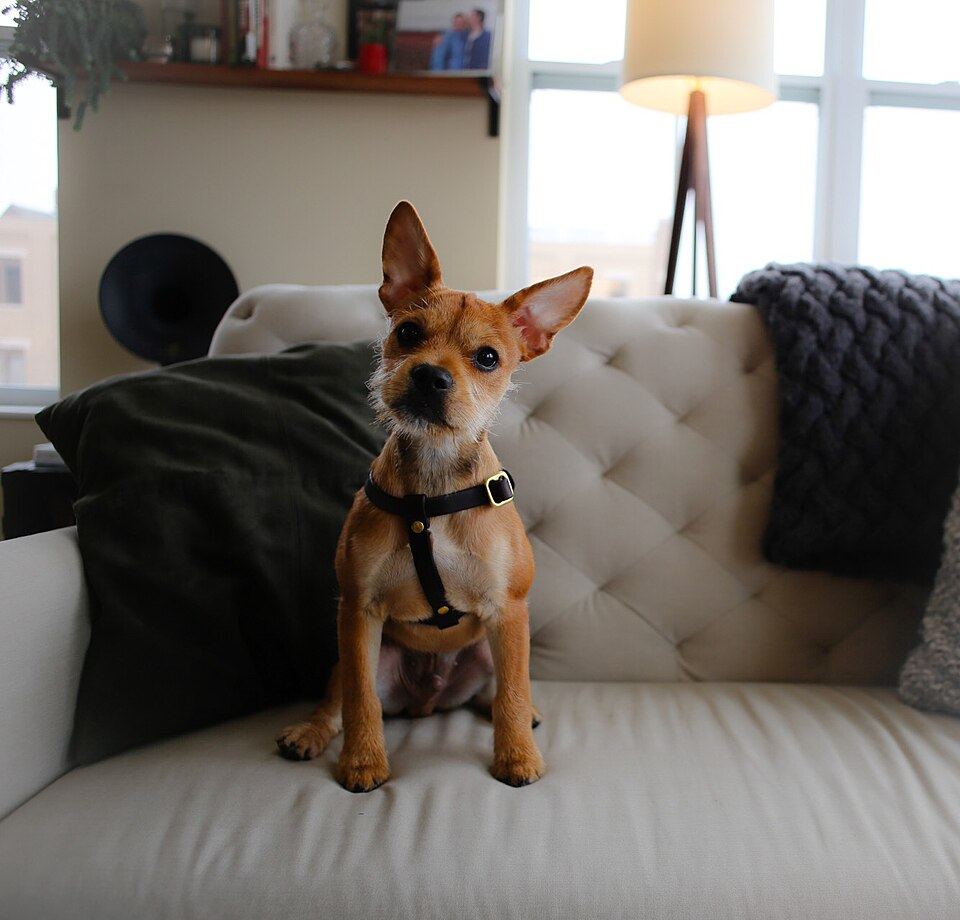
The big question, of course, was how to train a cat to walk on a leash without turning it into a full-contact wrestling match. The answer, for us, was patience and bribes. I followed a simple set of cat leash training steps: let him wear the harness indoors with no lead for a few days, then add the lead but don't pull, then finally step outside to the quietest, most boring corner of the yard.
Those cat leash training steps sound obvious written out, but in practice they took about three weeks of on-again, off-again effort. Some days Milo strutted like a tiny king. Other days he planted his bum on the pavement and refused to budge, so we went home. There's no shame in a walk that lasts ninety seconds.
Between the laundry-room flops and the confident evening loops, there was a messy middle week where I almost gave up. Milo figured out that if he threw his weight backward and went limp, I'd eventually unhook him just to make the yowling stop. The fix wasn't a new product, it was timing. I started ending every session on a win, even if the win was just him wearing the harness for thirty seconds without flopping, then a treat and sweet freedom. He learned the harness wasn't a trap, it was the ticket to the interesting smells outside.
- Measure the neck and the widest part of the chest.
- Match those numbers to the brand's size chart.
- Snug but not tight, with two fingers' worth of give.
- Let him wear the harness indoors with no lead first.
- Step outside to the quietest corner of the yard.
Safety after dark
Because we often head out after work when the light is fading, I made sure to get a reflective cat harness Australia shoppers can find fairly easily. The reflective strips catch headlights and make Milo visible from down the street, which matters more than you'd think when an off-lead dog comes bounding over. The weather here can be unpredictable, but the fading light is the one constant, so the trim has paid for itself many times over.
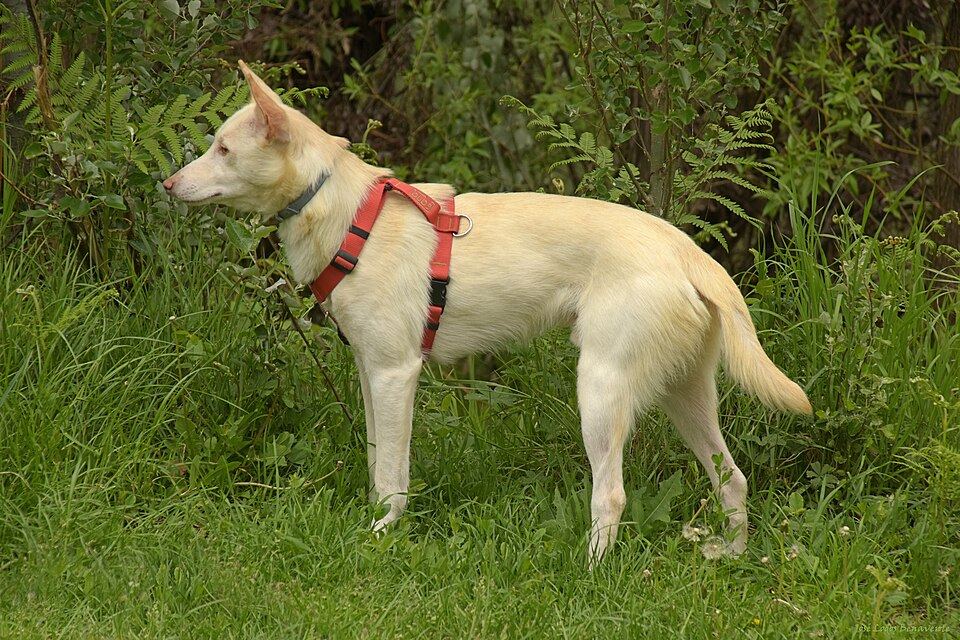
If you're researching the best cat harness Australia 2026 has to offer, my honest advice is to skip the cheapest option and read the reviews from other cat owners, not just dog people. Cats move differently. They twist, they freeze, they bolt sideways, and the gear has to handle all of it without chafing.
These days Milo and I do a loop of the neighbourhood most evenings. He sniffs fences, judges the neighbour's chihuahua through the gate, and occasionally sits on a warm car bonnet like he owns the street. The escape-proof design means I'm not white-knuckling the lead the whole time, and the reflective trim means we're both a little safer.
So yes, you really can walk a cat. It takes the right gear, a good size chart, and a ridiculous number of treats, but the quiet little adventures we have now are worth every stubborn minute. If a Houdini like Milo can learn, yours probably can too.
— From me and Milo, somewhere on our evening loop.
Frequently Asked Questions
Can you really walk a cat?
Yes. With the right escape-proof harness, a good size chart, and a lot of patience and treats, even a stubborn cat can learn to enjoy leashed outings.
What kind of harness stops a cat escaping?
An escape-proof design that wraps the chest and shoulders, not just the neck, with a secure clip locking both shoulders so there's nowhere to back out.
How do I size a cat harness?
Measure the neck and the widest part of the chest, then match those numbers to the brand's chart. Don't size up, a loose harness is exactly the slack a Houdini needs.
How do I train a cat to walk on a lead?
Let them wear the harness indoors with no lead for a few days, then add the lead but don't pull, then step outside to the quietest corner. Keep sessions short and end on a win.
Do I need a reflective cat harness?
For dusk or after-dark walks, yes. Reflective strips make your cat visible to headlights and passing dogs, which matters more than you'd think.
Size & Fit Reference
| Size | Chest girth | Neck | Weight | Best for |
|---|---|---|---|---|
| XS | 30–40 cm | 23–31 cm | 1.5–2.5 kg | Toy breeds, puppies, small cats |
| S | 40–50 cm | 30–38 cm | 2.5–4 kg | Chihuahua, small cat |
| M | 50–60 cm | 36–44 cm | 4–6 kg | Cavoodle, large cat |
| L | 60–70 cm | 42–50 cm | 6–9 kg | Kelpie cross, small Terrier |
| XL | 70–85 cm | 50–60 cm | 9–14 kg | Medium working breeds |
Looking for dog harnesses?
We stock the gear covered in this guide, with Australia-wide shipping and Afterpay at checkout.
Popular in this range: breathable step-in harness
Shop Harnesses at Paws of Oz