Harness pressure points: a vet nurse's pre-walk checks
Short answer: before every walk I run a quick pressure-point check on the armpits, sternum, shoulders and the area around the throat, because a harness that sits wrong there can cause rubbing and soreness well before a dog starts limping. These are the spots where straps concentrate force, and a thirty-second feel with your hand catches heat, redness or a twisted strap early. I am a veterinary nurse, not a veterinarian, so this is supportive care and observation, not a diagnosis. Anything persistent should go to your vet. A small daily habit prevents a sore that needs a consult.
The spots I always check
Pressure points are where a strap crosses soft tissue or a moving joint. On a dog those are predictable, and knowing them turns a vague "does it fit?" into a clear routine you can repeat each time.
- Armpits: where the front leg meets the body, the most common rub site on a walk.
- Sternum: the breastbone, where a low chest strap can press during a pull.
- Shoulders: the top strap should sit clear so the leg swings freely.
- Throat ring: even on a harness, a high front piece can touch the windpipe.
Running the same checks in the same order means you notice change. The dog gets used to it, and you stop second-guessing whether a mark was there yesterday.
Why armpits rub first
The armpit folds with every step, so a strap that sits even slightly proud of the body gets pinched and dragged. I see more armpit irritation than anywhere else, especially on short-coated dogs where there is little fur to cushion the webbing.
If the strap is twisted or the harness has slipped back, that pinch turns into a hot spot within a few walks. Running a finger into the armpit before you leave catches it while it is still just warmth. By the time the dog limps, the skin has usually been sore for days.
How I do the thirty-second check
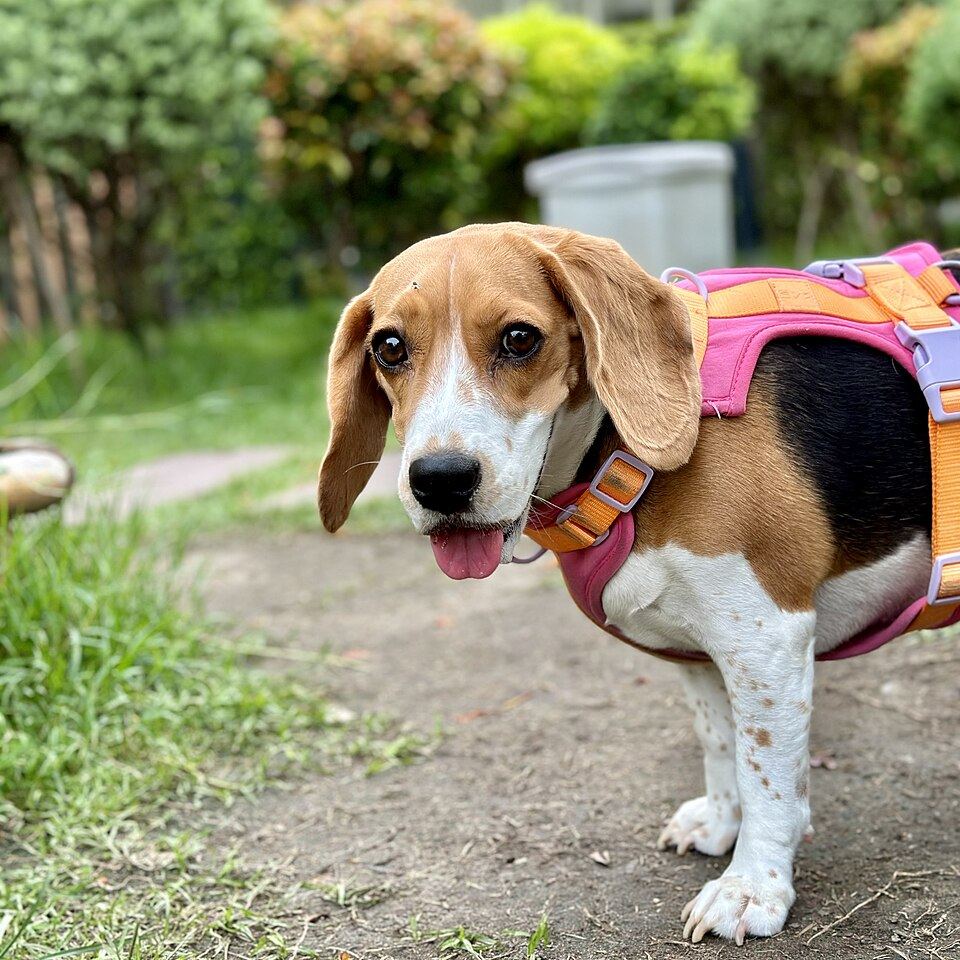
With the dog standing, I slide a flat hand under each strap and feel for heat, a raised line, or a twist in the webbing. Then I watch the shoulders as the dog takes a few steps to confirm the top strap is not riding up.
I also check the sternum area by laying two fingers flat under the chest strap. If I cannot fit two fingers, it is too tight. If I can fit my whole hand, it is too loose and will rotate. That simple gap test replaces guesswork with a number I can repeat every morning.
What normal should feel like
A correctly fitted harness should feel cool and smooth under the straps, with no raised line and no flinch when you touch. The webbing should sit flat, not rolled or twisted, and the dog should ignore it once moving. Anything warmer than the surrounding coat is a flag.
I tell owners to learn their dog's "normal" on a good day, because you cannot spot a change if you never felt the baseline. Spend thirty seconds on a calm walk and you have a reference for every walk after. The skin tells you more than the sizing chart does. I run the check even on dogs I have fitted for months, because weight change and a coat clip alter the gap without anyone noticing. A dog that gains a kilo can go from perfect to pinching in a fortnight, and only the hand on the strap catches it.

Twists and slips to catch early
A harness that slips back along the body shifts every pressure point into the wrong place. The chest piece lifts, the armpit takes the rub, and the shoulder strap chafes. Most slips come from a loose girth that was never re-tightened after the first week of wear.
Webbing also twists through buckles if the dog shakes vigorously. I check the flat of each strap, not just the buckle, because a half-turn concentrates force on one edge. Untwisting takes two seconds and prevents a groove that would otherwise appear by the weekend.
When to pause and when to see the vet
If a check finds heat or a red line, I pause walks or swap to a different well-fitted harness and let the skin recover. Coat wear with no broken skin usually grows back once the fit is fixed. But a weeping sore, guarding of the spot, or a mark that spreads needs a veterinarian, not home care.
This is the line I hold as a nurse: observation and prevention are mine, diagnosis and treatment are the vet's. If you are unsure whether a mark is serious, book the consult. A thirty-second check is there to keep that consult rare, not to replace it.
| Pressure point | What is normal | When to pause |
|---|---|---|
| Armpit | Cool, no raised line | Heat or a red pinch line |
| Sternum | Two fingers clear | Dog flinches at touch |
| Shoulder | Strap sits clear | Top strap rides up |
| Throat ring | No contact felt | Front piece touches windpipe |
Frequently Asked Questions
How often should I check harness pressure points?
A quick feel before every walk takes thirty seconds and catches heat or a twisted strap early. For dogs that walk daily, this habit prevents most rubbing sores before they start. If your dog pulls hard or wears the gear for long periods, check twice: before you leave and again when you get home, because a mark can develop mid-walk.
What does a normal harness fit feel like?
Cool and smooth under the straps, with no raised line and no flinch when you touch. The webbing lies flat, not rolled, and the dog ignores it once moving. You should fit two fingers under each strap. Learn this baseline on a good day so you can spot change later, since the skin tells you more than the size chart.
Why does the armpit rub before anywhere else?
The armpit folds with every step, so a strap that sits proud of the body gets pinched and dragged. Short-coated dogs are worst hit because there is little fur to cushion the webbing. A strap twisted or a harness slipped back turns that pinch into a hot spot within a few walks. Feel the armpit before you leave the house.
My dog's harness twists, is that a problem?
Yes. A half-twist concentrates force on one edge of the webbing and creates a groove in the skin within days. It usually comes from a loose girth or a vigorous shake through the buckle. Untwist the strap flat and re-tighten, then watch the dog move. If it keeps twisting, the size or cut is wrong, not just the adjustment.
When should a harness rub go to the vet?
Book a consult for a weeping sore, a mark that spreads, or a dog that guards the spot or limps. Coat wear with no broken skin can often be fixed at home by correcting the fit and resting the skin. As a vet nurse I observe and prevent, but diagnosis and treatment are the veterinarian's job, and unsure always means book the appointment.
Looking for dog harnesses?
We stock the gear covered in this guide, with Australia-wide shipping and Afterpay at checkout.
Popular in this range: breathable step-in harness
Shop Harnesses at Paws of Oz