The harness that ended our Beagle's reverse-escape routine
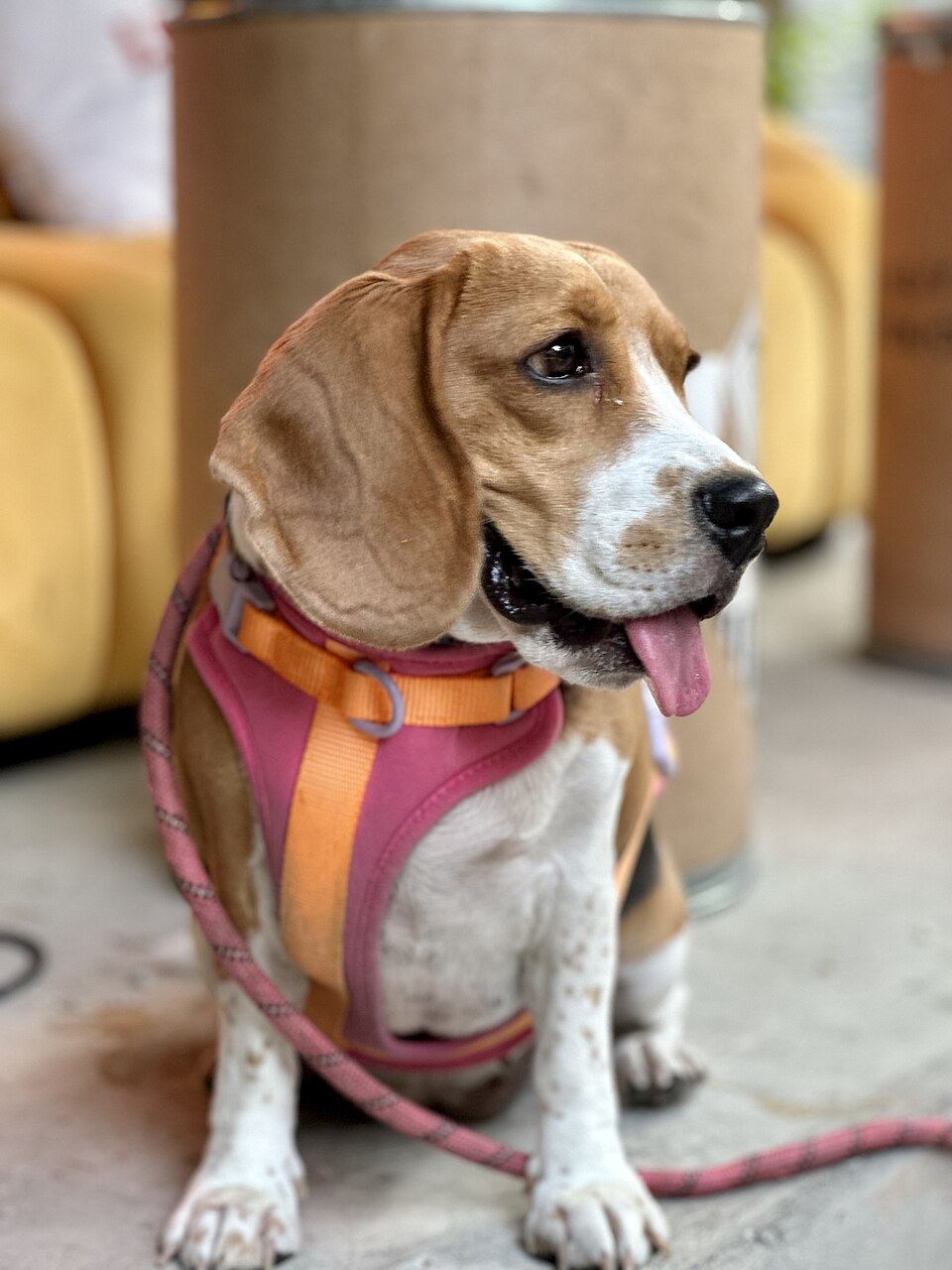
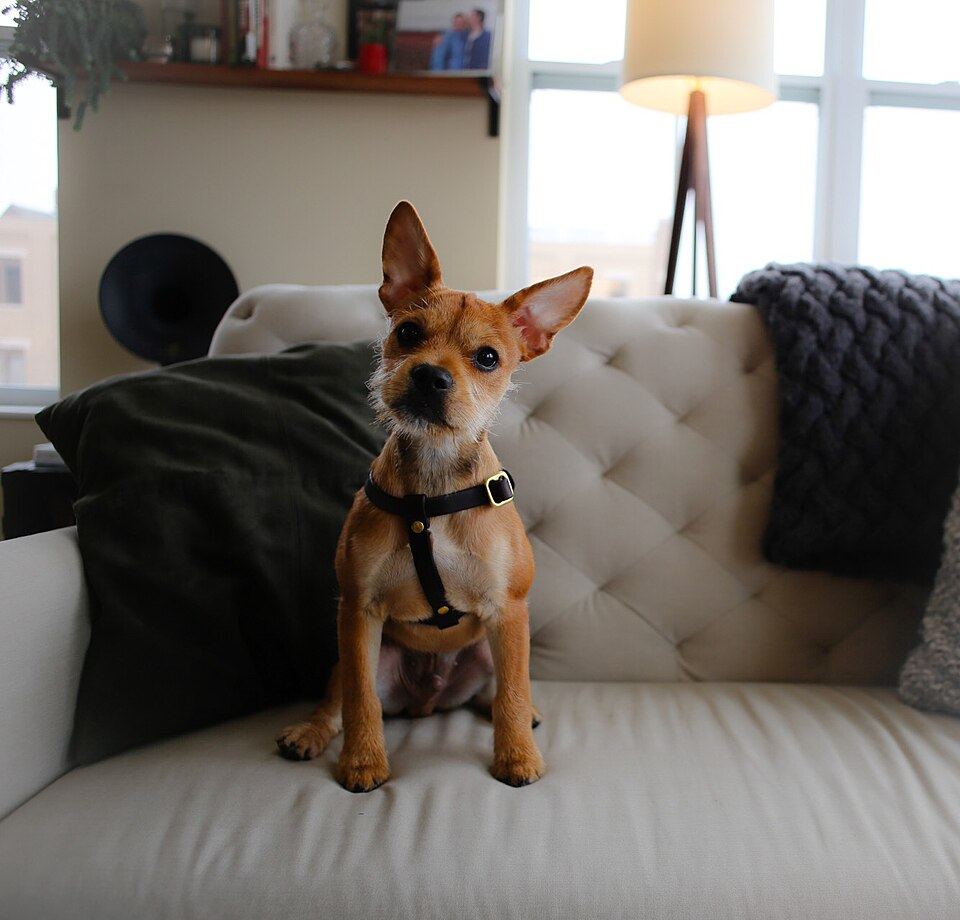
Short answer: the harness that ended our Beagle's reverse-escape routine was a front-clip, step-in style with a Y-shaped front, a snug chest strap that sat behind his shoulders, and a belly strap that could not be pushed up. Our boy had been backing out of flat collars and slipping overhead harnesses for months, and the real fix was not training first, it was removing the gap he kept exploiting. Once there was no loose fabric at the neck to push against, the backwards breakout stopped within two walks and has not returned across dozens since. If your dog reverses out of gear on the footpath, the shape of the harness matters more than the price.
Why Beagles are built to escape
Beagles are scent hounds with flexible shoulders and a real talent for freezing, then exploding backwards when something interesting hits their nose. Our Wally would plant his feet, tuck his head, and slide out the top of any overhead harness that gaped at the neck. That looseness was the whole problem, not a lack of obedience.
Plenty of renters in Perth run into this on busy footpaths, where a sudden lunge toward another dog or a dropped chip is all it takes. A reliable harness is the thing that keeps your dog off the road, and for us it was the difference between a calm stroll and a sprint after a bolting Beagle. Knowing your dog's breed habit helps you pick the right cut rather than the prettiest one.
The three details that actually mattered
After three failed harnesses, I stopped buying on price and started looking at shape. The winning design had features the cheaper ones had skipped, and each one closed a gap Wally had been using.
- A Y-shaped front piece that left his shoulders free instead of crossing his chest and choking his movement.
- A chest strap that sat high and snug behind the neck, with no slack to push back against.
- A belly strap that stayed put, so there was nothing to step out of backwards during a panic.
- Escape-proofing comes from geometry, not a bigger buckle.
None of these were expensive upgrades. They were simply present, where the budget versions had cut corners or used a single loose loop. The lesson was that escape-proofing is about geometry, not a bigger buckle.
How we fitted the new harness
Fitting is where most escapes are won or lost. I took a soft tape and measured his girth at the widest point just behind the front legs while he stood still, then checked the neck base so the chest strap would sit high. The two-finger rule became our test: I could slide two flat fingers under every strap, but no more.
If I could fit a whole hand, it was too loose and he would be out of it. If I could not fit two fingers, it would rub. We also watched him walk indoors before the first outing, because a harness that looks snug on a stand can twist the moment a dog trots. That five-minute indoor check saved us a return.
The first walks after the swap
On the first walk I expected a fight. Instead, Wally backed up at the gate, hit the Y-front, and found there was no fabric to climb. He tried twice more over the next two walks, then gave up the habit entirely. The change was boring, which is exactly what you want from gear.
We kept the lead short near traffic for a fortnight while he learned the new normal. The front clip also turned his lunges to the side, which took the strain off my wrist and meant I was not yanking him back. Calm handler, calm dog, fewer reasons to panic and reverse.
Escape scenarios we practised
Once he was reliable, I deliberately rehearsed the moments that used to break him. A friend walked a dog past at distance, I dropped a treat on the ground, and we passed a cafe with food on the tables. In each case the harness held because the chest strap gave him nothing to push against.
Practising these scenes at low stakes meant the real surprises, a off-lead dog bolting over or a loud motorbike, were just one more repetition. If you have an escape artist, build the hard moments into training before they happen, rather than discovering the gap at the worst possible time on a main road.
When a harness still is not enough
A good harness removes the lever your dog uses, but it is not a cure for a dog that is terrified or in pain. If your Beagle reverses out even from a snug front-clip step-in, look at the cause: anxiety, a sore spot, or a fit that changed after washing. Some dogs need a second belly strap or a totally different cut.
And no gear replaces recall work and a quiet voice. We still practise check-ins on every walk. The harness bought us safety while we built the habits, and that order matters. Start with the shape, then teach the behaviour, and the escaping becomes a story you tell rather than a routine you live.
| Measurement | Reading (cm) | What it changed |
|---|---|---|
| Girth behind front legs | 52 cm | Set the size, not the old brand's label |
| Neck base | 34 cm | Kept chest strap high and snug |
| Back length | 38 cm | Confirmed Y-front sat clear of shoulders |
| Two-finger gap | Pass, not a fist | Snug enough to block reversal |
| Clip used | Front | Removed the backwards leverage he used |
Frequently Asked Questions
Why did my dog keep backing out of the harness?
Most escapes happen because the neck opening is too loose or the chest strap sits too low, giving the dog fabric to push against. A snug front-clip step-in design removes that gap. Measure the girth, use the two-finger rule, and watch your dog walk indoors before the first outing so the harness cannot twist into a gap.
Is a step-in or overhead harness better for escapees?
For a dog that reverses out, a step-in style with a Y-front tends to work better because there is no loop to climb through at the head. Overhead harnesses that gape at the neck are the ones escape artists exploit. Match the cut to the habit, and keep the chest strap high behind the shoulders rather than low on the brisket.
Will a no-pull harness stop my Beagle escaping?
A front-clip no-pull harness helps by removing forward leverage and turning lunges sideways, but the escape fix is the fit, not the clip alone. The chest strap must sit snug with no slack to push back against, and the belly strap must stay put. Combine the right shape with a correct fit and escaping usually stops within a few walks.
How tight should a harness be to prevent escapes?
Use the two-finger rule: you should slide two flat fingers under each strap but not a whole hand. Too loose gives the dog fabric to climb, too tight rubs and can sore the skin. Check the fit after the first week of wear, because webbing settles and straps loosen with use, especially on a dog that pulls.
My dog still escapes a snug harness, what now?
Look at the cause before the gear. Anxiety, a sore spot, or a washed-and-shrunk strap can all break a good fit. Some dogs need a second belly strap or a different cut entirely. If escaping persists despite a correct fit, book a vet check for pain and consider a trainer for the underlying panic, because gear alone will not fix fear.
Looking for dog harnesses?
We stock the gear covered in this guide, with Australia-wide shipping and Afterpay at checkout.
Popular in this range: breathable step-in harness
Shop Harnesses at Paws of Oz