Loose-lead walking: why the harness is half the equation
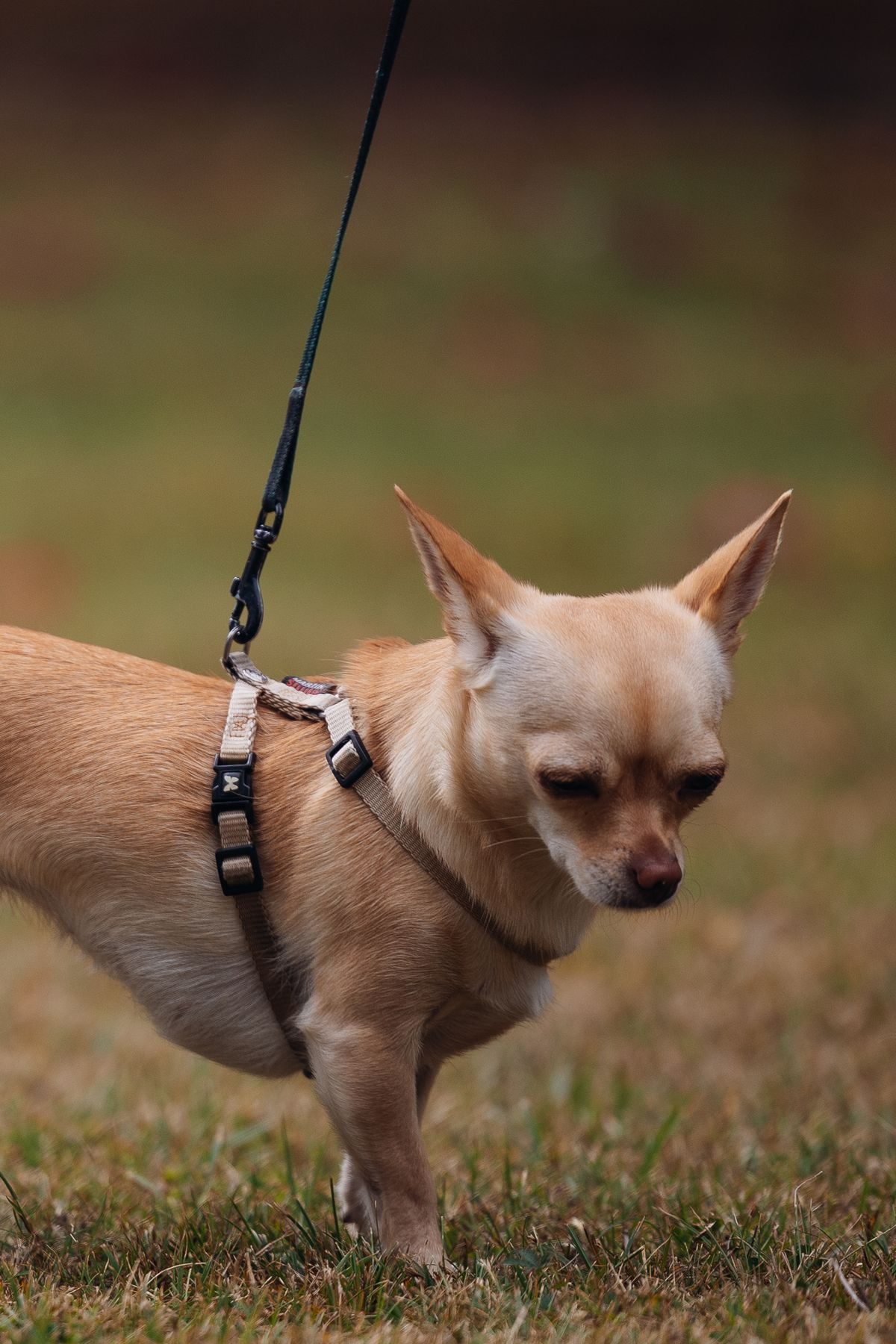
Short answer: a no-pull harness is only half the equation because it manages the pulling without teaching the behaviour you actually want. It is a brilliant brake, but your dog still needs to learn that a loose lead and a position near your leg earn rewards. As a trainer I see owners fit a great front-clip harness, then walk exactly as before and wonder why nothing changed. The gear sets the ceiling; the training raises the floor. Get both right and walks become a partnership instead of a tug-of-war. You cannot buy the behaviour, only support it.
What the harness does and does not do
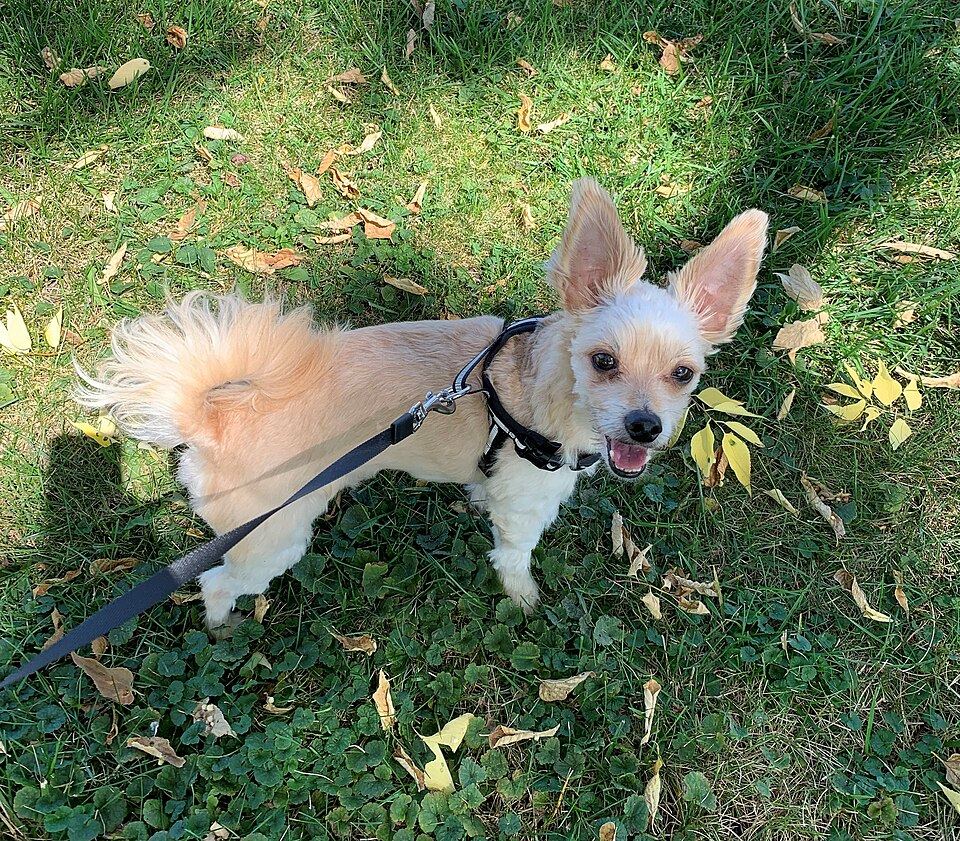
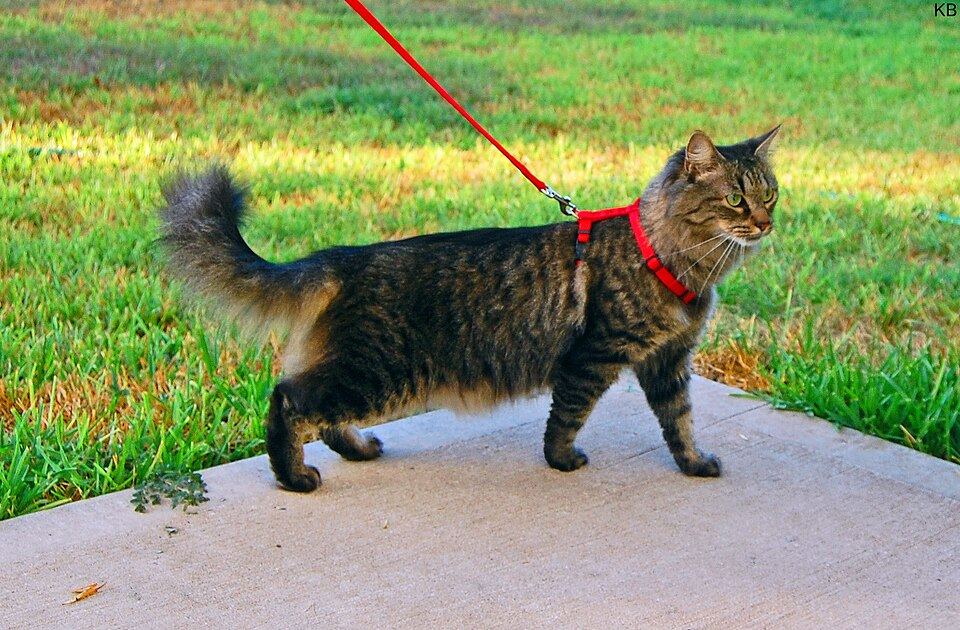
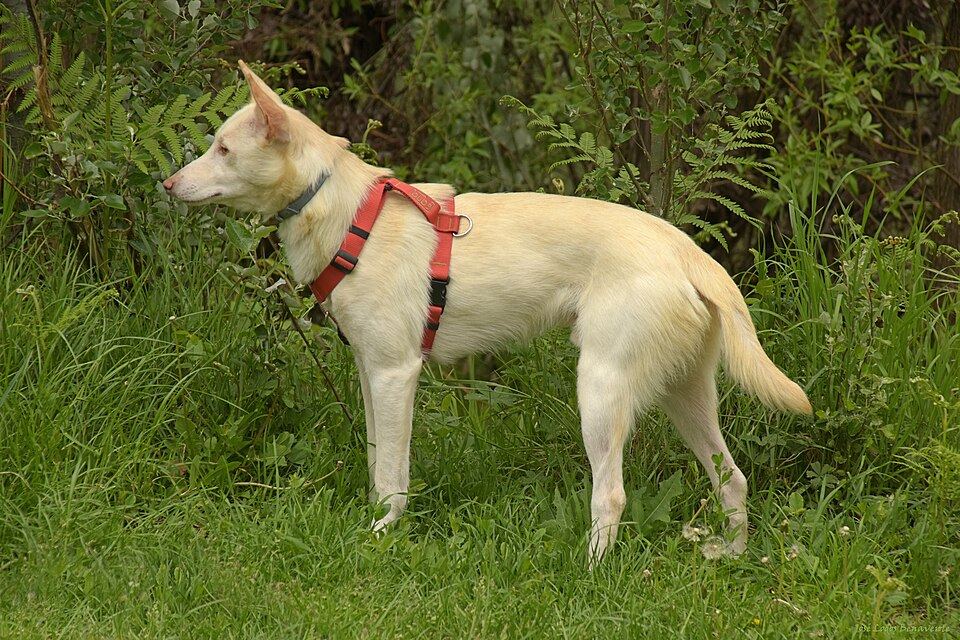
A front-clip harness redirects a lunge to the side, which takes the power out of a pull. That protects your shoulder and your dog's neck, and it buys you calm moments to teach. It does not, by itself, tell the dog where to be.
Think of it as stabilisers on a bike. They keep you upright while you learn to balance, but you still have to pedal. Remove the stabilisers too early and you wobble; never learn and you never ride free. The harness is the stabiliser, the training is the pedalling, and both are needed for a relaxed walk.
The skill your dog is missing
Loose-lead walking is a learned skill with three parts: where to walk, that tension means stop, and that proximity pays. Most dogs know none of these because we inadvertently reward pulling by moving forward when they lunge.
- Position: the dog learns the sweet spot is at your side, not two metres ahead.
- Pressure off: the dog learns a tight lead means we pause, a slack one means we go.
- Reward: the dog learns checking in with you earns the good stuff.
- Training fills the gap the harness alone leaves open.
Until those three click, the harness is doing all the work and the dog is still rehearsing the pull. Training fills the gap the gear leaves open.
A simple training loop
Start in a low-distraction space like a quiet driveway. The moment the lead goes slack, mark and reward near your leg. The instant it tightens, stop and wait; the dog quickly learns that pulling freezes the fun.
When the lead stays loose for a few steps, move off and reward again. Keep sessions short, around five minutes, because a tired dog rehearses the wrong thing. Build duration slowly: two loose steps, then five, then across the driveway, then to the gate. The loop is boring on purpose, and boring is what sticks.
Using the front clip as a brake
The front clip gives you the calm windows to teach in. When a dog lunges, the sideways redirect means you are not yanked off balance, so you can actually mark the slack moment instead of fighting the lead. That is the half of the equation the harness owns.
But if you only ever rely on the redirect, the dog never learns position. Use the brake to create teaching time, then reward the check-in. Over weeks the dog offers the loose lead without the clip doing the work, and you can lengthen the lead knowing the habit is there.
Common training mistakes
The biggest one is rewarding the pull by walking on when the lead tightens. The dog learns tension equals progress. The second is drilling in busy parks before the driveway skill is solid, which just rehearses chaos. The third is inconsistent handlers, where one person lets the dog forge ahead and another stops.
Pick one rule and everyone follows it: tight lead, we stop. Loose lead, we go. Consistency is the part owners underestimate. The harness is identical for every handler, but the rule has to be too, or the dog picks the lazy version and the walks stay a fight.
Realistic timeframes
In my experience a calm adult dog takes roughly two to four weeks of daily five-minute sessions to walk loosely past mild distractions. A young, excited dog can take longer, and that is normal. The front-clip harness keeps everyone safe while that skill builds, which is exactly why it is half the equation rather than the whole answer.
Do not expect a switch to flip. Watch for small wins: fewer lunges, quicker check-ins, longer slack stretches. Those are the floor rising. Pair the brake with the teaching and the walks get quieter week by week, without you ever needing to out-muscle the dog. Owners are surprised how quietly the walks become once the floor rises, because the harness stops being the story and the dog just walks beside them. That calm is the actual goal of the exercise, and the gear only ever got you there safely while the habit was built underneath it.
| Step | What you do | What the dog learns |
|---|---|---|
| 1 | Wait for slack lead | Tension means stop |
| 2 | Mark and reward at leg | Position pays |
| 3 | Move off on slack | Walking calmly continues reward |
| 4 | Add distractions slowly | Skill holds in the real world |
| 5 | Lengthen lead over weeks | Habit, not the clip, holds |
Frequently Asked Questions
Will a no-pull harness train my dog by itself?
No. It manages pulling and protects necks, but it does not teach position or check-ins. Use it as a brake while you reward a slack lead and a calm side position. The harness sets the ceiling on pulling; your training raises the floor on behaviour. Without the teaching, the dog still rehearses the pull every walk and nothing changes long term.
How long does loose-lead training take?
A calm adult dog usually takes two to four weeks of short daily sessions to walk loosely past mild distractions, while a young excited dog can take longer. Keep sessions around five minutes so the dog does not rehearse the wrong thing. The front-clip harness keeps you both safe while that skill builds, which is why it is half the work.
Should I use treats on every walk?
Early on, yes, because rewarding the slack lead and the check-in is what builds the habit. As the behaviour firms up you can fade treats to occasional praise, but keep some on hand for new distractions. The reward is the part that tells the dog proximity pays, and removing it too early sends the dog back to forging ahead.
Why does my dog still pull with a front-clip harness?
Because the clip manages the pull but does not teach position. If you walk on when the lead tightens, the dog still learns tension equals progress. Stop the instant it tightens, reward the slack, and keep sessions consistent across handlers. The harness gives you calm windows to teach in, but you still have to do the teaching.
Can I skip training and just use the harness?
You can stay safe, but you will not get a calm walk. The harness is a brake, not a teacher, so the dog keeps rehearsing the pull inside the gear. For dogs that only ever wear it, the habit never improves and the reliance never ends. Pair it with short reward-based sessions and the dog eventually offers the loose lead without the clip doing the work.
Looking for dog harnesses?
We stock the gear covered in this guide, with Australia-wide shipping and Afterpay at checkout.
Popular in this range: breathable step-in harness
Shop Harnesses at Paws of Oz