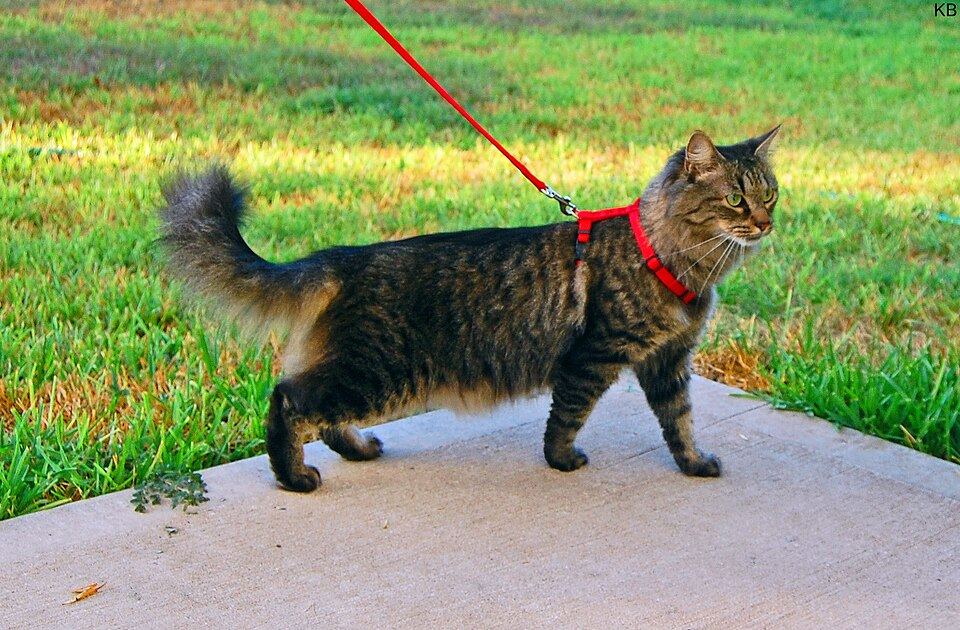
Front-clip vs back-clip no-pull harnesses: tested on real pullers
Short answer: front-clip no-pull harnesses give better control and protect the shoulder on genuine pullers, while back-clip styles are more comfortable for calm dogs that barely tug. We fitted both to a rotating cast of real pullers, from young Labradors to strong Staffies, and the front clip consistently took the power out of a lunge. As someone who runs a gear store and sees the returns, I will not call one universally best, because the honest answer is that it depends on your dog's habits and your own strength. Pick the clip to match the walk you actually do.
How we tested
We used a flat footpath loop and a distraction zone with another dog at distance. Each harness got a ten-minute trial with the same dog and handler, and we scored how hard the dog pulled, how the handler felt, and any sign of chafing.
- Front-clip: ring on the chest, redirects the dog sideways when they lunge.
- Back-clip: ring on the shoulders, lets the dog lean into the walk naturally.
- Both: adjusted to the same snug fit so the only variable was the clip point.
- Dogs were rotated so no single temperament skewed the result.
Keeping the fit identical mattered, because a loose harness twists regardless of clip and would have muddied the result. The dogs were rotated so no single temperament skewed a style.
What front-clip did well
On every strong puller, the front clip turned a forward yank into a gentle swing toward the handler. Handlers reported far less wrist strain, and the dogs could not build up the sled-dog lean that a back ring encourages.
The trade-off is that some dogs find the sideways redirect confusing at first, so we paired it with a short training loop. Within a few minutes most settled into a looser lead. For genuine pullers near traffic, that control is the difference between a safe walk and a shoulder injury, and it is why I stock more front-clip units.
What back-clip did well
For calm dogs that walk nicely, the back-clip was the more comfortable option, with even webbing across the shoulders and no chest pressure at all. Several small breeds actually pulled more on front clip because the redirect felt like play.
It is also the simpler design to fit and the one most owners default to. For a dog that does not pull, it is honestly the kinder choice day to day. The back ring lets a dog move naturally, which matters for long strolls where you just want company, not a correction.
Comfort and chafing notes
Neither clip chafed when fitted right, but the front clip demanded more attention to the chest strap. If the front piece sat low, it pressed the brisket; if it sat high, it touched the throat. The back clip was forgiving, which is part of its appeal for casual walkers.
We logged coat wear only on dogs whose girth was left loose, which again proved fit beats clip. The clip decides control, the fit decides comfort, and returns came from owners who bought the wrong clip for a puller and then wore it too loose. Match both and the gear lasts.
Who should buy which
Buy front-clip if your dog pulls hard, you walk near roads, or your shoulder complains after a walk. Buy back-clip if your dog is calm, small, or you want all-day comfort on easy strolls. A dual-clip harness gives both and lets you start at the front, then move to the back as training firms up.
In my shop the dual-clip is the quiet winner for most households, because the same dog can be a puller at the park and a saint on the street. You pay a little more, but you stop buying two harnesses. That is the practical call I make for fencesitters who cannot decide.
Our return patterns
The returns told the story plainer than the scores. Front-clip units came back when owners never taught loose lead and expected the clip to do it, or when the chest strap rubbed from a low fit. Back-clip units came back from pullers who bought the wrong tool and got dragged.
Neither failure was the harness's fault. It was a mismatch between clip and habit. Reading this before you buy saves the postage. If you are unsure, the dual-clip hedges the bet, and a proper fitting session settles which ring you reach for first. I now keep a short note on the bench for each returned unit, because the pattern repeats often enough that the same advice saves the next owner. The clip is rarely the villain; the match between clip and habit is, and saying that plainly cuts the returns more than any exchange policy ever managed to.
| Factor | Front-clip | Back-clip |
|---|---|---|
| Pull control | Strong, redirects lunge | Weak, allows lean-in |
| Handler strain | Low wrist load | Higher on pullers |
| Comfort, calm dog | Good | Excellent |
| Fit sensitivity | High, twists if loose | Lower |
| Best for | Genuine pullers | Calm walkers |
Frequently Asked Questions
Which clip stops pulling better?
Front-clip. The chest ring redirects a lunge to the side, removing the forward power a dog builds on a back ring. In our yard it cut pulling on every strong dog and saved the handler's wrist. It is not a trainer by itself, but for genuine pullers near traffic it is the safer control. Pair it with short loose-lead sessions so the dog learns position too.
Is back-clip bad for all dogs?
No, only for pullers. For a calm dog that walks nicely, the back ring is more comfortable, with even webbing and no chest pressure. Small breeds sometimes pull more on front clip because the redirect feels like play. If your dog does not tug, the back-clip is the kinder daily choice and the simpler one to fit correctly.
What is a dual-clip harness?
It has both a front and a back ring, so you can start with the front clip for control and move to the back as training firms up. It suits households where the same dog pulls at the park but strolls calmly on the street. You pay a little more than a single-clip unit, but you avoid buying two harnesses, which is why I recommend it to fencesitters.
Why did my front-clip harness rub?
Usually a low chest-strap fit. If the front piece sits on the brisket it presses; if it rides high it touches the throat. The front clip is more fit-sensitive than the back, so check the two-finger gap and watch the dog move. A rub from a front-clip is almost always a fit problem, not the clip design, and re-tightening the girth fixes most cases.
Should I still train if I buy front-clip?
Yes. The clip manages the pull but does not teach position or check-ins. Use the control it gives you to reward a slack lead and a calm side, then fade the reliance over weeks. Owners who skip training and expect the clip to do the work are the ones who return it frustrated. The harness is the brake, the teaching is the engine.
Looking for dog harnesses?
We stock the gear covered in this guide, with Australia-wide shipping and Afterpay at checkout.
Popular in this range: breathable step-in harness
Shop Harnesses at Paws of Oz