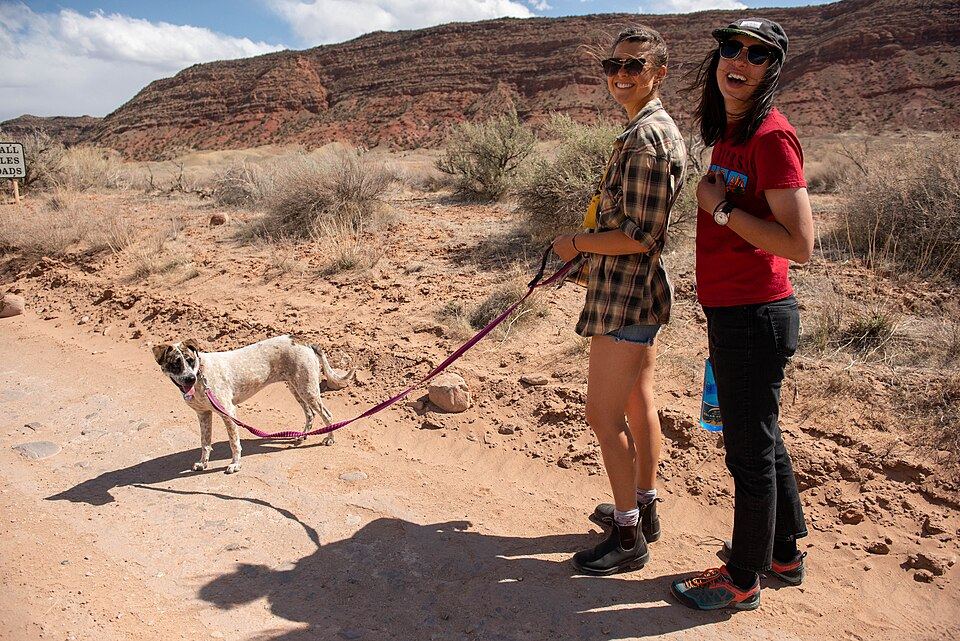
Why I Swapped My Dog's Collar for a Harness (and What Took Me Three Tries to Learn)
Short answer: a harness spares the throat and spreads pressure across the chest, because my kelpie-cross Biscuit slipped her flat collar and bolted toward the road when the clip worked loose. The truth is it took three tries, a size too small, the wrong style, then an adjustable fit that stopped the chafing, to learn measuring beats guessing. Keep a collar for ID and the harness for the adventure; two fingers of slack under every strap is the line between safe and sore.
I'll never forget the first time my kelpie-cross, Biscuit, slipped her flat collar and bolted toward the road. My hands were full of grocery bags, the clip had worked loose, and for about three terrifying seconds I watched her heels disappear around the corner before she remembered she actually liked me and came trotting back. That was the day I started looking seriously at a dog harness that Australian owners could actually rely on. I'd always assumed a collar was enough. Everyone I knew used one. But the more I read, and the more I watched Biscuit cough after a hard tug on the lead, the more I realised a harness takes the pressure off the delicate throat and spreads it across the chest and shoulders, where a dog is built to pull. Swapping wasn't a fashion decision. It was a safety one, and honestly it was about three months overdue.
I'll be honest, I also went down a rabbit hole looking at gear for other pets. My sister has a cheeky indoor cat who escapes onto the balcony, so I even browsed a cat harness listing aimed at Australian owners, which taught me that the same fit rules apply across species: measure, don't guess. That little detour actually made me a better dog owner, because it hammered home that a harness is only as good as how it sits on the animal wearing it.
Try number one was a size too small
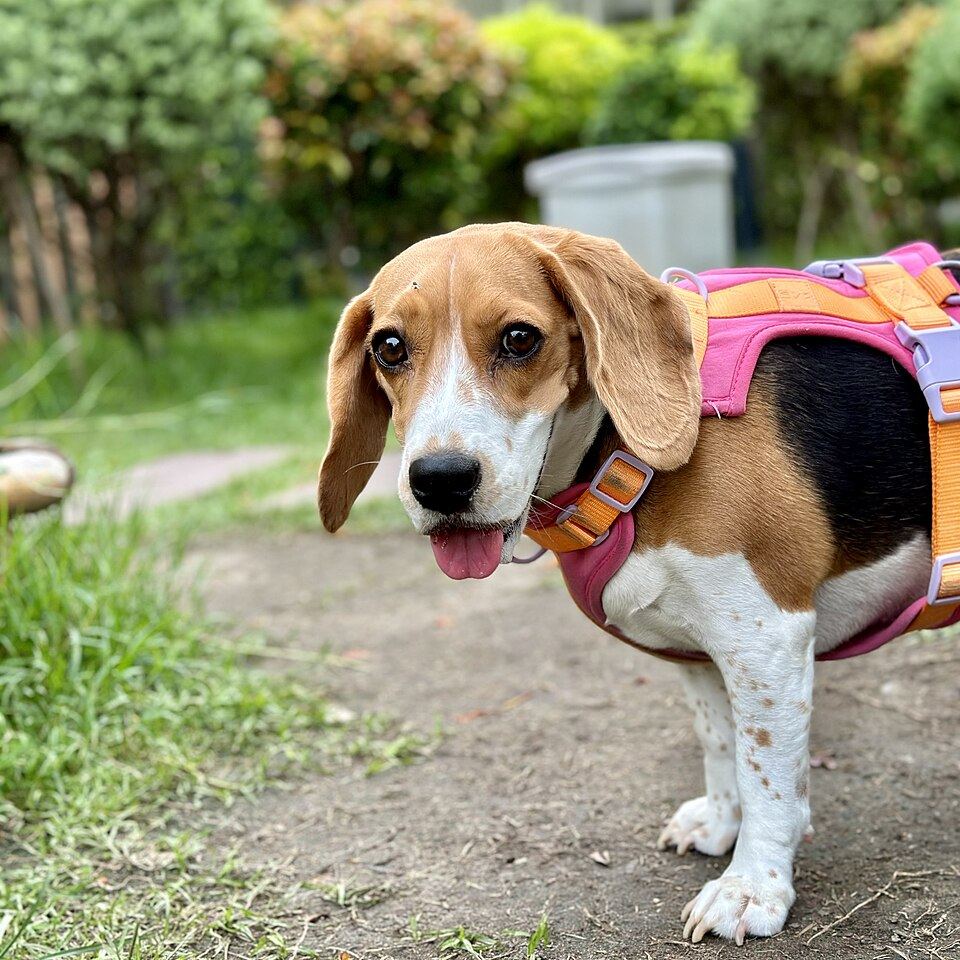
The first harness I ordered online looked adorable in the listing. It arrived, I threaded Biscuit's head through, clipped it under her belly, and she immediately sat down and refused to move. The straps dug into her armpits and she was clearly miserable. I'd guessed her size from a weight chart instead of measuring her properly, which is exactly the mistake every recent dog harness buying guide tells you not to make. The guide I finally read put it plainly: a soft measuring tape around the widest part of the chest, snug but not tight, then match that number to the sizing table and ignore the kilogram guesswork. Lesson one burned in: a harness for a small dog or a large dog alike needs a real chest measurement, not a hopeful estimate based on breed.
What the three main styles actually feel like
While I was at it, I learned there are basically three styles and they fit very differently on a wriggly dog. A vest-style harness is the padded, wrap-around kind that covers more of the chest. Biscuit seemed calmer in it because nothing pressed on her throat, and the broad panel distributed the pull nicely when she spotted a lizard. A step-in harness is the one your dog steps into with both front paws and you clip it over the back. It's the easiest option for a dog who hates things going over her head, and it avoids the wrestle entirely. Then there's the overhead style, which slips over the head and clips underneath. I ended up rotating through all three before I figured out what worked, and each taught me something about where Biscuit carries tension.
How to choose a harness without the guesswork
If you're wondering how to choose a harness style that suits your own pet, start with temperament, not colour. A nervous dog who ducks away from hands does better with a step-in. A confident dog who tolerates handling can wear an overhead. A dog with a sensitive trachea, like Biscuit after her coughing fits, benefits most from a padded vest. I wish someone had told me this on day one instead of letting me learn through three returns and a fair bit of guilt.
- Start with your dog's temperament, not colour.
- A nervous dog does better with a step-in.
- A confident dog can wear an overhead.
- A sensitive trachea suits a padded vest.
Why "adjustable" stopped the chafing
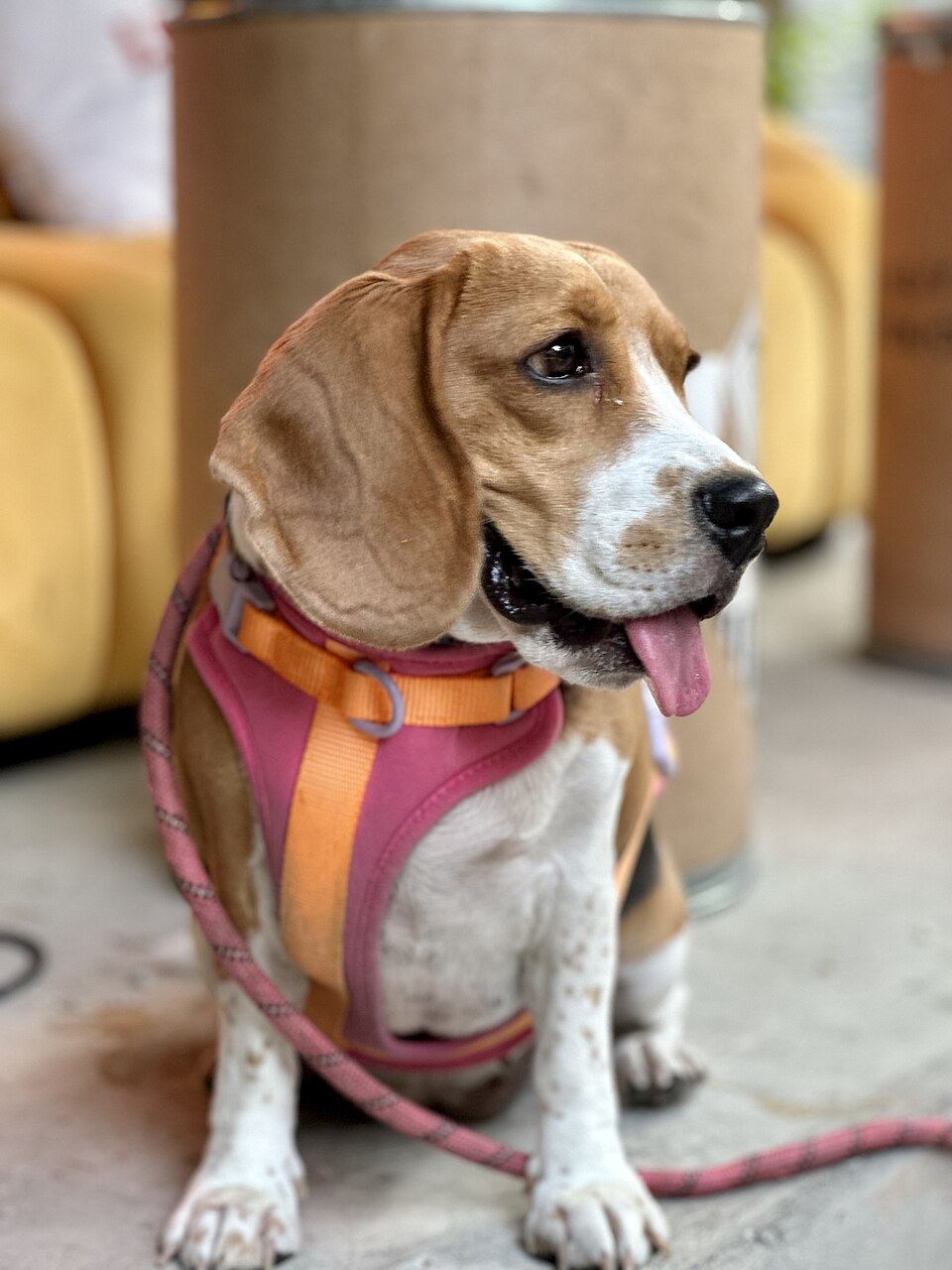
The real breakthrough was realising I needed an adjustable harness that local sellers actually stock, with multiple points of adjustment. Cheap single-strap ones left gaps that rubbed; a proper adjustable one let me tighten the chest strap without strangling the neck strap. Once I found a solid Australian harness review that explained the two-finger rule, everything clicked. You should be able to slide two fingers under every strap. Not one, not three, two. Adjustability isn't a bonus feature, it's the difference between a harness your dog tolerates and one she forgets she's wearing. With four sliders to play with, I finally got a custom fit that moved with her shoulders instead of against them.
Buying it here, not from overseas
I wasted two weeks waiting on a harness from an overseas seller that never shipped. When I finally went looking locally, I found decent options at Petbarn and even Kmart, plus a stack of Aussie small businesses shipping within the week. Buying here meant I could return the wrong size without a fight and ask a real person whether the buckle would survive beach trips and creek crossings. For any Australian owner, shopping local saves the heartache of a harness that fits on paper but not on your actual dog, and it keeps your money in the community you walk in every morning.
The third try finally fit
By try three I'd measured her chest girth with a soft tape, picked a vest style with four adjustment points, and done a ten-minute intro where she got chicken for simply standing still in it. She wore it around the house for a day before we ventured outside. No coughing, no sitting down in protest, no escape attempts. It genuinely changed our walks, and it changed how relaxed I felt letting her sniff her way to the corner cafe.
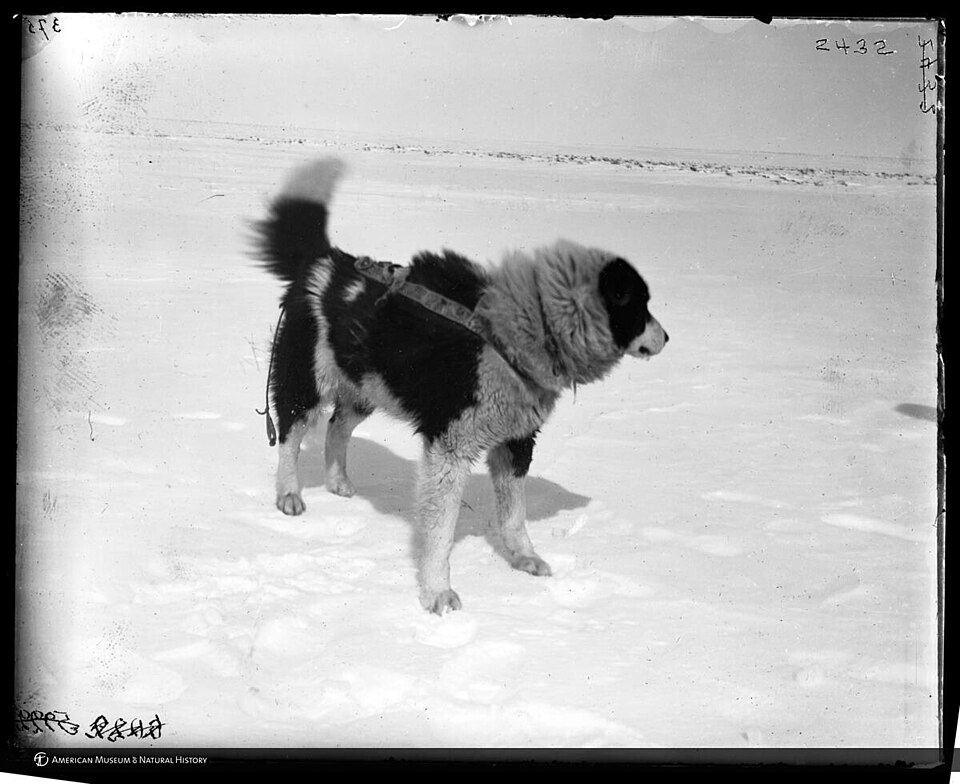
If you're on the fence about switching from a collar, my honest advice is just do it, and measure twice before you click buy. It took me three harnesses to get it right, but Biscuit hasn't slipped a single lead since, and my shoulders thank me every morning. — written by a very relieved dog mum in regional NSW.
Frequently Asked Questions
How do I measure my dog for a harness?
Use a soft tape measure around the widest part of the chest, just behind the front legs, and around the base of the neck where a collar would sit. Keep it snug but not tight, and match those numbers to the brand's sizing table rather than guessing from your dog's weight or breed.
Step-in or overhead — which is better?
It comes down to your dog's personality. A step-in style is easiest for dogs that hate things going over their head, while an overhead style slips on like a jumper and suits dogs comfortable with handling. Both are fine; the right one is the one your dog will tolerate being put on.
My dog still pulls in a harness. Why?
A harness reduces throat strain but doesn't train loose-lead walking on its own. Pair it with consistent reward-based training, and make sure the fit is snug enough that your dog can't slip it but loose enough for the two-finger rule under every strap.
Can I use the same harness for my cat?
The fit principles are the same, but cats need a lighter, escape-proof design with a secure closure. Look for a cat-specific vest or H-style harness and always supervise first outings, since cats are masters at wriggling free.
How tight should the straps be?
You should be able to slide two fingers between every strap and your dog's body. One finger means it's too tight; three means it's too loose and your dog may slip out or chafe.
Size & Fit Reference
| Size | Chest girth | Neck | Weight | Best for |
|---|---|---|---|---|
| XS | 30–40 cm | 23–31 cm | 1.5–2.5 kg | Toy breeds, puppies, small cats |
| S | 40–50 cm | 30–38 cm | 2.5–4 kg | Chihuahua, small cat |
| M | 50–60 cm | 36–44 cm | 4–6 kg | Cavoodle, large cat |
| L | 60–70 cm | 42–50 cm | 6–9 kg | Kelpie cross, small Terrier |
| XL | 70–85 cm | 50–60 cm | 9–14 kg | Medium working breeds |
Looking for dog harnesses?
We stock the gear covered in this guide, with Australia-wide shipping and Afterpay at checkout.
Popular in this range: breathable step-in harness
Shop Harnesses at Paws of Oz