
Why I Started Carrying My Cat in a Backpack (and What I Wish I Knew First)
Short answer: I swapped Mochi's clunky hard crate for a backpack after a Brisbane friend's pack, after the old box made vet trips a negotiation. The truth is the features that matter are lockable zippers, a rigid base, airflow and an internal tether, while a weak zip is how a pet escapes at the worst moment. Measure her stretched length, not just weight, and break the routine in over a week so the bag means good things rather than a trap. My ginger tabby now peers out, not limp.
For the first three years of owning Mochi, my ginger tabby, every trip to the vet felt like a small hostage negotiation. I had one of those hard plastic carrier boxes — the kind that clips shut with a sliding door and smells faintly of other nervous animals. Mochi would go limp the second I pulled it out from under the bed. By the time we reached the clinic she was a trembling loaf of resentment, and I had a sore forearm from dragging a clunky box through the carpark.
Then a friend in Brisbane showed me her setup. She was walking down the street with her cat peering out of what looked like a tiny astronaut pack strapped to her back. That was the first time I ever saw a pet carrier backpack that Australian owners were actually using day to day, not just for vet runs. I was skeptical. Wouldn't a cat hate being worn like luggage? But Mochi's face, watching the world go by at eye level instead of from the floor of a box, looked genuinely curious. So I went down the rabbit hole, and six months later I haven't looked back.
What a pet carrier backpack actually is
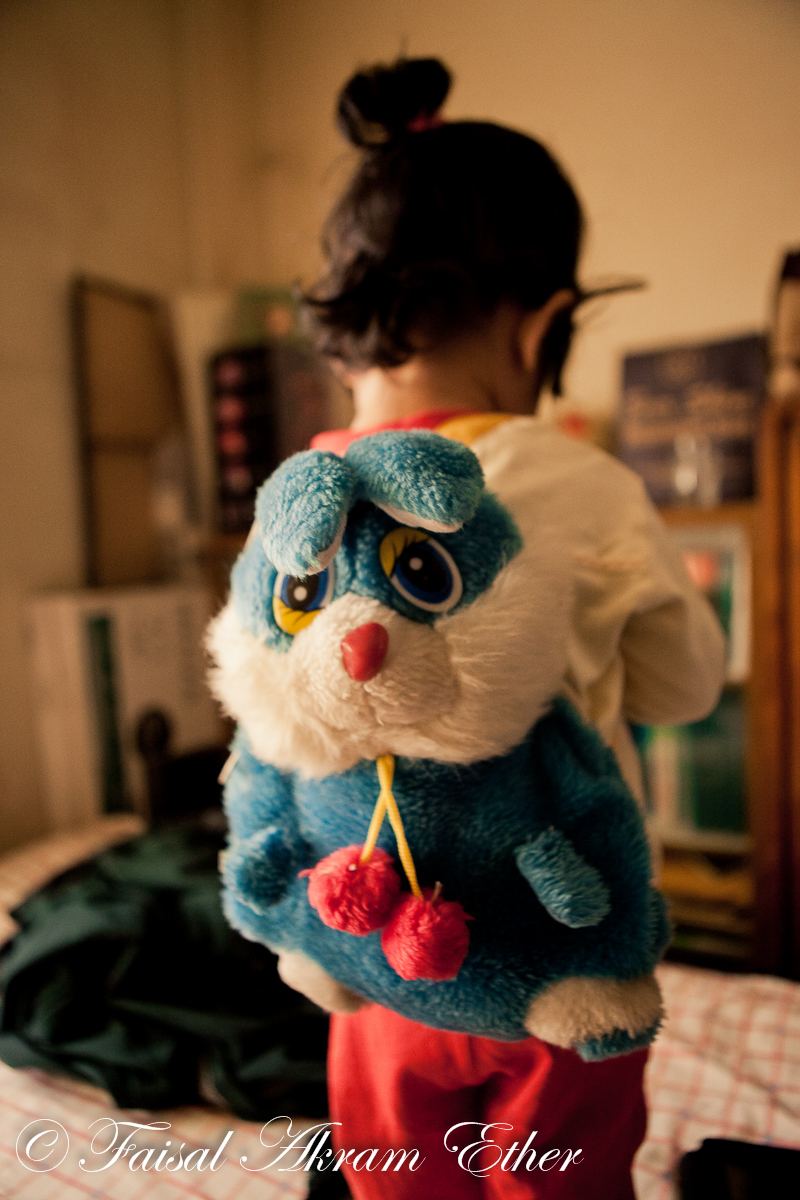
If you've never seen one, a cat backpack carrier that buyers can find online is basically a small soft-sided or semi-rigid cabin you wear on your back, with a window or mesh panel so your pet can see out. Some are fully enclosed with ventilation holes; others have a big transparent bubble. The point is that your hands stay free and your cat rides close to your body, which most cats find reassuring. It's less a cage and more a portable safe den that moves with you.
I'd assumed my dog-owning mates wouldn't get it, but a dog backpack carrier version exists too, usually for smaller breeds or puppies. The principle is the same: you carry the animal comfortably, and the animal feels your warmth and heartbeat through the fabric. That closeness is exactly why pets seem to tolerate these better than a cold plastic tub.
Why cats and dogs actually tolerate it
Here's the thing nobody told me. Cats are prey animals, and a normal carrier box makes them feel exposed and immobile at the same time — the worst possible combination. A backpack keeps them elevated, snug against you, and able to hide their face in the dark interior if they want. Mochi stopped freezing up because she could choose to peek or retreat. For dogs, the closeness reads as bonding time. A small terrier I dog-sit loves riding in a dog carrier bag style sling during markets because he feels included rather than abandoned on the ground.
The first time I wore Mochi to a café, she tucked her head against my back and purred. I nearly cried. The old box never produced a single purr.
My first and most painful sizing lesson
The mistake I made — and I see it constantly in Aussie buy-and-sell groups — was buying cute over correct. My first cat carrier bag pick was advertised for cats "up to 6kg." Mochi is 4.2kg. Seemed fine. What the listing didn't say was that a chonky ginger needs vertical room to turn around, not just a weight rating. She fit, technically, but couldn't spin to get comfortable, and a stressed cat that can't reposition is a miserable travel companion.
The rule I now give everyone: measure your pet lying down stretched out, then add a bit. Look for a pack where they can sit, turn, and lie down. Weight limits lie; dimensions don't. I ended up returning that first one and sizing up to a model with a proper rigid base and ten centimetres more length. Night and day.
Another lesson — check the zippers before you commit. Mochi figured out the weak zip on attempt two and nearly escaped at a tram stop. Spend the extra dollars on a reputable pet carrier backpack brand with lockable sliders. Cheap hardware is how you lose a cat in traffic.
- Measure your cat stretched out, not by weight.
- Look for room to sit, turn and lie down.
- Size up to a rigid base with more length.
- Choose lockable zipper sliders, not cheap ones.
The first walk was awkward (for me, not her)
I want to be honest about the adjustment period, because the internet makes it look effortless. The first time I clipped Mochi in and stood up, I wobbled. The weight sits higher than a normal backpack, closer to your shoulders, and if your cat shifts you lurch like a newborn giraffe. It took three walks before my posture settled. Mochi was unbothered from walk two, planting her feet when a paw on my back signalled we were moving. My tip: start with a five-minute lap, not a full day trip, and wear the empty pack around the house first to learn the balance.
I also got stared at, which surprised me. In a country where dogs on leads are everywhere, a cat on a back still turns heads. I've made peace with being "the cat backpack person" on my street, and honestly the conversations it starts have introduced me to half the local pet owners I now swap advice with.
What I'd tell past me
If I could shake my earlier self, I'd say: stop fighting the box, your cat isn't being difficult, she's terrified of feeling trapped. Try wearing her instead. Give it three tries before you judge it — the first walk is weird for both of you. And for the love of all things fluffy, size up.
I won't pretend a backpack solves every pet-transport problem. Rain still happens, and Mochi still hates the scales at the vet. But the journey between home and there is now something we both tolerate, sometimes even enjoy. That counts for a lot when your cat is family.
— Written by someone who once fought a plastic box in a Coles carpark and lost. Mochi sends her regards (and a slow blink).
Frequently Asked Questions
How do I choose the right backpack size?
Measure your pet lying down, stretched out from nose to tail base, and add a little. Pick a pack where they can sit, turn around, and lie down — don't trust the weight rating alone. A cramped pet is a stressed travel companion.
Will my cat actually tolerate being carried?
Most cats do once they learn the backpack is a safe den. Start with short sessions at home, reward calm behaviour, and let them peek out on their own terms. The closeness to your body is reassuring rather than frightening.
Can I use a backpack for my dog?
Yes, for small breeds and puppies there are dog-specific carriers. Larger dogs are too heavy for most backpacks, so check the weight limit and your own comfort before committing to a long walk.
How do I introduce my pet to the backpack?
Leave it open at home with a treat inside, let them explore, then do a one-minute lift, then a short indoor walk. Build up over a week so the experience stays positive rather than forced.
What features matter most for safety?
Lockable zippers, a rigid base, breathable ventilation, and an internal tether clip. Skip cheap hardware — a weak zip is how pets escape at the worst moment.
Size & Fit Reference
| Size | Pet weight | Internal dimensions (L×W×H) | Best for |
|---|---|---|---|
| S | up to 5 kg | 30 × 28 × 42 cm | Cats, toy breeds, kittens |
| M | 5–7 kg | 33 × 30 × 45 cm | Average cat, small dog |
| L | 7–10 kg | 36 × 32 × 48 cm | Large cat, small–medium dog |
Looking for pet carriers & backpacks?
We stock the gear covered in this guide, with Australia-wide shipping and Afterpay at checkout.
Popular in this range: cartoon carrier tote
Shop Carriers at Paws of Oz