What I Pull Out at the Clinic: Toy Bits a Vet Nurse Removes First
Short answer: the toy pieces I reach to remove first are the small, detachable ones, things like eyes, bells, plastic squeakers, string and any stuffing that comes loose. In the clinic we see these turn up in mouths, throats and sometimes further along, and most were chewed off a toy that looked fine on the shelf. I am a vet nurse, not a veterinarian, so this is about prevention and what to pull before play, not a diagnosis or treatment for your pet.
Why I check toys before the pet does
A toy at full health is one thing; the same toy after a week of chewing is another. I give every new toy a tug test and a daily once over once it is in rotation. If a part shifts or a seam splits, it comes off or the toy retires. Five seconds of checking beats a worried phone call later.
This is support care and habit, not medical advice. If a pet is gagging, off food or lethargic, that is a vet visit, full stop.
The bits I remove or avoid
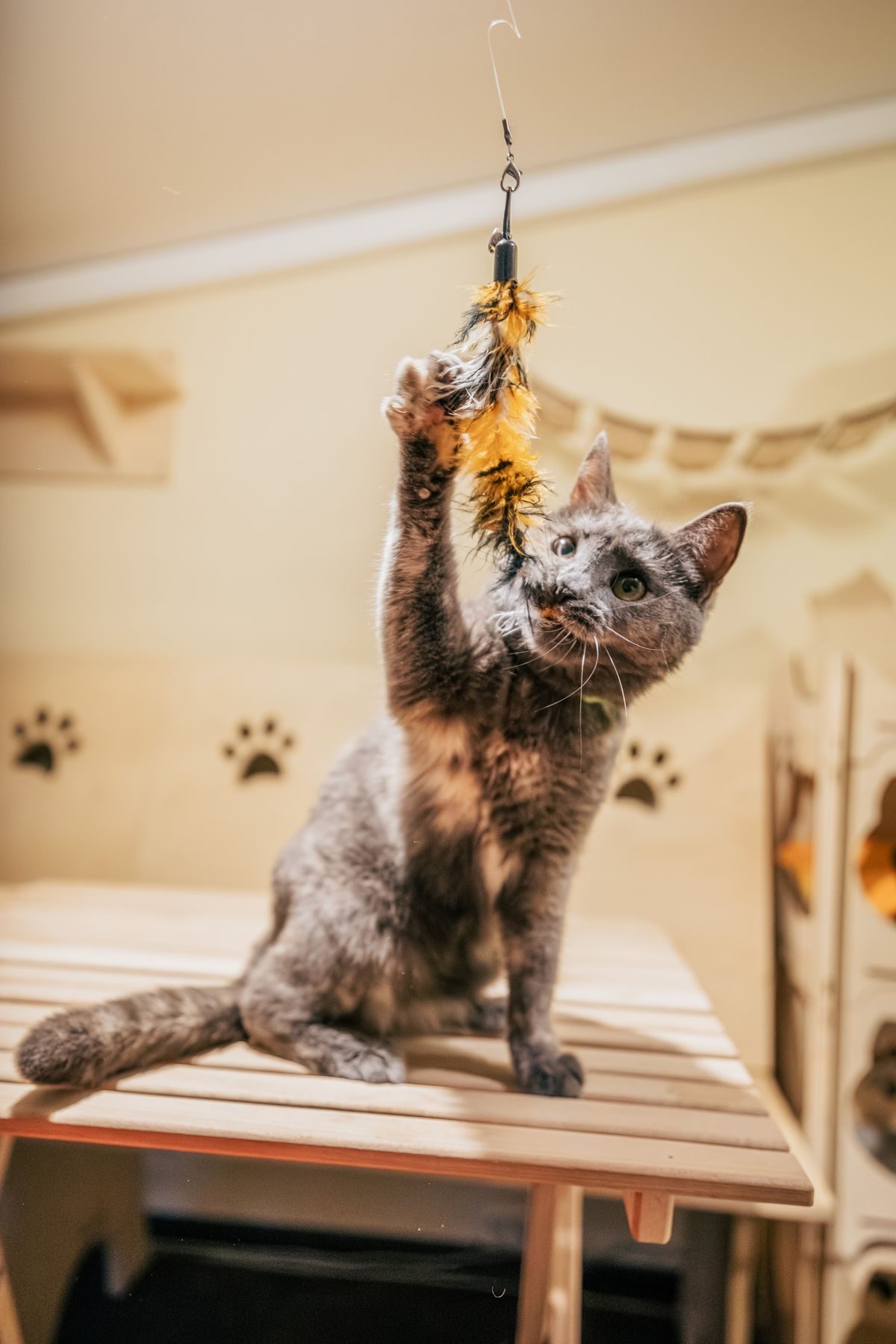
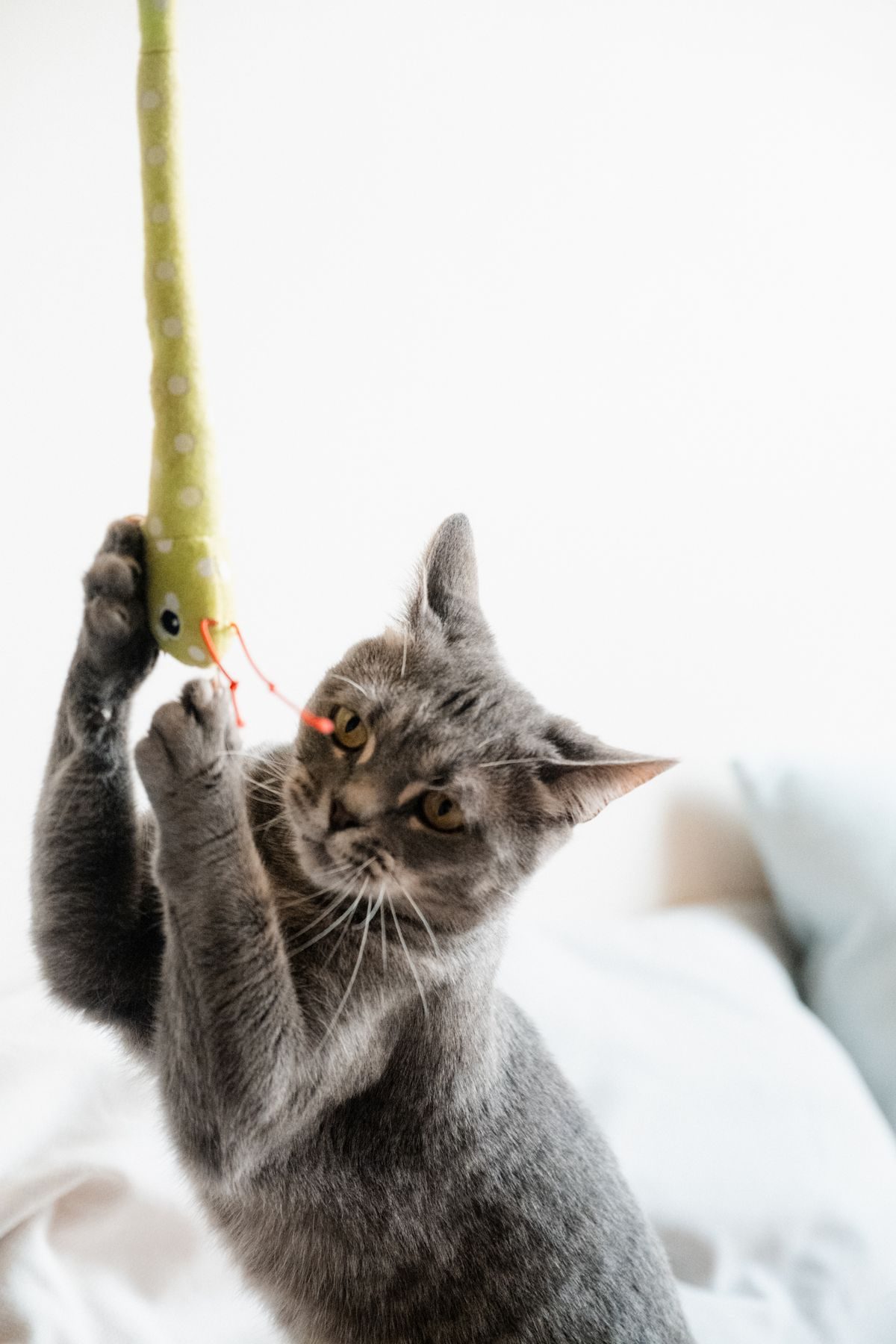
Googly eyes and bells are the classic culprits on cat toys, and they pop off far too easily. Plastic squeaker casings in dog toys crack and shed sharp edges. Long ribbons and string are the quiet danger, because a pet can swallow them and keep playing happily.
- Glue on eyes and bells, snip them off new plush toys.
- Exposed squeaker units once the casing splits.
- Long string, ribbon and elastic that can be swallowed.
- Loose stuffing, which mats in the gut if eaten.
| Part | Risk | Action |
|---|---|---|
| Glue on eyes | Swallowing | Snip off |
| Bells | Choking | Remove |
| Exposed squeaker | Sharp edge | Retire toy |
| Long string | Internal | Supervised only |
| Loose stuffing | Gut block | Discard |
Materials I am wary of
Cheap dye that comes off on your hands, a chemical smell straight from the packet, and anything labelled for novelty not pets all go straight back to the shop. Soft latex can tear into swallowable chunks for keen chewers. I prefer natural fibres and solid rubber rated for the pet's size.
If you are unsure whether a material suits your pet, ask your vet at the next check, that is exactly what they are there for.
What to do if something is swallowed
Do not try to fish it out yourself, you can push it further. Note what the item was and roughly how big, then call your vet. Keep the toy so they can see the missing part. Quick, calm action matters far more than guessing at home.
Our toy safety notes go into a few more checks worth doing on a Sunday afternoon.
Checking toys is not a one off job, it becomes part of the weekly clean. I run a hand along seams, give a gentle tug to any attached part, and retire anything that feels loose. A two minute scan has saved more drama than any product label ever could, and it costs nothing at all.
Owners often ask whether a toy from the market is safe. My honest answer is that the maker matters less than the check you do at home. A well known brand can still shed a bell, and a cheap mouse can be perfectly fine if the eyes are sewn, not glued. Learn the tug test and you can judge any toy in the aisle.
None of this replaces your veterinarian. If a pet has already swallowed something, or you simply are not sure, the clinic is the right call. A vet nurse can tidy up and advise, but diagnosis and treatment are the vet's seat. I would rather you rang and felt silly than waited and regretted it.
The same care applies to homemade toys. A sock knot or a scrunched paper ball is fine until it frays, then it joins the bin. Supervision is the cheapest safety feature we have, and it works for every pet in the clinic.
Frequently Asked Questions
Should I cut the eyes off plush cat toys?
For many cats, yes. Glue on eyes and bells are common swallow risks once chewed. If your cat is a gentle bat-and-release player, the risk is lower, but for keen biters I remove them before the toy ever hits the floor. When in doubt, ask your vet.
Are squeaky toys unsafe?
The toy is usually fine until the casing splits and the squeaker unit shows. At that point retire it, because the small plastic part is a choking hazard. Supervise keen chewers and check the seam daily once it gets gnawed.
What about string and ribbon toys?
These are the quiet risk. A pet can swallow a length and show no sign until it causes trouble. I keep ribbon wands for supervised play only and put them away afterwards. Never leave string toys where a pet can chew them alone.
How do I know a toy is non toxic?
Buy from Australian pet retailers, avoid anything that smells strongly of chemicals, and wash new fabric toys before use. If dye comes off on your hands, return it. A vet nurse can flag concerns, but your vet confirms what is safe for your specific pet.
My dog swallowed part of a toy, what now?
Call your vet rather than waiting. Note the toy and missing piece, keep the rest for them to see, and do not attempt to remove it yourself. This is exactly the situation your clinic is set up to handle, and early care is gentler than late care.
Looking for cat & dog toys?
We stock the gear covered in this guide, with Australia-wide shipping and Afterpay at checkout.
Popular in this range: foldable rainbow cat tunnel
Shop Toys at Paws of Oz