Why Your Wand Toy Fails: The Movements Cats Actually Chase
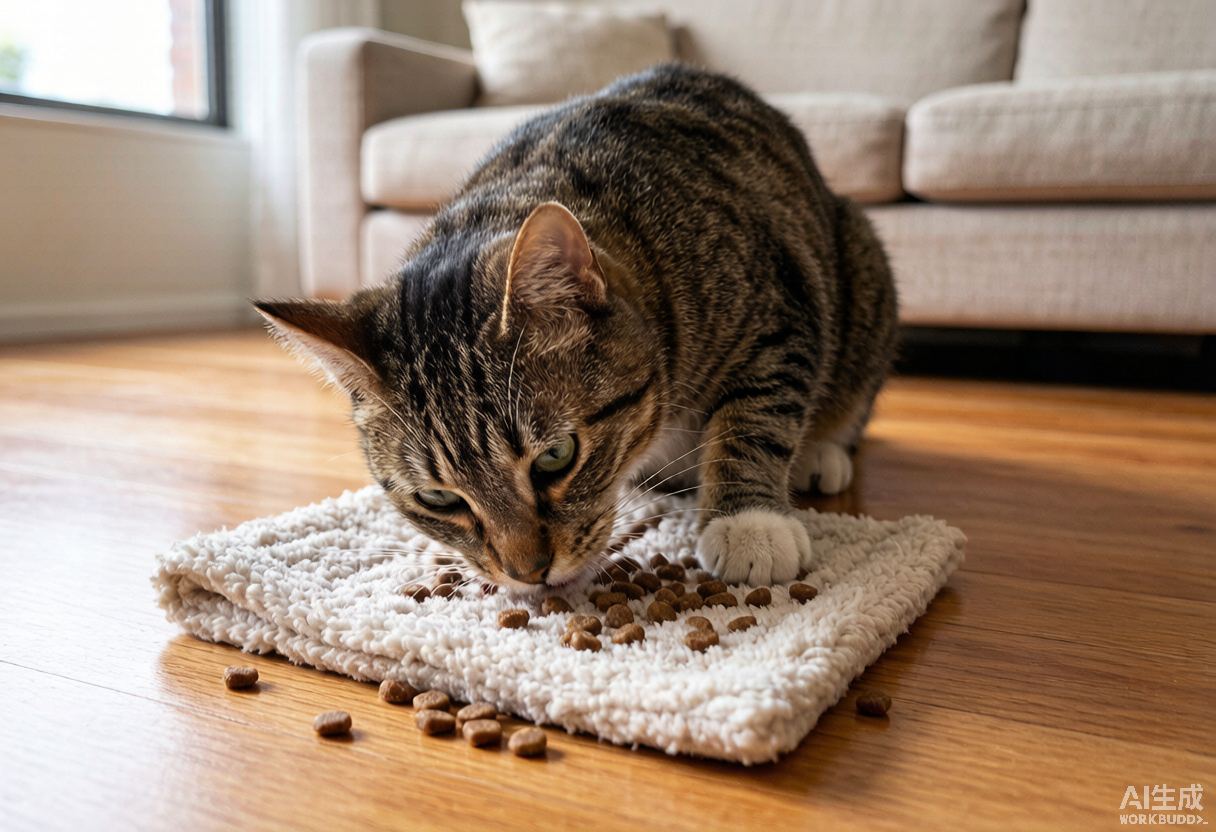
Short answer: a wand toy fails because we move it like a person, not like prey. Cats chase what darts, hides and pauses, so a stick waved in lazy circles over their head gets ignored fast. Get the rhythm right, a short skitter, a freeze, a sudden bolt under the couch, and even a lazy cat will commit. As a trainer I see the toy change nothing; the hand on the stick changes everything.
Why movement beats the toy
Cats are wired for the hunt, not the object. A feather is meaningless until it behaves like a frightened bug or a fleeing mouse. The same wand that bores one owner will rivet a cat for another, purely down to how it is worked.
Think of yourself as the prey's nervous system. Your arm sets the story; the toy is just the costume.
The movements cats actually chase
Keep the toy low and let it skim the floor, then freeze so the cat commits. A quick dart behind a chair leg creates the cornering instinct. End with the toy 'escaping' under a rug, then stop, the kill is done and the cat wins.
- Skitter fast, then freeze dead for two seconds.
- Run the toy along edges and behind furniture.
- Make it 'tremble' like a stuck insect.
- Finish with a hide so the cat lands the catch.
| Movement | Cat response |
|---|---|
| Skitter then freeze | Commit to pounce |
| Dart behind furniture | Corner and chase |
| Trembling tip | Stalk |
| Steady circle | Ignore |
| Face dangle | Threat, not prey |
Mistakes that kill the game
Dangling the toy in the cat's face reads as a threat, not prey. Moving in big smooth loops looks like a bird too high to bother with. And never wiggle it at the same speed the whole time, steady motion is the boredom setting.
I also see owners yank the toy away the second the cat pounces, which teaches them the hunt is pointless. Let them catch it.
Building a short session that works
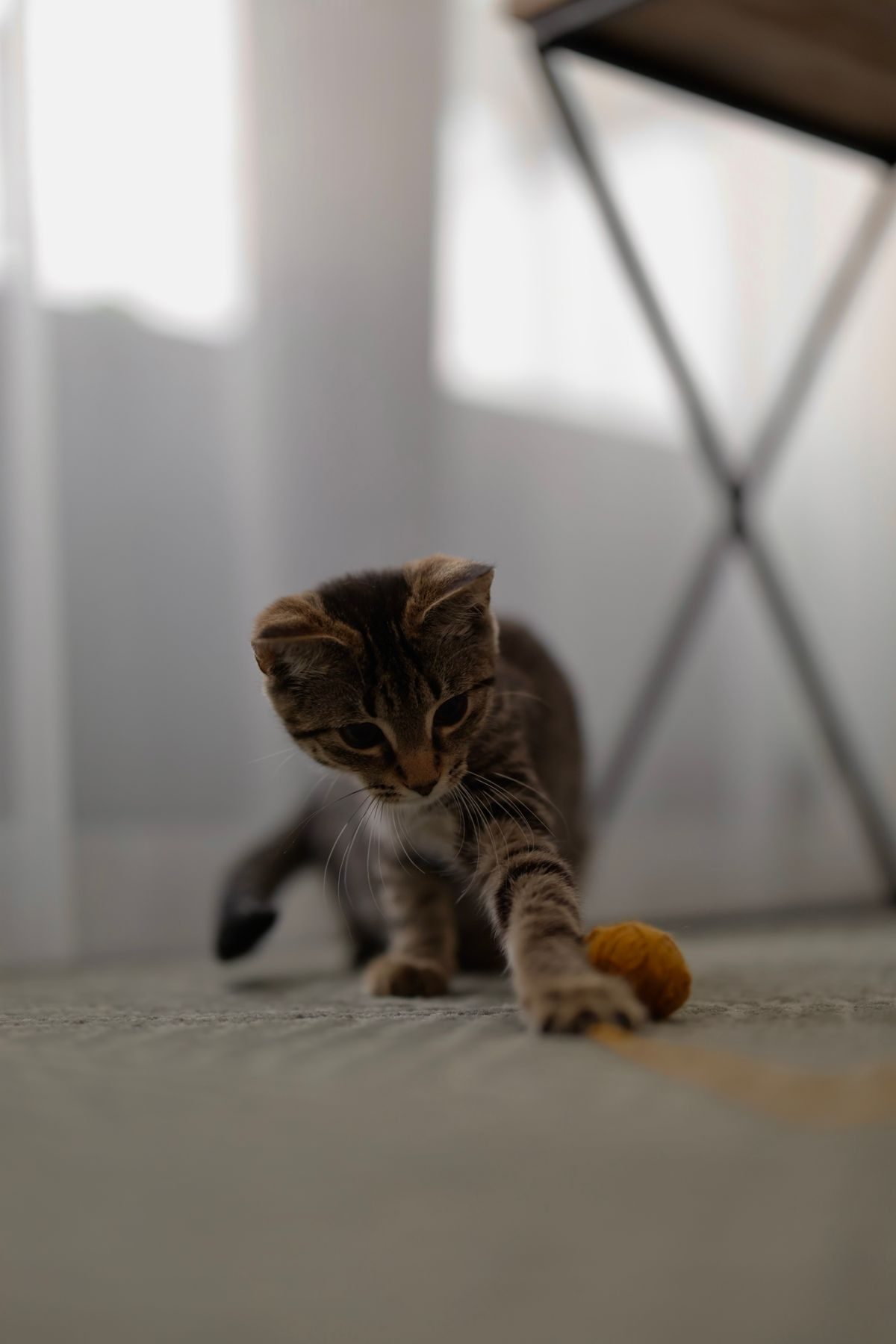
Five minutes is plenty. Start slow to warm interest, peak with two or three real chases, then let the cat 'win' and walk off. Ending on a win keeps them asking for more tomorrow. Miso, the kitten I foster, now brings the wand to the door when she wants a round.
If you want more ways to tire a cat without a marathon, our toy guides cover a few.
The wand also teaches you patience, which is half the point. A cat reads tension in your arm, so a rushed, jerky hand makes her suspicious. Slow your breath, slow the toy, and the hunt builds on its own. I tell clients to pretend the wand is a shy insect, not a party streamer.
If you share the home with a dog, keep the wand a cat only game. A dog pouncing the same toy trains the cat to avoid it, and the two games should not mix on the lounge room floor. Miso plays her wand alone, and that is her special time, which she guards now.
Wand toys are also a health check in disguise. A cat that suddenly ignores a game she loved may be sore, stressed or unwell. I mention a drop in play to owners as a signal worth noting, because cats hide illness well. The toy becomes an early warning system as much as a toy.
Store the wand where the cat cannot chew the string. Hung on a hook, out of reach, it lasts for months and stays safe. The toy is only as good as the hand on the stick and the cupboard it lives in.
If the wand still fails after you change the movement, look at the tip. A heavy feather on a stiff wire feels wrong to a cat, while a light fleece on a flexible line fools them completely. Swap the attachment before you swap the cat, because sometimes the toy is the problem and the hand was right all along.
Frequently Asked Questions
Why does my cat ignore the wand toy?
Almost always the movement, not the toy. A lazy circle over the head looks like nothing worth chasing. Try a low skitter, a freeze, then a dart behind furniture. Cats chase the story your hand tells, so vary speed and let them win the catch.
How long should a wand session be?
Around five minutes is ideal. Warm up slow, give two or three real chases, then let the cat make the catch and walk off. Ending on a win keeps them keen next time, and short sessions suit a cat's attention span better than a long one.
Should the cat always catch the toy?
Yes, most of the time. If you always snatch it away, the cat learns the hunt never pays off and loses interest. Let them land the pounce and 'kill' it, then end. The occasional miss is fine, but wins build the habit.
Can wand play tire a lazy cat?
It can, with the right rhythm. A few proper chases raise the heart rate more than twenty minutes of ignored dangling. Keep it interactive and end on a catch, and most cats will flop over content afterwards.
Is wand play safe for kittens?
Yes, it is one of the best games for them. Use a soft tip, keep it low to protect growing joints, and never force it. Short sessions suit their small size. Put the wand away after, because string and elastic are not safe to chew alone.
Looking for cat & dog toys?
We stock the gear covered in this guide, with Australia-wide shipping and Afterpay at checkout.
Shop Toys at Paws of Oz