Play for Older Pets: Keeping Joints and Minds Moving
Short answer: senior pets need play that is short, low impact and mentally engaging rather than physically hard. A few minutes of sniff work, a slow wand drag, or a puzzle feeder beats a frantic chase that leaves an older body sore the next day. As a vet nurse I see stiff joints and slower minds improve with gentle routine, but I am not diagnosing or treating, so your vet should sign off on what suits your pet's condition.
Why older pets still need enrichment
Brains age in pets much like they do in us, and a bored senior can withdraw or fret. Gentle play keeps them curious and gives structure to the day. The goal is not exercise records, it is a reason to get up and engage.
Always check with your vet before changing activity for a pet with arthritis, heart or mobility issues. This is support, not a treatment plan.
Gentle games for stiff bodies
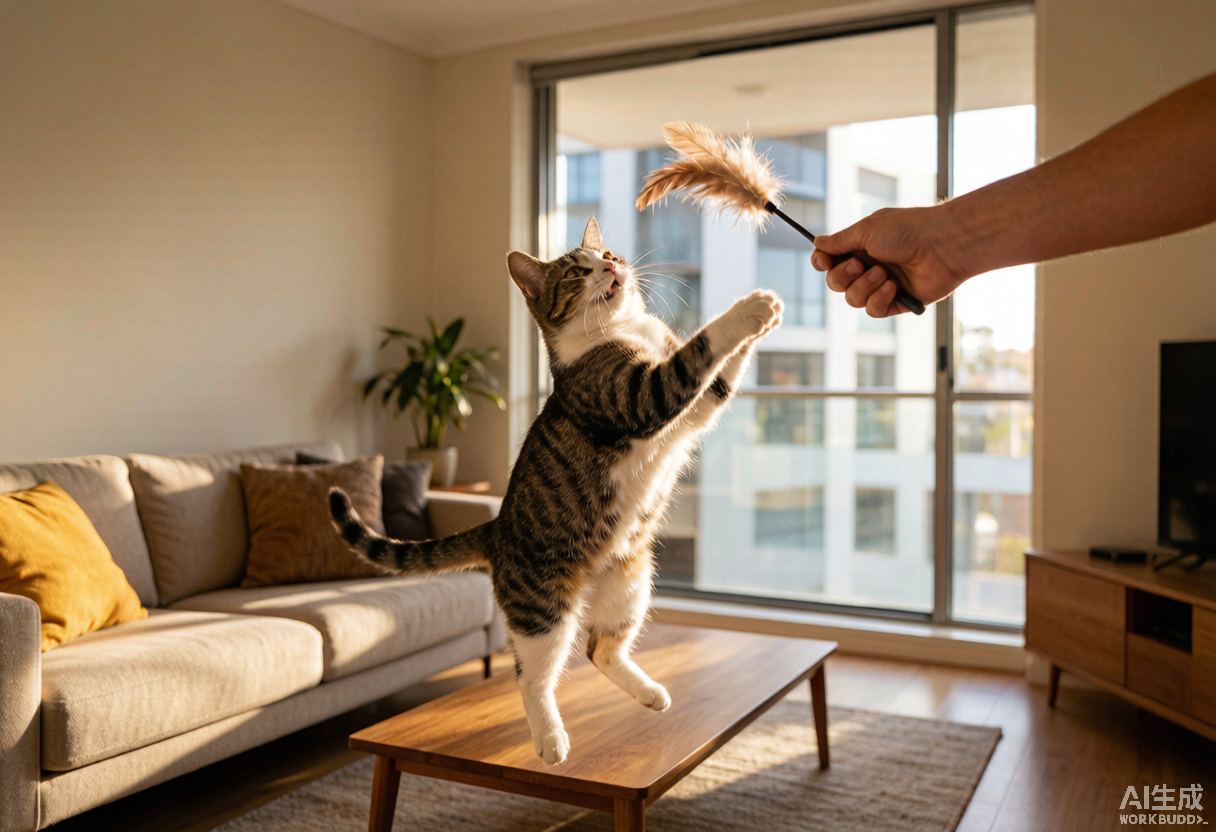
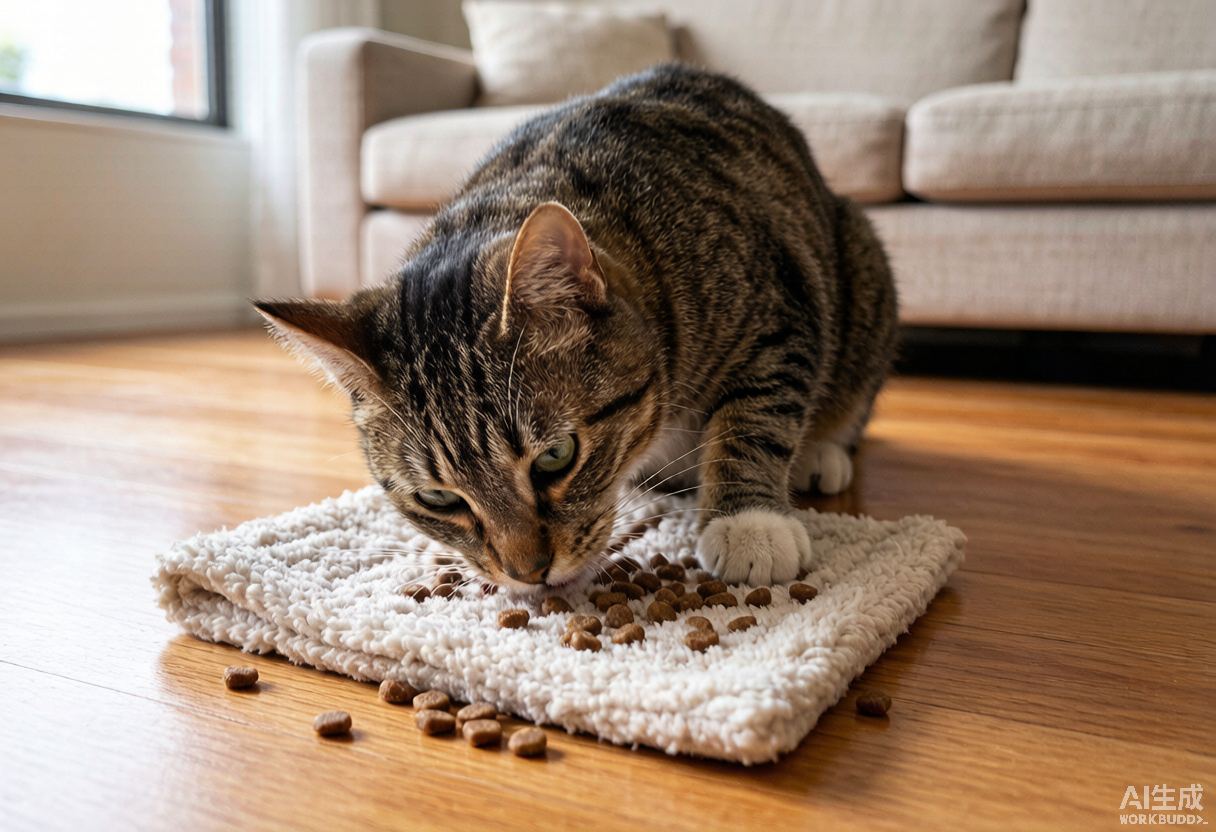
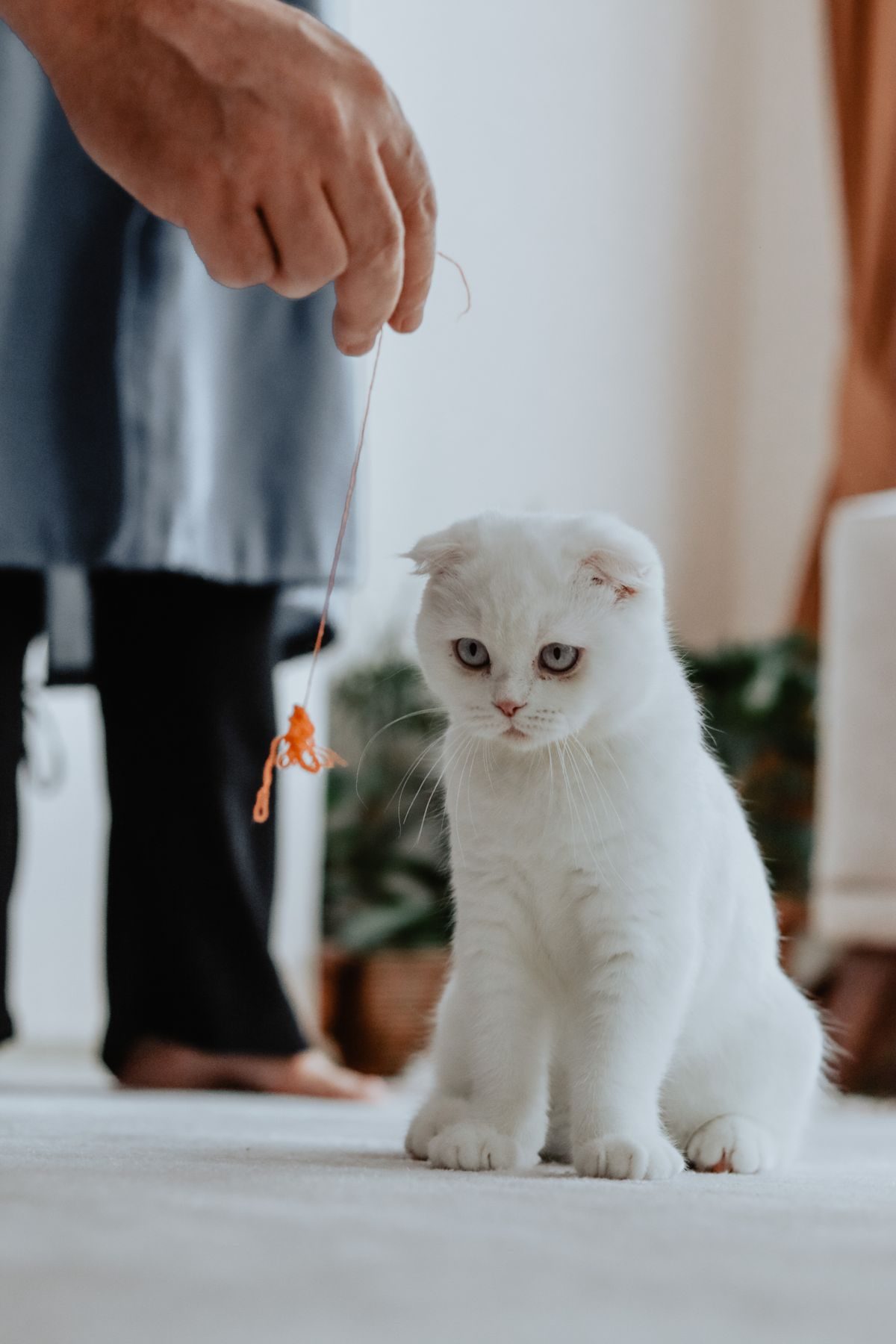
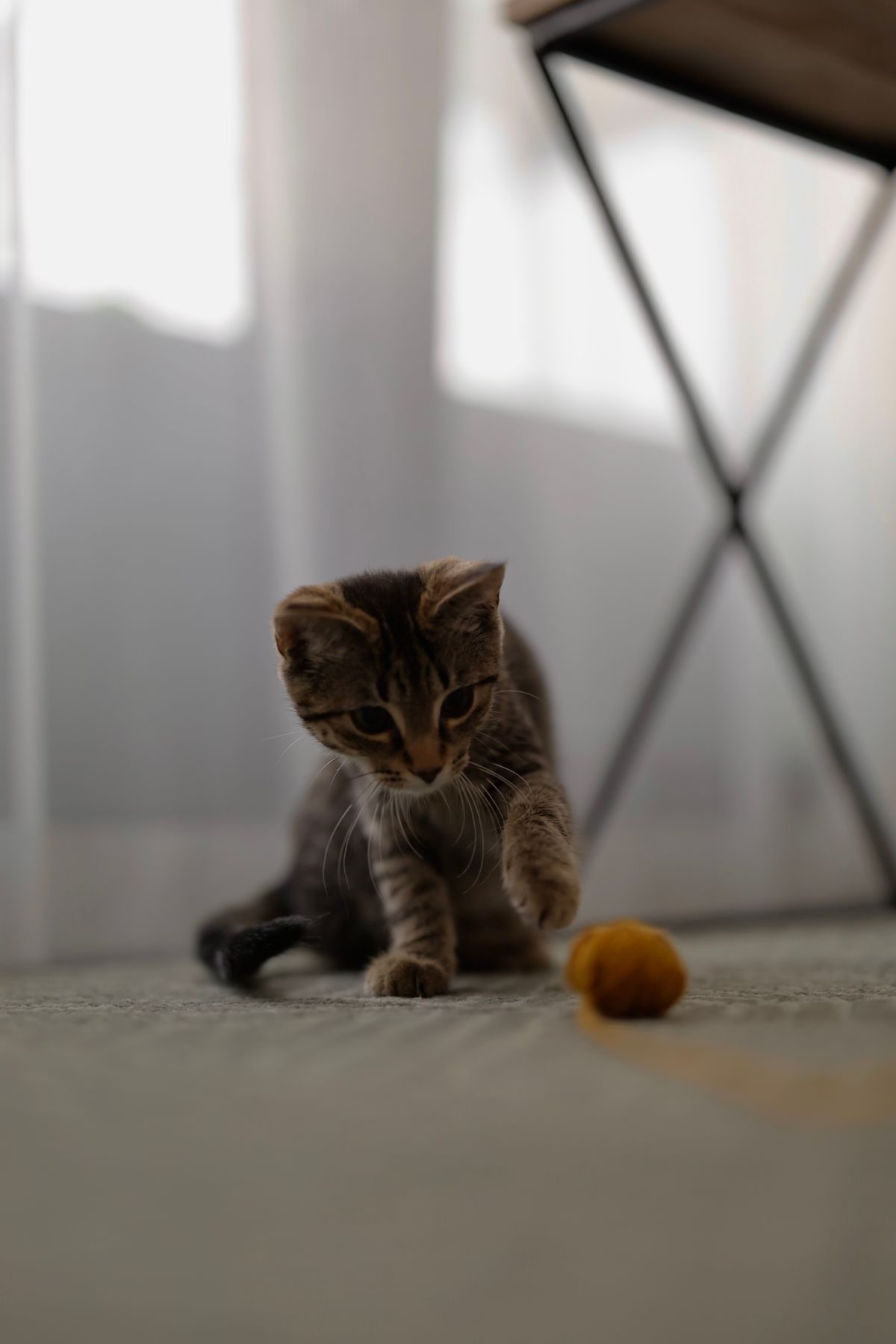
A snuffle mat turns dinner into a calm sniff hunt that works the brain without the joints. For cats, a wand trailed slowly along the floor lets them stalk at their own pace. Wally's older neighbours at the clinic do best with short, repeated sessions rather than one long one.
- Snuffle mats and scatter feeding for nose work.
- Slow floor level wand play for cats.
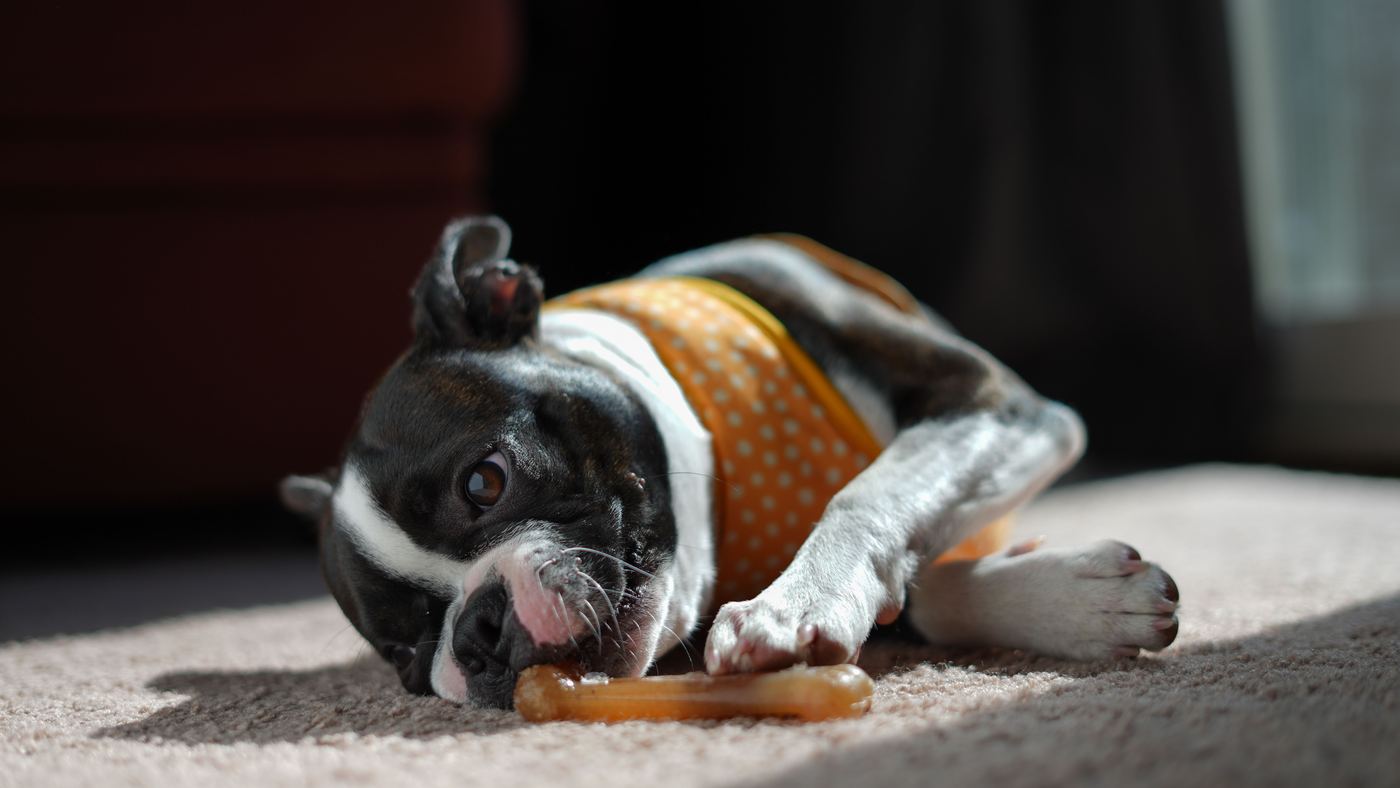
- Soft plush carry games instead of tug of war.
- Food puzzles that reward patience, not speed.
| Mobility | Game | Session |
|---|---|---|
| Stiff joints | Snuffle mat | 3 to 5 min |
| Slow cat | Floor wand | 5 min |
| Calm dog | Soft carry | 5 min |
| Cloudy mind | Food puzzle | Short, repeat |
| Fragile | Nose work | 2 to 3 min |
Reading the signs you have done enough
An older pet will tell you when to stop: a lie down mid game, heavy panting, or stiffness getting up afterwards. I treat those as the signal to finish, not push through. A good session leaves them content, not exhausted.
If soreness shows up the next day, shorten the play and mention it at the vet visit. Small adjustments keep them keen.
Making it part of the day
We build enrichment into meals and evening wind down so it never feels like a workout. Ten calm minutes beats a weekend blitz that aches for three days. Consistency is what helps an older mind stay bright.
For toy choices that suit senior play, browse our toy category for low impact options.
Routine is the quiet hero for senior play. A set time each day, say before the evening meal, tells an older body what is coming and removes the surprise that can spike anxiety. I have watched stiff dogs loosen up once the pattern is familiar, because the anticipation does half the work.
Owners worry they are being cruel by playing less with an ageing pet, but the opposite is true. A shorter, kinder session protects the joints and keeps the bond strong. The aim is a pet that finishes content, not one that limps to bed. If you are unsure where the line sits, your vet will help you draw it for your pet's condition.
Enrichment for the mind matters as much as the body. A food puzzle or a scent trail gives an older cat a reason to move without the impact of a leap. I have seen cloudy minds brighten with a daily five minute game, and the change is worth more than any supplement on the shelf.
Keep the sessions where the pet already is, on the lounge, by the bed, near the warm window. Dragging a stiff pet across the house for play adds friction they do not need. Meet them where they rest and the play comes easier.
The last thing worth saying is that senior play is a gift, not a chore. An older pet that still chases a wand drag or works a puzzle is telling you they feel alright, and that feedback is worth more than any questionnaire at the clinic. Keep it gentle, keep it short, and let the pet set the pace every single time.
Frequently Asked Questions
Is play safe for an arthritic dog?
Gentle, vet approved play is usually good for stiff joints, because movement keeps them mobile. Avoid jumping, sharp turns and long sessions. Your vet knows your dog's limits, so check with them before starting, and stop if soreness follows the next day.
How long should senior play last?
A few minutes, repeated through the day, works better than one long burst. Watch for lying down, panting or reluctance to continue, those are the stop signals. Quality and consistency matter more than clock time for an older pet.
Do old cats still want to play?
Most do, just differently. A slow wand drag or a treat hidden in a puzzle can re light the spark. If a cat who once played now ignores every toy, that change is worth raising with your vet rather than assuming it is only age.
What toy is calmest for seniors?
Snuffle mats, soft plush and floor level wand toys top the list. They reward sniffing and stalking without impact. Skip anything that demands jumping or fast chasing, and keep sessions short so the body stays comfortable.
When should I worry about less play?
A sudden drop in interest, especially with eating or litter changes, is a vet conversation, not a toy problem. Gradual slowing with age is normal, but a sharp change can signal pain or illness. A vet nurse flags it, your vet investigates it.
Looking for cat & dog toys?
We stock the gear covered in this guide, with Australia-wide shipping and Afterpay at checkout.
Shop Toys at Paws of Oz