The Fortnightly Toy Rotation That Finally Beat Boredom
Short answer: rotating toys every two weeks beats leaving them all out, because novelty is what drives play. When every toy is always on the floor, none feels special, and pets get bored. Pull most away, keep three or four out, then swap the set fortnightly and the old ones feel brand new. I use this with dog training clients and it fixes the 'he has hundreds of toys and plays with none' problem fast.
Why a full toy box backfires
Choice overload is real for pets. A dog surrounded by twenty toys often circles once and lies down, because nothing stands out. Limiting the visible set makes each toy matter, and the swap brings back the excitement of something fresh.
It also saves money. You buy less because what you own stays interesting longer.
Setting up the rotation
Split the keepers into three groups of three or four. Group A stays out, B and C go in a cupboard. Every fortnight, swap A for B, then B for C. The toy your pet forgot becomes the new favourite overnight.
- Three groups, three or four toys each.
- Swap on the same day each fortnight.
- Wash fabric toys between rounds.
- Keep one comfort toy out always for security.
| Week | Group out | Note |
|---|---|---|
| 1 to 2 | Group A | Baseline set |
| 3 to 4 | Group B | Swap day fixed |
| 5 to 6 | Group C | Wash between |
| 7 to 8 | Group A | Feels new again |
Matching the set to the pet
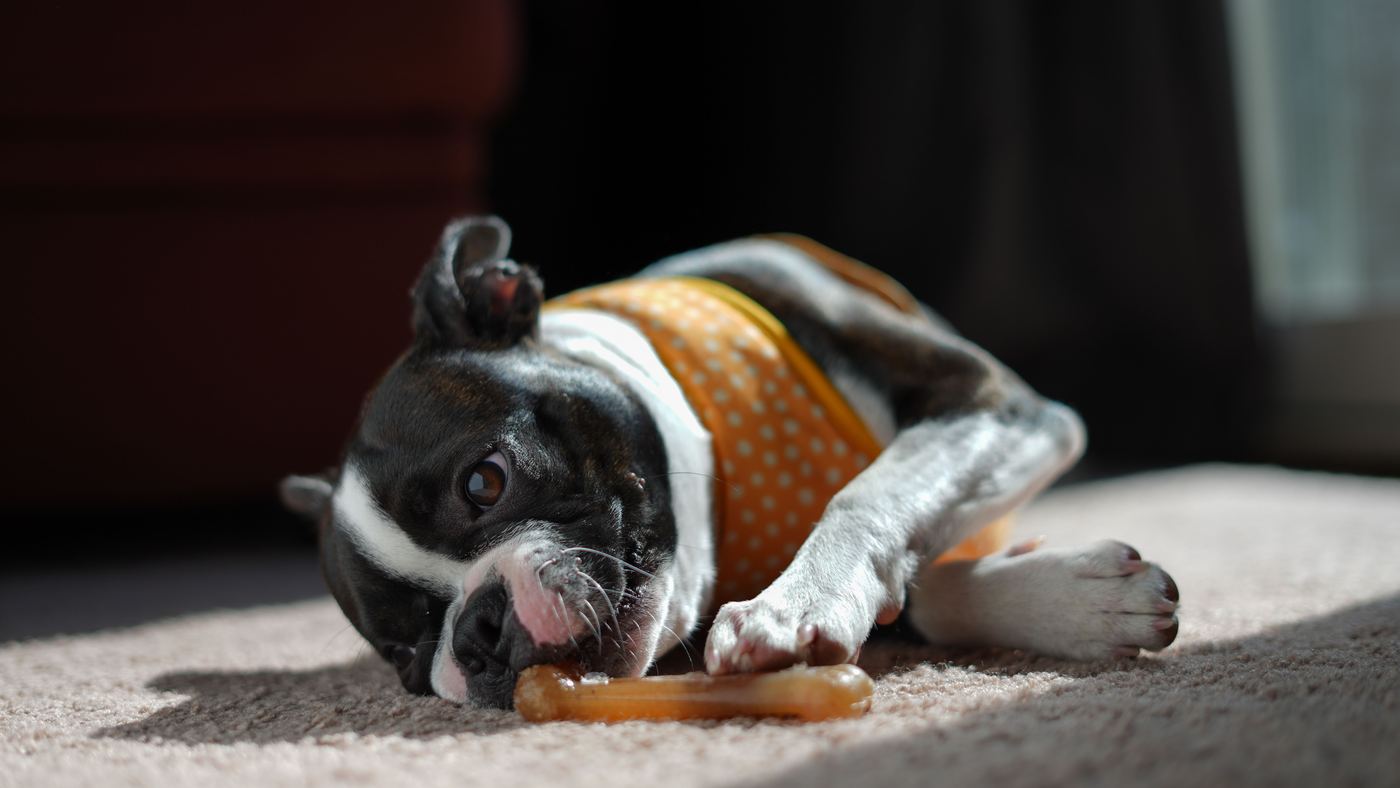
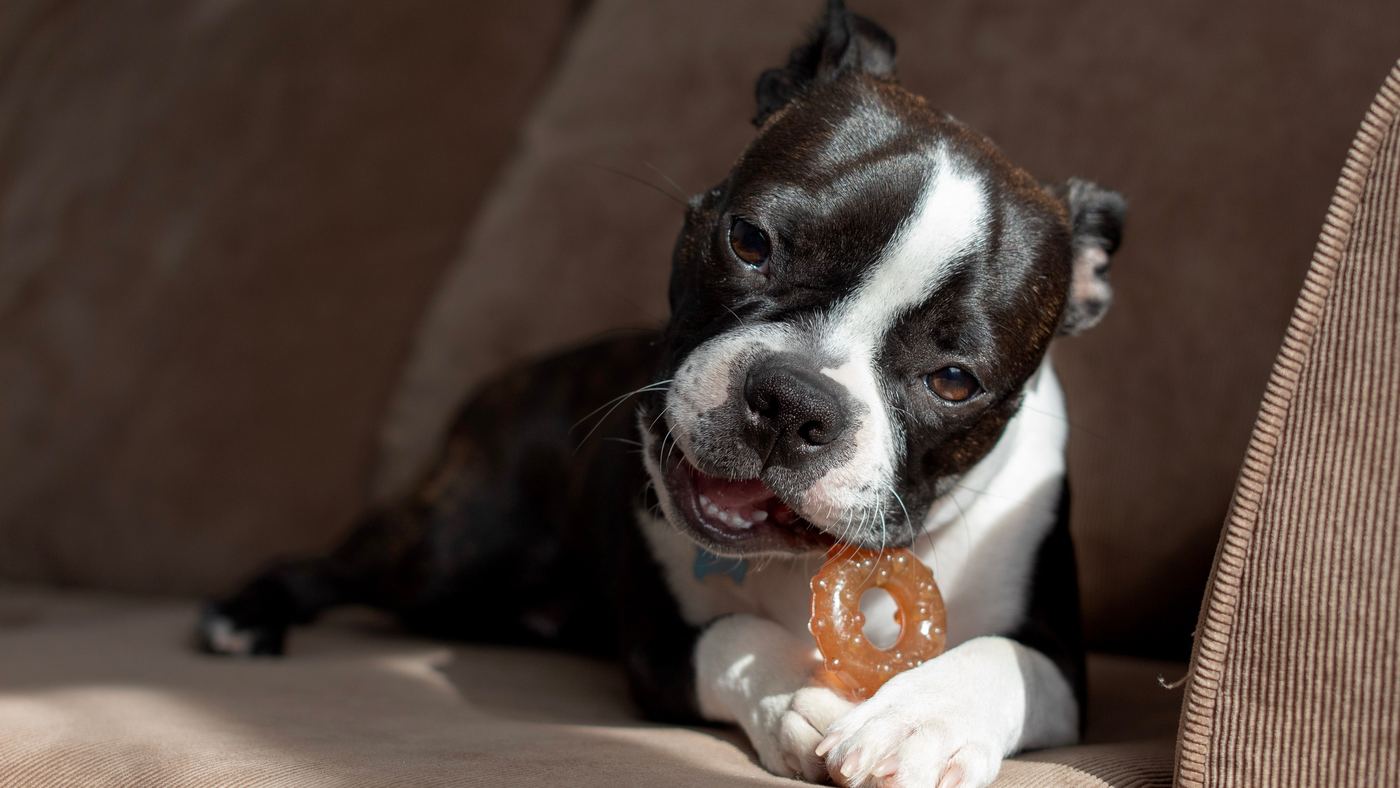
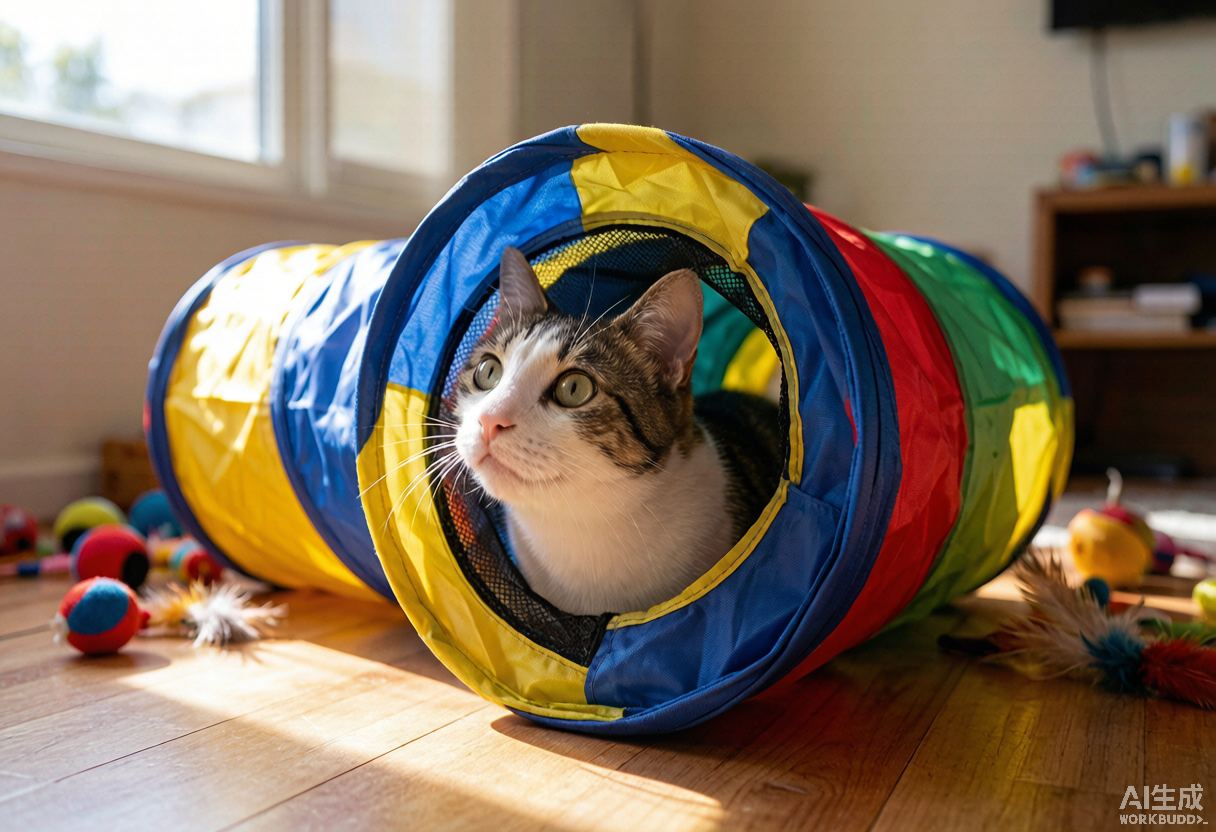
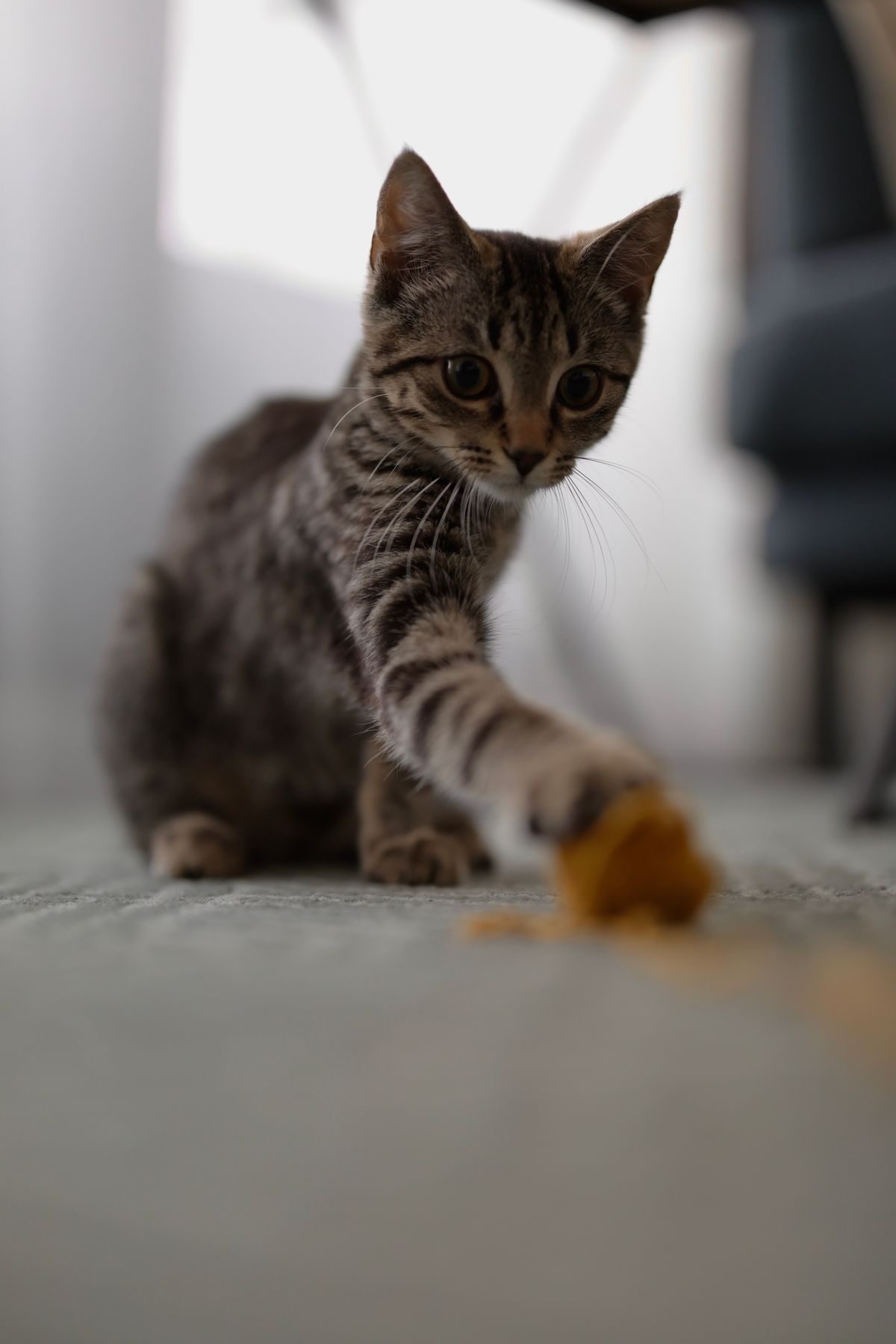
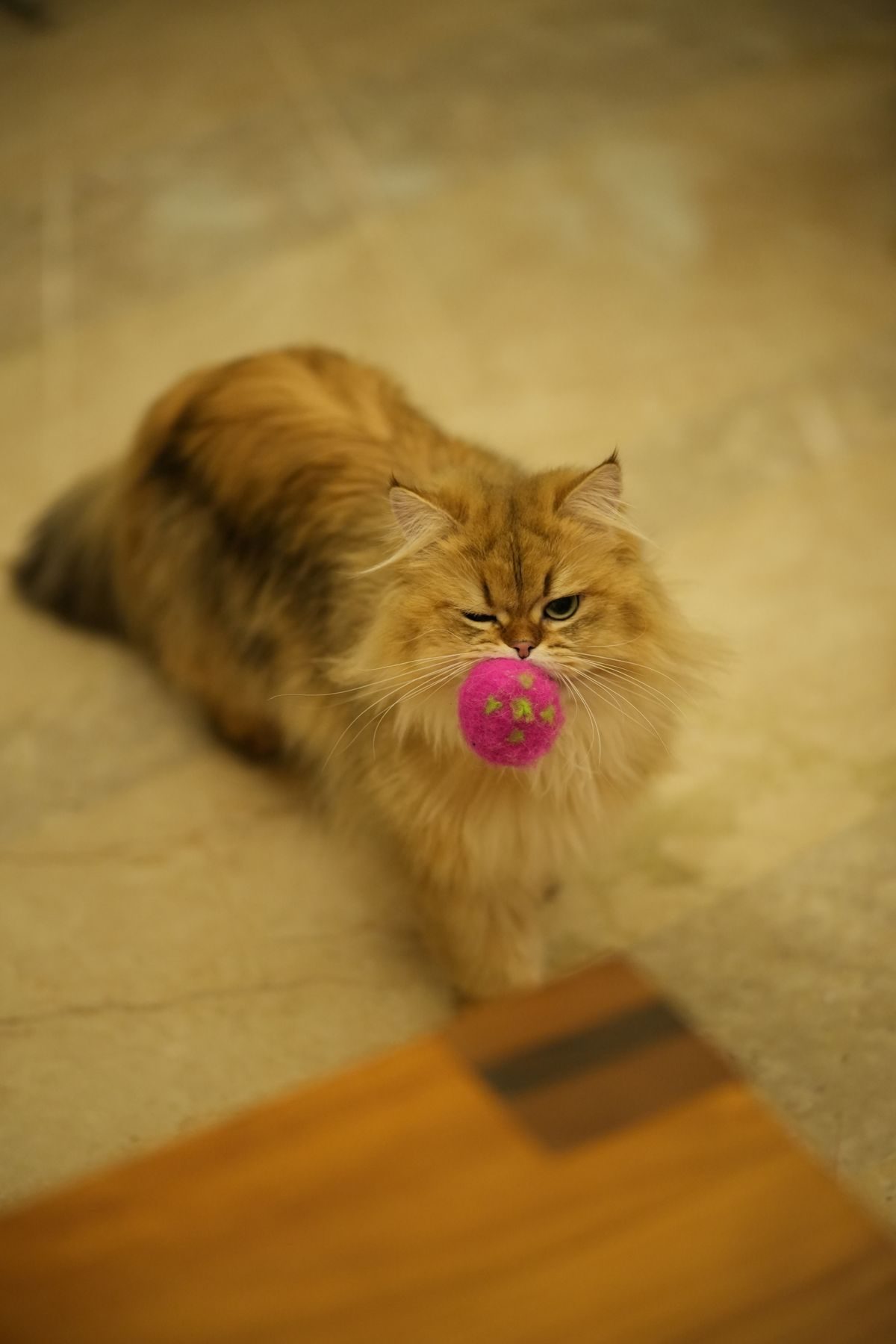
For a chewer, each group gets one tough toy plus a softer one. For a cat, a wand and a solo toy per round keeps both interactive and independent play covered. Wally, the Cavoodle I walk, gets a lick mat in every group because it is his calm anchor.
If a toy flops in all three rounds, it leaves the rotation for good. The audit and the rotation work hand in hand.
Timing the swaps to behaviour
Watch for the yawns and the ignored basket, that is your cue a swap is due. Most pets signal boredom about the fortnight mark, which is why two weeks suits them. Move the date if your pet drifts earlier.
You can pair rotation with the quiet toy choices we cover for apartment living.
A rotation also smooths the budget. Because toys feel new on return, you stop buying to chase interest and start buying to replace true wear. My clients who rotate tell me they halved their toy spend within two months, which pays for the cupboard space easily.
It works for multi pet homes too. Keep one group per pet if they play differently, then swap on the same day so the whole house gets a refresh together. Wally and Miso share the fortnight rhythm even if their toys differ, and the household feels livelier for it.
The only failure mode is forgetting the date. I set a phone reminder on swap day, and the five minutes it takes beats a month of boredom. If you miss it, swap as soon as you remember, the pets will not mind a day late.
Pair rotation with a quick wash and the toys come back cleaner than they left, which matters in summer when sand and salt ride in on paws. A tidy toy is a toy that gets used, not one that smells and gets ignored.
A nice side effect is that the cupboard becomes a toy library. Friends with pets borrow a group for a fortnight, we borrow theirs, and the pets get variety neither of us paid for. Rotating between households is the cheapest enrichment hack I know, and it keeps the swap interesting long after the novelty of your own shelf has worn off.
The other win is for the pet's waistline. A toy that feels new gets played with, and a pet that plays burns energy instead of grazing. Several of my clients noticed their dogs asked for fewer between meal snacks once the rotation kicked in, simply because the day had more to do. Enrichment and a healthy weight turn out to be the same habit.
Frequently Asked Questions
How often should I rotate pet toys?
Every two weeks suits most dogs and cats. That is roughly when interest in the current set fades. If your pet goes off the toys sooner, swap weekly. The point is novelty, so match the gap to when boredom actually shows up.
How many toys should stay out?
Three or four at a time is plenty. It keeps each one special without overloading the pet. Split the rest into groups and rotate them. A single comfort toy can stay out always so the pet never loses a security item.
Will rotation stop my dog chewing furniture?
It helps by keeping appropriate toys interesting, but chewing furniture usually needs training too. Make sure a rotation group always includes a legal chew, and redirect to it. Rotation reduces boredom chewing, it does not replace teaching what is yours.
Can cats share a rotation with the dog?
You can run one household rotation, but keep species needs in each group, a wand and a solo toy for the cat, a chew and a carry toy for the dog. Supervise shared items and retire anything small enough to swallow. Match the toy to the pet, not the schedule.
What if a toy never gets played with?
If it flops in all three rounds, let it go. Some shapes simply do not suit your pet, and that is fine. Donate intact ones and bin broken ones. The rotation quickly shows you the true favourites worth replacing.
Looking for cat & dog toys?
We stock the gear covered in this guide, with Australia-wide shipping and Afterpay at checkout.
Shop Toys at Paws of Oz