
Pet Carrier Backpack 101: A Total Beginner's Guide (Australia Edition)
Short answer: check the ventilation first, always, because mesh on several sides lets a pet breathe in our climate, where a sealed dome warms fast. You should look for a rigid base and an internal tether, then size it to the pet's stretched length so they can stand, turn and lie down flat. Two duds taught me the basics, and the realistic way locals get one is a fitting service at a store, not a star rating. Break the pet in over a week so the carrier means good things.
When I first typed "pet carrier backpack Australia" into a search bar, I was overwhelmed. There were bubble domes, mesh tents, rolling hybrids, and a hundred five-star reviews that all looked suspiciously identical. I had no idea what actually mattered. So I bought two duds before I figured out the basics, and I'm writing this so you don't have to repeat my expensive education.
This isn't a specs sheet. It's the stuff I wish a mate had sat me down and explained over a flat white — what to check before you spend a cent, how to get the size right, and the realistic ways Aussies actually get one in their hands.
Check the ventilation first, always
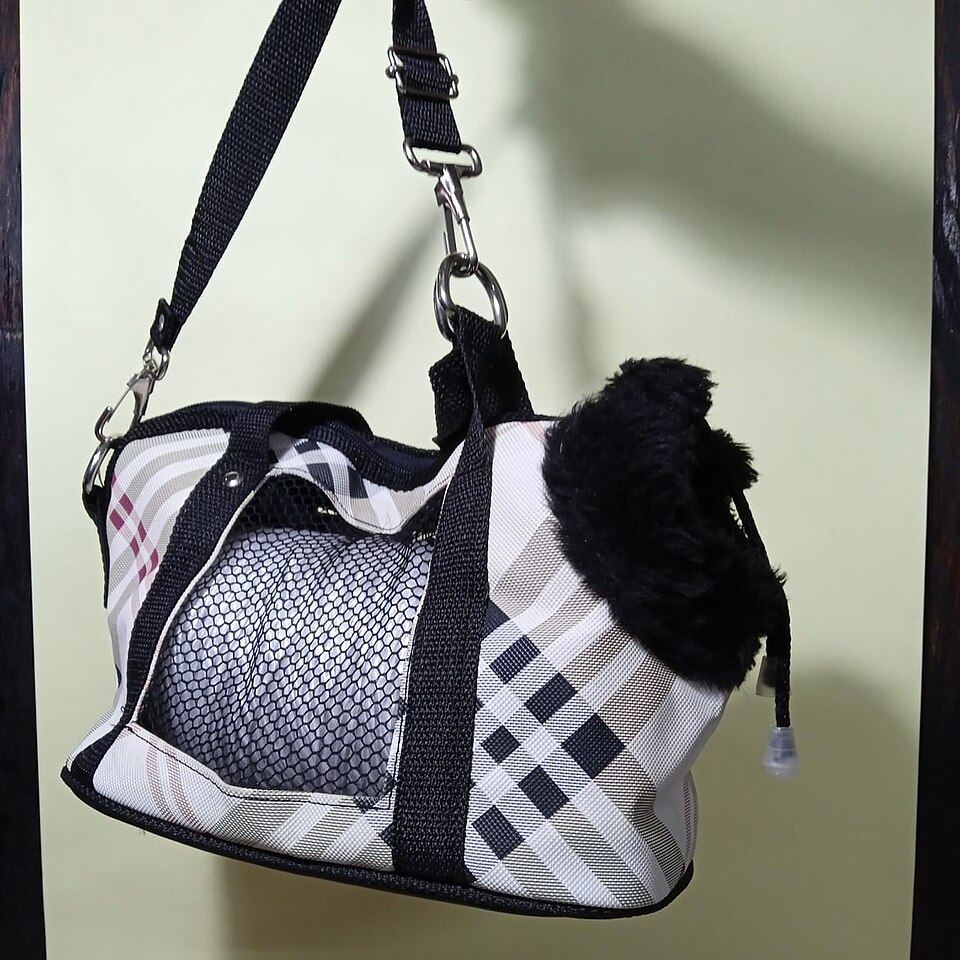
The single most important feature is airflow. A pet carrier backpack with mesh panels on multiple sides lets your pet breathe and regulate temperature, which in our climate is not optional. I learned this the hard way with a near-sealed dome that turned warm inside after twenty minutes in the sun. Look for mesh on at least three sides, plus a top opening. If a listing only shows one tiny window and a lot of solid fabric, keep scrolling.
Mesh also calms anxious animals. They can see out and feel the breeze, which reads as "I'm safe, I can monitor my surroundings" rather than "I'm trapped in a cave." For an Australian cat backpack carrier that buyers will actually use, ventilation beats cuteness every single time.
The rigid base and the internal tether
Two features separate a good pack from a regrettable one. First, a rigid base board. Without it, the bottom sags under your pet's weight and rubs your lower back raw on a long walk. My current favourite has a removable hard insert I can wipe down — genius. Second, an internal tether or clip. This is a short leash that attaches to your cat's harness so that if you open the top to check on them, they can't bolt. A dog backpack carrier Australia model I borrowed for a friend's pug had that same clip, and it saved us when a loud skateboard went past.
Don't skip the tether. It's the difference between a calm adjustment and a sprint scene from a comedy film.
How to size it properly
I covered this in my first post, but it bears repeating because it's the most common beginner error. Weight ratings are marketing. Measure your pet stretched out, head to tail base, and compare that to the internal floor length. Add a few centimetres. Your pet should be able to sit upright, turn around, and lie down flat. If you're between sizes, size up — a slightly roomy pack is annoying, a too-small one is cruel.
For reference, my 4.2kg cat needed a pack rated "up to 6kg" but with the floor length of a "up to 8kg" model. Trust dimensions, not numbers on a box.
Break your pet in slowly
A feature checklist won't help if your cat refuses to go near the thing. The mistake I made with my first pack was placing Mochi inside and zipping it in one motion — she associated the bag with being trapped and it took weeks to undo. The gentler method works far better. Leave the open pack on the floor for a few days with a treat inside, let them investigate on their terms, then do short closed sessions at home with the door open and you sitting right there. Only graduate to a real walk once they're hopping in voluntarily. A dog backpack carrier Australia owner I know did the same with his anxious cavoodle, using peanut butter smeared on the internal base, and within a week the dog was begging for rides.
Patience here pays off for years. A pet that trusts the pack is calm at the vet, calm on transport, and calm when you're delayed — exactly the outcome the whole purchase is meant to deliver. Rush it and you've bought an expensive closet decoration.
Where Aussies actually buy them
People ask me constantly about finding a pet carrier backpack near them in Australia instead of waiting on international shipping. Fair enough — a two-week wait is no good if your cat has a Thursday vet appointment. I've had luck at independent pet stores in the bigger suburbs, and some produce-and-rural chains stock one or two models seasonally. The advantage of buying local is you can feel the zippers and test the shoulder straps in person.
That said, the widest range is still online, and the best pet carrier backpack 2026 models I've tested this year tend to launch there first. My advice: read local owner reviews on Australian sites specifically, because a pack that's great in a cold European winter might cook your cat in a Brisbane February. Climate matters more than the star rating.
My beginner checklist
Before you hit checkout, run through this: three-plus mesh sides, rigid removable base, internal tether, correct floor dimensions for your pet, padded shoulder straps, and lockable zips. If a pack ticks all six, it's a keeper. If it misses two or more, walk away no matter how adorable the bubble looks.
I spent about four months and two returns getting here. You can get it right on try one if you just slow down and check the six things above.
— From one recovering impulse-buyer to another. May your zippers hold and your cat forgive the first awkward walk.
- Check for three or more mesh sides for airflow.
- Insist on a rigid, removable base you can wipe down.
- Make sure it has an internal tether to stop a bolt.
- Confirm correct floor dimensions for your pet.
- Look for padded straps and lockable zips before buying.
Frequently Asked Questions
What should a first-time buyer check before purchasing?
Start with three-plus mesh sides, a rigid removable base, an internal tether, correct floor dimensions, padded straps, and lockable zips. If a pack misses two or more of those, walk away regardless of how cute the bubble looks.
How do I size a backpack for my pet?
Measure your pet stretched out from nose to tail base and compare that to the internal floor length, then add a few centimetres. Trust the dimensions over the weight rating, and size up if you're between sizes.
Where can I buy a pet carrier backpack in Australia?
Independent pet stores in larger suburbs and some produce-and-rural chains stock a model or two, and you can feel the zips in person. Online offers the widest range, but read Australian owner reviews since climate performance matters more than a star rating.
Why is ventilation more important than looks?
Mesh on multiple sides lets your pet breathe and self-regulate temperature, which is non-negotiable in our climate. A sealed dome can turn warm fast in the sun, so airflow beats cuteness every time.
How do I introduce the backpack without stressing my pet?
Leave the open pack on the floor with a treat inside, let them explore, then do short closed sessions at home before any real walk. Build up over a week so the bag means good things rather than being trapped.
Size & Fit Reference
| Size | Pet weight | Internal dimensions (L×W×H) | Best for |
|---|---|---|---|
| S | up to 5 kg | 30 × 28 × 42 cm | Cats, toy breeds, kittens |
| M | 5–7 kg | 33 × 30 × 45 cm | Average cat, small dog |
| L | 7–10 kg | 36 × 32 × 48 cm | Large cat, small–medium dog |
Looking for pet carriers & backpacks?
We stock the gear covered in this guide, with Australia-wide shipping and Afterpay at checkout.
Popular in this range: cartoon carrier tote
Shop Carriers at Paws of Oz