My Back Thanked Me: Padded Straps & a Rigid Base Changed Everything
Short answer: a cheap backpack wrecked my shoulders until padded straps and a rigid base fixed it, because carrying seven-kilo Mochi in thin webbing bit like wire after twenty minutes. The truth is the adjustable chest and waist buckle locked the load to my hips, and that is what made a long walk feel normal instead of painful. Tighten the waist first, then the chest, then the straps, and re-check after ten minutes as the padding settles. Blame the bag when your back hurts.
The cheap backpack that wrecked my shoulders
My first cat backpack was a bargain, and it showed. After twenty minutes of walking with Mochi inside, the thin straps bit into my shoulders like wire, and by the time we got home I'd be rubbing knots for the rest of the evening. I blamed myself, honestly. I'm not unfit, but I figured carrying a seven-kilo cat just hurt, end of story. It took a friend watching me unpack to say the obvious thing: "mate, those straps are doing nothing for you." That's when I went looking for a proper padded shoulder strap pet backpack, and the difference was immediate and a little embarrassing. Good padding spreads the load instead of pinching it into two angry lines.
Why a rigid base pet carrier matters more than you'd think
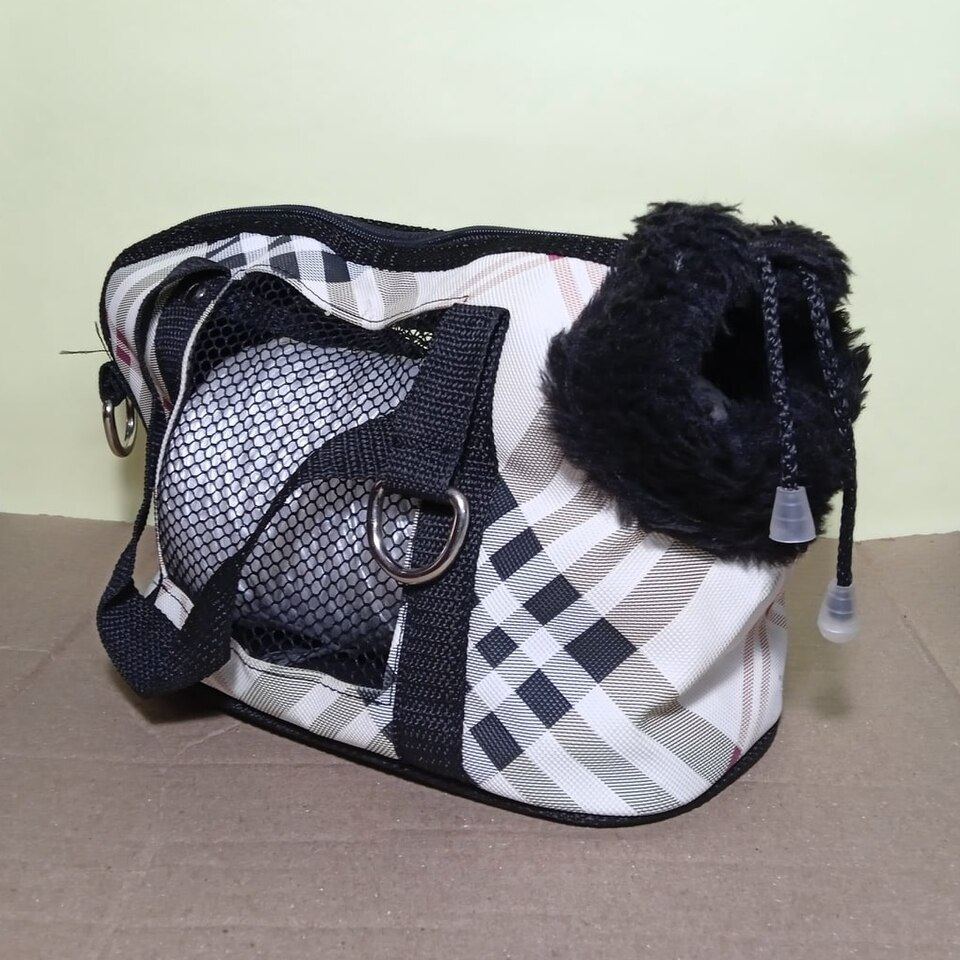
The second revelation was the floor. My old bag had a floppy bottom, so Mochi's weight pooled in the small of my back and the whole thing sagged outward like a tired shopping bag. Switching to a rigid base pet carrier fixed a problem I didn't know had a name. A firm base keeps the load close to my spine instead of swinging away from it, which is the difference between "I'm carrying a cat" and "something is trying to pull me backwards." Mochi also seems happier, because she's not sliding into a hammock shape every time I move. A stable floor means a stable cat, and a stable cat means a calmer walk for both of us.
The adjustable chest waist buckle pet bag that locked it in
Here's the part I underestimated completely: the harness system. A good adjustable chest waist buckle pet bag lets you clip a strap across your chest and another around your waist, and suddenly the backpack stops bouncing with every step. Before, going downhill meant the bag slamming into my lower back; going uphill it slid toward my neck. With the chest and waist buckles done up and adjusted to my frame, the carrier became part of me rather than a thing I was hauling. I can now take both hands out to open a gate or tie a shoe without the bag swinging into mischief. That freedom is the whole point of a hands-free design, and the buckles are what deliver it.
- Clip a strap across the chest and another around the waist.
- Buckles done up stop the bag bouncing with every step.
- The carrier becomes part of you instead of something hauled.
- Hands-free means you can open a gate without the bag swinging.

What a comfortable pet backpack for long walk actually feels like
I tested the new setup on a two-hour loop I used to dread, and the word that kept hitting me was "bearable," then eventually "fine," then, weirdly, "nice." A comfortable pet backpack for long walk use isn't magic; it's just engineering doing its job. The weight sat high and centred, my shoulders didn't scream, and Mochi dozed against my back the whole way. I came home without the usual ache and actually wanted to go again the next day. For anyone doing real distance with a pet, comfort isn't a luxury feature you add later. It's the reason you'll still be walking together in a year instead of letting the bag collect dust in the closet.
Small adjustments that added up
A few things I picked up after the gear did its part. I tighten the waist buckle first, then the chest, then the shoulder straps, because that order seats the load correctly. I keep the sternum strap just below my collarbone, not at my throat, or it chafes on long hauls. I also re-check the adjustments after the first ten minutes, because the bag settles as the padding compresses. None of this is complicated, but it's the difference between gear that works in a product photo and gear that works at kilometre eight when you're tired and the cat is restless. The bag can only do so much; the fit is on you.
Breaking in the gear, and my expectations
One thing I'll add so nobody repeats my impatience: even good gear needs a break-in. The first long walk with the new backpack still left me a little sore, and I almost wrote it off as hype. But the padding and my own muscles both needed a few outings to settle. I started with forty-minute loops, watched where the pressure sat, and nudged the buckles until it felt right. By the fourth walk it was second nature. The lesson is that comfort is partly the product and partly the habit of wearing it correctly, and you don't get either on day one. Give the bag a week of honest use before you judge it, because the difference between ache and ease is often just familiarity plus a small adjustment you hadn't tried yet.
If your back hurts, blame the bag, not yourself
I spent too long thinking I just wasn't tough enough for cat hiking, and the truth was my gear was working against me. Padded straps, a rigid base, and proper chest and waist buckles turned an ordeal into a routine. If you're shopping, skip the prettiest print and check those three things first, because they're the only ones your spine will actually notice. My back genuinely thanked me the first week, and Mochi got a calmer, steadier companion out of the deal. We both win, and the walks got longer because of it.
Stretching easy these days, from me and a very spoiled Mochi.
Frequently Asked Questions
Why do padded straps matter so much?
Thin straps concentrate the load into two angry lines that bite your shoulders. Proper padding spreads the weight across a wider area, which is the difference between a sore walk and a pleasant one, especially past the twenty-minute mark.
How does a rigid base help on long walks?
A firm floor keeps the load close to your spine instead of sagging outward like a shopping bag. That stops the bag pulling you backwards, keeps your cat from sliding into a hammock shape, and makes for a steadier, calmer walk.
What do the chest and waist buckles do?
They clip across your chest and around your waist so the pack stops bouncing with every step. Done up and adjusted, the carrier becomes part of you rather than something you haul, and your hands stay free without the bag swinging.
How should I fit the backpack correctly?
Tighten the waist buckle first, then the chest, then the shoulder straps, and keep the sternum strap below your collarbone so it doesn't chafe. Re-check the fit after the first ten minutes, because the padding settles as you walk.
How long does it take to break in the gear?
Even good gear needs a few outings. Start with short loops, watch where the pressure sits, and nudge the buckles until it feels right. By the fourth walk it should be second nature, so give it a week before you judge it.
Size & Fit Reference
| Size | Pet weight | Internal dimensions (L×W×H) | Best for |
|---|---|---|---|
| S | up to 5 kg | 30 × 28 × 42 cm | Cats, toy breeds, kittens |
| M | 5–7 kg | 33 × 30 × 45 cm | Average cat, small dog |
| L | 7–10 kg | 36 × 32 × 48 cm | Large cat, small–medium dog |
Looking for pet carriers & backpacks?
We stock the gear covered in this guide, with Australia-wide shipping and Afterpay at checkout.
Popular in this range: cartoon carrier tote
Shop Carriers at Paws of Oz