Soft-Sided, Foldable & Lightweight: My Everyday Pet Backpack Setup
Short answer: the bag I reach for every day is soft-sided, foldable and light, because Mochi now rides to the vet and the shops and carrying her feels like a normal bag. In short, a foldable shell that hangs open on the line to air out beats a rigid plastic crate that ate my hallway, and the EVA frame keeps its shape without the weight. My everyday contents are a travel bowl, a water pouch and a home-smelling tea towel, so errands stopped feeling like an expedition.
People assume a pet backpack is for big adventures, but the truth in my house is that it gets used for the boring stuff. Grabbing milk. Dropping by the vet for flea treatment. Sitting on a bus because the car is in the shop. My cat Mochi comes with me more than she used to, and the reason is simple: my setup is soft, foldable, and light enough that carrying her feels like carrying a normal bag.
I want to talk through exactly what I keep in the bag and why the materials matter, because "lightweight" on a listing is easy to claim and harder to feel in your shoulders after twenty minutes.
Why soft-sided won over hard plastic
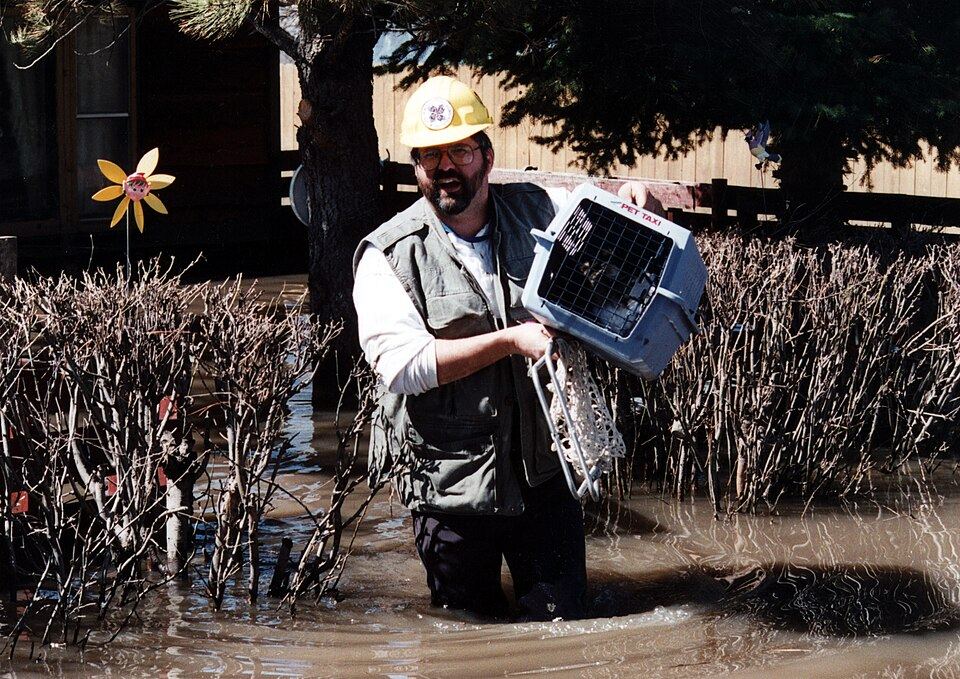
The first carrier I owned was a rigid plastic box with a wire door. It held its shape, sure, but it was a nightmare on public transport. It clipped knees, it wouldn't flex when I squeezed past a pram, and Mochi hated the echo of her own claws on the floor. A soft-sided pet carrier Australia buyers like me look for fixes all of that. The walls give a little. It hugs my back instead of jabbing into strangers.

For an Australian context, soft sides also handle our weather better. On a warm day the fabric breathes more than moulded plastic, and I can throw a cooling mat inside without fighting the shape of the shell. Mochi notices. She settles faster when the walls aren't a hot, hard box.
The foldable trick that saves my hallway
Here is the part I didn't expect to love: it folds. A folding pet carrier backpack means that on the days Mochi stays home, the whole thing collapses flat and slides behind a door. Compare that to the plastic monster that squatted in my hallway for two years like a neglected piece of furniture.
I keep a foldable cat carrier bag version specifically for the car, because when it's empty it tucks behind the seat and I'm not tripping over it. The fold isn't instant, you sort of smooth the sides in and zip the base, but it takes maybe twenty seconds and there is real satisfaction in watching a cat-sized object become a flat parcel.
Lightweight is a daily-errand game changer
Mochi is four kilos. The bag itself is light enough that the combined load sits around five kilos on my back, which is nothing on a short walk but adds up when you are also holding coffee and a reusable bag of groceries. A lightweight pet backpack keeps the whole errand from turning into a workout. The straps are padded and the weight sits high and close, so I'm not hunched.
The material that makes this possible is EVA foam in the base and frame. It's the same stuff in good running shoes, light but structured, so the bag keeps a shape without the weight of hard plastic. That's the quiet hero of the everyday setup: structure without heft.
My actual everyday contents
Let me be specific about what lives in the bag so it's ready to grab:
A folded paper towel and a small ziplock, because cats are cats. A lightweight travel bowl that clips to the side. One of those flat water pouches. A worn-out tea towel that smells like home, which Mochi uses as a security blanket. And a few treats in a tiny container. None of it is heavy, and because the bag is a space-saving pet carrier, there is still room for her to turn around even with all of that stowed in the outer pocket.
I have a routine now. Bag by the door, Mochi inside, keys in the side pocket. We do the errand. We come home. She hops out, I fold the bag, done.
- A folded paper towel and a small ziplock for accidents.
- A lightweight travel bowl that clips to the side.
- One of those flat water pouches for the trip.
- A worn tea towel that smells like home for comfort.
- A few treats in a tiny container, always ready.

Keeping it clean between trips
A soft bag lives close to your pet, so it picks up fur and the occasional accidents. I shake it out after every outing and run the removable pad through the wash. The fabric itself wipes down with a damp cloth and a tiny bit of pet-safe spray, and because it is foldable I can pop it open on the line to air out rather than stuffing a damp box in a cupboard. That habit has kept it smelling fresh for months, which matters more than you'd think when the bag lives by your front door.
Sizing it right for your cat
The mistake I see friends make is buying for cuteness and ignoring the floor length. Mochi is small, but I still measured her stretched out before choosing, then added a little for a turned head. A lightweight pet backpack is only comfortable if she can shift weight, and a bag too short forces her to curl for the whole trip. Check the internal dimensions against your actual cat, not the model photo, and remember the foldable design means you are not stuck with a giant object if you sized up a notch.
What I'd tell a friend shopping
If you only do vet trips twice a year, a hard box is fine. But if your pet is coming along for real life, soft, foldable, and light is the combo that makes "should I bring her?" become "of course I'll bring her." The EVA frame keeps it from being flimsy, the fold keeps your home uncluttered, and the weight keeps your back happy. That is my whole setup, and it turned Mochi from a stay-at-home cat into my small, opinionated travel companion.
Frequently Asked Questions
Why choose soft-sided over hard plastic?
Soft walls flex past prams and strangers on public transport, breathe better in our heat, and let you add a cooling mat without fighting a moulded shell. Most cats also settle faster when the sides aren't a hot, hard box.
How does the foldable design help at home?
On the days your pet stays home, the whole thing collapses flat and slides behind a door or under a seat. That beats a rigid plastic box squatting in your hallway for years on end.
What makes a lightweight pack comfortable day to day?
An EVA foam frame gives structure without the weight of hard plastic, padded straps keep the load high and close, and the combined bag-plus-cat load stays light enough for errands plus groceries and coffee.
What do you keep packed in the bag?
A paper towel and ziplock, a clip-on travel bowl, a flat water pouch, a home-smelling tea towel as a comfort item, and a few treats. The outer pocket still leaves room for the cat to turn around.
How do I clean a soft backpack between trips?
Shake it out after every outing, wash the removable pad, and wipe the fabric with a damp cloth and pet-safe spray. Because it folds, you can hang it open on the line to air out rather than trapping dampness in a cupboard.
Size & Fit Reference
| Size | Pet weight | Internal dimensions (L×W×H) | Best for |
|---|---|---|---|
| S | up to 5 kg | 30 × 28 × 42 cm | Cats, toy breeds, kittens |
| M | 5–7 kg | 33 × 30 × 45 cm | Average cat, small dog |
| L | 7–10 kg | 36 × 32 × 48 cm | Large cat, small–medium dog |
Looking for pet carriers & backpacks?
We stock the gear covered in this guide, with Australia-wide shipping and Afterpay at checkout.
Popular in this range: cartoon carrier tote
Shop Carriers at Paws of Oz