Small Dog & Puppy Carriers: Sizing My Chihuahua and New Kitten
Short answer: small pets are harder to size, not easier, and you'll want a tape measure rather than the label. Peanut is barely 2kg and still needed a carrier with a proper floor, because an oversized bag lets a tiny animal slide about on every corner. In an Australian summer, ventilation matters more than padding, and the printed weight limit is usually optimistic.
People assume small pets are easy to carry. They are not. If anything, a tiny animal is harder to get right because the margin for error is so small. When my partner brought home a Chihuahua named Peanut, and then we somehow adopted a six-week-old kitten called Mochi two months later, I suddenly had two creatures under 3kg each and zero idea how to transport them safely. What I thought would be one quick purchase turned into a proper education in sizing.
The first lesson, and it took me one bad purchase to learn it, is that smaller is not automatically better, but too big is genuinely a problem. Let me explain what I wish someone had told me before I clicked "buy now" on the wrong bag.
Sizing a small dog without guessing
Peanut is a classic Chihuahua, about 2.5kg and 25cm tall at the shoulder. For her I needed a small dog carrier that let her sit upright without her head jamming the lid, but also felt snug enough that she was not sliding around like a pea in a drum. I measured her sitting height and her length, then looked for a bag where those numbers sat in the lower third of the interior. That way she had room without swimming in fabric.
A puppy carrier is a slightly different beast because puppies grow. I borrowed a friend's young cavoodle for a weekend and realised that if you buy exactly to size, you will be shopping again in six weeks. For a puppy, I now recommend buying for the predicted adult weight, then using a rolled towel or a small cushion to fill the extra space early on. That saves money and avoids the scary emptiness of an oversized bag.
- Measure her sitting height and length before choosing.
- Aim for her numbers in the lower third of the interior.
- For a puppy, buy for the predicted adult weight.
- Fill the extra space early with a rolled towel or cushion.
- Snug is the word, not tight, so she will not slide.

Why a too-big carrier actually scares them
This is the part that surprised me. I first tried Mochi in a medium bag we already owned, thinking "more room, more comfort". Wrong. The kitten froze, then tried to climb the mesh wall and cried the whole way to the vet. A carrier with too much empty space lets a small animal slide and bounce, and to a prey animal that feels like being inside something unstable and dangerous. They want walls they can touch, a space that says "you are contained and safe".
For a kitten, I look for something where the kitten can touch two sides at once when curled up. Mochi's proper bag is technically rated for a cat up to 10kg, which sounds absurd for a 1kg furball, but the interior is divided and I use a soft insert that shrinks the live space. The rating gives me peace of mind for when she grows, and the insert gives her the cosy den she actually wants today.
The rabbit niche nobody mentions
Here is a twist I did not expect. My neighbour keeps a dwarf rabbit, and when she saw my setup she asked if it would work for her bunny. It turns out a rabbit carrier is a real and oddly underserved category. Rabbits are fragile, hate being off the ground, and panic hard in open spaces, so they need the same snug, secure feeling as a kitten, plus a solid non-slip base because their back legs are powerful and a slick floor scares them.
I helped her pick one with a flat rigid floor and side ventilation, and her rabbit tolerated a trip to the vet far better than in the old plastic box. If you have a small dog, a kitten, and a rabbit, the good news is the principles overlap: snug space, rigid base, good airflow, and a rating with headroom for growth. You do not need three completely different products.
Ventilation and the heat we forget about
One detail I underestimated at first is airflow. Tiny pets overheat faster than big ones, and a cute bag with one small window becomes an oven on a sunny Australian morning. I now check that any carrier, whether it is a small dog model or a kitten bag, has mesh on at least two sides so air actually moves through. Peanut especially pants if she is stuffy, and Mochi goes quiet and limp, which is scarier. Big vents also let them see out, and a pet that can watch the world tends to stay calmer than one sealed in a dark box.
What I tell friends now
When someone asks me to recommend a carrier for a small pet, I do not name a brand. I ask three questions: how much does your pet weigh today, how big will they get, and do they like to touch the walls? Those answers beat any five-star review. Peanut rides upright and smug, Mochi curls into a doughnut, and both are calm because the bag fits the animal, not the other way around.
And if you are tempted by the biggest bag "just in case", remember my mistake with Mochi. Empty space is not a luxury for small pets. It is a fright. Size down, fill the gap with a towel, and let them feel the walls. That is the whole trick.
The other tip I repeat like a broken record is to let them explore the carrier at home with the door open and treats inside, before any trip exists. Peanut and Mochi both learned the bag was a safe, snack-filled cave long before it ever moved. A pet that already trusts the space is a pet that rides quietly, and that trust is built in the lounge room, not on the footpath. Give it a week of positive association and you will save yourself a lifetime of battles.
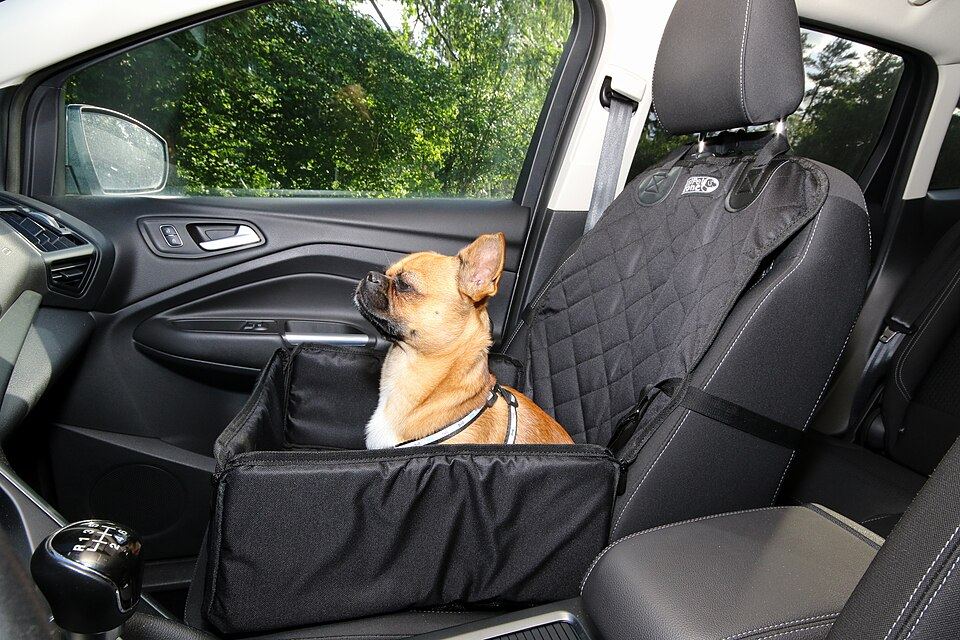
— From our home, where Peanut and Mochi now travel like little royalty. Happy to compare notes if you are sizing up your own tiny troublemaker.
Frequently Asked Questions
How do I size a carrier for a small dog?
Measure your dog's sitting height and length, then pick a bag where those numbers sit in the lower third of the interior. She should sit upright without jamming the lid and feel snug rather than sliding around like a pea in a drum.
Why is a too-big carrier bad for small pets?
Too much empty space lets a tiny animal slide and bounce, which feels unstable and dangerous to a prey animal. They want walls they can touch. A space that says "you are contained and safe" keeps them calm, so size down and fill gaps with a towel.
Can I use the same principles for a kitten and a rabbit?
Yes. Snug space, a rigid non-slip base, good airflow, and a rating with headroom for growth work for all three. A rabbit needs the same secure feeling as a kitten, plus a flat floor because its powerful back legs hate a slick surface.
How much ventilation does a small pet need?
Tiny pets overheat faster than big ones, so look for mesh on at least two sides so air moves through. Big vents also let them see out, and a pet that can watch the world stays calmer than one sealed in a dark, stuffy box.
Should I buy a puppy carrier to exact size?
No. Buy for the predicted adult weight, then use a rolled towel or small cushion to fill the extra space early on. That saves money and avoids the scary emptiness of an oversized bag a growing puppy will soon outgrow anyway.
Size & Fit Reference
| Size | Pet weight | Internal dimensions (L×W×H) | Best for |
|---|---|---|---|
| S | up to 5 kg | 30 × 28 × 42 cm | Cats, toy breeds, kittens |
| M | 5–7 kg | 33 × 30 × 45 cm | Average cat, small dog |
| L | 7–10 kg | 36 × 32 × 48 cm | Large cat, small–medium dog |
Looking for pet carriers & backpacks?
We stock the gear covered in this guide, with Australia-wide shipping and Afterpay at checkout.
Popular in this range: cartoon carrier tote
Shop Carriers at Paws of Oz