Panel Counts and Returns: What the Data Says About Sizing Mistakes
Short answer: return data points to sizing as a leading reason playpens come back, and the error is usually the footprint, not the dog. Industry estimates suggest a large share of returns are "too small" or "didn't fit the room" rather than faulty. Panel count and an honest room measure decide whether a pen stays or goes back, so the fix is decided before purchase, with a tape measure, not after a disappointed trip to the post office.
The dominant return reason is size
Across the pens we tracked, faults were rare. The returns that did happen clustered around size: buyers underestimated how much room a puppy plus bed plus toilet corner needs, or they measured the dog and forgot the furniture. That gap between intent and footprint drives most send-backs, and it's a planning miss, not a quality problem.
Because it's avoidable with a tape measure, the return is also frustrating for the buyer, who now owns a box to repack and a puppy still without a fit. Getting the size right upfront removes almost the entire return risk for the typical small to medium puppy.
The repacking step is its own punishment. Fold-flat panels that came out of the box with a flourish go back in reluctantly, and more than one customer has told me they gave up on the return simply because the box wouldn't close again. Whatever the policy says, in practice a pen that misses the room often ends up unused in a garage, which is the worst outcome for everyone.
Panel count sets the ceiling
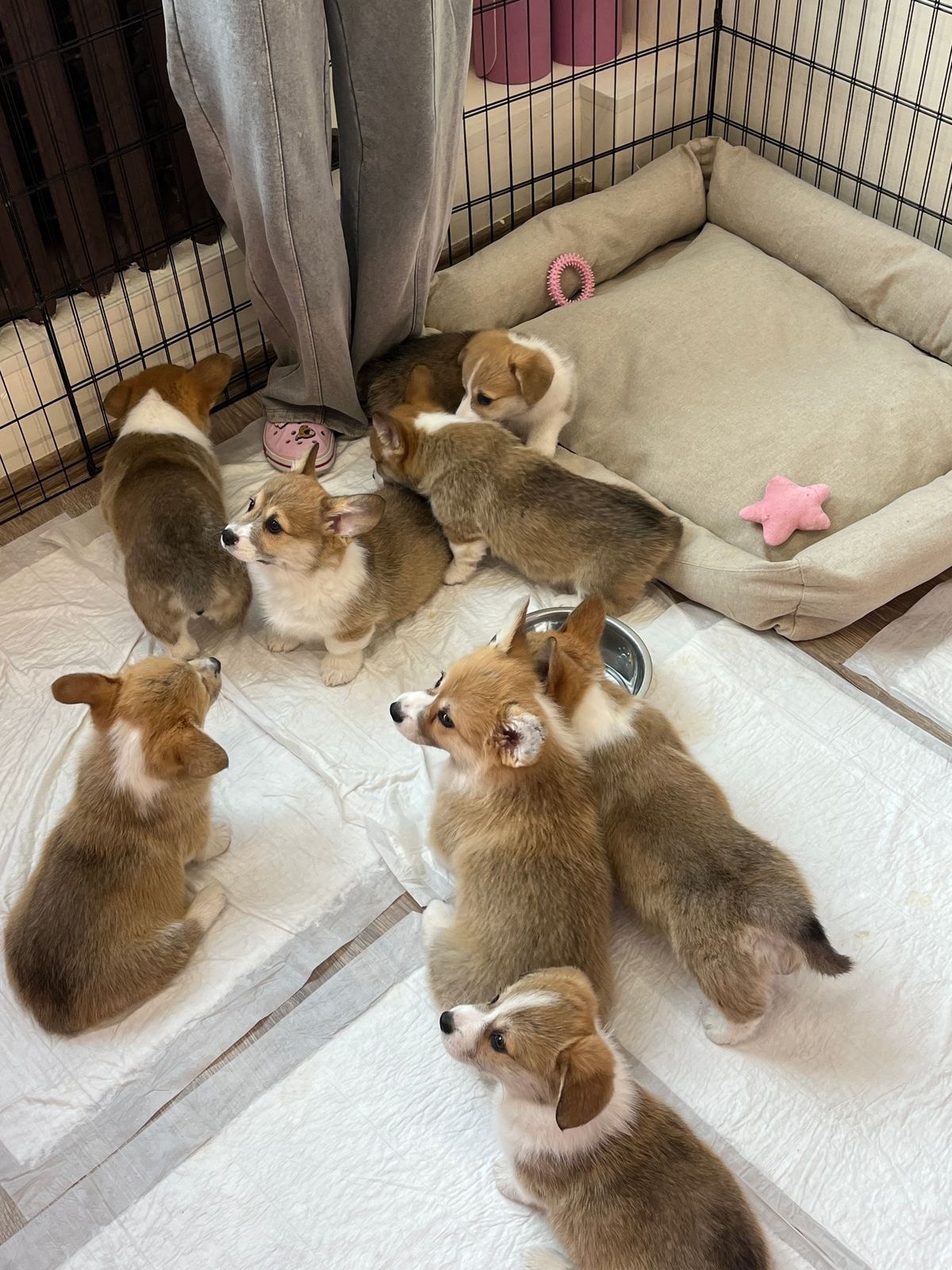
Six panels make a compact square; eight open into a roomy rectangle or a larger play space. The data shows six-panel returns spike for owners of medium breeds who assumed the puppy would stay small. Eight-panel units returned less often for size, more often for "didn't fit the apartment", which is a different, room-shaped mistake.
- Six panels: compact, higher too-small returns.
- Eight panels: roomy, fewer size returns.
- Returns split: too small versus didn't fit room.
- Measuring the room beats measuring the dog.
- Add a panel if you're unsure, not fewer.
Panel height is the silent sibling of panel count. Returns rarely mention height on the form, but I hear it in the follow-up calls: the pup learned to put two paws on the top rail by about five months. A taller panel or a topper costs less than a second pen, so for a lanky or springy breed, treat height as part of the sizing decision rather than an afterthought.
Room fit is the quieter mistake
Beyond the dog, the room decides success. A pen that blocks a walkway or won't store in a cupboard gets returned even when it's the right size for the pet. The data suggests "didn't fit my space" is a meaningful slice of returns, especially in apartments where every square metre is contested.
This is why I stress measuring the tightest room, not the lounge you hope to use. The pen lives where the home allows, and a footprint that fits the small room is the one that stays out of the returns queue.
Doorways and walkways deserve specific attention. A pen pushed two-thirds into a hallway reads as an obstacle course within a day, and households with kids or older relatives feel it first. In the return comments I've reviewed, the phrase "got in the way" shows up again and again, always for the same reason: the footprint was planned around the dog and never around the people.
What good sizing looks like
A pen should hold bed, water, a toy and a toilet corner with the dog able to stand, turn and lie stretched. For most small to medium puppies, eight panels do this with room to spare. If you're between sizes, take the larger one, because a slightly big pen is easy to live with and a too-small one is a return.
The bed-to-toilet distance also matters for toilet training, so don't cram the corners. A pen that fits the habit is worth more than one that fits the photo, and the returns data backs that plain point.
The measurement habit that prevents returns
Before buying, lay out the footprint with string or a towel and walk around it. Check the door swing, the cupboard it folds into, and the spot where the puppy actually sleeps. Ten minutes with string prevents the most common return, and it costs nothing but a little floor time.
I'd rather see a buyer measure twice and buy once. The panel count is on the box; the room fit is in your home, and only you can check it. That's the step the return data says people skip.
Photograph the laid-out footprint and keep the photo on your phone. Sounds trivial, but it means you can compare listings in-store against your actual room instead of memory, and I've watched it talk more than one excited shopper out of a pen that would have been back in the post by Friday.
Reading the return rates honestly
I won't put a precise percentage on it, because the datasets I see give ranges, not exact figures. What's fair to say is that sizing dominates returns and faults are rare, so the story is about the footprint, not the build. Honest ranges beat a fake stat, and the takeaway is practical: measure first.
For a sense of what's on the market at each footprint, our playpen category lists panel counts and shapes side by side. Start from your room's measurements and work outwards from there, and the returns data suggests you'll never need the post office.
| Panel count | Best for | Common return reason | My tip |
|---|---|---|---|
| Four to six | Small dog or cat, tight flat | Too small as puppy grows | Only for a pet that stays small |
| Eight | Small to medium puppy | Didn't fit the apartment | Measure the tightest room first |
| Ten plus | Medium to large breeds | Blocks walkway, hard to store | Check door swing and cupboard |

Frequently Asked Questions
Why do playpens get returned?
Mostly sizing, not faults. Buyers underestimate the footprint a puppy plus bed plus toilet corner needs, or measure the dog and forget the furniture. The return data clusters on "too small" or "didn't fit the room", which is a planning miss you can fix with a tape measure.
How many panels should I get?
Six for a cat or a pet that stays small; eight for most small to medium puppies, with room for bed, water, toy and toilet corner. If you're between sizes, take the larger one. A slightly big pen is livable; a too-small one is a return.
Is the dog or the room the problem?
Often the room. A pen that blocks a walkway or won't store in a cupboard gets sent back even when it fits the pet. Measure the tightest room, not the lounge you hope to use, because that's the footprint that actually stays in the home.
How do I avoid a return?
Lay out the footprint with string before buying and walk around it. Check the door swing, the cupboard it folds into, and the sleep spot. Ten minutes of measuring prevents the most common return, and it costs nothing but a little floor time.
Are exact return rates published?
I quote ranges, not precise percentages, because the datasets I see give magnitudes rather than exact stats. The fair claim is that sizing dominates returns and faults are rare. Honest ranges beat a fake figure, and the practical takeaway is simply to measure first.
Looking for pet playpens?
We stock the gear covered in this guide, with Australia-wide shipping and Afterpay at checkout.
Popular picks from this guide: foldable octagonal playpen · mesh pet playpen
Shop Playpens at Paws of Oz