Why My Fosters Chew Playpens, and the Setups That Survived Forty Animals
Chewing a playpen is not bad manners. It is information. Across forty-odd fosters I have hosted everything from a six-month cattle dog who treated panel clips as a puzzle to a cavoodle who only chewed when the school bus went past at ten to four. A pen that gets chewed is telling you one of three things: the animal's chew need is not being met anywhere else, the panels taste like victory, or the animal cannot handle the visibility. This article is the inventory of what survived my loungeroom and what didn't, so you can skip a few funerals.
The panel league table, from forty animals
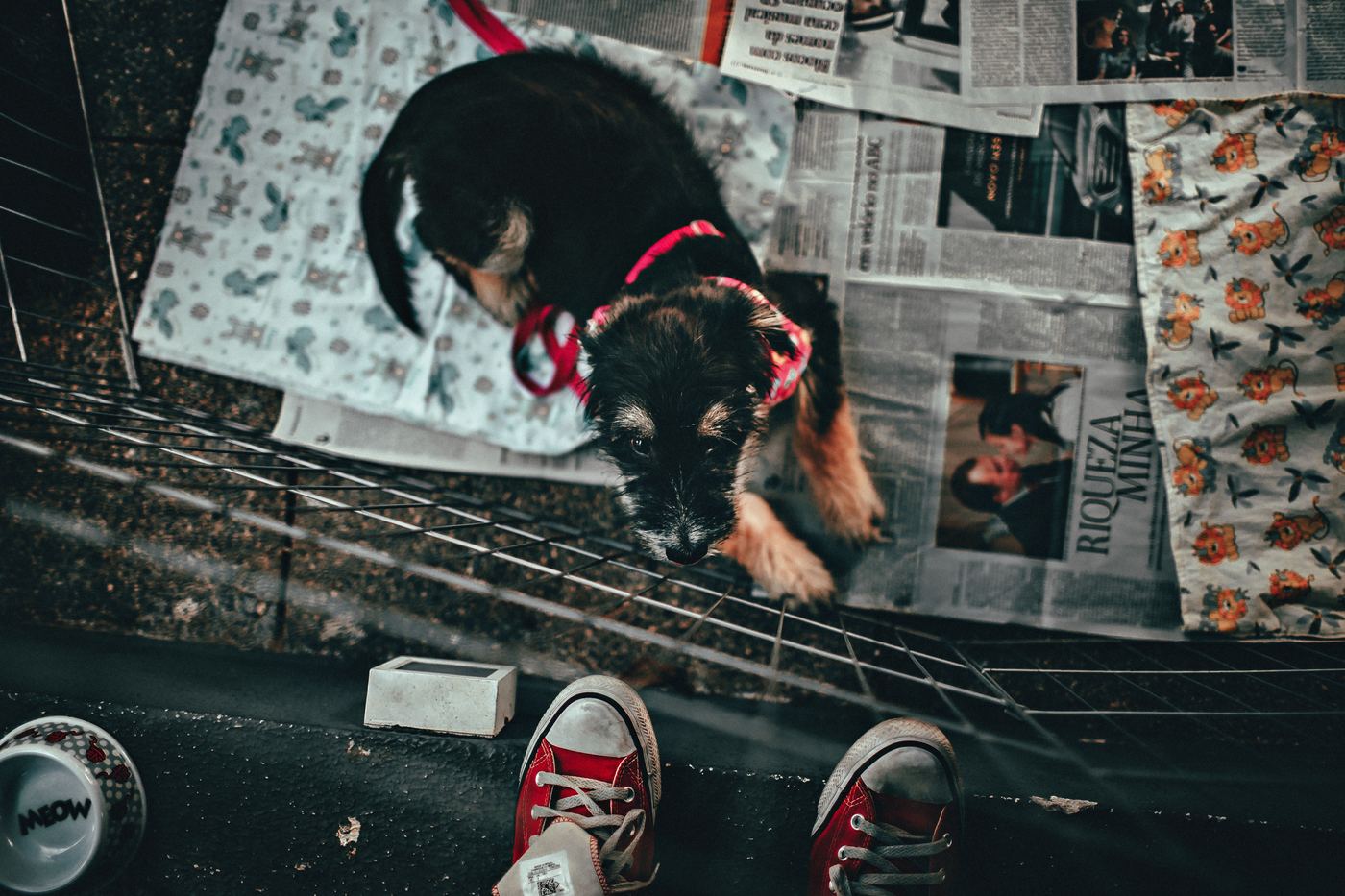
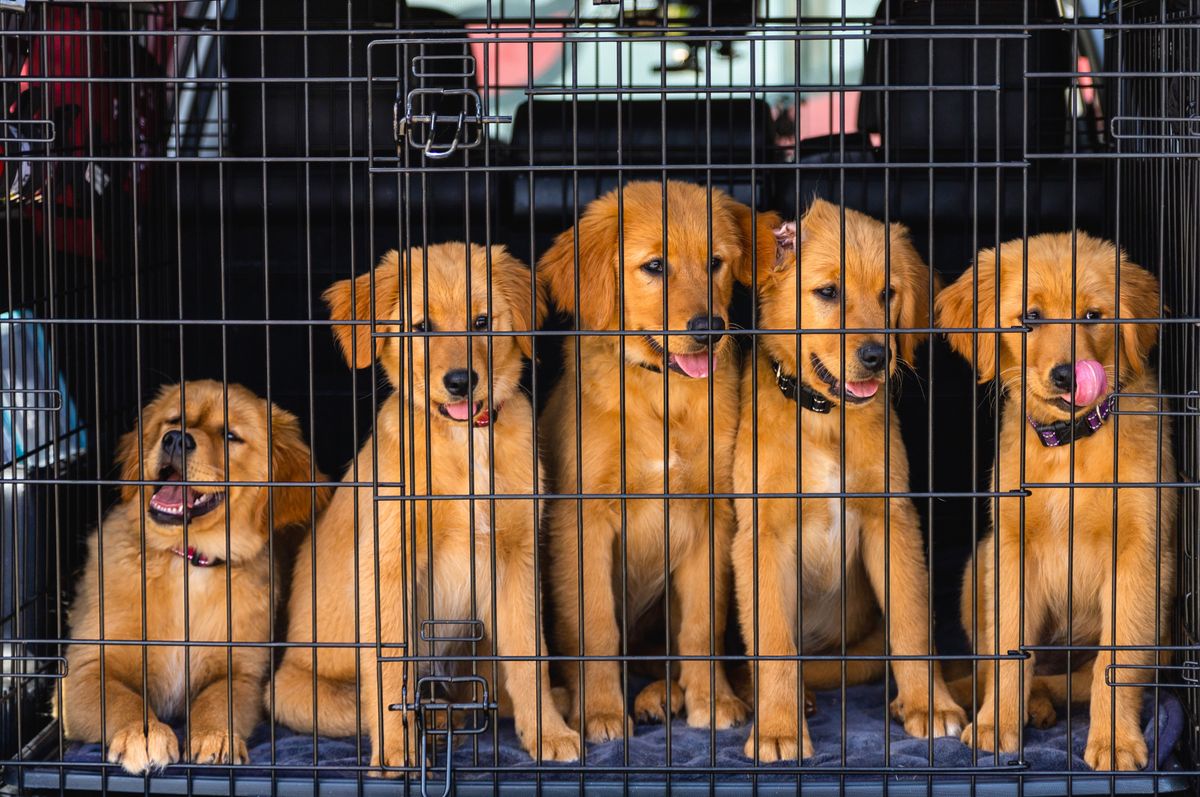
Plastic panel pens are the entry point and the first casualty. A determined adolescent dog pops the connector clips with a few good yanks, and a chewer finds the ribbed plastic deeply satisfying, which ends with ingestion risks on top of the escape. Fabric and mesh pens fare worse still against chewers; the mesh is a texture dogs adore, and one hole becomes a zip in seconds. Metal tube pens with coated wire are where my money lives: the coating survives most mouths, the panels do not fold like plastic, and the clip fittings resist casual paws. Full wire crates sit above them for the genuinely serious, with the caveat that bars invite barking for some dogs, which is a different problem to solve.
Height and roof matter more than marketing admits. I have watched a lanky foxy cross stand up on a pen's top rail like a surfer and pivot over the top, and a jumper of that style needs a roof or a pen tall enough to make the launch impossible. Climbers are rarer than jumpers but they exist, and mesh roofs that bow inward get defeated by a determined cat in about a minute.
Anchoring: the unsung half of escape-proofing
A pen that slides is a pen that fails, because the animal learns that pushing moves the walls and the world. Anchor to the wall with proper furniture straps if the pen sits against one, which is my preferred layout anyway since it halves the perimeter. On open layouts, weight the bed-side panels with furniture or sandbags at the base. Check the floor surface: polished boards let a whole pen walk across the room in a night. Rubber matting underneath solves that and buys you accident protection in the same purchase.
The boring stuff that prevents most chewing
Every chewer I have met chews less when the chew budget is spent somewhere legal. Frozen stuffed Kongs, dried jerky strips that take ten honest minutes, and a rotation so yesterday's chew is not today's wallpaper. Exercise matters too, and I mean the thinking kind: ten minutes of scatter feeding or a training session tires a chewer more than an hour of fetch. Then look at the trigger calendar. My ten-past-four cavoodle needed the pen positioned away from the front window on school days, and that was the entire fix. Chewing is a message. Intercept it and the pen stops being the message board.
| Panel type | Chew survival | Escape resistance | Verdict from my loungeroom |
|---|---|---|---|
| Plastic panels | Poor | Poor to fair | Fine for calm seniors and kittens; a chew tax otherwise |
| Fabric and mesh | Very poor | Poor | Travel-only gear in my house; one hole ends the story |
| Coated wire tubes | Good | Good | The workhorse; check clip fittings monthly |
| Full wire crate | Excellent | Excellent with roof clips | For the serious cases; add a cover for barkers |
When the honest answer is a crate
Some animals cannot do a pen, and the kindest thing you can do is notice fast. The pattern I watch for is escalation rather than mischief: chewing that gets faster and more frantic, injuries to mouth or nails, screaming that does not fade across the first week. That animal is telling you the visibility and the partial barrier are winding it up. A covered crate, in the same corner with the same bed, solves it for most, because den-animals settle behind solid walls with a small door. There is no trophy for making a pen work. The pen is a tool, and the tool that keeps an animal safe and calm is the right one, whatever the catalogue calls it.
Frequently Asked Questions
My puppy chews the pen clips. Is that dangerous?
Swallowed plastic is the risk, so treat a chewed clip as a removal rather than a monitor: swap that panel or move to coated wire before the next session. Then spend the chew budget properly, because a puppy destroying clips is usually a puppy with an unmet chewing quota, and frozen chews beat plastic fittings on every count including safety.
How do I stop the pen sliding on floorboards?
Rubber matting or a low-pile rug under the entire footprint, sized slightly larger than the pen. Sliding is not just an escape risk; the scrape and shift noises unsettle nervous animals mid-settle. Anchoring two panels to the wall with furniture straps finishes the job if the pen sits against a wall, which I recommend anyway to halve the perimeter you need to trust.
Can a cat be kept in a playpen overnight?
Overnight in a pen with a roof, yes, and foster cats often settle faster with that structure than with full-house access they cannot parse. The kit is a covered bed, litter at the far end, water, and something to scratch. The honest limit is climbing: mesh roofs bow and zip-lock doors learn to open, so test every latch with your own hands before you trust it with paws.
The pen arrives with the dog, so do I stay in the room?
Nearby, doing something dull, yes. The first pen sessions are about your boring presence making the pen normal, and about catching the escape artist in the first ten minutes rather than the first hour. Leave the room in short doses from day two, because an animal that panics only when you vanish needs graded practice of exactly that, not a sudden full workday.
Is it better to gate a whole room than use a pen?
For some animals, absolutely: a gated laundry or spare room is a bigger world with the same predictability, and it removes the panel-chewing question entirely. The trade-offs are chewing on skirting and doors instead, and needing a genuinely dog-proof room. My own ladder is pen first, gated room second, crate for the frantic minority, and I have run all three in the same fortnight for different animals.
Looking for pet playpens?
We stock the gear covered in this guide, with Australia-wide shipping and Afterpay at checkout.
Shop Playpens at Paws of Oz