The Intake Pen: Setting Up a Quarantine Space for a New Foster
Short answer: The intake pen is a separate, ready space you build before a new foster arrives, kept away from your own pets for at least the first week. It protects against disease and gives a scared animal room to decompress. Set it up empty, stock it once the animal is in, and visit often so it learns you are safe.
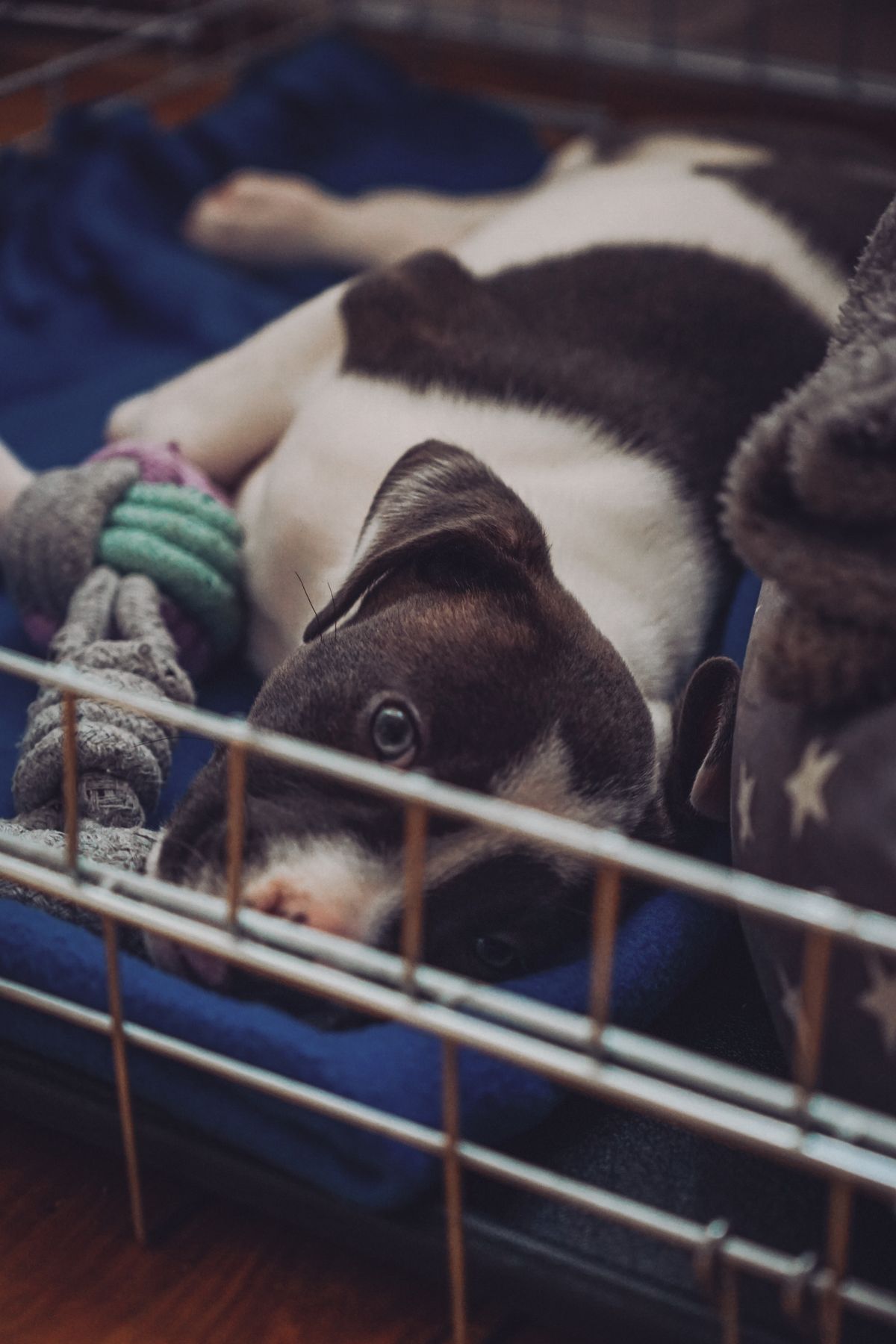
The call came at dinner time, a litter of five pups pulled from a rural pound and needing a place by morning. I did not wait. By the time the ute pulled into the drive the next day, a pen was already up in the spare room with the door shut and the resident dogs locked outside. In more than forty fosters around Ballarat I have learned that the first hour sets the tone for the whole fortnight, and a calm, contained start beats a chaotic one every time. The intake pen is not a cage you apologise for, it is the safest possible welcome for an animal that has had a rough run. Get it right and everything after flows.
Set the pen up before the animal arrives
The single biggest advantage you can give a new foster is a space that is already waiting, because animals arrive tired, unsure and often unwell, and they should step straight into containment rather than watch you scramble. I keep a folded pen in the boot of the ute at all times during kitten and puppy season, so a same day pickup is never a problem. The pet playpens range is where I source the panel sizes I keep on hand. The pen goes in a room with a shut door and a floor I can wipe, never on carpet where an accident becomes a lasting mark. Have the panels clipped and the floor laid before you leave to collect the animal, then all you do on return is carry them in. Preparation turns a stressful day into a routine one.
Keep it away from your resident pets
Separation is not optional, it is the whole point of an intake pen. Your own dogs and cats carry bugs that a new arrival has no defence against, and the reverse is just as true, so the new foster stays in a room your pets cannot reach until a vet has looked at it. I use the spare bedroom with the door closed and a towel along the bottom gap, because scent still travels under a door and a curious resident will press against it for hours. Food bowls, leads and towels from the intake pen never cross back into the rest of the house until they have been washed hot. This boundary protects both sides, and it saves you from a household outbreak that takes weeks to clear.
Why separation is also about decompression
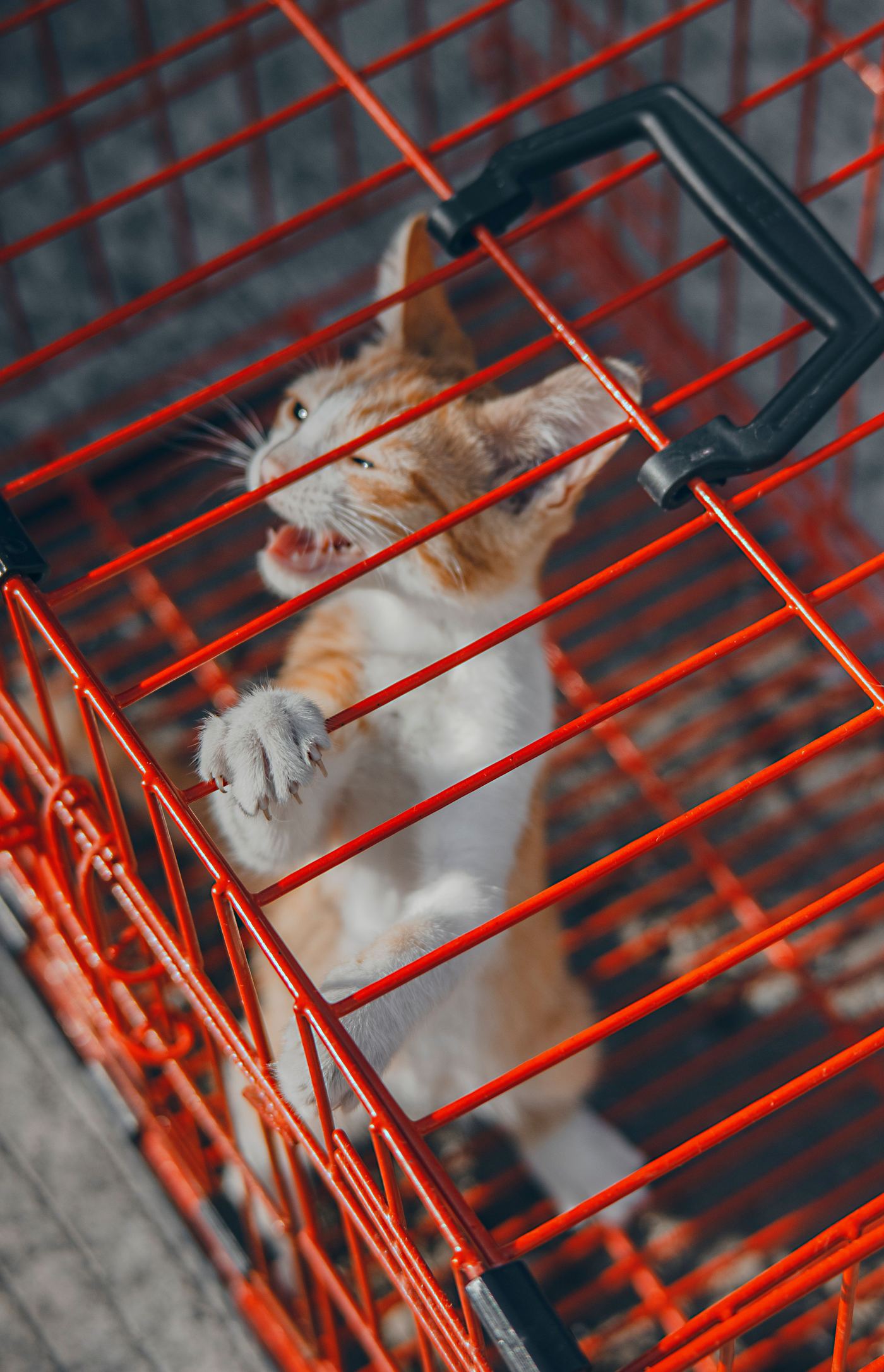
Disease control gets the attention, but the quiet benefit of an intake pen is decompression, the chance for a frightened animal to stop and breathe after a hard stretch of travel and change. A new foster that has been in a pound, a ute and a strange house in the space of a day needs a small, predictable world, and a pen gives exactly that. I have watched shut down dogs spend the first day flat against the wall, then on day two creep to the water, then on day three take a toy. That slow unfreezing only happens when the space is calm and the faces are few. The pen is not punishment, it is the kindest possible first step.
What goes inside the intake pen
Less is more in an intake pen, because every extra object is one more thing to wash or trip over. I put in a heavy water bowl that cannot be tipped, a separate feeding dish, one washable bed and a single hide box with an open back so the animal can disappear without feeling trapped. Toys come later, once I know the animal is well and settled, because a sick pup will ignore them and they just clutter the floor. I keep a notebook on the pen to log food, water and behaviour, which helps me spot a change early and gives the vet something concrete if I need to call. The aim is a clean, boring space that does its job without fuss.
- Build the pen a day before pickup, not after.
- Put it in a room your pets cannot reach.
- Stock the pen with food, water, bedding and a hide.
- Visit the pen often so the new arrival learns you.
- Check with your vet before mixing with residents.
Keeping the first week from feeling like a cell
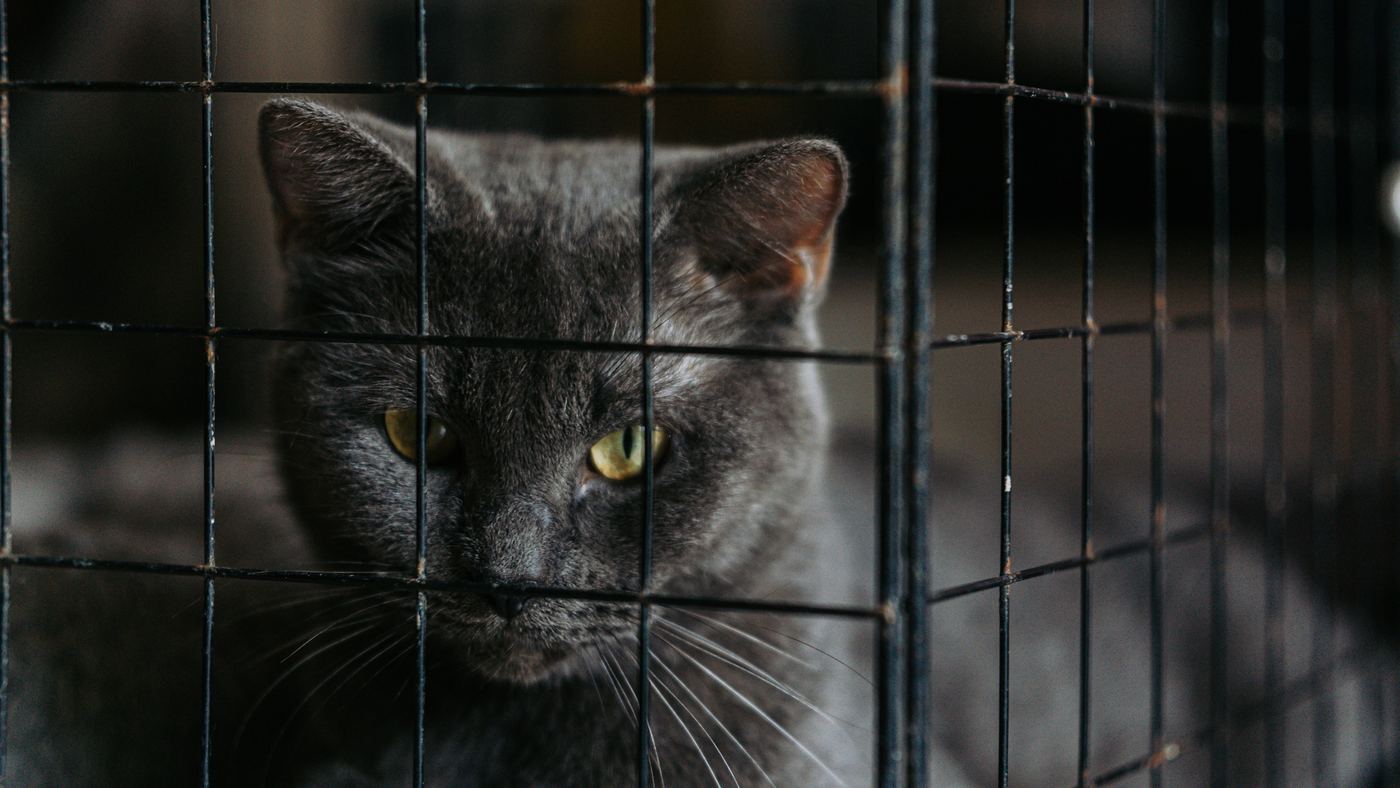
A pen can feel like a cell if you treat it like one, so I work hard to make the first week feel like a home corner rather than a lockup. I sit on the floor inside the room for ten minutes at a time, reading or just being there, so the animal learns my smell and my calm without pressure to interact. The door stays shut but the room is lived in, with the radio low and the light soft, because a silent dark box scares more than it soothes. I talk to them often and offer food from my hand only when they approach, never forcing it. Small, repeated, gentle contact is what turns a wary animal into one that waits at the pen for you.
| Item | In the pen? | Why | Move out when |
|---|---|---|---|
| Water bowl | Yes, heavy and tip proof | Hydration, low spill | Stays throughout |
| Hiding box | Yes, one open backed | Decompression, security | When confident out |
| Resident pet toy | No, keep outside | Disease and jealousy risk | After vet clears |
| Soft bed | Yes, one washable | Warmth, rest | Stays, wash daily |
| Feeding dishes | Yes, separate set | Avoid cross contact | Stays in pen |
| Your other animals | No, separate room | Quarantine and stress | After clearance |
When the pen can open up
The intake pen is not forever, and knowing when to widen the world is part of the job. Once a vet has cleared the animal and it is eating, drinking and behaving like itself, I start leaving the pen door open while I am in the room, then let it explore the space with the door shut to the rest of the house. Resident pets still stay separate during this stage, because scent meetings through a barrier come before any face to face contact. I watch for relaxed body language and a willingness to move away from the hide before I extend the room. Open up too early and you undo the calm, so I let the animal set the pace rather than the calendar.
Frequently Asked Questions
How big should the intake pen be?
Big enough to stand, turn and move away from its bed and toilet area, because a pen that is too small builds stress fast. For a single cat or small dog I use a pen about one metre square. The floor should hold a bed at one end and a toilet spot at the other, with room to walk between. Measure the space before you buy panels so the pen fits the room set aside.
Can I put the new foster in with my own dog to settle it?
No, not during the intake period. Your resident pets and the new arrival need a barrier between them until a vet has checked the newcomer, because both sides can pass on illness neither shows yet. I keep them in separate rooms for the first week at least, with scent contact only through a closed door. Rushing the meeting stresses the new animal and risks your own pets. Ask your vet when proper introductions are safe.
How long does a foster need to stay in quarantine?
There is no single clock, because it depends on the animal and what the rescue or vet advises, but I plan for at least the first week in separation as a baseline. Some animals need longer if they arrive unwell or show signs once they settle. The pen stays the home base until eating, drinking and behaviour are steady. Do not open up on a fixed date, let the animal's condition set the timing instead.
What if the animal refuses to eat in the pen?
A new foster skipping a meal or two is common, because travel and change kill the appetite, but a refusal past a day needs a vet call. I offer food at set times so I can see what is eaten. Sitting quietly nearby often coaxes a shy animal more than walking away does. Warm the food slightly if it is cold. If eating does not return, ask your vet before assuming it is only nerves.
Do I need a vet check before I even set up the pen?
You do not need a vet present to set up the pen, that is a job you handle at home before pickup, but book a check for as soon as the animal arrives. Rescue groups usually arrange the first vet visit, so confirm who books it. Keep your intake notes handy for the vet, and ask your vet about quarantine length for your situation rather than guessing.
Looking for pet playpens?
We stock the gear covered in this guide, with Australia-wide shipping and Afterpay at checkout.
Popular picks from this guide: mesh pet playpen · foldable octagonal playpen
Shop Playpens at Paws of Oz