The Pen Kit That Lives in My Car: Fostering at Short Notice
Short answer: A pen kit that lives in the car means a foster has a safe space within minutes of arriving home, not the next day. Mine is a folded four-panel pen, a mat, a bowl, a slip lead, a sheet and zip ties, all in one bag under the boot floor. It is a night-one setup, not the long-term one.
The call usually comes at 7pm. A litter of four has been surrendered out past Creswick, the ranger is already driving, and there is about an hour before anyone knocks on my door. In that hour I am not shopping. I am clearing the laundry, dragging a mat out of the shed and finding the canvas bag that lives under the boot floor of the ute, next to the jack. It has been packed and repacked through more than forty animals since 2016, and every change came from something that went wrong.
How short-notice intakes actually arrive
Rescue intakes rarely come with warning. A pound fills over a long weekend and a coordinator starts working through a list of carers. Someone finds a cat under a shed and the nearest car is mine. In eight years I have had perhaps a dozen intakes where I had more than a day to prepare, and every other one arrived inside an afternoon.
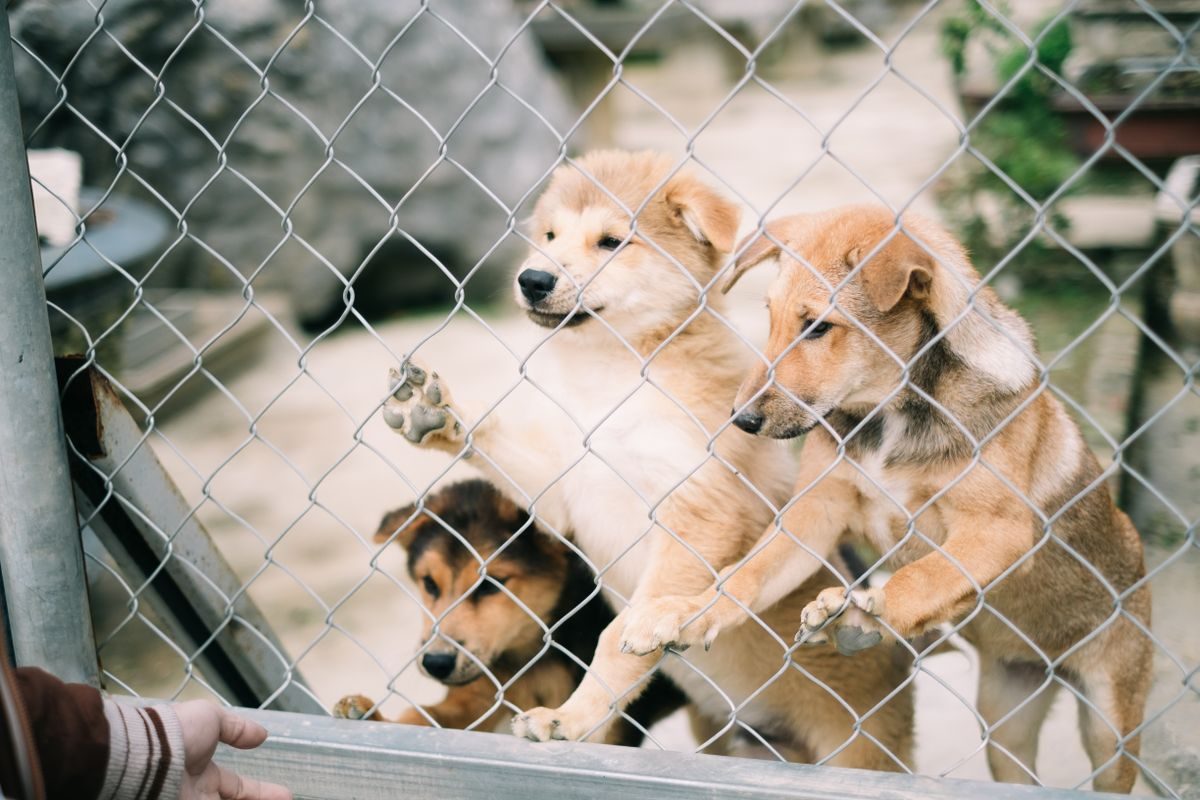
The hard part is not the animal. It is the half hour between saying yes and having somewhere safe to put them. A dog that has been in a car for an hour, in a strange yard, with my own dogs watching through the fence, does not need a nice setup. They need a small, quiet, contained space and something soft to lie on while everyone works out what happens next.
What lives in the car kit
The bag is a canvas tote that sits flat in the spare wheel well. Inside it: a folded four-panel pen with 60 cm panels, a rolled mat about 60 cm by 90 cm, a stainless bowl, a slip lead, a cotton sheet, four zip ties and a spare flat collar. The pen is the light one, because a heavy panel set is miserable to lift at 9pm in the rain. I rotate the same playpens between the car and the house. The sheet drapes over one side to block the view of my own dogs, and it doubles as something to wrap a wet animal in.
What is not in the bag matters just as much. I have tried the travelling version of the whole house and all of it came back out. A full boot means I cannot fit another animal if a second call comes the same night. Anything soft that cannot take a hot wash stays out of the car, because one accident turns it into rubbish.
Setting up a safe space in one hour
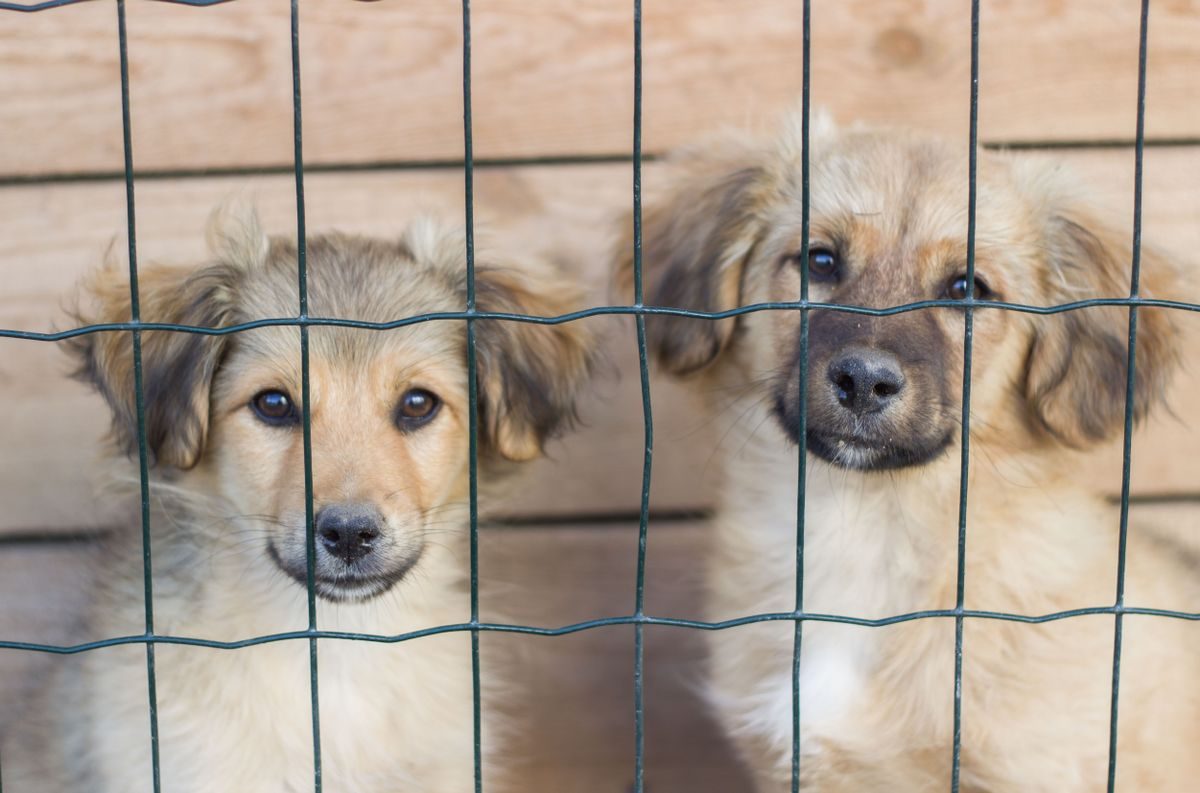
Boot open, mat down on the garage floor, pen unfolded around it, zip ties on the corners. Water goes in and nothing else, no food for the first hour. The foster gets a few minutes to sniff the mat while I move my own dogs inside. Then the lead comes off and the pen door closes. I sit nearby with my back half turned and let them settle without eye contact. The whole thing takes about ten minutes once the car is unpacked.
The pen is deliberately small at this stage. Four panels, enough for the animal to take three steps and turn around, is plenty. A bigger space on night one gives a frightened animal room to pace, and pacing is what turns into fence running and barking.
- Four panels is usually enough for a night-one pen and lifts with one hand.
- Keep the pen small so the animal settles instead of pacing the edges.
- Drape a sheet over one side before the resident pets come near.
- Water in, food out, and no eye contact for the first half hour.
- Buy one pen set and move it between car and house rather than two.
Why the car kit looks different from home
The settled setup at home is a different piece of equipment. It is wider, it sits on a floor that does not move, and it can afford to be inconvenient because nobody has to lift it into a boot. At home I use six to eight panels so a foster can walk, stretch and step away from the door when people pass. The car kit is four panels and a mat, full stop. The home setup also carries what a car cannot, including a second water source.
The car version only has to hold an animal safely for a few hours, or overnight, until the real space is ready. Treating the two as the same setup is how people end up with a boot they cannot use.
Restocking and cleaning between intakes
Every kit that comes out of the car gets emptied the next morning. The sheet and the mat go through a hot wash, 60 degrees on a long cycle in my machine, and the bowl gets a scrub. Panels are wiped with a cloth and a pet-safe cleaner, then dried properly before they go back in, because a folded pen left damp in a boot smells like a kennel within a week.
Zip ties are single use, so I cut them off and replace them. The reset takes about twenty minutes and it is the habit that keeps the kit usable. Kits that are not reset get raided for a spare collar or a bowl, and then the next call arrives and the bag is empty.
| Setup | Best for | Where it lives | Watch for |
|---|---|---|---|
| Four-panel light pen | One small dog or cat, first night | Car boot, under the floor | Frame flexes if the corners are not tied |
| Four-panel pen with sheet | A foster that reacts to other pets | Boot, then the quiet room | Sheet pulled through the bars and chewed |
| Six-panel pen, no floor | A foster already toilet trained | Laundry or spare room | Gaps at the base on uneven tiles |
| Eight-panel pen with mat | Multi-pet household, longer stays | Living area, gated to one room | Becomes the permanent setup by accident |
| Mat and bowl only | A handover in a car park or driveway | Door pocket or glovebox | Nothing to contain an animal that bolts |
When a pen is not enough at night
There is a limit to what a pen does. Some fosters arrive shut down and lie flat. Others arrive with the whole body wired, and those animals need the pen plus a plan, which usually means the quietest room in the house, a light left on and someone sleeping nearby for the first two nights. If a foster is injuring themselves against the panels, or working themselves into exhaustion, that is a conversation with a vet rather than a bigger pen. I have also learned to say no to a second intake if I still have an animal in its first forty-eight hours. The kit is there so I can say yes quickly when it matters, not so I can say yes to everything.
Frequently Asked Questions
What size pen should I keep in the car for a foster?
Small enough to lift alone and short enough to fit under a boot floor. I use four panels at 60 cm high, which folds to roughly the width of a folded camp chair. If you drive a small hatch rather than a ute, measure the boot floor before you buy.
Do soft pens hold up to a frightened foster dog?
Sometimes, but not reliably on night one. A dog that scratches and pushes at a soft pen can work a zip or a seam loose within an hour. I use a soft pen for cats and small quiet dogs. Anything unknown gets metal panels with the corners tied.
Can a new foster sleep in the pen overnight?
Mine do, and it is usually the safest option for the first night. The pen sits in my room so I hear if the animal is distressed, and bedding is on the pen floor. What I avoid is leaving a new foster alone in a shut garage, because I cannot see what is happening. If you are unsure, ask your vet.
How do I stop the pen sliding around in the car?
Fold it flat and put it under the boot floor or behind the seat, not loose on top of the shopping. If it has to travel upright, run a strap through the frame. Loose panels worry me most in a car, because a hard stop sends them forward.
Should the foster use the same pen in the car and in the house?
I do, and I think it helps. The animal walks back into a pen that smells like the one from the night before, which is one less new thing to handle. The catch is that a car pen needs cleaning before it comes inside, every single time.
Looking for pet playpens?
We stock the gear covered in this guide, with Australia-wide shipping and Afterpay at checkout.
Popular in this range: foldable octagonal playpen · outdoor catio with tunnel
Shop Playpens at Paws of Oz