Pen Games: Exercises That Teach Calm Inside
Short answer: A playpen becomes a calm space when you run short, structured games inside it: feed scatters, chin targets and door drills that reward settling instead of demanding it. Ten minutes of these exercises beats an hour of locked-door pen time, and the progression order matters more than the equipment.
A kelpie pup in Footscray taught me why most pen training stalls. Her owners were putting her in the pen only when they left the flat, so the pen predicted being alone, and she spent every session climbing the mesh. We stopped using it for absences entirely for ten days and ran three short games a day inside it with both owners in the room. By the end of the fortnight she was lying down inside the pen within a minute of the door closing. Same pen, same pup, different job. This post is the set of games I run with every puppy since, in the order I run them.
Feed scatters come before any cue
The first game needs no training at all. Toss a small handful of kibble across the pen floor and let the pup hunt for every piece. This is not obedience, it is association: the pen becomes the place where good things are found. Run it two or three times a day with the door open at first, then closed while the pup still hunts. The aim is a pup that walks in willingly because the floor has a history of paying out.
Keep the scatter low value, ordinary kibble rather than anything rich, so you can run the game often without upsetting a young stomach. If your pup has a sensitive gut, ask your vet before changing anything about their food.
The chin target teaches a down
Once the pup trots in happily, add the first real exercise. Hold your flat palm under the pup's chin, mark the moment it rests its chin on your hand, and feed low so its head comes down to take the piece. Repeat five or six times, then place your palm on the pen floor so the chin rest becomes a lowered head, then a settled front. Within a handful of sessions most pups will fold into a down from that hand position.
This is the game I use most, because it builds a settle without ever commanding one. The pup learns that calm stillness inside the pen is what earns the next piece of food, and you never have to say a word.
Door drills that end dashing
The impulse-control problem in most pens is the door. Pups learn that an opening door is an exit ramp, so they hit it at speed. Reverse that with a three-step drill. Step one: touch the latch without opening it, then feed inside the pen. Step two: open the door a crack, close it again before the pup moves, feed. Step three: open the door fully, wait for four still paws, mark, and let the pup walk out on your cue.
The progression teaches that stillness opens the door, not pushing at it. Expect the first few sessions to be messy. If the pup rehearses dashing, you have moved a step too fast, so drop back one and win there before climbing again.
- Feed scatters first, cues later, always with the pen paying out.
- Chin targeting builds a settle without a single spoken command.
- Teach the door that stillness opens it, never pushing.
- Drop back one progression step whenever the pup rehearses dashing.
- Finish every pen session while the pup is still settled.
Pattern games for busy brains
Some pups settle fine but buzz with energy that needs directing. Pattern games fill that gap. A simple one is a cup search: place three cups in the pen, hide a piece of kibble under one, and let the pup indicate which cup holds it by nudging or pawing. Another is slow feeding: a snuffle mat or a rubber bowl with a ridged base, worked inside the pen while you sit nearby with a cup of tea. Both games occupy the brain without winding the body up, which is exactly what you want in a confined space.
Rotate two or three games rather than running the same one daily, because novelty is part of what keeps a young dog thinking. End the session while interest is still high and you will keep the games strong for months.
| Game | Best for | Progress to |
|---|---|---|
| Feed scatter | A brand-new or wary pup | Chin targeting with the door closed |
| Chin target | Building a settle without cues | Chin rest on a folded towel on the floor |
| Door drill | Pups that dash the moment the latch clicks | Full door open, four still paws, then release |
| Cup search | Bright pups that need thinking work | Two hidden pieces across three cups |
| Snuffle mat | Winding down at the end of a session | Mat only, no scatter, as the session finish |
Ending sessions without protest
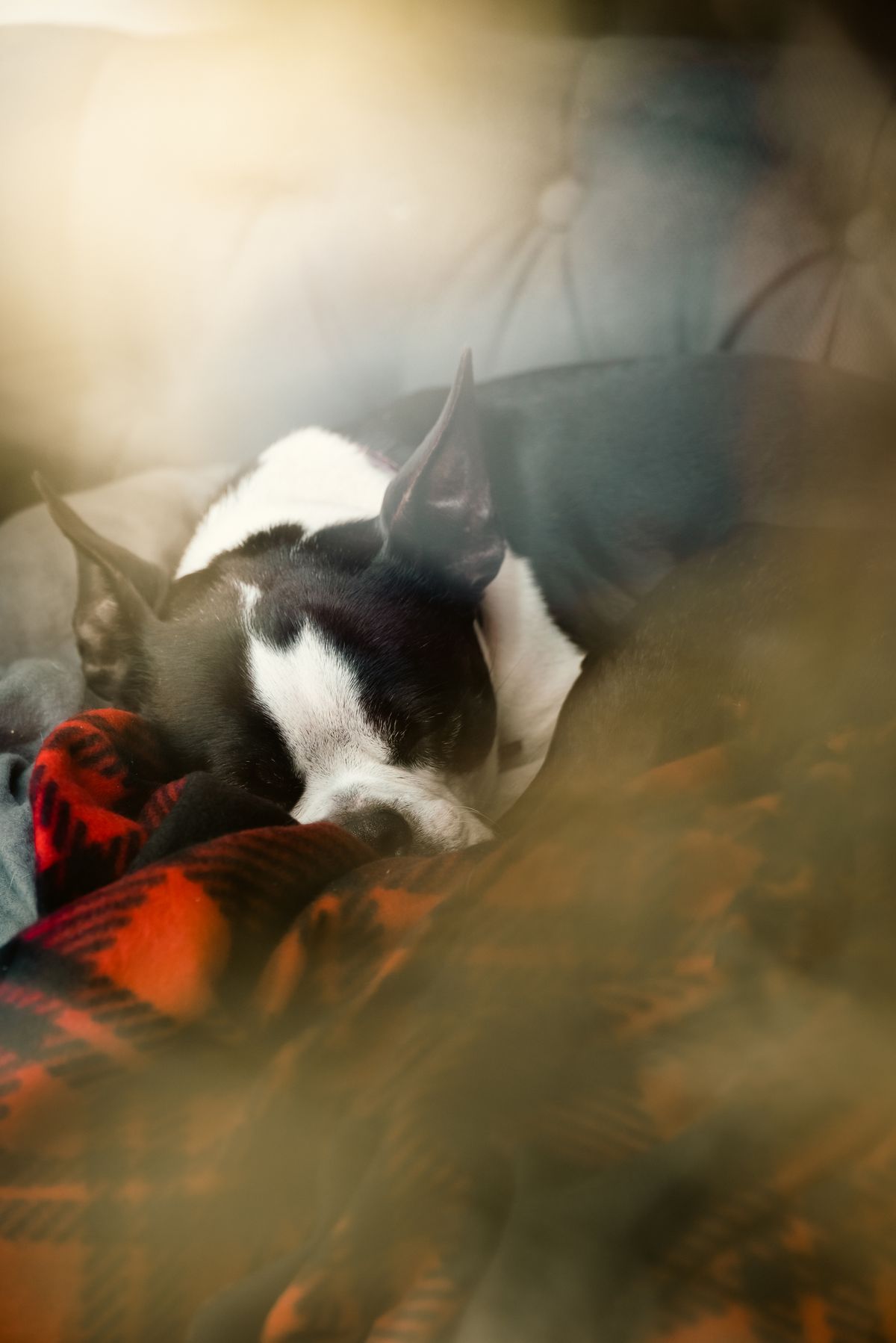
How a session ends decides how the next one starts. Never end on a whimper or a bark, because that teaches the pup that noise opens the pen. Instead, watch for the settle: the pup lying down, chewing idly, sighing. Mark it, walk over calmly, and open the door after a two-second pause. The lesson is that calm closes the session, which quietly becomes calm during the session too.
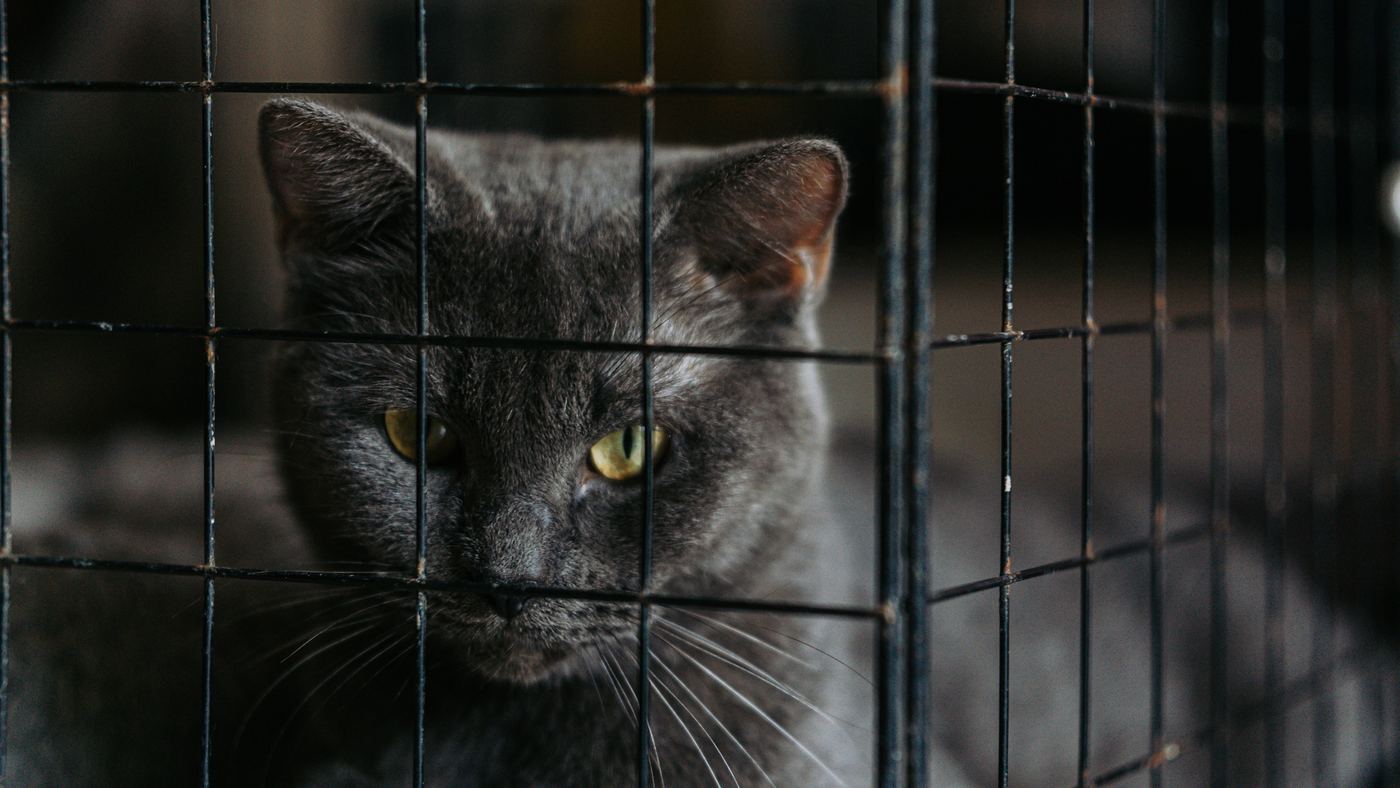
Session length grows on its own once this pattern holds. Most pups I train move from five-minute scatter sessions to twenty minutes of genuine rest inside a month, and the equipment barely matters. I have run these games in folding metal pens, soft fabric pens and a taped-off corner of a Melbourne apartment kitchen. If you are still choosing between the different playpens on offer, pick one the games will work in rather than the biggest one on the shelf.
Frequently Asked Questions
How long should pen game sessions be at the start?
Three to five minutes, two or three times a day, is plenty for the first week. Short sessions protect the association, because a pup that finishes each game still keen will trot back in next time. If a session runs long and the pup gets flat or restless, you have overshot. End earlier next time and build up gradually across the fortnight.
Can I run these games with an adult dog, not just a puppy?
Yes, and adult rescues often take to them faster because the food motivation is already there. Keep the same progression order: scatter, then chin target, then door drill. Adults with a long history of pen stress may need the scatter stage stretched out, with the door open for the first several sessions. Give it two weeks of short daily games before judging whether it is working.
Should the door be open or closed during the games?
Open for the first few sessions so nothing is forced, then closed for short stretches once the pup is settled and hunting or chewing happily. The test is what happens at the latch: a pup that glances up but stays lying down is ready for longer closed-door time. A pup that springs up every time needs more open-door sessions first.
What if my pup cries the whole time in the pen?
Stop and drop the difficulty right back. Constant crying usually means the pen predicts something the pup cannot cope with yet, often being alone. Run the games with you sitting beside the pen, door open, for a few days. If the distress stays at the same level no matter what you change, ask your vet to rule out anything physical before continuing with training.
Do I need a specific type of pen for these exercises?
No. The games work in folding metal pens, soft-sided pens and larger modular setups, as long as the floor space fits a bowl or mat and the latch is solid. What matters more is where the pen sits: away from draughts and direct afternoon sun, with a non-slip floor so the pup can settle into a down comfortably.
Looking for pet playpens?
We stock the gear covered in this guide, with Australia-wide shipping and Afterpay at checkout.
Popular picks from this guide: mesh pet playpen · foldable octagonal playpen
Shop Playpens at Paws of Oz