New Year's Eve Fireworks: Preparing Your Dog and Cat Three Weeks Ahead
Short answer: put the collar on three weeks before the fireworks, not on the night, because a blend on fifteen minutes has barely begun working, and the real plan is a den built weeks ahead. Three years ago I was in the laundry at eleven past eleven with a forty-one kilo greyhound panting. Juniper needed it on in early December, Fig needed a hidden retreat and closed curtains, and both needed an early dinner. If you only get one thing right, make it the calendar, since the product is last.
Three years ago I did what I suspect a lot of Australians do. It was ten past eleven on the thirty-first of December, the first crackers were going off two streets over, and I was on my knees in the laundry trying to wrestle a calming collar onto a forty-one kilogram greyhound who had already decided the world was ending. Juniper was panting so hard she was dripping saliva onto the tiles. Fig had vanished. I got the collar on. It made no difference whatsoever that night.
That is the whole lesson, and it took me one ruined New Year's Eve to learn it. A collar that has been on for fifteen minutes has barely begun doing anything. Sydney's harbour display is the biggest single night of the year for noise in this country, and if you live anywhere near a suburb with a local show — Glenelg here in Adelaide, the bridges, the river foreshores, half the council ovals in the country — you already know the bangs start days before and keep going well into January. So now we start early, and this is the countdown we run.
Three weeks out: collar on, calendar marked
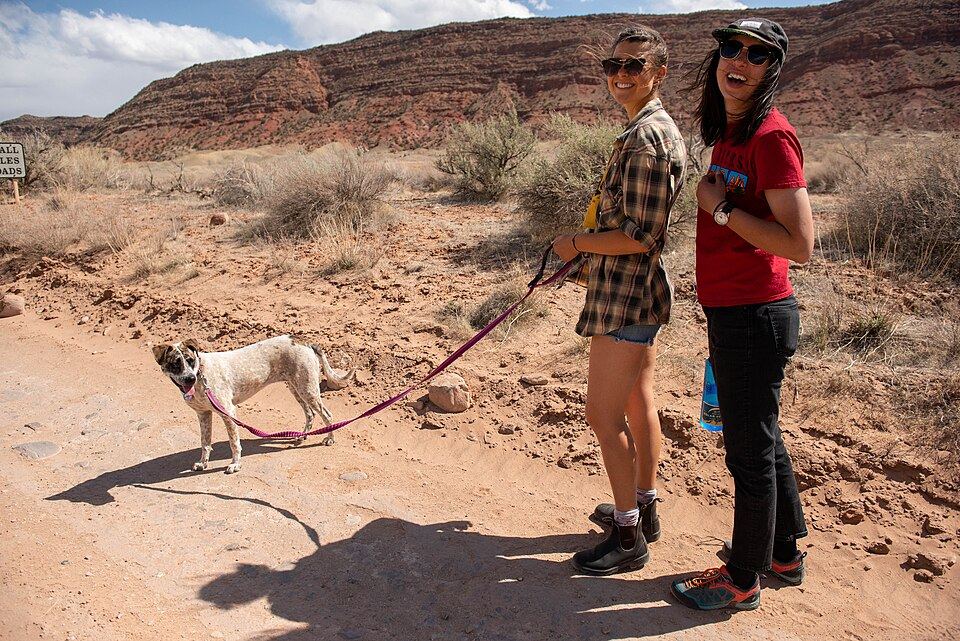
The collar goes on around the tenth of December. That sounds absurdly early until you remember these things release slowly for roughly sixty days from the moment you break the sealed pouch, and they need time sitting against the skin before you'll notice anything. By the thirty-first it's been on her for three weeks. Same routine I run for storm season, same two-finger check every few days: snug enough that it doesn't flap against her ears, loose enough that I can slide two fingers under it without squeezing.
While I'm at it I check the yard. Latches on the side gate, the gap under the back fence that a determined greyhound can absolutely get through, and whether the garage door actually shuts. More dogs go missing on New Year's Eve than any other night of the year, and every RSPCA shelter in the country will tell you the same thing. Microchip details current, collar tag readable. Boring admin, enormous payoff.
Two weeks out: build the den, and practise in silence
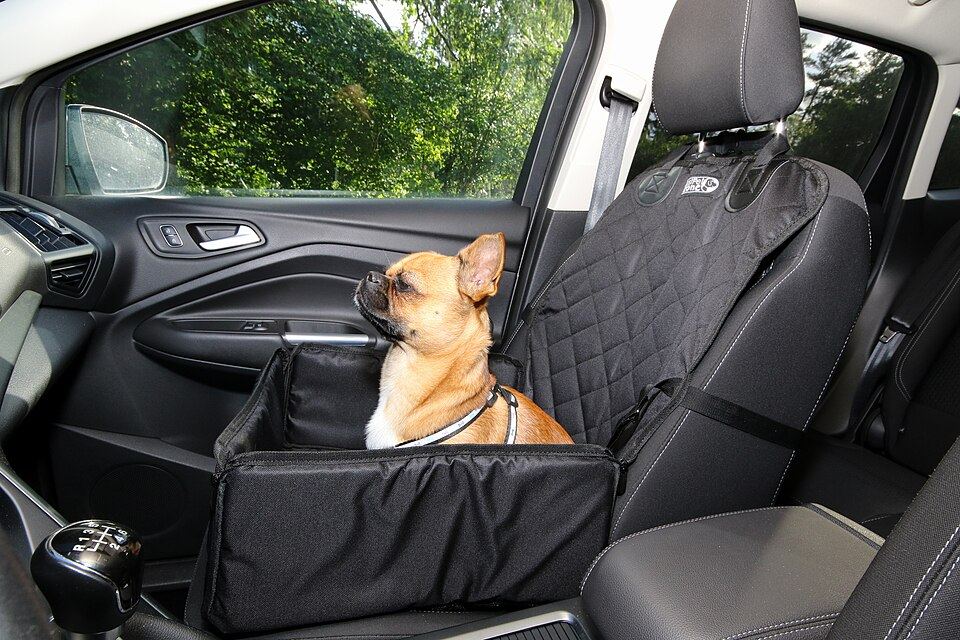
Juniper's den is the internal laundry. Blanket over the crate, bed shoved into the corner, pedestal fan going, blinds shut from about eight at night. Fig's is the wardrobe in the spare room: the sliding door cracked open, an old fleece on the shelf, a cardboard box on its side. Neither of them discovered these on the night. We built them in November and fed them in there. Chicken for the dog, Dreamies for the cat. A hideout only works if it's already the best room in the house when nothing is frightening.
At this stage I also start closing the windows earlier in the evening and running the television a little louder than usual. Nothing dramatic. I'm just shifting the baseline so the noise of the night isn't a sudden step change.
- Build the den in November and feed them in it early.
- Juniper's den is the laundry with a blanket over the crate.
- Fig's den is a wardrobe with the sliding door cracked open.
- Close the windows earlier and run the TV a little louder.
One week out: the cat needs a different plan entirely
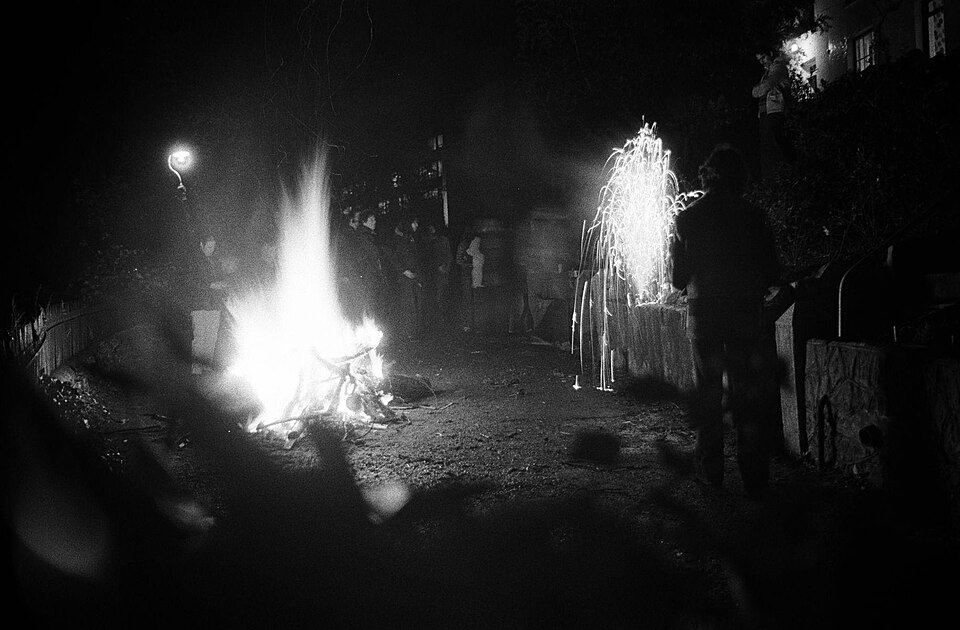
This is where people get it wrong. Cats are not small dogs, and the most common mistake I see is someone scooping a hiding cat up and cuddling it while the fireworks go off. Fig goes rigid and then she goes for you. Fireworks anxiety relief for cats is mostly about what you don't do.
What I do instead: the litter tray moves from the laundry alcove into the spare room, because a cat who won't cross the hallway will hold on all night and you'll find the result on the rug. Water and a bowl of biscuits go in the same room. Windows and curtains shut, so the flashes don't strobe through the glass. Doors to the rest of the house closed so she can't get somewhere I can't reach her. And then — the hard part — I leave her alone. She comes out when she's ready, usually around two in the morning, and acts as though nothing happened.
If your cat has never been crate-trained or handled much, don't start now. Startled cats climb. Wardrobes, tops of cupboards, behind the fridge. Clear the climbable hazards you can and accept the ones you can't.
On the night: walk early, dinner early, act normal
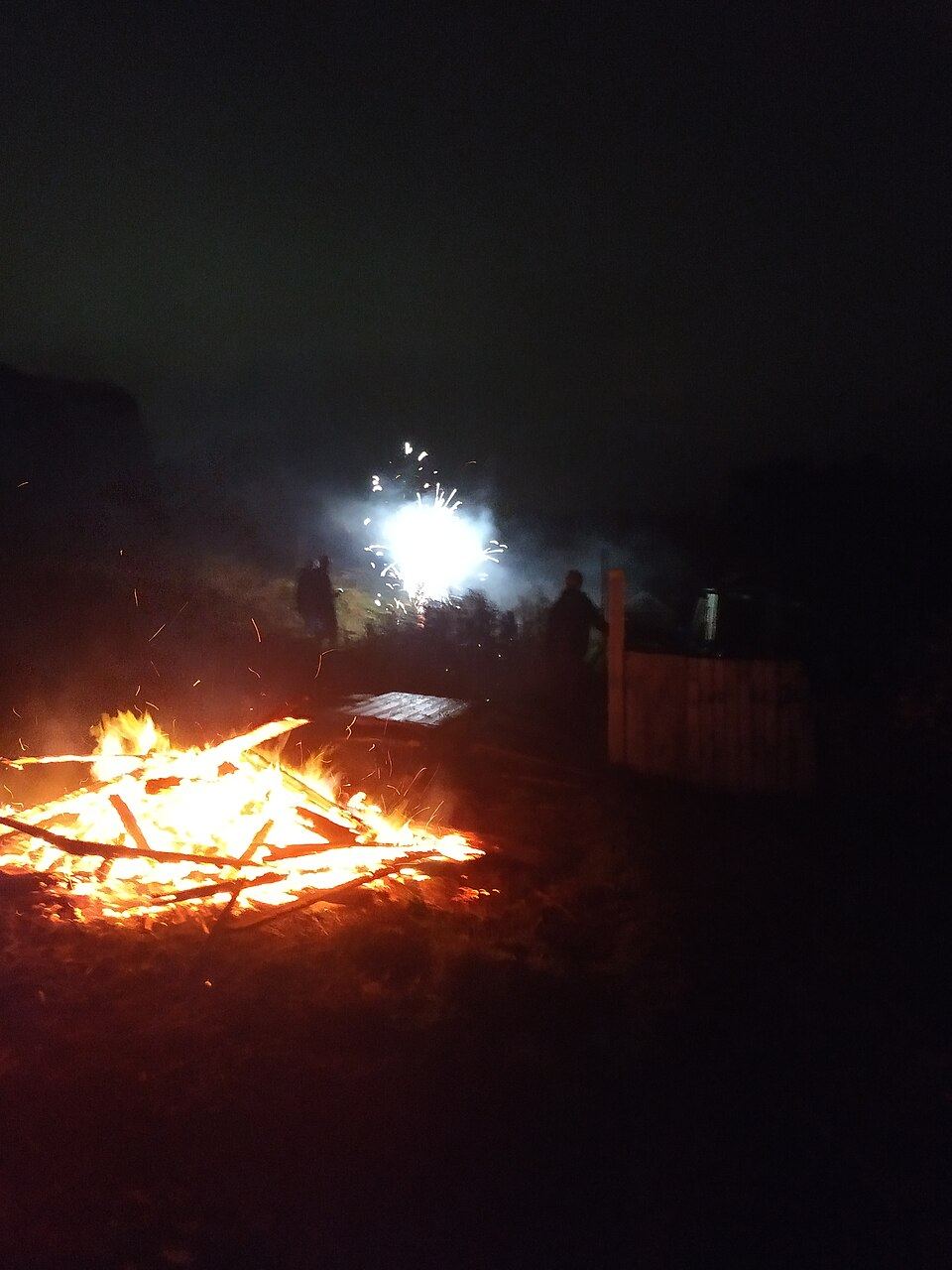
Our walk happens before six, well before the amateur displays start in the parks. Toilet break on lead, no off-lead time at all, because a dog who bolts doesn't come back when she's frightened. Dinner goes down early, in the den, and I don't make a ceremony of it — a frozen Kong or a stuffed toppl keeps Juniper occupied for the twenty minutes either side of midnight when the local stuff is worst.
Then I behave as though it is an ordinary Tuesday. I don't coo, I don't hover, and I don't sit on the floor with her telling her she's brave. Quiet company in the same room is fine. Fussing tells a noise-phobic dog that there is something to be frightened of, and I've watched well-meaning visitors undo two weeks of preparation in about four minutes.

What I'm honest with clients about
The collar doesn't make Juniper deaf. She still hears every cracker in a two-kilometre radius and she still gets up and moves to her corner. What changed is the recovery time and the sheer height of the panic. She used to pace until three in the morning; now she's usually back on her bed within twenty minutes of the last bang. That's a real improvement and I'll take it, but it is not a cure and I'd be doing you a disservice if I pretended otherwise.
If your dog is injuring themselves, destroying doors, or hasn't eaten by the following evening, that's your vet, not a blog post. Bad noise phobia often needs a combined plan, and in some cases prescribed medication, which your vet or a veterinary behaviourist can talk you through. The collar is one piece of the night, alongside the den, the walk timing and the boring departure from the room.
New Year's Eve used to be the night I braced for all December. Now it's a checklist on the fridge and two animals who are, if not thrilled, at least functional. Juniper will be in the laundry, Fig will be in the wardrobe, and I'll be in bed by half past twelve like somebody's mother. — Nadia, Adelaide, writing this in June with the collar order already planned.
Frequently Asked Questions
When should I put a calming collar on my dog before New Year's Eve?
One to three weeks before the thirty-first of December, not on the night itself. These collars release slowly for around sixty days once the pouch is opened and need time on the neck before you will notice any change, so an early start means it is already working when the first crackers go off.
How do I keep my cat calm during fireworks?
Set up a small, enclosed hideout in advance and move the litter tray, water and food into that same room. Shut curtains and windows to cut the flashes, then leave your cat alone. Do not pull a hiding cat out to cuddle them, as this tends to escalate their fear rather than calm it.
Should I take my dog for a walk on New Year's Eve?
Yes, but go early, well before dusk, and keep them on lead. More dogs go missing on New Year's Eve than on any other night, so check gate latches, confirm your microchip details are current, and skip off-lead time entirely once the local displays begin.
Can I use the same calming collar for my cat and my dog?
No. Buy a cat-sized collar for the cat. Dog collars are too long and too heavy, and a cat collar on a large dog will not fit. Measure the neck where the collar sits, cut to fit, and leave two fingers of slack. Cats should also have a quick-release or breakaway fit.
What if the collar does not seem to help at all?
Check the fit and how long it has been on, then build the rest of the plan: an established den, early exercise, white noise and closed curtains. If your pet is injuring themselves, destroying doors or refusing food, book a vet appointment, as severe noise phobia often responds better to a combined plan.
Size & Fit Reference
| Size | Neck circumference | Collar length | Typical pets |
|---|---|---|---|
| Cat | 18–25 cm | 38 cm | Cats, kittens, toy breeds |
| Small | 25–35 cm | 45 cm | Puppies, Cavoodle, small terriers |
| Medium | 35–48 cm | 62 cm (cut to fit) | Kelpie, Cocker Spaniel, most adult dogs |
| Large | 48–62 cm | 65 cm (cut to fit) | Labrador, Greyhound, large breeds |
Most collars release for around 60 days once the sealed pouch is opened. Replace every eight weeks, or sooner if the scent fades.
Looking for calming & anxiety?
We stock the gear covered in this guide, with Australia-wide shipping and Afterpay at checkout.
Shop Calming at Paws of Oz