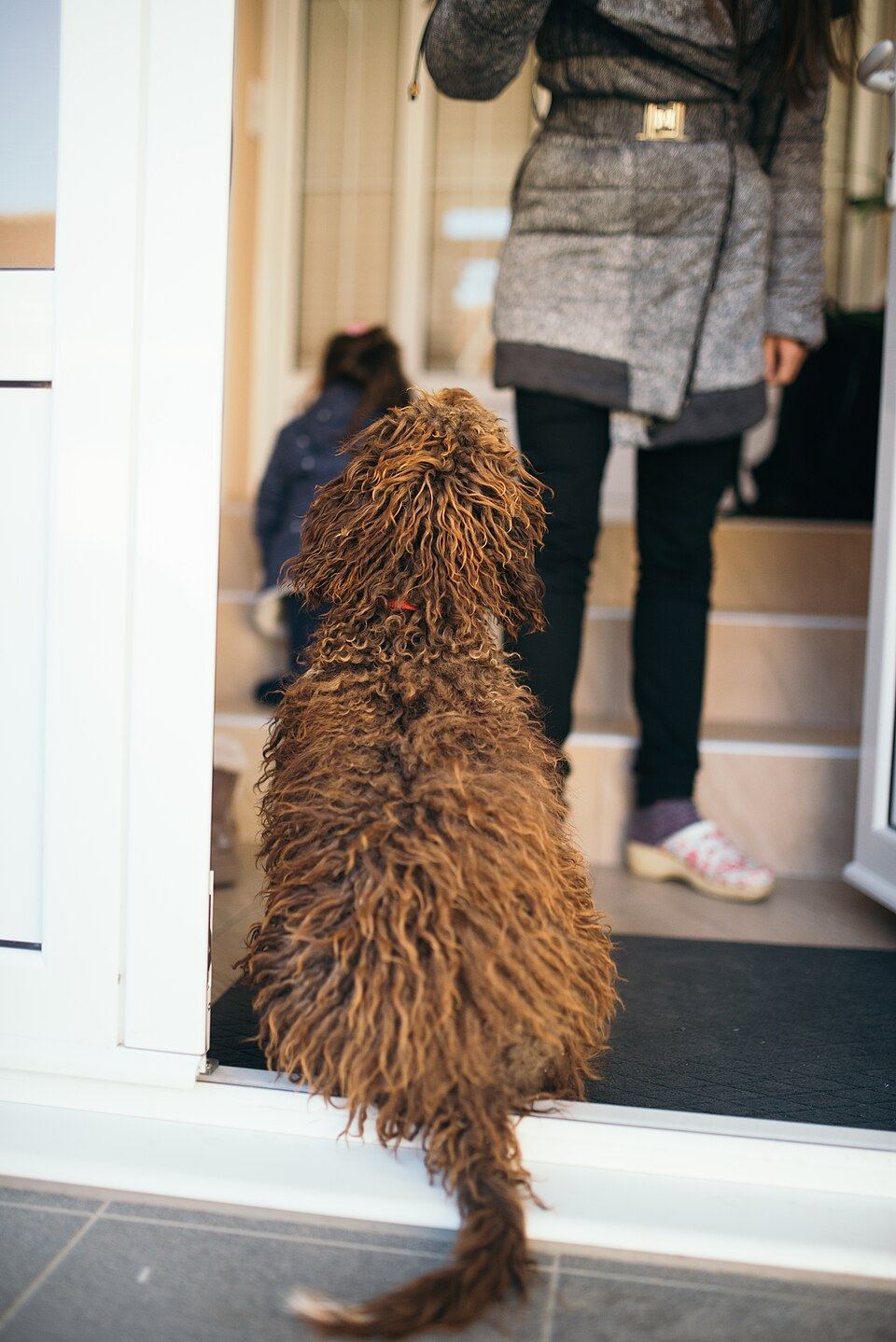
Road Tripping Australia With an Anxious Dog: Nine Hours to the Grampians
Short answer: the anxious dog on a road trip is usually frightened of arriving somewhere unfamiliar, not the car itself, so make the ute boring and predictable before the destination. We got as far as Tailem Bend before Juniper was drooling on the floor mat at the servo, not carsick. Every trip before she came to us ended at a vet or a shelter, so the boot meant bad news. You'll want short drives to dull places, her own bed from home, and the collar on early.
We got as far as Tailem Bend on the first attempt. Juniper had been panting since Murray Bridge, and by the time I pulled into the servo she was drooling so heavily there was a puddle on the floor mat and she was refusing to get back in. We turned around and drove home, and I spent the next three days trying to work out whether I'd be able to take my dog anywhere ever again.
She wasn't carsick, which was the first useful thing I worked out. She wasn't car-frightened either, exactly. What she was frightened of was the car arriving somewhere unfamiliar, because every single trip she'd taken in her life before she came to us had ended at a vet clinic or a kennel. The car wasn't the problem. The destination was.
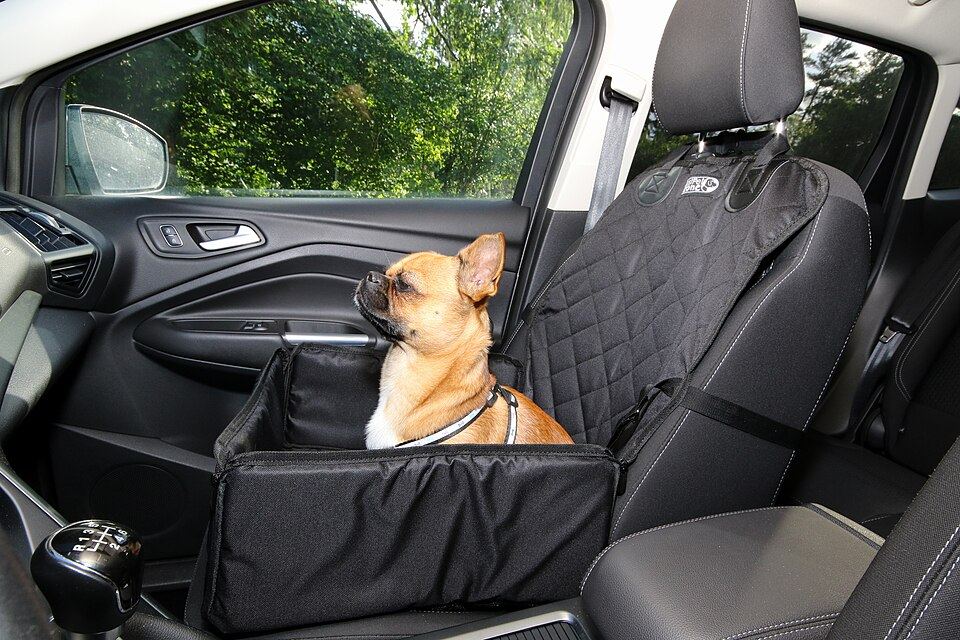
The first job was making the car boring
I stopped taking her anywhere for a fortnight and started driving her nowhere. Engine on, five minutes, engine off, back inside. Then engine on, reverse out of the driveway, park, treats, done. Then around the block. Then the servo and home. Then the servo, the shops, and home. Fourteen short trips in two weeks, and not one of them ended anywhere that mattered.
What I was doing was breaking the prediction. She'd spent years learning that the car meant something frightening was about to happen, and the only way to overwrite that is with a long, boring run of trips where nothing happens at all. It's the same logic as dismantling a departure routine for separation anxiety, and it works just as well.
What goes in the car
The bed from the loungeroom went in the back seat rather than a new travel crate, because the bed already smelled like home and a crate she'd never used was one more unfamiliar thing. A cracked window on the passenger side only, so the noise wasn't symmetrical and she could pick a side to lean away from. Water offered at every stop rather than left sloshing in a bowl. No food for three hours before departure, which is standard advice for dogs who do get carsick and worth doing anyway.
We also stopped at Horsham for an actual walk in an actual park, with no agenda attached. That mattered more than I expected. It gave the trip a middle that was pleasant rather than a beginning and an end that weren't.
- Use the loungeroom bed so it already smells like home.
- Crack one window on the passenger side only.
- Offer water at every stop rather than leaving a bowl.
- Skip food for three hours before you set off.
- Stop every two hours for a real walk, not just fuel.
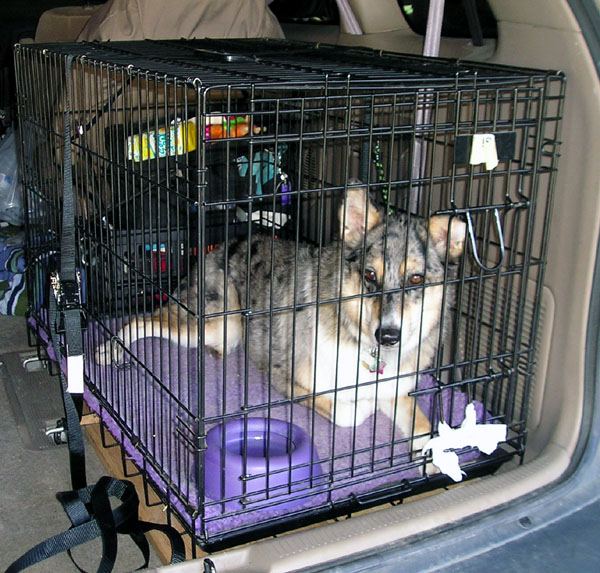
Where the collar fits on a trip
Travel support is one of the few places I genuinely rate a calming collar, because it's continuous and it doesn't require me to time anything. It went on roughly a week before we left rather than on the morning of the drive, which is the mistake I made the first time. These collars need time on the neck before they do much, and eight hours in a car is not long enough to catch up.
One collar runs for about eight weeks, which covered the trip out, the week of camping and the drive home. I took it off for creek swims and put it straight back on once she was dry, and I kept it in its pouch in the glove box when it was off her, because leaving it in the sun on a dashboard is a fast way to waste it.
Camping, and a word about snakes
Camping added a whole new layer of things to be nervous about, most of which she handled better than I did. What helped was keeping her bed in the same position relative to me every night, setting up camp during daylight rather than arriving after dark, and keeping her on lead for the first evening in any new place so she couldn't bolt into bush she didn't know.
The genuinely non-negotiable bit, if you're doing this in Victoria or anywhere with snakes from October onward: know where your nearest vet is before you need one. I keep a list on my phone of emergency vets along every route we drive, and I've used it once. It's the least glamorous piece of trip planning and the most important.
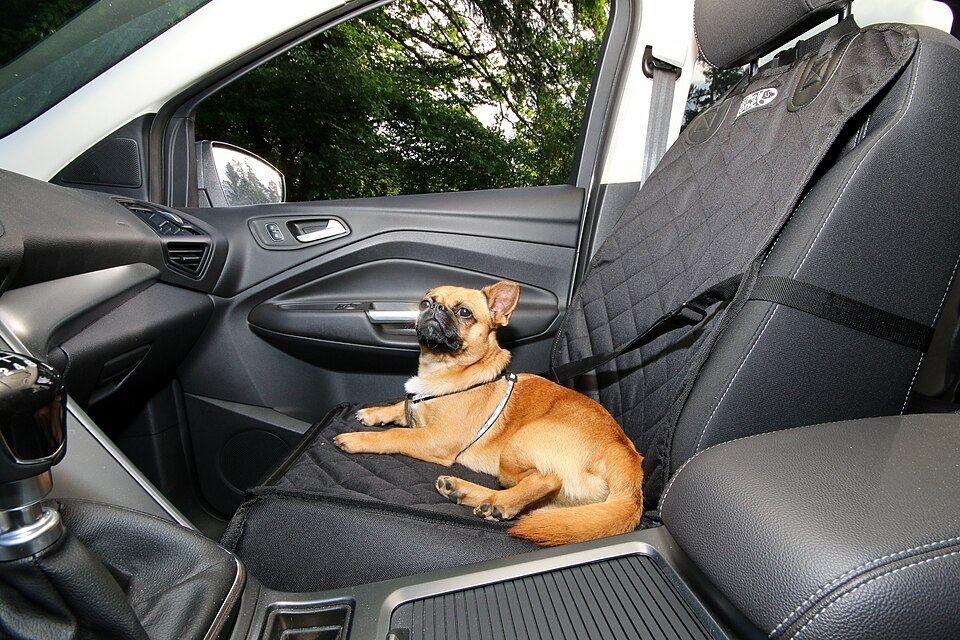
We made it to the Grampians on the third attempt and she slept for most of the drive home. It took a fortnight of driving nowhere to get there, which is the least impressive advice I've ever given anyone and the only thing that worked. Book the extra night, drive the boring laps, and keep a vet list on your phone. — Nadia, Adelaide, planning the next trip already.
Frequently Asked Questions
My dog pants and drools in the car. Is it carsickness or anxiety?
Carsickness usually involves nausea signs like lip licking, swallowing and actual vomiting, and it tends to ease once the car stops. Anxiety signs include pacing, whining, refusal to get in, and drooling that starts before the car moves. A video of the first ten minutes usually tells you which one it is.
How do I get my dog used to car travel?
Break the association between the car and a frightening destination. Do many short trips that end nowhere, starting with the engine running in the driveway and building to a lap around the block. Two weeks of boring trips tends to work better than one long one.
When should I put a calming collar on before a road trip?
About a week before you leave, not on the morning of the drive. The collar needs time on the neck to build up, and a single collar typically lasts around eight weeks, which covers most holidays including the drive home.
Should my dog ride in a crate, or loose in the back seat?
For an anxious dog, a familiar bed in the back seat is often calmer than an unfamiliar crate, and a properly secured harness is safer than either. Whatever you choose, introduce it at home first so the first time they see it isn't on the day you leave.
What should I pack for a camping trip with an anxious dog?
Their own bed from home, a lead long enough for a night tether, a list of emergency vets along your route, and enough of their usual food for the whole trip plus two days. Set up camp in daylight wherever you can, and keep them on lead first evening in any new place.
Size & Fit Reference
| Size | Neck circumference | Collar length | Typical pets |
|---|---|---|---|
| Cat | 18–25 cm | 38 cm | Cats, kittens, toy breeds |
| Small | 25–35 cm | 45 cm | Puppies, Cavoodle, small terriers |
| Medium | 35–48 cm | 62 cm (cut to fit) | Kelpie, Cocker Spaniel, most adult dogs |
| Large | 48–62 cm | 65 cm (cut to fit) | Labrador, Greyhound, large breeds |
Most collars release for around 60 days once the sealed pouch is opened. Replace every eight weeks, or sooner if the scent fades.
Looking for calming & anxiety?
We stock the gear covered in this guide, with Australia-wide shipping and Afterpay at checkout.
Shop Calming at Paws of Oz