Reactive Dogs, Hyper Pups and Restless Seniors: Matching the Tool to the Dog
Short answer: only one of those three dogs was helped by a collar, so match the tool to the cause: a reactive kelpie needs training, a hyper pup needs enrichment, and a restless senior likely has a medical issue. Three came through my books in one spring week: a two-year-old kelpie who lost it at other dogs, a nine-month cavoodle who couldn't sit still, and a thirteen-year-old labrador pacing at night. The collar belonged to none of the first guesses. In short, name the real issue before you buy.
Three dogs came through my books in the same week last spring, and they were a good illustration of why I wince when someone asks me which calming collar is best. A two-year-old kelpie who lost her mind at the sight of another dog. A nine-month-old cavoodle who could not sit still for four seconds. And a thirteen-year-old labrador cross who'd started pacing every night at two in the morning.
Same shelf, same products, three completely different problems. The kelpie had a training issue, the puppy had an enrichment and sleep issue, and the old girl had a medical one. Only one of them was meaningfully helped by a collar, and it wasn't the one the owners expected.
The reactive dog
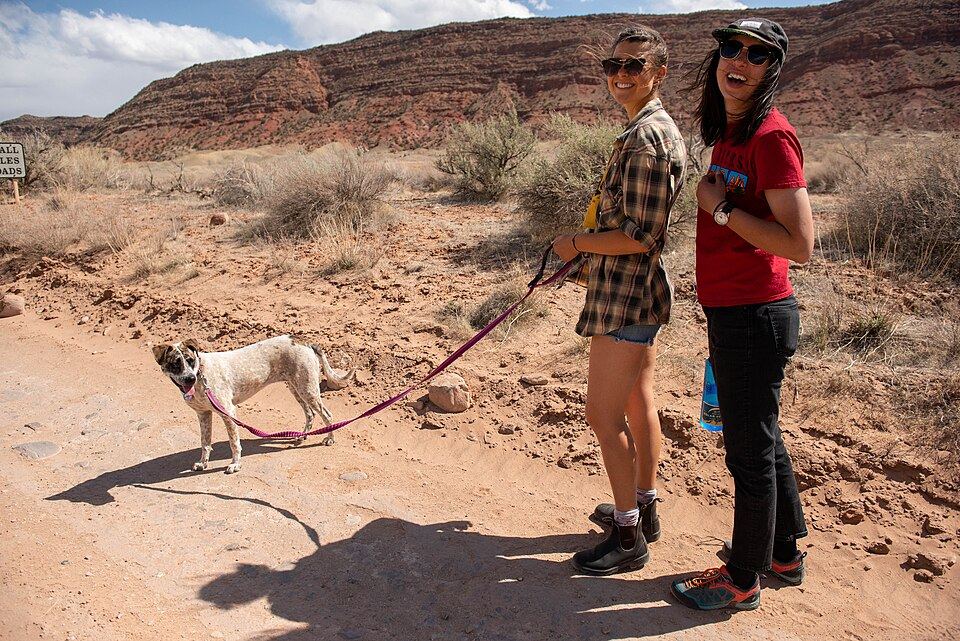
Reactivity is a distance problem before it's anything else. Every dog has a threshold, a distance at which they can see the trigger and still think. Inside that distance they can't learn anything, and no product moves the threshold on its own.
So the work is finding that distance and working there. For the kelpie it was about thirty metres, which in a suburban park is further than you'd think, and it meant walking at quiet times and crossing the street a lot. Then it was a pattern: dog appears, owner marks, treat arrives. Over months that builds a new association, and the threshold gradually comes in.
Where a collar fits here is genuinely modest but real. A dog whose general stress level is slightly lower recovers from an accidental close encounter faster, and that matters, because one bad encounter can undo a fortnight of work. It's insurance against setbacks rather than the thing doing the teaching.
The hyper puppy
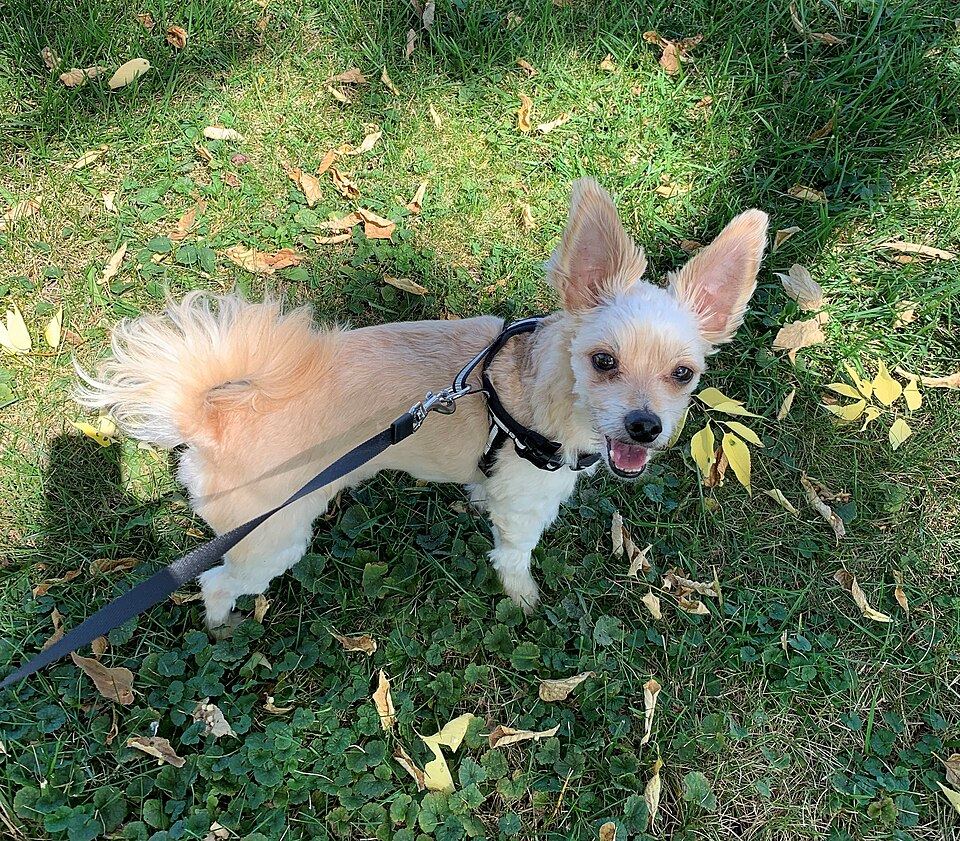
The nine-month-old cavoodle wasn't anxious. She was under-exercised, over-stimulated and not sleeping enough, which is the most common presentation of an adolescent dog in suburbia and it looks exactly like anxiety to a worried owner.
Adult dogs sleep fourteen hours a day. Puppies need more. This one was getting about nine, and she was being taken to a dog park twice daily on top of it, which was pushing her adrenaline up rather than wearing her out. We cut the dog park, added a sniffy walk on a long line, added enforced crate naps, and added a lick mat. She was a different dog in three weeks.
No product would have done that. If your adolescent dog can't settle, count their hours of sleep before you buy anything, and be honest about whether the exercise you're giving is calming or revving.
- A cavoodle this age was under-exercised and over-stimulated.
- Adult dogs sleep fourteen hours and pups need even more.
- Cut the dog park and add a sniffy walk on a long line.
- Add enforced crate naps and a lick mat to the day.
- Twenty minutes of sniffing beats an hour of fetch.
The restless senior
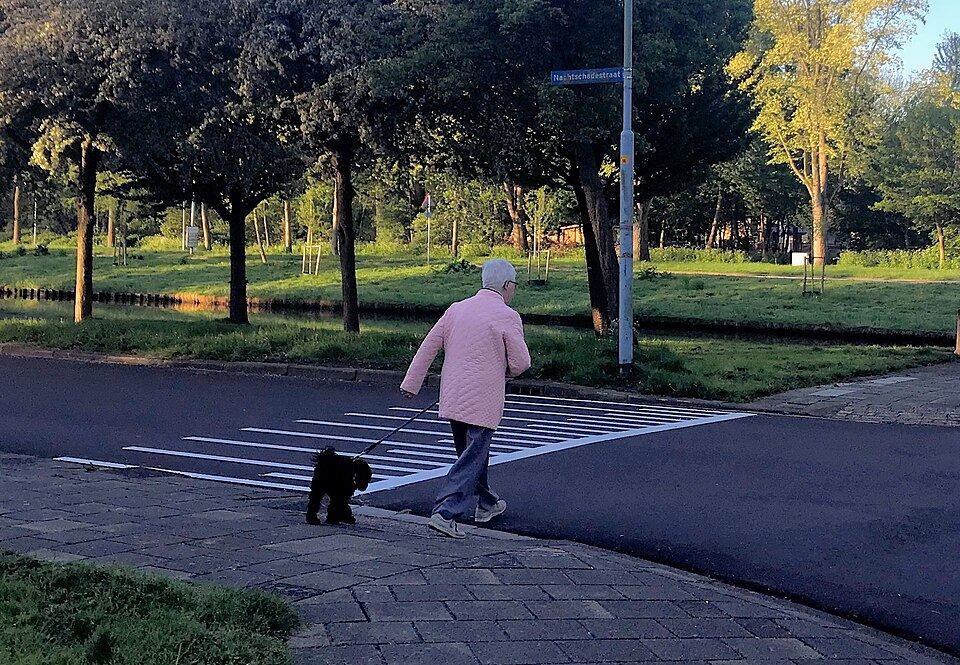
And then the thirteen-year-old, who is the case I think about most, because this is the one where a collar genuinely earned its place. Night-time pacing and restlessness in an older dog has a name — it's part of canine cognitive decline — and it's frequently complicated by pain from arthritis, by reduced vision or hearing, and by needing to toilet more often.
So the first step was a vet, and it should always be a vet. We treated her arthritis, added a night light and a non-slip mat on the floor boards, moved her bed closer to ours, and put a collar on at the same time as starting all of that.
She settled. Not completely, and not every night, but the 2am pacing dropped from every night to about twice a week, which for that family was an enormous difference. The collar was one part of a four-part plan and I wouldn't claim credit beyond that, but it was a part.
So which one should you buy?
I'd answer with a question: what's actually going on with your dog? If it's a training gap, the money is better spent on a session with a qualified trainer than on anything in a box. If it's a young dog who never stops, count their sleep first. If it's an older dog unsettled at night, see your vet, then add support on top of a proper plan.
The pattern I've seen across a few hundred households is that these products work best for ongoing, background anxiety — storm season, travel, a new house — and least well for acute behavioural problems that need training or medical attention. Buying for the first group tends to go well. Buying for the second tends to end with a drawer full of grey bands.
Whatever you decide, the usage doesn't change: on a week before you need it, two fingers of slack, sealed pouch until the day you open it, replaced every eight weeks or when you can no longer smell it. And if nothing changes after two or three weeks, take it off and look again at the cause.
Of those three dogs, the one I'd buy a collar for again is the old girl. That's not a tidy conclusion and I'm not going to pretend otherwise. Match the tool to the problem, and be willing to hear that the problem was never anxiety. — Nadia, Adelaide, still thinking about that labrador cross.
Frequently Asked Questions
Will a calming collar help a reactive dog?
Only as background support. Reactivity is primarily a distance and training issue, so the main work is finding the distance at which your dog can still think and building a new association there. A collar may help them recover faster from an accidental close encounter.
My young dog is constantly wound up. Is that anxiety?
Often it's insufficient sleep and over-stimulation. Adult dogs sleep around fourteen hours a day and puppies need more. Count the hours, replace high-arousal exercise like dog parks with sniffy walks on a long line, and add enforced naps before buying anything.
My older dog paces at night. What should I do?
Start with your vet. Night-time restlessness in senior dogs is often linked to cognitive decline, but it's frequently complicated by arthritis pain, reduced vision or hearing, and needing to toilet more often. Treat the medical side first, then add support.
Which problems do calming collars suit best?
Ongoing, background anxiety with a predictable pattern: storm season, fireworks, travel, boarding, a house move. They tend to be least useful for acute behavioural problems that need training, environmental change or veterinary treatment.
How long should I trial one before giving up?
Two to three weeks of continuous wear, started at least a week before the event or the training plan begins. If there's no change, review the underlying cause rather than trying a second product.
Size & Fit Reference
| Size | Neck circumference | Collar length | Typical pets |
|---|---|---|---|
| Cat | 18–25 cm | 38 cm | Cats, kittens, toy breeds |
| Small | 25–35 cm | 45 cm | Puppies, Cavoodle, small terriers |
| Medium | 35–48 cm | 62 cm (cut to fit) | Kelpie, Cocker Spaniel, most adult dogs |
| Large | 48–62 cm | 65 cm (cut to fit) | Labrador, Greyhound, large breeds |
Most collars release for around 60 days once the sealed pouch is opened. Replace every eight weeks, or sooner if the scent fades.
Looking for calming & anxiety?
We stock the gear covered in this guide, with Australia-wide shipping and Afterpay at checkout.
Shop Calming at Paws of Oz