Moving House With Cats: What I'd Do Differently Next Time
Short answer: moving with cats is won or lost on the order you do things, not the products, so get the carrier out three weeks early and set up one room first. The first move I packed in a week and Fig hid under the bath for a month; the second time, eighteen months later, she ate within six hours. The difference was the sequence, and none of it cost extra. You should put the collar on well before the vans, because one lasts around eight weeks.
The first time we moved, I did what everyone does. I packed the house over a week, left the carriers in the laundry until moving morning, and then spent forty minutes on my hands and knees trying to get a very unimpressed cat out from behind the dryer while two removalists waited in the driveway. Fig didn't eat for two days and spent her first week in the new place under the bath. It took her almost a month to come back to normal.
The second time, eighteen months later, she was eating in the new house within six hours and sleeping on the bed by the third night. The cats were the same cats. What changed was entirely the order in which I did things, and none of it cost money.
The carrier comes out three weeks early
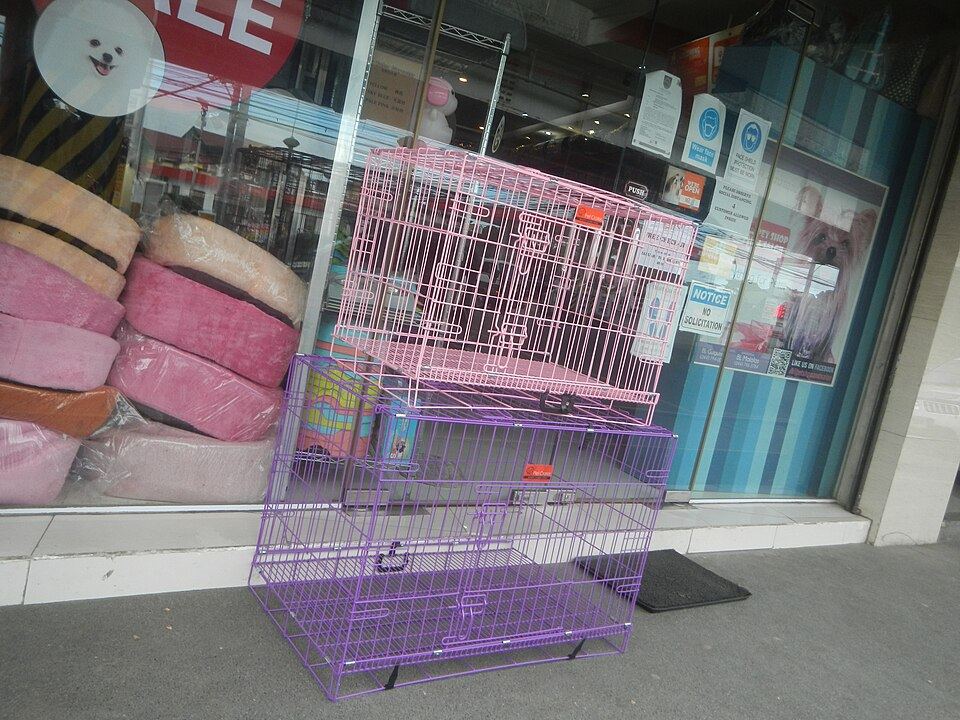
This is the single change I'd make if I could only make one. Cats only ever see the carrier on days when something bad happens, so the carrier itself is a warning sign. I took the door off, put it in the middle of the loungeroom, and fed both cats inside it. By moving day it was the most boring object in the house, and loading them took ninety seconds instead of forty minutes.
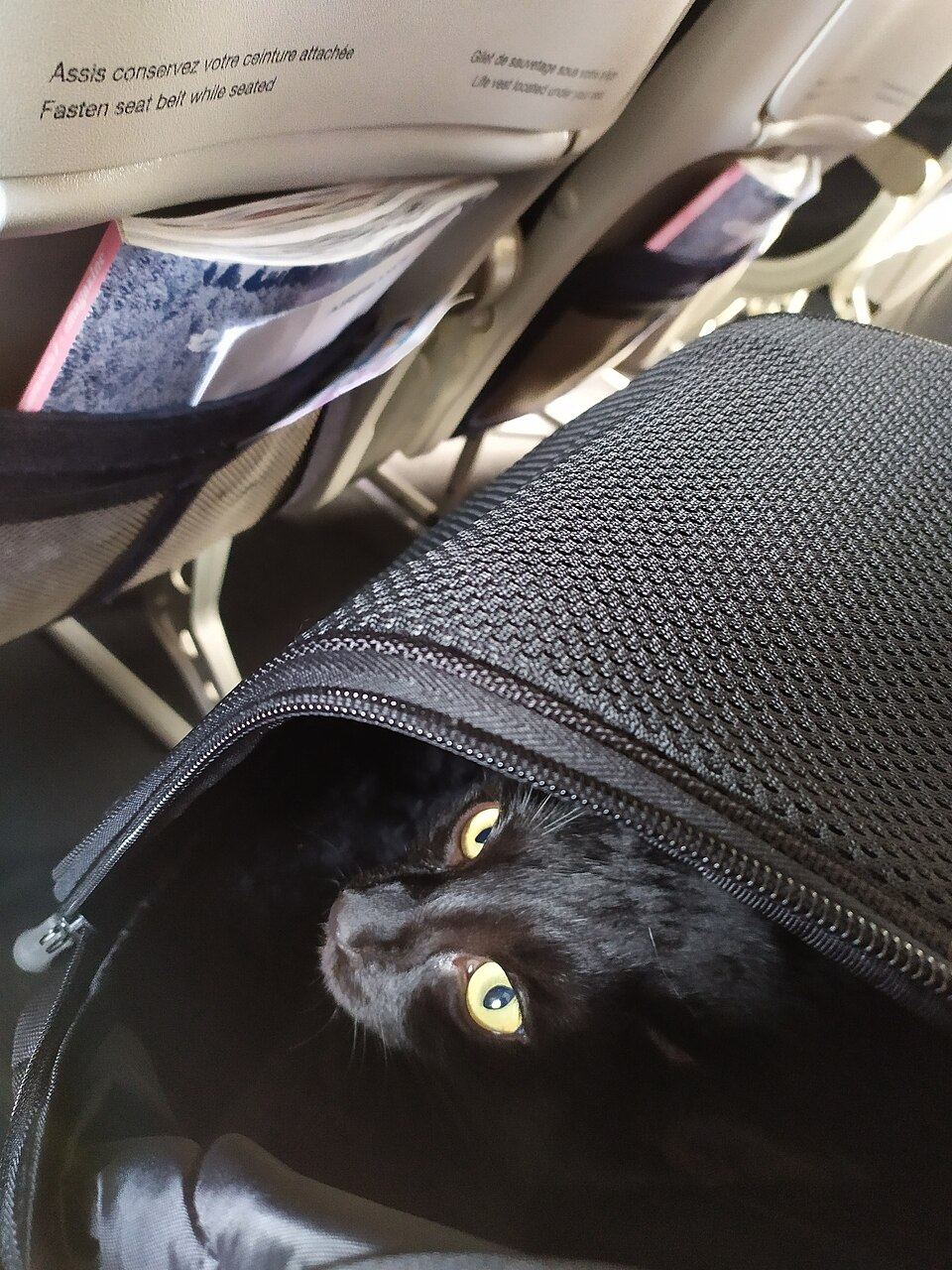
I also covered it with a towel for the drive, which is worth explaining: a covered carrier removes the moving scenery that panics most cats, and it stops them seeing the dog in the rear-view mirror. Both of mine settle visibly faster in the dark.
- Bring the carrier out three weeks early, not on moving day.
- Take the door off and feed the cats inside it at home.
- A familiar carrier loads in ninety seconds instead of forty minutes.
- Cover the carrier with a towel so the drive is dark and calm.
Pack around them, not through them
The mistake I made the first time was packing everything except the room they were in, which meant that on the last morning their room was the only one full of boxes and noise and strange men. Now I do the reverse. I set up their base room first with everything untouched, pack the rest of the house, and on moving morning I shut them in the bathroom with their tray, their food and a note on the door saying do not open.
They went into that bathroom the night before, not the morning of. One less unfamiliar thing on the hardest day. When the truck was loaded and the house was empty and quiet, that's when they went into the carriers, which is a completely different experience from being loaded while a house is being dismantled around them.
One room again, even though they've lived with you for years
It feels ridiculous to confine a cat who's lived in your house for six years, and it's still the right call. What a cat recognises as home isn't the furniture, it's the smell and the map of where things are. In a new house they have neither.
We gave them the main bedroom for four days: tray, food, water, their old blanket unwashed, and the wardrobe open. Then the hallway. Then the rest. Fig was out and about on day three, which compared to a month the first time was a revelation. The trick is that the blanket and the bed must go in unwashed, because their own scent is the fastest way to make a strange room smell like theirs.
Where the collar went, and when
I put a collar on Fig about four days before moving week rather than on the morning, because it needs time on the neck to do anything and a single one runs for roughly eight weeks. That timing meant it was working through the worst of it.
What I didn't do was put it on her on the day, with the house in chaos and strangers carrying furniture. Handling a stressed cat to fit something new on the worst morning of her year would have been one stressor too many. The order that works is: get them settled in a quiet room, confirm they're eating and using the tray, then add support.
Two things people forget
Update the microchip details before you move, not after. Shelters are full of cats who were found twenty kilometres from where their chip still says they live.
And keep them inside for at least two weeks at the new place, three if you can. A cat who is still building a mental map of the inside of the house has no business being outside navigating a new neighbourhood, and the overwhelming majority of lost-cat cases after a move happen in the first fortnight.
Moving is the single most stressful thing most cats ever experience, and the fix is almost entirely about sequence rather than products. Carrier out early, pack around them, one room, unwashed blanket, and chip updated before the truck arrives. Fig forgave me for the dryer incident eventually. — Nadia, Adelaide, two moves down and in no hurry for a third.
Frequently Asked Questions
How early should I get my cat used to the carrier?
About three weeks. Take the door off, leave it in a room your cat actually uses, and feed them inside it. By moving day it should be the most boring object in the house rather than a warning sign.
Should I keep my cat in one room after moving?
Yes, for around three to five days even for a cat who has lived with you for years. Set up one room with their tray, food, water and an unwashed blanket from the old house, then open up one room at a time.
When should a calming collar go on during a move?
Several days before packing begins, never on moving morning. The collar needs time on the neck to build up, and adding it while your cat is already overwhelmed by noise and strangers makes things worse rather than better.
How long should cats stay indoors after a move?
At least two weeks, ideally three. Most cats lost after a move disappear in the first fortnight, because they're navigating unfamiliar territory without an established mental map of home.
What's the first thing I should do at the new house?
Set up one room completely before anything else is unpacked: tray at one end, food and water at the other, their old unwashed bedding, and a high place to retreat to. Then shut the door and unpack the rest of the house.
Size & Fit Reference
| Size | Neck circumference | Collar length | Typical pets |
|---|---|---|---|
| Cat | 18–25 cm | 38 cm | Cats, kittens, toy breeds |
| Small | 25–35 cm | 45 cm | Puppies, Cavoodle, small terriers |
| Medium | 35–48 cm | 62 cm (cut to fit) | Kelpie, Cocker Spaniel, most adult dogs |
| Large | 48–62 cm | 65 cm (cut to fit) | Labrador, Greyhound, large breeds |
Most collars release for around 60 days once the sealed pouch is opened. Replace every eight weeks, or sooner if the scent fades.
Looking for calming & anxiety?
We stock the gear covered in this guide, with Australia-wide shipping and Afterpay at checkout.
Shop Calming at Paws of Oz