How to Fit a Calming Collar Properly (and Why Mine Did Nothing for a Week)
Short answer: fit the collar high on the neck and cut it to size, because where it sits is the mechanism, and mine did nothing for eight days until it slipped to her chest. I'd guessed Juniper's size from a weight chart, ordered a sixty-two centimetre band and left the loose end past her shoulder, so the blend missed her nose. Measure with a soft tape, cut leaving two fingers of slack, and recheck in a week. You should give it days on the neck before judging, not hours.
The first calming collar I ever put on Juniper did absolutely nothing for eight days, and I nearly wrote the whole category off. Then I noticed where it was sitting. I'd guessed her size from a weight chart, ordered a sixty-two centimetre band, and put it on without cutting it — so the loose end stuck out past her shoulder and the collar itself sat down near her chest rather than up on her neck.
That's the whole story, and it's the most common one I see. These collars work by releasing a blend into the air immediately around your pet's nose, so where it sits is not a comfort detail. It's the mechanism.
Step one: measure, don't guess
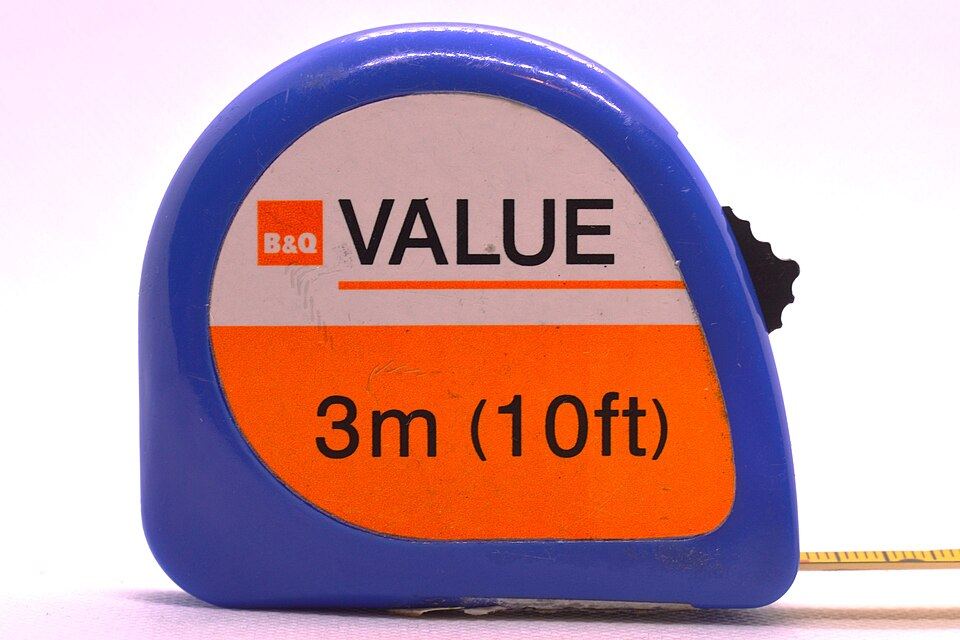
Use a soft dressmaker's tape and measure the circumference of the neck exactly where the collar will sit — high on the neck, just behind the ears, not down near the shoulders where a walking collar sits. Keep the tape snug but not tight, and read it twice, because a squirming dog and a tape measure are not natural partners.
If you don't have a soft tape, use a piece of string and then lay it against a ruler. It works perfectly well. What doesn't work is choosing from a weight chart, because two dogs of the same weight can have completely different necks, and greyhounds in particular have narrow heads and deep necks that defeat every generic chart going.
Step two: cut to fit, leaving two fingers
Fasten the collar, slide two fingers flat between it and your pet's neck, and mark where the excess should come off. Two fingers is the standard and it's worth being precise: one finger is too tight and risks rubbing, three is too loose and the collar slides down the neck or flaps against the ears.
Cut with scissors rather than tearing it. Most of these bands are a soft TPE or silicone and they cut cleanly. Round the corner afterwards so there's no sharp edge, and check under the collar daily for the first week for any redness.
- Slide two flat fingers between the collar and the neck.
- One finger is too tight, three is too loose and flaps about.
- Cut with scissors, then round the corner for no sharp edge.
- Check under the collar daily in the first week for redness.
Step three: check it again in a week
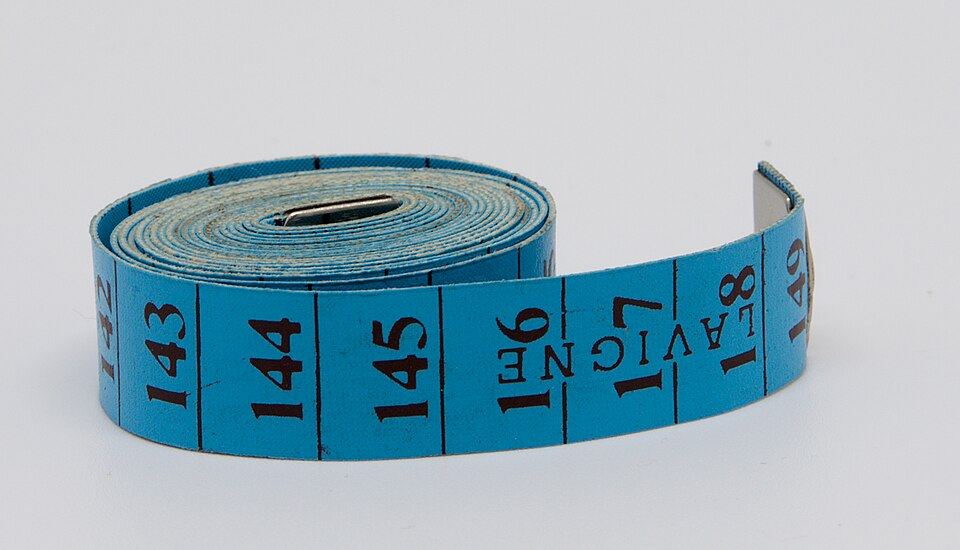
This is the step everybody skips. Animals change shape — a puppy grows, a dog puts on winter weight, a cat loses a bit over summer, and a coat change in spring is enough to alter the fit. Check the two-finger gap weekly rather than once at the start.
For a puppy, check every few days. They grow at a genuinely absurd rate and a collar that was perfect at twelve weeks can be tight by fourteen. I've seen a collar embedded in the neck of a young dog whose family fitted it once and never looked again, and it's not something you want to see twice.
Step four: what to do about water
Most of these collars are described as waterproof or water-resistant, which means a shower or a swim won't destroy them. It does not mean they should stay on for a bath. Take it off for washing, dry your pet properly, and put it back on afterwards.
The bigger risk isn't water, it's heat. A collar left on a dashboard in an Adelaide summer, or in a sealed pouch in direct sun, is being emptied of its active blend before your pet has worn it. Keep spares in a cupboard, not in the car.
When the fit is right but nothing happens
If you've measured properly, fitted it properly, given it two to three weeks and seen no change at all, then it's probably not the collar. Most of the time when one of these appears to do nothing, the real problem is the environment, a medical issue, or a training gap, and no fit was ever going to fix that.
The other possibility worth ruling out is timing. If it went on the morning of the fireworks rather than a week earlier, no amount of correct fitting will have made it work in time. Slow release means slow, and the schedule matters as much as the fit.
I've fitted hundreds of these now and I still measure every single time, because the two minutes it takes is the difference between a collar that works and eight days of wondering what you wasted your money on. Soft tape, two fingers, trim, check weekly. — Nadia, Adelaide, where the soft tape lives in the kitchen drawer.
Frequently Asked Questions
How tight should a calming collar be?
You should be able to slide two fingers flat between the collar and your pet's neck. One finger is too tight and risks chafing, three is too loose and the collar will slide down the neck away from the nose, where it does much less.
Where exactly should it sit on the neck?
High on the neck, just behind the ears, not down near the shoulders where a walking collar sits. Because the blend is released into the air around your pet's nose, position directly affects how well it works.
Can I cut a calming collar to size?
Yes, and you usually should. Measure the neck, allow the two-finger gap, mark the excess and cut with scissors. Round off the corner so there's no sharp edge, and recheck the fit weekly as your pet's weight or coat changes.
Can my dog wear it in the bath or the rain?
Most are water-resistant enough for rain and swimming, but take it off for a proper bath and dry your pet before putting it back on. Keep spare collars out of direct sun and out of the car, since heat empties them faster than water does.
I fitted it correctly and it still does nothing. Why?
Check the timing first — these need days on the neck before an event, not hours. If the timing was right and there's no change after two to three weeks, the underlying issue is probably environmental, medical or a training gap rather than something a collar can address.
Size & Fit Reference
| Size | Neck circumference | Collar length | Typical pets |
|---|---|---|---|
| Cat | 18–25 cm | 38 cm | Cats, kittens, toy breeds |
| Small | 25–35 cm | 45 cm | Puppies, Cavoodle, small terriers |
| Medium | 35–48 cm | 62 cm (cut to fit) | Kelpie, Cocker Spaniel, most adult dogs |
| Large | 48–62 cm | 65 cm (cut to fit) | Labrador, Greyhound, large breeds |
Most collars release for around 60 days once the sealed pouch is opened. Replace every eight weeks, or sooner if the scent fades.
Looking for calming & anxiety?
We stock the gear covered in this guide, with Australia-wide shipping and Afterpay at checkout.
Shop Calming at Paws of Oz