My Dog Used to Drag Me Down the Street — How a No-Pull Harness Actually Fixed It
Short answer: a front-clip harness stopped the dragging, and no amount of lead work did. Archie towed me down the footpath for a year before I worked out that the collar was the problem. You'll want the pressure on his chest, not his throat — every lunge on a collar gave him one more reason to fight it. Moving that pressure forward stopped the choking and most of the pulling with it.
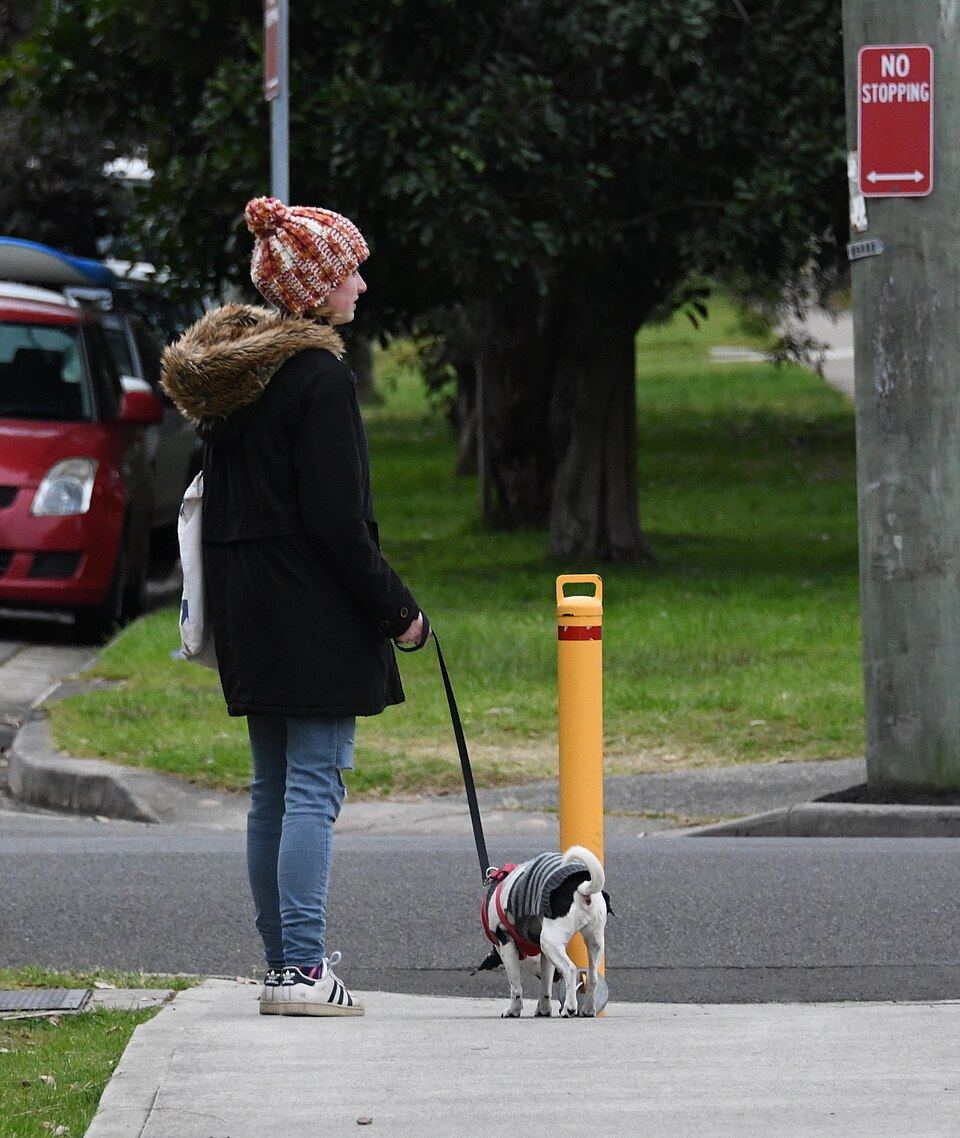
There's a particular kind of humiliation that comes from being towed down a suburban footpath by a thirty-kilo dog while a neighbour pretends not to watch. That was me, most mornings, with my rescue boy Archie. He wasn't aggressive — he was reactive, which is a word I didn't really understand until I lived it. Any bike, any jogger, any leaf that moved wrong, and he was at the end of the lead like a landed fish. I tried everything the internet suggested, and most of it made things worse.
What "reactive" actually meant for us
Reactive dogs aren't bad dogs. They're overwhelmed dogs. Archie would see a trigger and flip into full alarm, and because he was on a collar, every lunge slammed his throat and wound him up further. The first real dog pulling on lead solutions I found that helped wasn't a magic clip — it was taking the pressure off his neck so he could think at all. That's where the harness came in.
I lost count of the walks I cut short, turning around at the first glimpse of a pram or a cyclist because I already knew what was coming. The collar made every one of those moments worse, because the lunge punished his throat and pumped him fuller of adrenaline, which made the next trigger louder. Understanding that cycle helped me stop blaming him and start changing the setup instead.
The no-pull harness that changed the game
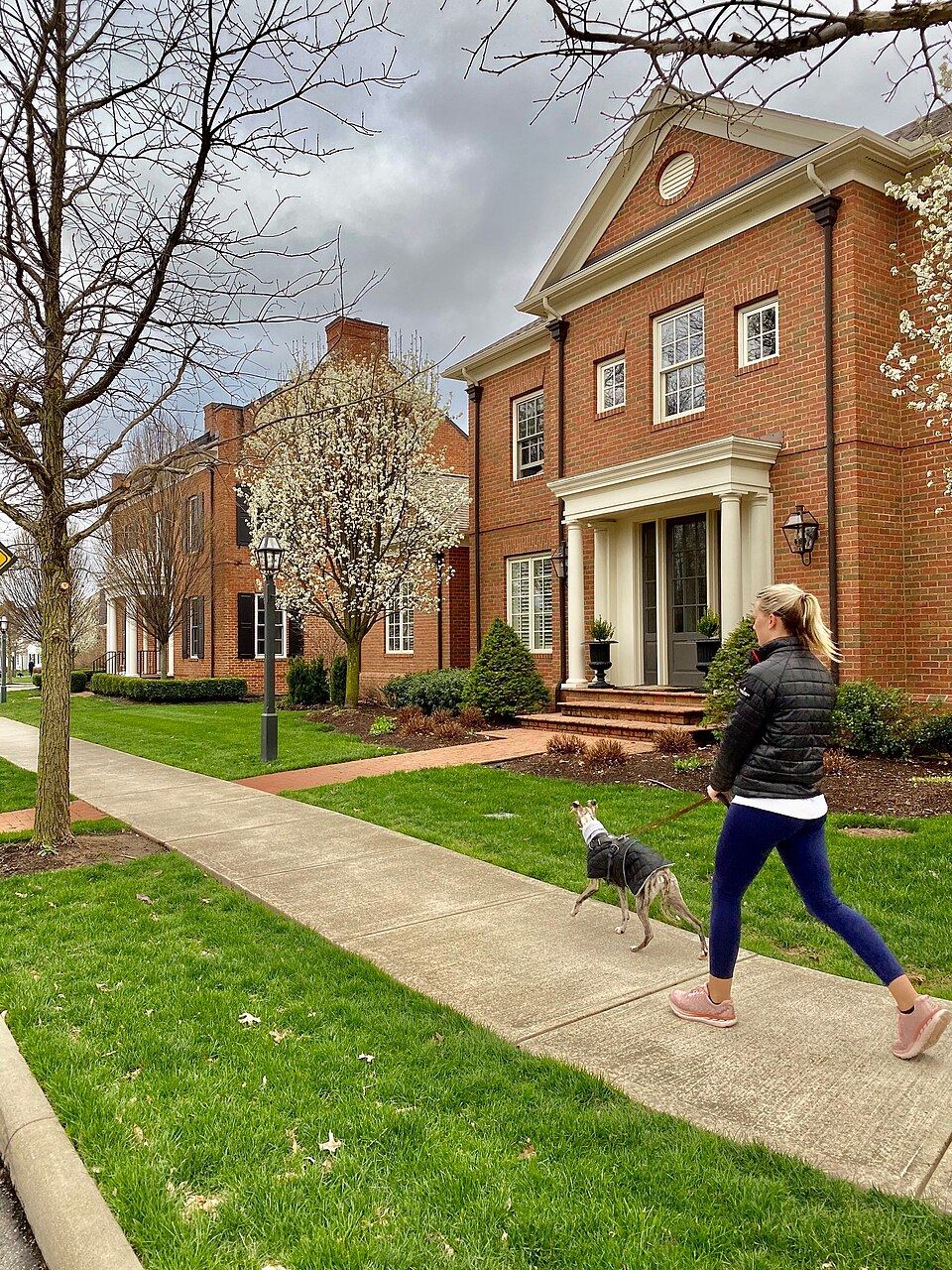
A no pull dog harness works by redirecting, not by hurting. The version that worked for us was a front clip no pull harness, where the lead attaches to a ring on the dog's chest rather than the back. When Archie pulled, the gentle sideways turn took the power out of the lunge and brought his attention back to me. It didn't train him by force — it just gave us a calmer starting point to actually communicate.
Learning front clip harness how to use properly took a week. You have to keep the lead a bit shorter than usual, stay aware of the chest ring, and reward the moment he looks at you instead of the trigger. The harness isn't the training; it's the tool that makes the training possible without either of you getting hurt.
When I added a gentle leader headcollar
For our worst phase, I also tried a gentle leader headcollar. It looks like a halter and guides the head, so when Archie fixated, I could turn his face back to me with almost no force. The headcollar vs harness for pulling debate online gets heated, but for us it wasn't either-or — the headcollar was a short-term steer, and the harness was the everyday gear. Some dogs hate headcollars; Archie tolerated his after a few peanut-butter sessions of just wearing it inside.
Using a long line for recall
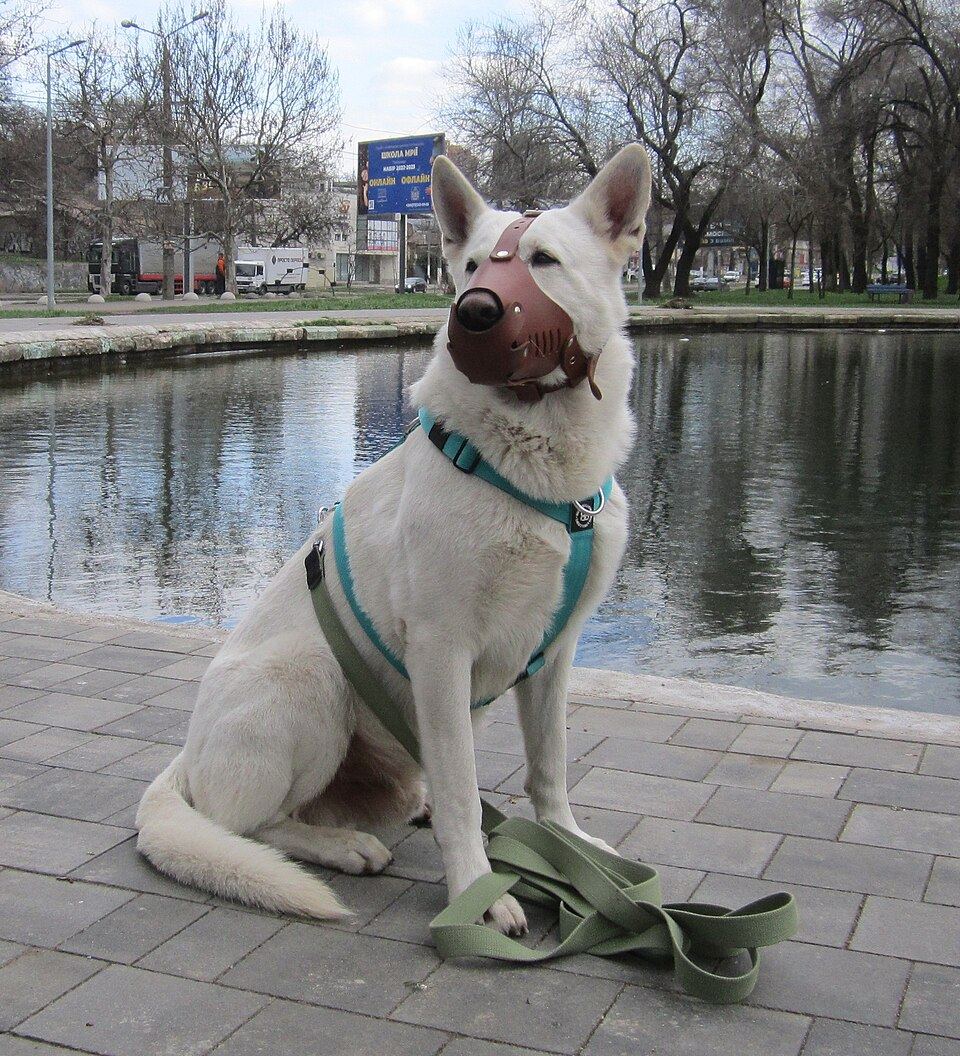
The thing nobody tells you is that a city lead doesn't build a reliable dog. Once Archie was calmer on the lead, I started using a long line training lead at quiet reserves — fifteen metres of webbing so he could wander, sniff, and learn that coming back is worth it. A dog training lead for recall like this let him make choices while I still had control, and his "come" went from hopeless to actually pretty good over a couple of months.
I kept a proper dog lead for reactive dogs on our street walks — something short and solid — and switched to the long line only where it was safe. Mixing the two taught him that calm on the lead earns freedom off it.
We kept these sessions short on purpose. Ten minutes of good recall beats forty minutes of me nagging him and both of us getting frustrated. The dog training lead for recall only works if the dog stays under his threshold, and Archie's threshold was low at first — too much distance and he'd switch off and ignore me completely. So we built it slowly, celebrating the small wins.
Reactive dog walking tips that actually helped in Australia
A few reactive dog walking tips Australia owners shared with me stuck. Walk at off-peak hours when the footpaths are emptier. Cross the road before the trigger, not at it — management beats correction every time. Carry high-value treats (for Archie, it was cheese) and reward a glance away from the scary thing. And find a quiet reserve; we're lucky here with space, but you have to go looking for it.
- Walk at off-peak hours when the footpaths are emptier.
- Cross the road before the trigger, not right at it.
- Carry high-value treats and reward a glance away from triggers.
- Find a quiet reserve where the real recall work can happen.
The weeks that felt like nothing
I'll be straight with you, because the polished versions online annoyed me: for the first month the harness felt like it wasn't working. Archie still lunged, I still got tugged, and more than once I wondered if I'd wasted the money. What changed wasn't the gear alone — it was that the no pull dog harness stopped the choking, which finally let me teach him instead of just surviving the walk. The harness bought us the calm to learn, and that's the part worth waiting for even when it doesn't show up on week two.
My sign-off
Archie still isn't a perfect dog, and I don't expect him to be. But the dragging stopped, the choking stopped, and our walks are now something we both enjoy instead of a daily battle. If you've got a puller or a reactor, please know it gets better — with the right gear and a bit of patience, the dog at the end of your lead can become the one who checks in with you instead of yanking toward the horizon. Start with the harness, add the long line when you're ready, and be kind to both of you on the bad days.
— Archie's person, still out there training, one quiet street at a time.
Frequently Asked Questions
Will a no-pull harness stop my dog pulling?
Not by itself. A harness, especially a front-clip style, takes the choke out of the lunge so your dog can think and you can train. The gear creates a calmer starting point; the loose-lead training does the rest.
What is a front-clip harness and how do I use it?
The lead clips to a ring on the chest instead of the back. Keep the lead shorter than usual, stay light-handed, and when your dog pulls the chest ring turns him sideways. Reward the moment he looks back at you rather than the trigger.
Is a headcollar or a harness better for pulling?
They do different jobs. A harness is everyday wear that protects the throat; a headcollar is a short-term steering aid for the worst reactive weeks. For many dogs the harness is the long-term answer and the headcollar is temporary.
How does a long line help with recall?
A 15 metre long line lets your dog range and sniff at a quiet reserve while you keep control. It builds a reliable come through choice and reward, rather than nagging, and it works best in short, successful sessions under threshold.
How long does it take to see progress with a reactive dog?
Realistically months, not weeks. The first weeks may feel flat or even worse, then calm walks appear one at a time. The harness buys you the calm to teach; steady repetition is what actually changes the dog.
Lead & Harness Size Reference
| Lead length | Webbing width | Best use |
|---|---|---|
| 1.2 m | 1.5–2.5 cm | Everyday suburban walks, most dogs |
| 2 m | 1.5 cm | Lead training and recall work |
| 3–5 m (long line) | 1.5–2 cm | Beach, park, off-lead practice |
| Adjustable 1.5–3 m | 2.5 cm padded | City plus reserve, changing needs |
Webbing width by dog size: under 10 kg → 1.5 cm, 10–25 kg → 2 cm, over 25 kg → 2.5 cm.
Looking for dog leads & walking gear?
We stock the gear covered in this guide, with Australia-wide shipping and Afterpay at checkout.
Popular in this range: mesh harness & lead set · hands-free running leash
Shop Leads & Walking at Paws of Oz