Keeping My Dog Safe in the Car: Why a Seatbelt Harness Is Non-Negotiable
Short answer: a dog car harness that clips to the seatbelt is non-negotiable, and Roo changed my mind the day he slid into the footwell when I braked for a roo. You should fit one that anchors to the body, never the neck, with a metal clip that will not snap under force. The near miss left my conscience shaken and the driver's window cracked, so the routine now is clip in before the engine starts. Test the clip with a hard tug before you ever drive.
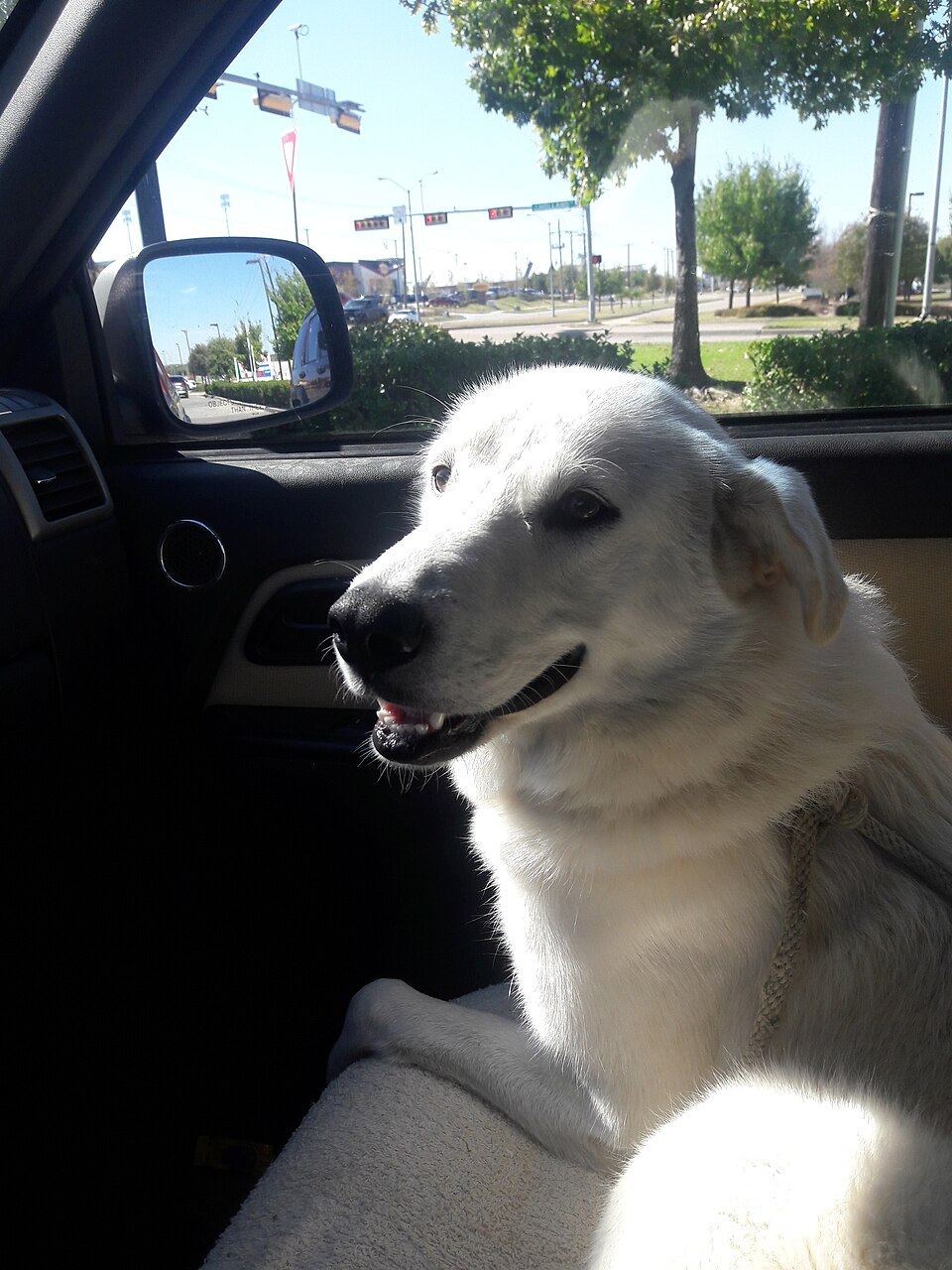
I will be honest: for the first year with my kelpie-cross, Roo, I drove with him loose in the back seat. He loved it — head out the window, tongue flapping, the wholeAustralian stereotype. Then one day I braked hard for a roo that darted across the road, and Roo went sliding off the seat and into the footwell. He was fine. The driver's side window was not, and neither was my conscience. That single moment is why I now consider a dog car harness seatbelt absolutely non-negotiable, no exceptions, no "just this once."
The Day I Changed My Mind
After that near miss, I read up properly. A loose dog in a crash becomes a projectile, and even a gentle stop at speed can turn a forty-kilo dog into a serious hazard for everyone in the cabin. I ordered a dog seatbelt restraint that clips to his existing harness, and the difference was immediate. He could still sit, lie down, and stick his nose toward the window, but he could not become a furry cannonball if I had to brake suddenly.
The car travel dog restraint Australia market has a lot of flimsy options, so I looked for a harness rated to actually absorb force, not just a thin webbing loop. Roo wears a padded vest-style harness, and the dog seatbelt clip for car attaches to a built-in loop on the back. It clicks into the regular seatbelt receiver, so setup takes five seconds.
Understanding the Legal Side
I also learned that this is not just my own worry — there is a car restraint law dogs Australia drivers need to respect. In every state, a dog must be restrained so it cannot distract the driver or injure itself or others. Police can fine you if your dog is roaming the cabin. The dog car harness Australia law angle pushed me from "should probably" to "always," because a restraint keeps me legal and Roo alive at the same time.
What counts as proper restraint varies, but a certified harness with a seatbelt tether is widely accepted. A friend got pulled over with her lab loose in the ute tray and copped a fine plus a lecture. Cheaper to just buy the gear and clip in every single trip, short or long.

Harness vs Crate for Car Travel
People often ask me about travel dog crate vs harness car setups, and I have tried both. A crate is brilliant for long road trips and anxious dogs who like a den, and it protects the car interior. But for my daily commute and quick beach runs, a harness is far more practical — no heavy box to lug, and Roo can still see me and stay calm. The safest dog car restraint Australia option is simply the one you will actually use every time, and for me that is the harness.
If you go the crate route, strap it down. An unsecured crate slides exactly like an unsecured dog. I keep a collapsible crate in the boot for holidays and the harness for everyday, which covers both bases without overthinking it.
- A crate suits long road trips and dogs who like a den.
- A harness is more practical for the daily commute and beach runs.
- The safest restraint is the one you will actually use every time.
- Strap a crate down, because an unsecured one slides like a dog.
- I keep a crate in the boot for holidays and a harness for every day.
The Lead I Use Everywhere Else
Car safety is only half the story. The lead I clip Roo to at the park also deserves thought. I used to swear by a retractable dog lead because it let him range on quiet trails. They are handy, no doubt, but after he tangled a cyclist on a shared path, I rethought it. The retractable lead vs standard lead debate is real: retractables give freedom but less control, and the thin cord can burn your hand or snap under a lunging dog.
Now I carry both. A standard lead for busy streets and the shops, where control matters more than distance. A retractable for empty beaches and bush tracks, where he can safely explore. Knowing when to use which has made walks calmer for both of us, and it pairs naturally with the restraint habit in the car — consistency is the thread through all of it.

Why It Matters More Than the Fine
People focus on the penalty, but the real cost of an unrestrained dog is the kind you cannot pay back. A friend's border collie launched into the windscreen during a low-speed intersection bump and needed surgery no insurance fully covered. The safest dog car restraint Australia option is worthless if it lives in the boot unused. I have made clipping in as automatic as putting on my own belt, so I never have to "remember" on a tired day.
There is also the distraction angle the law rarely mentions. A dog climbing onto your lap at sixty kilometres an hour is a crash waiting to happen, and it happens fast. The restraint removes that variable entirely, which makes me a calmer, better driver — and Roo a calmer passenger.
My Non-Negotiable Routine
These days the order is always the same: Roo jumps in, I clip the harness to the seatbelt, and only then do we move. No exceptions for "just around the corner." The lead choice happens at the destination, not before. It took one scary brake to teach me the lesson, but I would rather you learn it from my story than from your own near miss.
Your dog trusts you with its life every time you start the engine. A seatbelt harness is the easiest promise you can keep back.
— Roo's driver, still grateful for that wake-up call on the open road.
Frequently Asked Questions
Why should my dog wear a seatbelt harness in the car?
An unrestrained dog becomes a projectile in a hard stop and a distraction to the driver. A harness with a seatbelt tether keeps your dog secure, legal and alive, and setup takes about five seconds once it's clipped in.
What does the law say about dogs in cars in Australia?
In every state a dog must be restrained so it can't distract the driver or be flung around. A loose dog in the cabin or ute tray can cop a fine and demerit points, so secure the animal every trip, long or short.
Is a crate or a harness better for car travel?
A crate suits long trips and anxious dogs who like a den, but it must be strapped down. A harness is lighter and faster for daily commutes. The safest option is simply the one you'll actually use every time.
What should I look for in a car harness?
A padded vest that spreads load across the chest, never the neck, plus a metal seatbelt clip that won't snap under force. Test the clip by tugging hard before you drive; if it flexes, it isn't the one.
Are retractable leads safe for everyday use?
Handy on empty beaches, but the thin cord can burn your hand or snap under a lunging dog, and they give less control near traffic. Carry a standard lead for streets and shops, and save the retractable for open space.
Lead & Harness Size Reference
| Lead length | Webbing width | Best use |
|---|---|---|
| 1.2 m | 1.5–2.5 cm | Everyday suburban walks, most dogs |
| 2 m | 1.5 cm | Lead training and recall work |
| 3–5 m (long line) | 1.5–2 cm | Beach, park, off-lead practice |
| Adjustable 1.5–3 m | 2.5 cm padded | City plus reserve, changing needs |
Webbing width by dog size: under 10 kg → 1.5 cm, 10–25 kg → 2 cm, over 25 kg → 2.5 cm.
Looking for dog leads & walking gear?
We stock the gear covered in this guide, with Australia-wide shipping and Afterpay at checkout.
Popular in this range: headrest car tether · mesh harness & lead set
Shop Leads & Walking at Paws of Oz