I Tested No-Pull Harnesses So You Don't Have To (Puppy & Adult Versions)
Short answer: you'll want to start with a front-clip harness and a stop-start routine. That pairing did more than any of the five harnesses I bought, and it is the one thing I would repeat. Three months, five harnesses and two very tired arms later, here is what actually separated them. Puppies and adults need different adjustment ranges, so check that before the price.
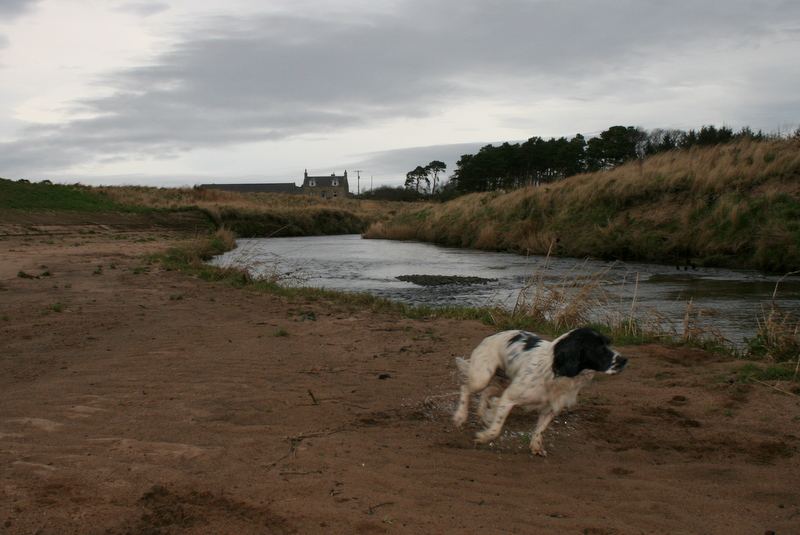
I've got two pullers in this house. Bruno, my eight-month-old spaniel puppy, treats every walk like a sled race, and Rusty, my adult cattle dog, has the muscle to actually drag me into traffic. After one too many red-faced lunges down the street, I went down the no-pull harness rabbit hole properly — bought a stack, fitted them, walked the same routes, and took notes. This is the honest version of what worked, what was a waste of money, and what I'd actually buy again.
Harness or collar?
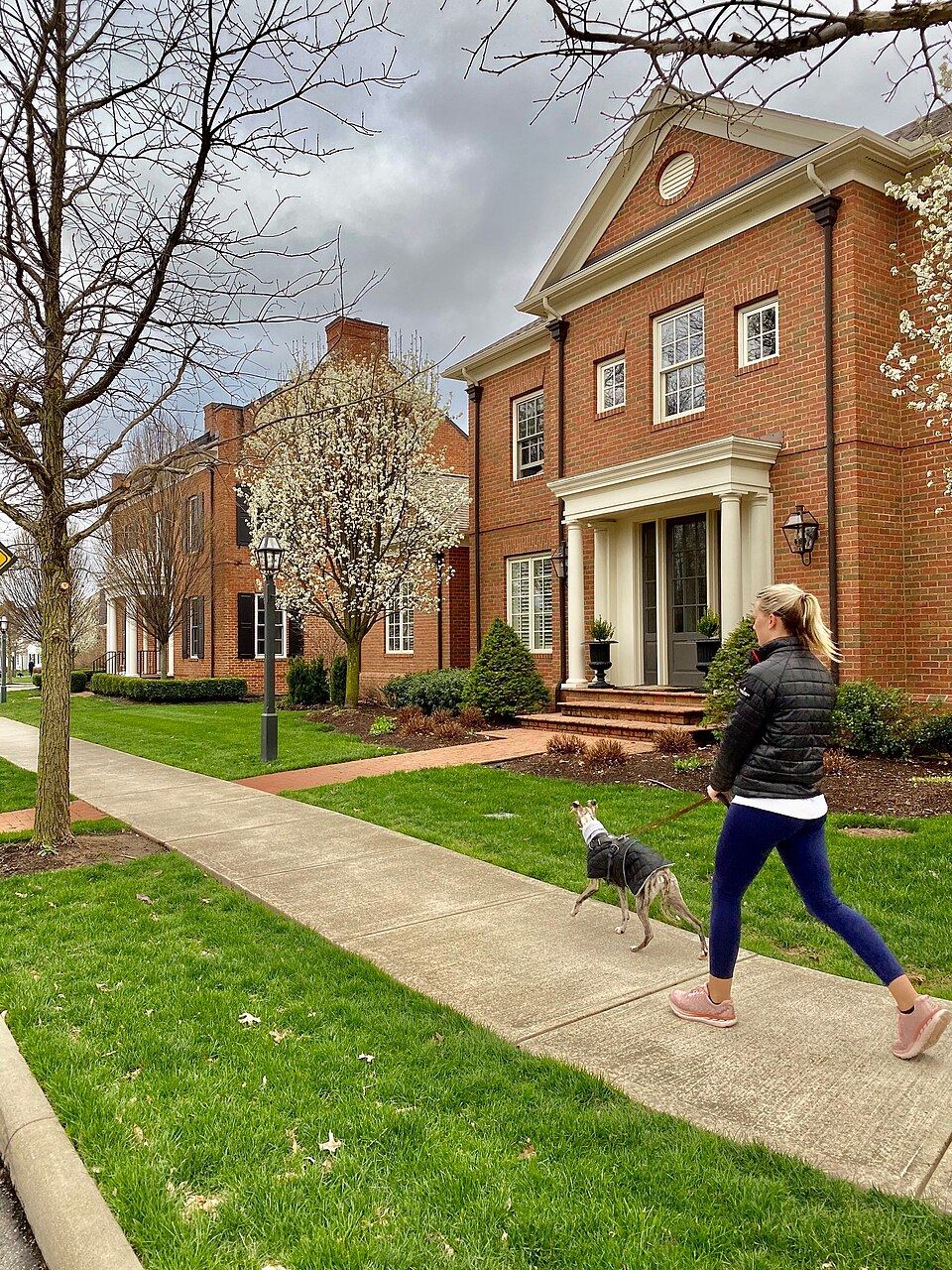
First, the obvious question: dog harness vs collar which is better? For a dog that pulls, it's the harness, no contest. A collar puts all the pressure on the throat, and on a puppy still learning it can encourage coughing and worse, reinforces the exact pulling you're fighting. A front-clip harness redirects their momentum sideways so they basically steer themselves back to you. For quick toilet trips in the yard a collar with ID is still handy, but for walking my two, the harness won the argument immediately. I keep both, but the harness does the heavy lifting.
The training half of the equation
Gear alone won't fix it, though. Learning how to stop dog pulling on lead is half equipment and half consistency. The method that stuck for me was stopping dead the instant the lead went tight, then rewarding the step back to a loose lead. Boring, repetitive, and it works. I paired that with the front-clip harness so the physical cue reinforced the training. Within two weeks Bruno was checking in with me instead of yanking toward every pigeon. Rusty took longer because he's stubborn, but the same approach chipped away at it. The lesson: buy the harness to make training humane, not to skip the training.
- Gear alone will not fix pulling; consistency matters too.
- Stop dead the instant the lead goes tight on a walk.
- Reward the step back to a loose lead every single time.
- Pair the stop-start method with a front-clip harness.
- Bruno checked in within two weeks using this routine.
Best no-pull harness for puppies
On to the puppy gear. The best no pull harness for puppies review I can give is based on Bruno's actual body, which is all legs and no chest yet. I tried three. The first was a padded step-in that she wriggled out of in a carpark — never again. The second was an adjustable velcro one that fit but rubbed a patch under her armpit after long walks. The third, a lightweight front-clip with four points of adjustment, was the winner: it grew with her, didn't chafe, and the belly strap kept her from backing out. For a puppy specifically, adjustability and soft panels mattered more than fancy buckles.
No-pull harness review, adult version
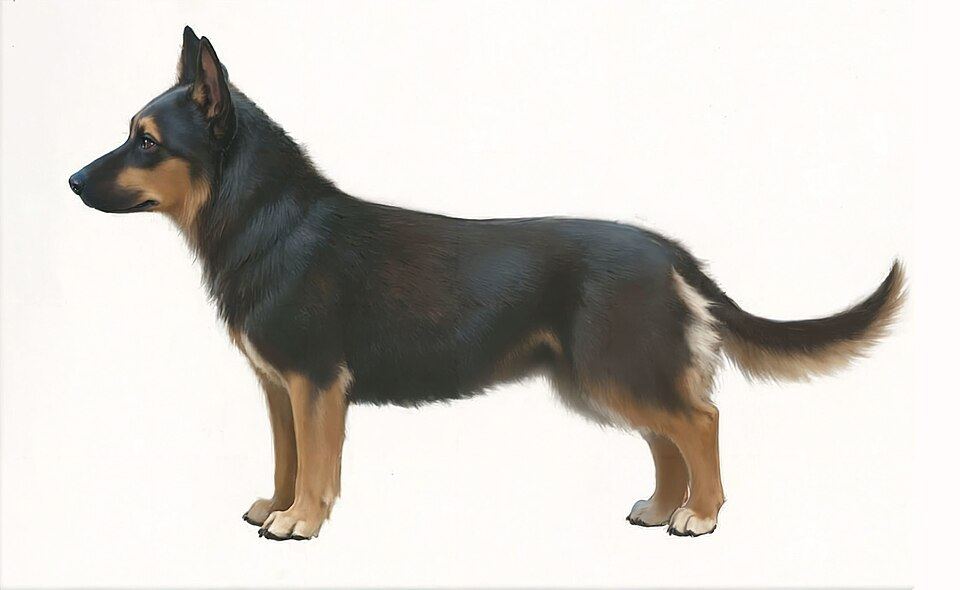
For Rusty I needed something built for a strong adult, and my no pull harness review Australia experience centred on local availability and tough hardware. I wanted a harness I could buy here without a three-week wait, with stitching that survives a cattle dog's enthusiasm. The one I settled on has a reinforced front ring and a handle on the back for those moments you need to physically hold him at a crossing. It's bulkier than the puppy version but that's the point — it's a working dog's tool. After three months of daily use the clips are still crisp and the webbing hasn't stretched. That's the test that matters.
Rabbitgoo vs EzyDog
People always ask about rabbitgoo vs ezydog harness, so I tested both on Rusty. Rabbitgoo is the budget champion — widely available, decent padding, and the front clip actually works for the price. EzyDog is the local Australian brand with noticeably thicker webbing and a more secure buckle feel; it costs more but the fit is more refined and it's built to last. If you're watching dollars, Rabbitgoo does the job. If you want something that feels premium and survives years, EzyDog wins for me. Neither is bad; it's a value-versus-longevity call.
Cheap vs premium
That brings me to cheap vs premium dog harness Australia more broadly. I've bought a $15 special that fell apart in a month and a $90 one still going strong two years later. The cheap end is fine for a dog that doesn't pull and walks gently; the premium end earns its price with better stitching, Y-front shaping that doesn't choke, and hardware that won't fail mid-walk. My rule now: spend on the harness you'll use daily, save on the cute collars.
Buying guide for 2026
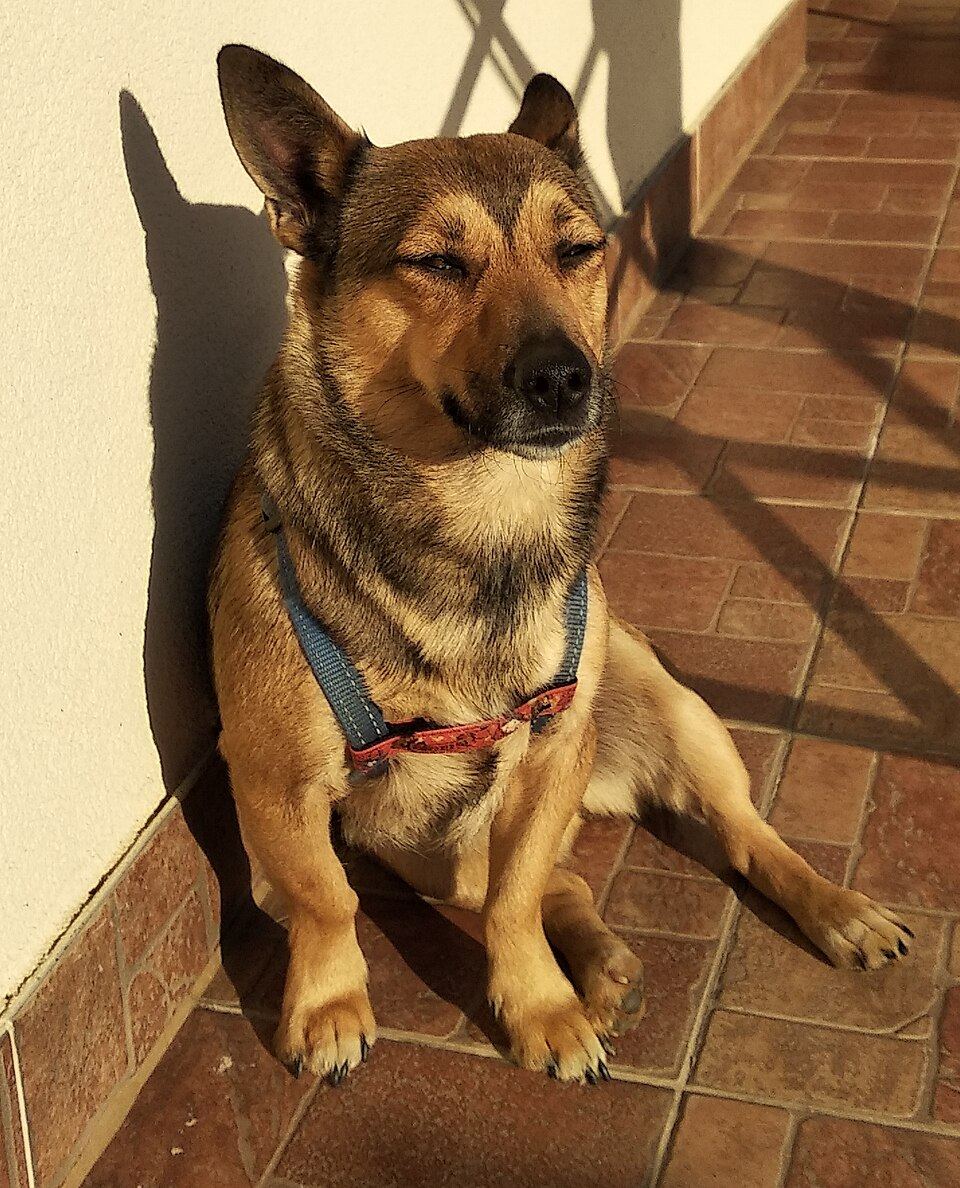
Pulling it together into a dog harness buying guide 2026: measure the chest, not the weight; pick a front-clip or dual-clip for a puller; prioritise four points of adjustment on a puppy; check the buckle quality if your dog is strong; and buy from a brand with local support so replacements aren't a saga. Breathable fabric matters in our summers, and reflective stitching is a small thing that pays off on dark winter evenings. Fit trumps brand every time.
And yes, I tried cat gear too
Because my neighbour's cat, Mouse, kept bolting out the door, I fell into the cat world as well. Figuring out how to train a cat to walk on a leash starts with indoor harness time before you ever step outside — let them wear it for ten minutes a day until they forget it's there. For my escape proof cat harness review Australia, the H-style vest with a belly strap beat the figure-eight every time; Mouse slipped the latter in seconds. My best cat harness Australia review verdict is that a snug vest-style fit, not a thin strap, is what keeps a panicked cat from backing out. Cats are not small dogs, and the gear has to respect that.
Three months, five harnesses, two very tired arms, and I'd do it again. If your dog's walking you instead of the other way around, start with a front-clip harness and a stop-start routine. Rusty and Bruno finally let me enjoy the walk.
Frequently Asked Questions
Is a harness or collar better for a pulling dog?
For a dog that pulls, a harness wins. A collar loads the throat and can encourage coughing, while a front-clip harness redirects momentum so the dog steers back to you. Keep a collar for ID in the yard.
How do I actually stop my dog pulling?
Stop dead the instant the lead goes tight, then reward the step back to a loose lead. Pair that with a front-clip harness so the physical cue reinforces the training; it is repetition, not a gadget, that fixes it.
What is the best no-pull harness for a puppy?
Look for an adjustable front-clip harness with four points of adjustment and soft panels that grow with the pup. A belly strap stops a puppy backing out, and adjustability matters more than fancy buckles.
Is Rabbitgoo or EzyDog the better harness?
Rabbitgoo is the budget pick with decent padding and a working front clip; EzyDog is the local Australian brand with thicker webbing and a more refined, lasting fit. It is a value-versus-longevity call.
Is a premium harness worth the money?
For a daily puller, yes. Premium gear earns its price with better stitching, Y-front shaping that does not choke, and hardware that will not fail mid-walk. Spend on the harness you use daily, save on collars.
Lead & Harness Size Reference
| Lead length | Webbing width | Best use |
|---|---|---|
| 1.2 m | 1.5–2.5 cm | Everyday suburban walks, most dogs |
| 2 m | 1.5 cm | Lead training and recall work |
| 3–5 m (long line) | 1.5–2 cm | Beach, park, off-lead practice |
| Adjustable 1.5–3 m | 2.5 cm padded | City plus reserve, changing needs |
Webbing width by dog size: under 10 kg → 1.5 cm, 10–25 kg → 2 cm, over 25 kg → 2.5 cm.
Looking for dog leads & walking gear?
We stock the gear covered in this guide, with Australia-wide shipping and Afterpay at checkout.
Popular in this range: mesh harness & lead set · escape-proof harness set
Shop Leads & Walking at Paws of Oz