I Started Running With My Dog — The Hands-Free Setup That Finally Worked
Short answer: you'll want to sort the lead out before you worry about distance. A hands-free belt with a short bungee section took the jolt out of every stride, and that did more for our running than any fitness work did. Clip it to a harness rather than a collar, and build up slowly — Maple was comfortable at two kilometres and sore at five.
I never set out to be a "run with your dog" person. I was just unfit, Maple had endless energy, and our evening walks weren't touching it. So one slow Tuesday I clipped her to my normal lead and tried to jog. It was a disaster. She veered, I yanked, we both tripped. But something about it stuck, and over a few months we actually figured it out. This is how the setup finally clicked, and what I'd tell past-me to skip the wasted money.
The normal lead was the first problem
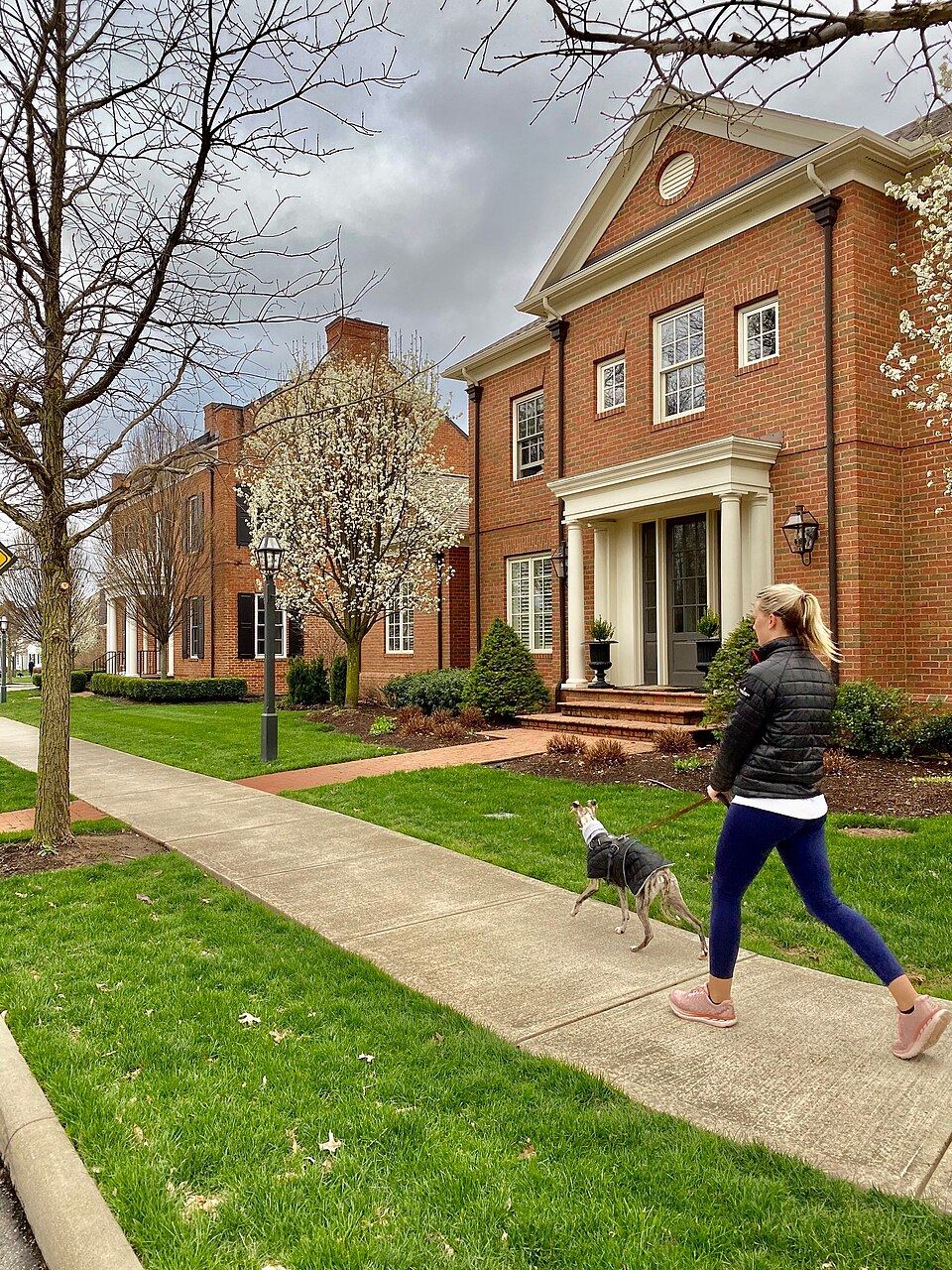
Running while holding a standard lead is awful. Your arm gets tired, the lead swings into your legs, and any sudden squirrel sends a jolt straight up your shoulder. I needed my hands free for balance and a bit of shock absorption. That sent me hunting for a hands free dog leash waist style belt, and the difference was immediate. With the lead clipped to a belt around my hips, my arms were free and the pull sat where my body could actually absorb it. It felt less like being dragged and more like we were moving together.

Adding the bungee
The waist belt helped, but Maple still hit the end of the lead like a brake every time she surged. The fix was a bungee dog leash running section built into the line. That little stretch takes the snap out of her lunges and gives me a half-second to adjust my stride instead of being yanked off balance. A trail running dog lead bungee design is exactly what I'd look for now, because the bounce is tuned for movement, not just walking. Honestly, my knees noticed the difference within a single kilometre.
The harness, not the collar
Pulling a running dog by the neck is both unkind and useless, so I got serious about a running dog harness hands free setup that clips at the back. A proper running with dog harness hands free fit sits snug on her chest without rubbing, and the back ring keeps the line centred so she doesn't trip me swinging side to side. I learned the hard way that a cheap walking harness rode up and chafed; the right one stays put even when she accelerates. Fit matters more than brand, so I measured her properly before buying.
- Pulling a running dog by the neck is unkind and useless.
- A back-clip harness keeps the line centred while she runs.
- A cheap walking harness rode up and chafed during runs.
- Measure the dog properly before buying the running harness.
- A proper fit sits snug on the chest without rubbing.
Building up without breaking us
We didn't go from zero to 5K. I kept the first runs short and slow, watched her breathing, and let her sniff when she needed to. The hands-free setup meant I wasn't fighting the lead, so I could actually pay attention to her. On weekends we'd drift onto softer ground, which is where a hiking harness for dogs trails style started making sense too, since the padded straps handled longer outings. Looking back, the patience was the real gear that mattered, the rest was just making it comfortable.
What I'd buy again
If I were starting over, I'd grab a waist belt, a bungee section, and a back-clip harness, and skip the gimmicks. For two-dog households a dog coupler for two dogs walking is the obvious next step, and I've borrowed a dual dog lead coupler from a friend to see how it feels before committing. The best dog hiking harness Australia sellers stock tends to double as a solid running harness, so you don't need two separate pieces. Treat it all as dog adventure gear Australia built for the outdoors, and it'll last.
Dealing with the awkward stage
The middle weeks were the worst, honestly. Maple wasn't fit enough to go far and I wasn't patient enough to go slow, so we'd both finish frustrated. What helped was dropping any goal except "we moved together." Some runs were walk-runs, some were just a lazy loop. Once I stopped measuring, she relaxed, and a relaxed dog runs better. If you're in that slog, don't force distance. Let the habit form first, the speed comes later, and the hands-free kit makes the messy stage bearable instead of miserable.
Gear I tried and dropped
I wasted money on a shock-absorbing lead that was basically all stretch and no control, and on a chest-clip harness that turned every pull into a spin. Neither suited running. The lesson was that "running" gear still has to match your dog's habits, not just the label on the box. For us the back-clip harness plus waist belt plus bungee was the triangle that worked, and everything else was noise. If a piece makes you fight your dog, it's the wrong piece, no matter how reviewed it is online.
Where we are now
A few months in, Maple clocks along at a steady trot and watches me for cues at corners, which still feels like a small miracle. Our Sunday runs are the best part of my week, and the gear just disappears into the background the way good gear should. I've even started eyeing longer routes and gentle trails, which is how the hiking side of all this crept in. If you'd told me a year ago I'd enjoy running, let alone with a dog, I'd have laughed. The setup did the heavy lifting, quite literally.
A quick note on paws
One thing I didn't expect: her paws needed time to toughen up too. Hot paths and gravel left her sore at first, so I kept early runs on grass and built surface variety slowly. Happy paws made the whole thing easier, and it reminded me that the dog, not the kit, sets the pace. Watch the feet, ease off on rough ground, and the running takes care of itself.
If you've been thinking about running with your dog, start slow and fix the lead first. It took me weeks to learn what I just told you in a page. — from me and Maple.
Frequently Asked Questions
How do I start running with my dog?
Fix the lead first. A hands-free waist belt keeps your arms free and puts the pull on your hips, while a bungee section absorbs surges. Start slow, watch your dog's breathing, and let sniffing happen — don't chase a distance goal early.
Why use a hands-free waist belt?
Holding a standard lead while running tires your arm and swings into your legs. Clipped to a hip belt, the pull sits where your body absorbs it, so it feels less like being dragged and more like moving together.
What harness is best for running?
A snug back-clip running harness that stays put and doesn't ride up or chafe. Measure your dog properly first; a cheap walking harness can slip and rub once she accelerates, which ruins the run for both of you.
Is a bungee lead necessary?
It makes a big difference. The stretch takes the snap out of lunges and gives you a half-second to adjust stride instead of being yanked off balance. A trail-running bungee is tuned for movement, not just walking.
Can I run with two dogs?
A dual coupler or two-dog lead lets you walk or run both from one belt, once each dog is steady solo. The best hiking harnesses double as running harnesses, so you don't need separate pieces — just match the gear to the dog's habits.
Lead & Harness Size Reference
| Lead length | Webbing width | Best use |
|---|---|---|
| 1.2 m | 1.5–2.5 cm | Everyday suburban walks, most dogs |
| 2 m | 1.5 cm | Lead training and recall work |
| 3–5 m (long line) | 1.5–2 cm | Beach, park, off-lead practice |
| Adjustable 1.5–3 m | 2.5 cm padded | City plus reserve, changing needs |
Webbing width by dog size: under 10 kg → 1.5 cm, 10–25 kg → 2 cm, over 25 kg → 2.5 cm.
Looking for dog leads & walking gear?
We stock the gear covered in this guide, with Australia-wide shipping and Afterpay at checkout.
Popular in this range: mesh harness & lead set · escape-proof harness set
Shop Leads & Walking at Paws of Oz