Do Seat Covers Survive the Washing Machine? Six Washes Later
Short answer: six machine washes on a cold, gentle cycle killed two of my six covers and left two others looking fine while a seam quietly opened. Covers with a quilted polyester face and webbing straps came through. Covers with laminated foam, glued seams or a sprayed-on rubberised backing did not.
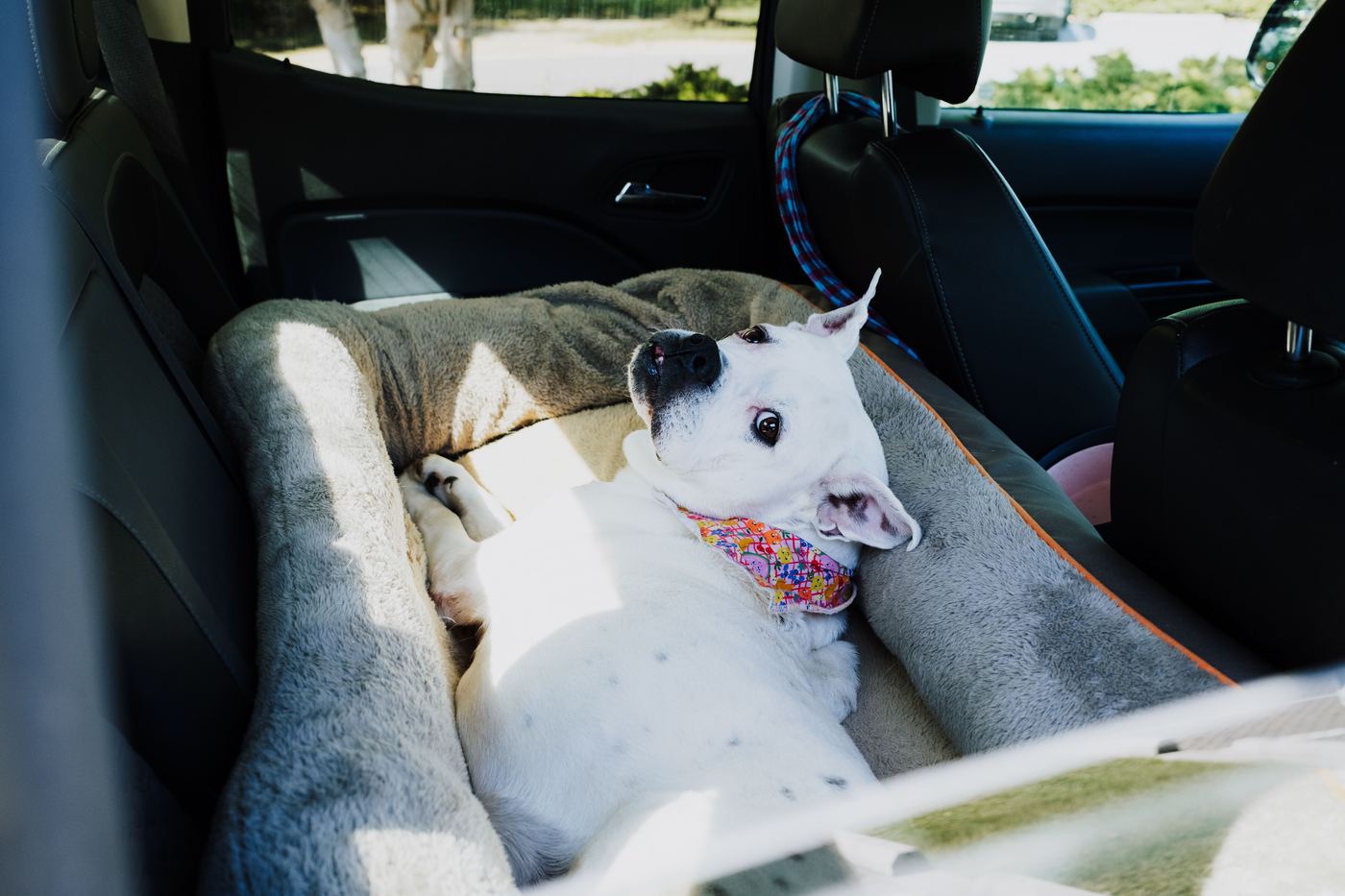
Six covers went through my laundry over one wet winter, one every fortnight, because the back seat of my ute was doing dog duty between market runs. I kept a notebook taped to the machine: what came out, what shrank, what went crunchy. Two covers came back looking close to new. Two looked fine until you ran a hand along the seam. Two went straight into the rag pile. What follows is what I actually saw, why the failures happened, and why the care label on three of the six gave advice that would have killed the cover faster.
The six covers and the wash cycle
All six had done a few months on a ute's back seat: wet dog, red dust and the occasional bag of horse feed. I washed them in pairs so nothing tangled, on a cold machine cycle with a low spin and about a tablespoon of plain detergent. No fabric softener and no bleach. Softener is the one thing I will not put through a cover, because it leaves a film on the backing that kills the grip. Drying was identical for all six: line dried in shade, never in the dryer, because heat is what sets a crease into a foam layer and shrinks a polyester border. Each cover then got a fortnight to dry right through before it went back in the car. After every wash I noted four things: whether the cover still measured the same across the seat, whether the backing still felt tacky, whether any seam had opened, and whether the strap holes had stretched.
What kept its shape after six washes
The two covers that came through cleanly shared the same basic build: a quilted polyester face over polyester wadding, a separate non-slip underside that was stitched rather than glued, and nylon webbing straps with metal buckles. Nothing in that stack holds much water, so the cover dries fast and the shape does not move. The stitching mattered more than the fabric. Covers sewn with a lockstitch and a reinforced bar at every strap junction held. Covers that used a single line of stitching along the whole border had a small gap at one corner by wash four.
If you are comparing covers on a shop floor, turn one over and find where a strap meets the fabric. If you can see one row of thread and no bar tack, that is the spot that will open first.
Where the failures show up first
Seams go before fabric, every time. On two of my covers the first sign was a soft spot along the piping at the front corner, where the cover folds over the seat edge and takes the most tension. By wash five that spot had opened into a gap about 3 cm wide and the wadding was coming out in clumps. The other failure looked completely different: the laminated foam layer separated from the outer fabric in sheets, so the cover looked intact until you lifted it and saw the lining hanging loose. Glued seams and laminated layers do not like water, and no cycle setting fixes that. It is worth reading a few seat cover guides before you spend, because the failure point is decided at the factory, not in your laundry.
- Quilted polyester over stitched wadding is the build that survives repeated washing.
- Check for a bar tack where every strap meets the cover fabric.
- Never use fabric softener, it films the non-slip backing and kills grip.
- Line dry in shade, a dryer sets creases into foam and shrinks borders.
- Expect glued or laminated layers to separate between wash three and wash five.
Labels, laminated foam and hot water
The care label is the least reliable part of most covers I have handled. Two of mine said warm machine wash, which is exactly the temperature that softens the glue holding a laminated backing in place. One said dry clean only, which for a cover that lives under a wet dog is not a realistic instruction for most households. Another said do not machine wash at all, and that was the cover with the glued foam, so in that case the label was honest. My rule now is simple. If the label allows a cold gentle cycle, wash it that way and skip the spin. If it says warm, I would still go cold, because warm water is the point where a cheaper backing starts to move.
Straps, buckles and hidden hardware
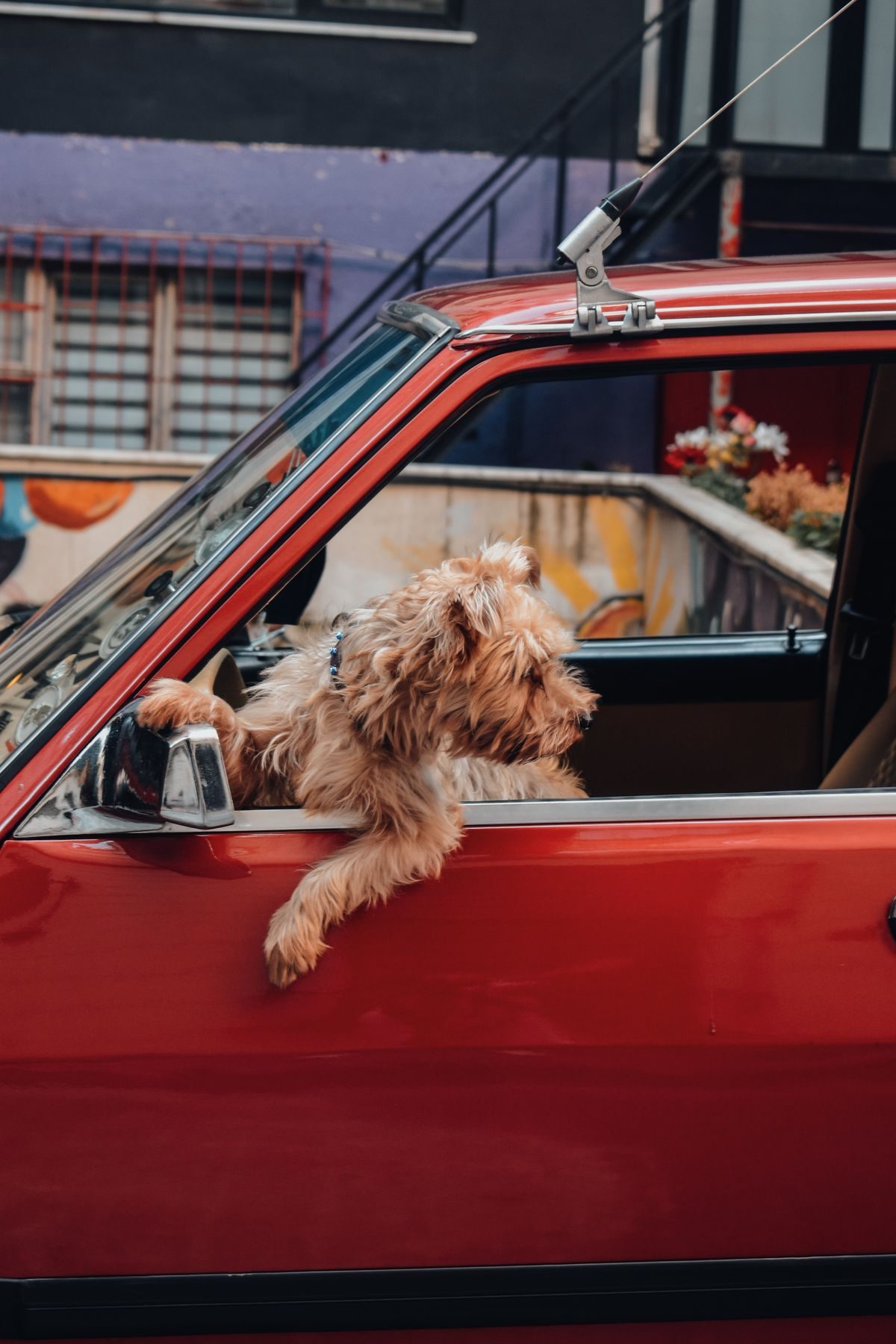
Straps and buckles take damage you cannot see from the driver's seat. Webbing itself handles water without trouble. The clips are the problem, because grit collected in a buckle stays there through a wash and then grinds on the plastic every time you clip the cover back in. I now rinse buckles under a tap and leave them unclipped so they cannot jam against the drum. Elasticated corners are the other weak point: elastic relaxes with repeated warm washing, and a cover with slack corners slides forward on the seat within a week. On the two covers that failed, the elastic was still fine. The fabric and the seams let go first. Strap anchors deserve a look too, because a loop sewn through a single layer of fabric will loosen the weave before the strap itself wears.
| Cover build | Wash result | What to watch | Verdict |
|---|---|---|---|
| Quilted polyester, stitched non-slip backing | No change in shape | Strap anchor stitching | Buy again |
| Canvas with rubberised base | Backing went tacky | Grip on leather seats | Fine if line dried |
| Laminated foam, glued seams | Layers separated by wash four | Lining hanging loose | Do not machine wash |
| Waterproof polyester, taped seams | Shape held, tape lifted at corners | Corner piping | Good for mud |
| Corduroy with elastic corners | Pilled and faded | Elastic relaxing | Cosmetic only |
| Mesh top layer over foam | Mesh stretched, foam crumbled | Foam dust in the drum | Not worth washing |
Choosing a cover you can actually wash
If washing matters to you, buy for the backing first and the colour last. A stitched non-slip underside, a quilted face and webbing straps with real bar tacks will handle a cold cycle many times over, and that combination is what I look for on the shelf now. Canvas with a rubberised base is a reasonable second choice if it is line dried and never left folded while damp, because folded damp rubber is where mould starts. Anything with laminated foam or visible glue lines is a cover you spot clean with a damp cloth and a little dish soap. Ask what the cover is made of before you pay. If the seller cannot tell you, that tells you something too.
Frequently Asked Questions
Can I put a seat cover in the dryer on low?
I would not, even on low. The tumbling is as much of a problem as the heat, because it works against every seam while the cover is heavy with water. If you need a cover dry quickly, hang it over a clothes horse or a fence rail in the shade with the backing facing out. A second spin cycle in the machine does more good than any dryer setting.
How often should a dog seat cover be washed?
For a cover that carries a muddy dog a few times a week, I wash mine about every three weeks and spot clean in between. A fortnightly wash is fine on a sturdy cover but hard on a cheap one, and that is usually where the damage happens. If the cover smells before it looks dirty, wash it, because smell sits in the wadding.
Will machine washing ruin the non-slip backing?
A stitched non-slip backing usually copes, though it will feel less tacky for a wash or two. A rubberised or sprayed-on backing is the one that suffers. Fabric softener does more damage to grip than water does, so leave it out entirely. If a cover starts sliding after a wash, rinse it again with no detergent and line dry it.
My cover says dry clean only. Can I wash it anyway?
For a cover that lives in a car with a wet dog, dry cleaning is usually impractical, so I would wash it cold and gentle and accept the risk. If the label warns against water because of a glued or laminated layer, believe it and spot clean instead. If you are unsure, test a corner first and check it after it dries.
Do I need to remove the straps before washing?
Leave the straps on but unclip every buckle and rinse the grit out of the clips first. Webbing handles water without trouble, and loose buckles stop the cover flapping against the drum, which is where corners get torn. Check the strap anchors after the wash and look for any thread that has started to fray.
Looking for dog car seat covers?
We stock the gear covered in this guide, with Australia-wide shipping and Afterpay at checkout.
Popular picks from this guide: waterproof seat cover · boot liner / cargo liner
Shop Car Seat Covers at Paws of Oz