Camping With the Cover On: Overnight Back-Seat Setups
Short answer: yes, the covered back seat can double as Scout's bedroom at camp, provided you strip the loose gear, crack the windows for airflow and park in shade before the evening cools. The cover that survives corrugations also handles a sandy swag site, but only if you set it up like a bedroom, not a storage shelf.
Last dry season I spent four nights camped beside the Roper River with the back of the ute facing the water and Scout asleep across the covered back seat. That cover had already done Darwin to Mataranka and back plus a week of corrugations. The trip settled something for me: at camp, a covered back seat is not just protection, it is furniture. It becomes the dog's bunk, my bench and the place every lead and towel ends up. Treat it that way and the whole camp runs smoother. Treat it as an afterthought and you spend the trip shuffling gear while the dog hunts for somewhere flat to sleep.
The covered back seat as a bunk
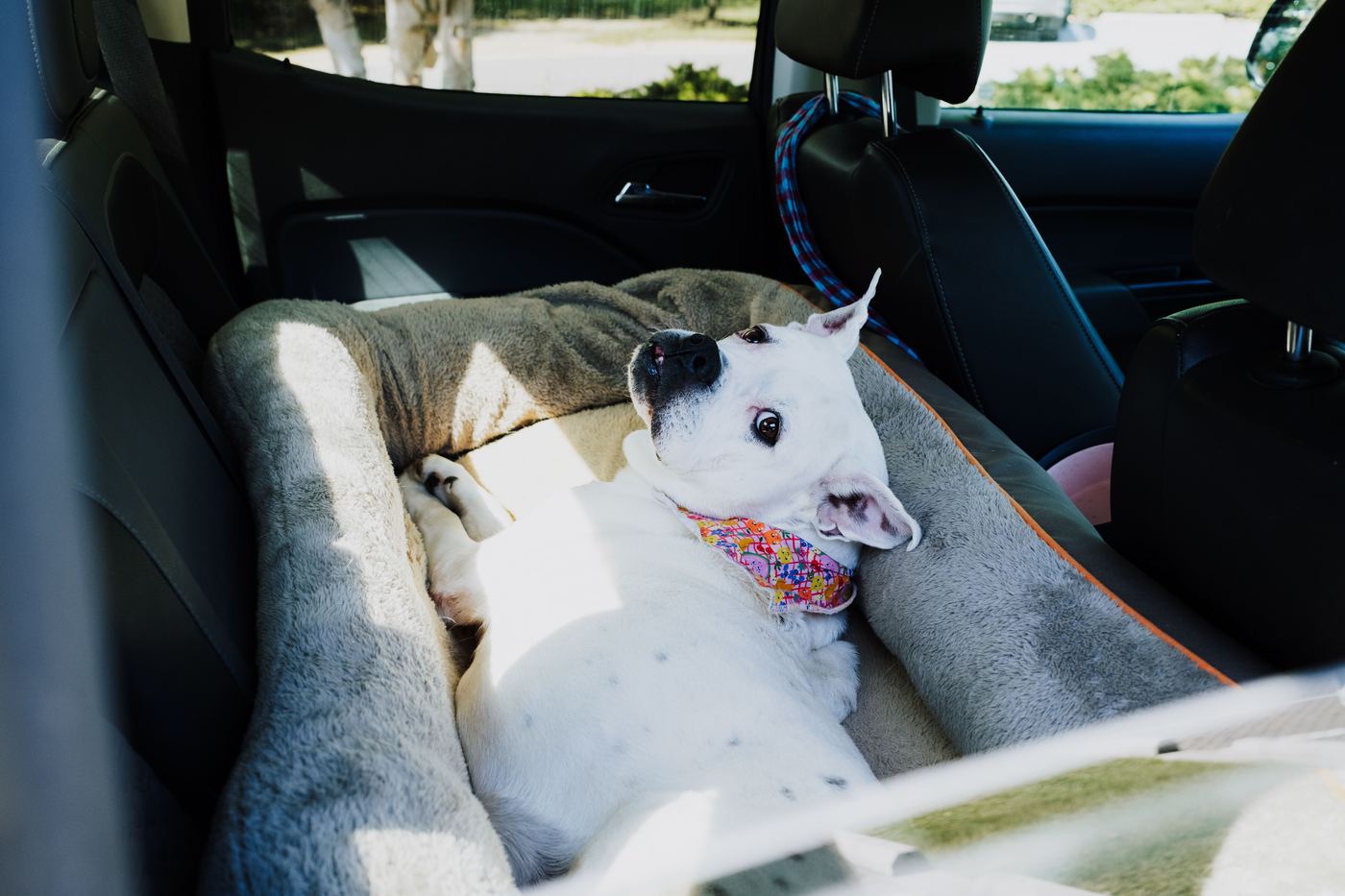
The hammock cover is the key. With it fitted, the back seat stops being a bench with footwells and becomes one flat platform at about hip height on Scout. He walks in through the open door, turns twice and drops. I keep a light blanket on top of the cover rather than under it, because the cover takes the sand and the blanket takes the fur, and each goes to a different wash when we get home. The side flaps matter more at camp than on the road, too. Doors stay shut overnight, but at dusk, while I am cooking, they are open, and the flaps keep claws off the door cards. A cover with no side protection makes a much worse bunk than it looks. If you are choosing between the seat covers on the shelf, weigh flap coverage before fabric colour.
Strip the cabin before you sleep
Every night, the same ten minutes. Leads, bowls, chew toys, the towel that smells like river: all of it comes off the seat and into the tub or the car. Camps in the Top End have night visitors with good noses, and a dried liver treat left on a cover is an invitation. Loose gear also becomes noise. Every bump of a headlamp or a lead clip at two in the morning is a rummage I do not want happening beside a sleeping dog. What stays on the seat is a folded towel and a lidded, weighed water crate. Everything else earns its keep somewhere it can be closed. In practice the routine is quicker than cleaning a scatter of kibble off a cover by head torch.
Ventilation on a Top End night
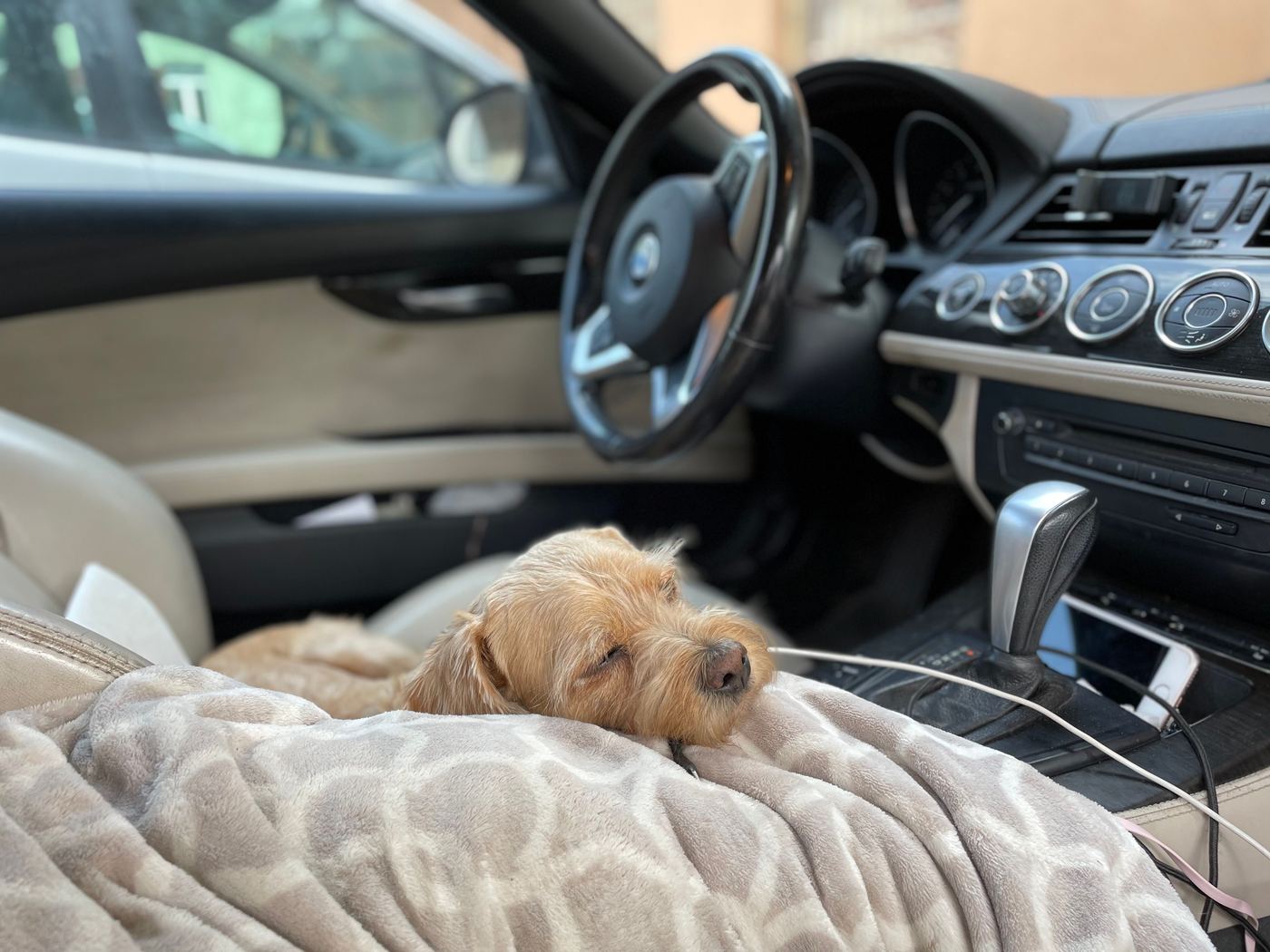
Even in the dry season, a cabin holds the day's heat long after sunset, so I park in shade well before I want to sleep and let the car cool with the doors open. Once we turn in, I crack both rear windows a couple of centimetres and fit mesh window socks for a mozzie-proof cross draught. I park nose into the evening breeze when I can, because airflow through the cabin beats airflow across it. I never leave the engine and air conditioning running overnight. It burns fuel, it is a fume risk at a busy camp, and a stalling engine in the night is a worse problem than a warm one was. On genuinely humid build-up nights the car loses, and Scout sleeps beside me in a mesh tent instead.
Keeping the dog in and wildlife out
Camps change a dog's usual habits, so my door rule tightens after dark. The lead goes on before any door opens, every time. A dog stepping out for a toilet break at two in the morning beside a highway rest area is how trips end badly, and a covered seat behind a swinging door is an open invitation to bolt at a wallaby. Window socks keep insects out, and they also stop curious paws, from camp dogs or anything wilder, hooking into a gap. I check the side flaps are tucked in properly before dark, because a paw that finds the edge of a loose flap can pull it down or catch a claw. Ten seconds of checking beats a torn cover at midnight.
- Park in shade before dusk so the cabin has cooled by bedtime.
- Strip every loose item off the seat before dark, every night.
- Crack windows on opposite sides for a proper cross draught.
- Fit mesh window socks before dinner, not after the mozzies arrive.
- Clip the lead on before any door opens after dark.
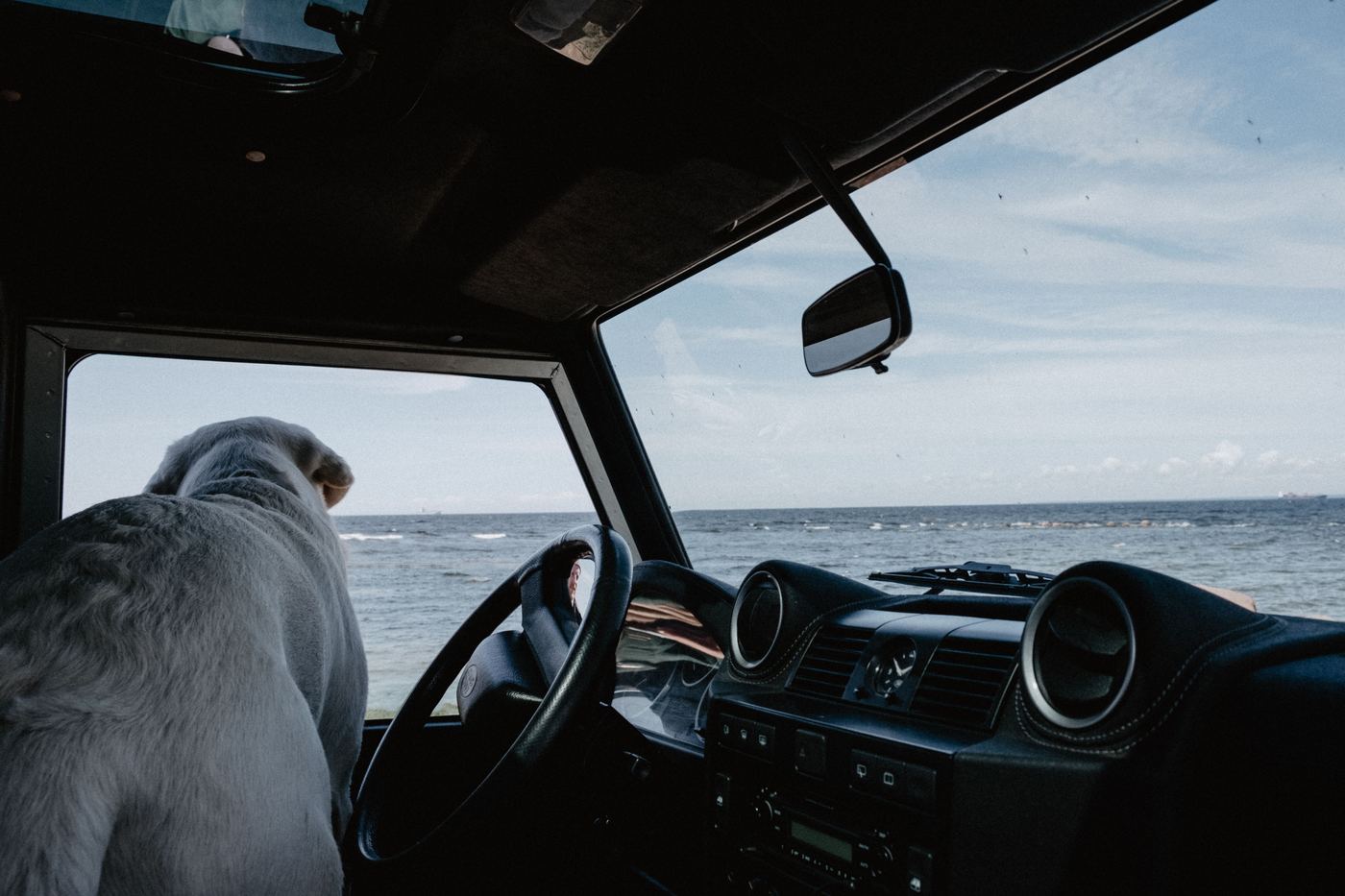
What I move and what stays
The pack-down has a fixed order now. Dog bowls go under the car, upside down. Food goes in the sealed tub, never in the cabin, because a goanna will work out an esky lid before it works out a zip. My swag goes beside the open rear door, on the breeze side, so Scout can see me all night and I can hear him turn over. The seat itself stays made up. That is the whole advantage of camping with the cover on: the bunk needs no building. Blanket straightened, towel folded, done. The only time I strip the cover at camp is after a big swim day, when a wet blanket comes off and the cover gets a shake and an hour of evening breeze before we both turn in.
| Camp situation | Seat setup at night | Window plan | Main watch-out |
|---|---|---|---|
| Powered caravan park | Cover flat, blanket on, doors locked | Both rear windows cracked 2 cm | Other dogs walking past the car |
| Highway rest area free camp | Gear stripped, lead clipped at the door | Two windows, mesh socks fitted | Traffic noise and passing headlights |
| Bush camp, dry season | Seat as bunk, swag beside the open door | Windows 3 cm with mesh socks | Dingoes and night visitors with noses |
| Build-up season, humid | Bare cover, blanket off, everything breathable | Wider openings with full mesh | Humidity and insects through the night |
| Overnight rain | Hammock flaps up, gear shifted to the front | Leeward window cracked only | Water pooling along the seat edge |
Morning routine that keeps the cover alive
Mornings are short and boring, which is the point. The blanket comes off first and airs over the roof rack while I make breakfast. Then I brush the seat base and seams, because sand collects along the stitching overnight and works in deeper every time someone sits. The cabin gets five minutes with the doors wide before we drive anywhere, which clears the night's humidity and whatever the towel collected. Before the doors close I run a hand along the side flaps and the headrest anchors, checking for hooks, grass seeds and anything a paw caught overnight. Red dust wipes off far more easily before it bakes on in the morning sun, so a quick damp cloth along the obvious lines now saves a scrub later.
Frequently Asked Questions
Can a dog sleep in the car overnight at camp?
In the dry season, usually yes, if the camp is shaded, the windows are cracked with mesh fitted and the night is genuinely cool. I check the forecast before committing. During the build-up and the summer, cabins hold dangerous heat well after dark, so Scout sleeps beside me in a mesh tent instead. Ask your vet about your own dog, particularly older or flat-faced dogs.
Do I need to take the seat cover off every night?
No. I leave the cover fitted for the whole trip and treat it as part of the camp. What I move is everything sitting on top of it. Taking a hammock cover off and refitting it nightly wears the straps and headrest anchors for no benefit. It comes off once, at the end of the trip, for a proper wash.
How do I keep mosquitoes off my dog at night?
Mesh window socks on the cracked windows do most of the work, and I fit them before dinner rather than after dark. Parking so the evening breeze runs through the cabin helps as well. I do not use human insect repellent on Scout, because many contain ingredients that do not suit dogs, so check any product with your vet first.
Will red dirt and sand wreck a covered back seat?
Not quickly, but both get everywhere. Sand works into the seams along the seat base and red dust sits in the weave until it is washed out. I brush the seat each morning and give the cover a proper wash when I get home. The cover takes the beating so the upholstery does not, which is the entire point of having it.
Can I sleep in the car with my dog on the covered seat?
Yes, and a hammock cover makes it work, because it bridges the footwells and gives one flat platform for a mattress. Push the front seats forward, lay your mat across the gap and keep a window cracked with mesh fitted. I would not do it on a warm night, since two bodies heat a small cabin faster than one.
Looking for dog car seat covers?
We stock the gear covered in this guide, with Australia-wide shipping and Afterpay at checkout.
Popular in this range: boot liner / cargo liner · waterproof seat cover
Shop Car Seat Covers at Paws of Oz