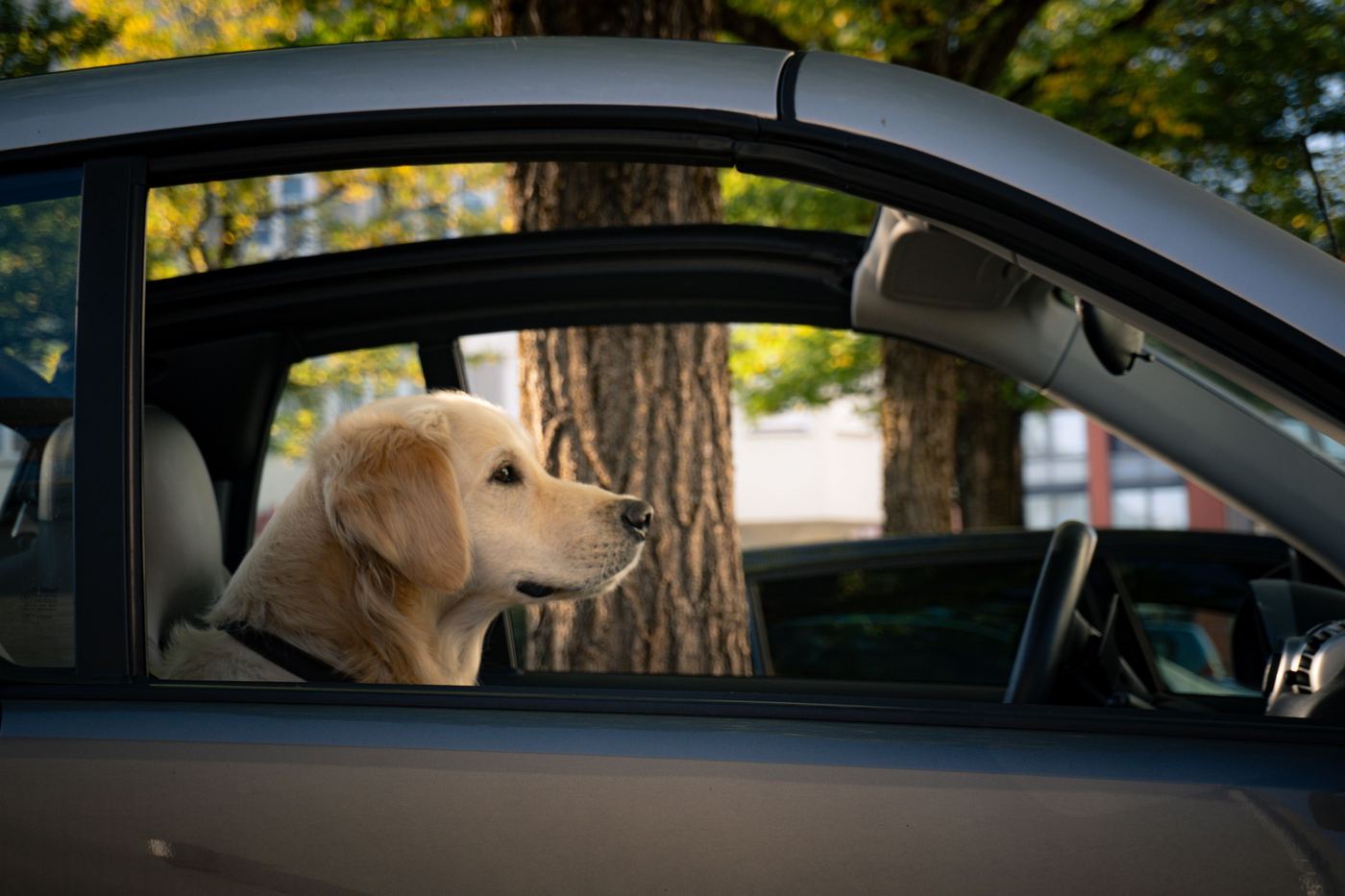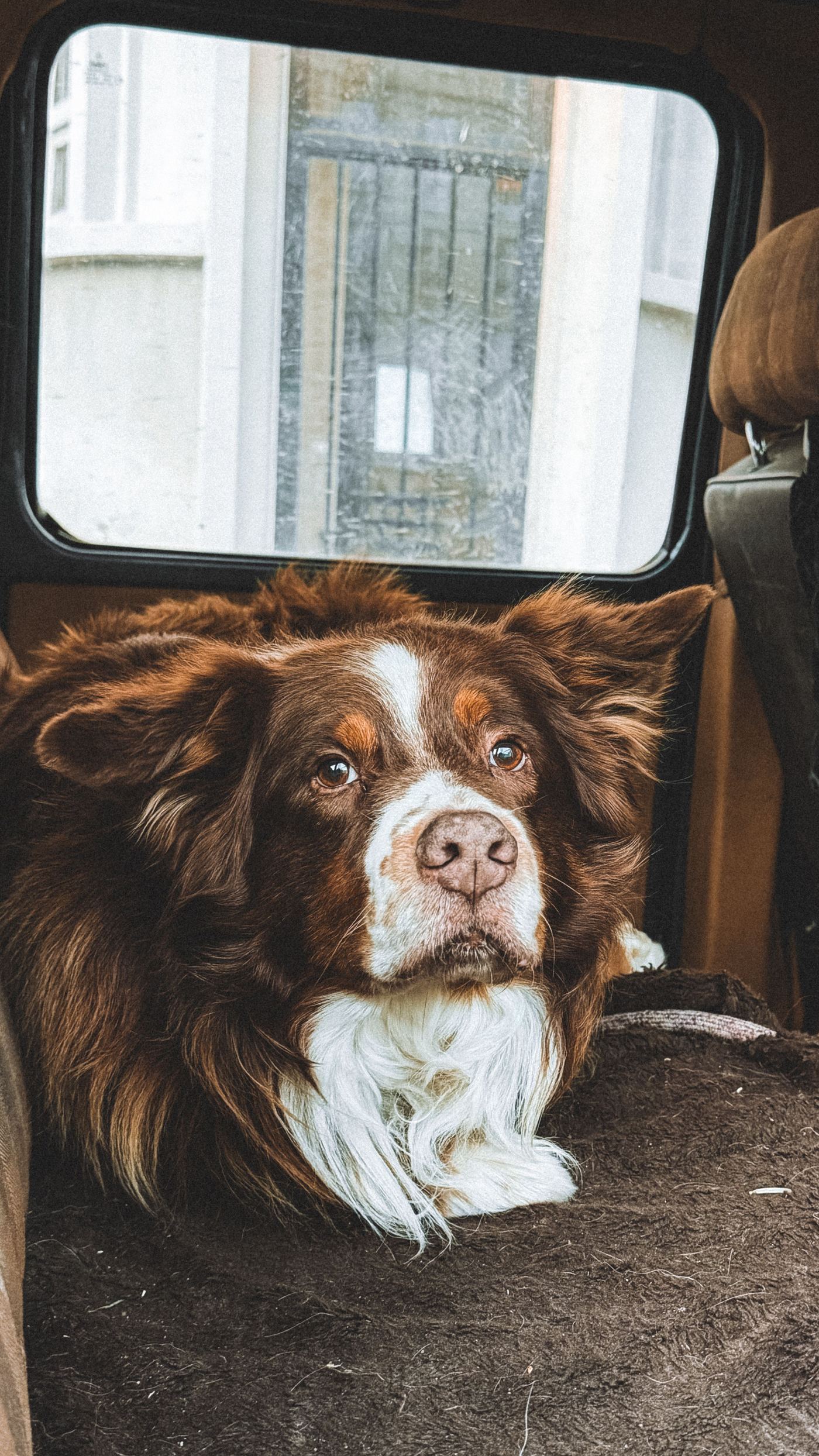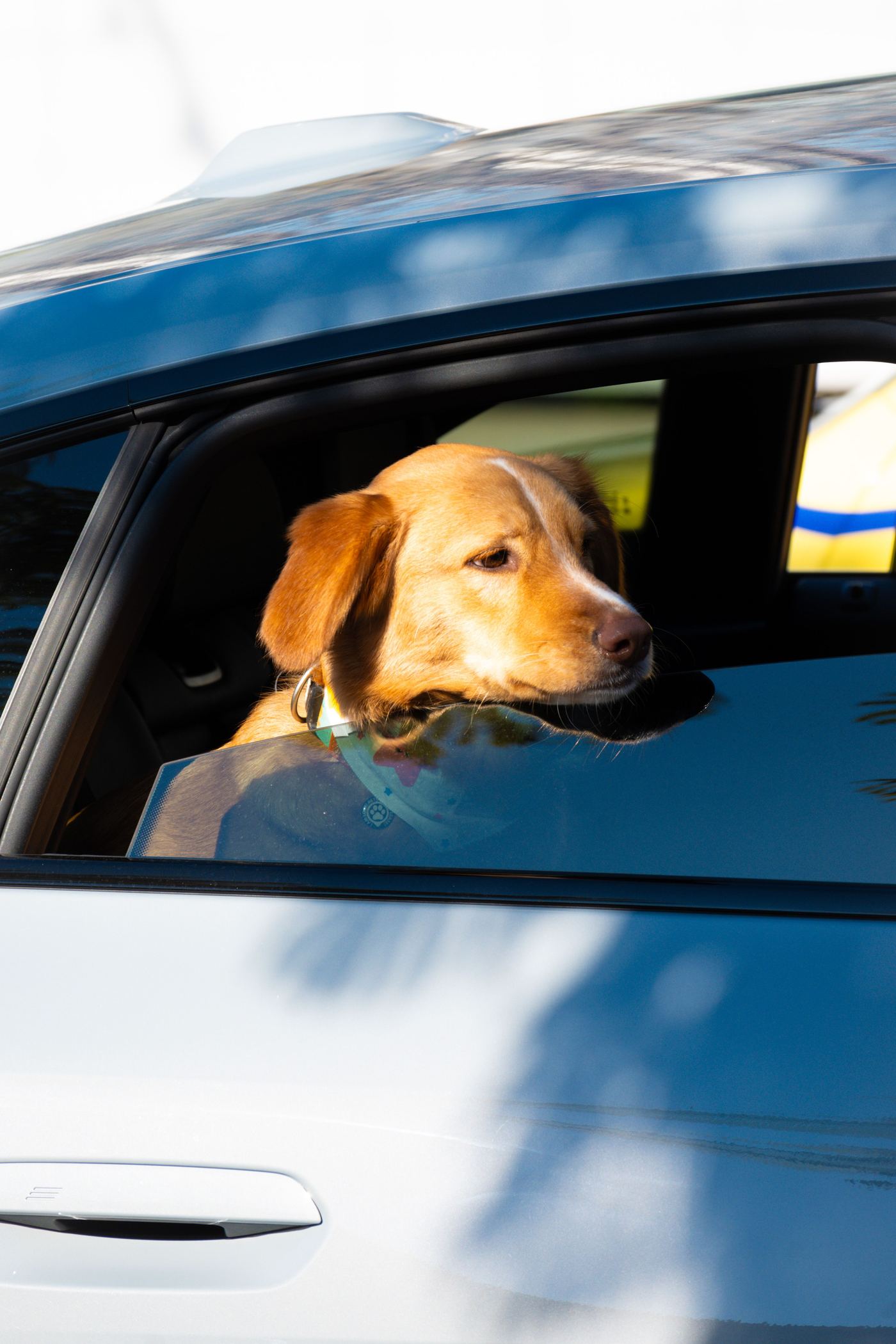
Beach Days with the Dog: Keeping Sand and Salt Out of Your Car
Short answer: you'll want a cover with raised edges and a backing that genuinely grips, plus a ten-minute routine before you drive home. Banjo brings half the beach back with him every time, and salt finds gaps you did not know existed. With those two things sorted, a swim costs you a hose-down instead of a detail.
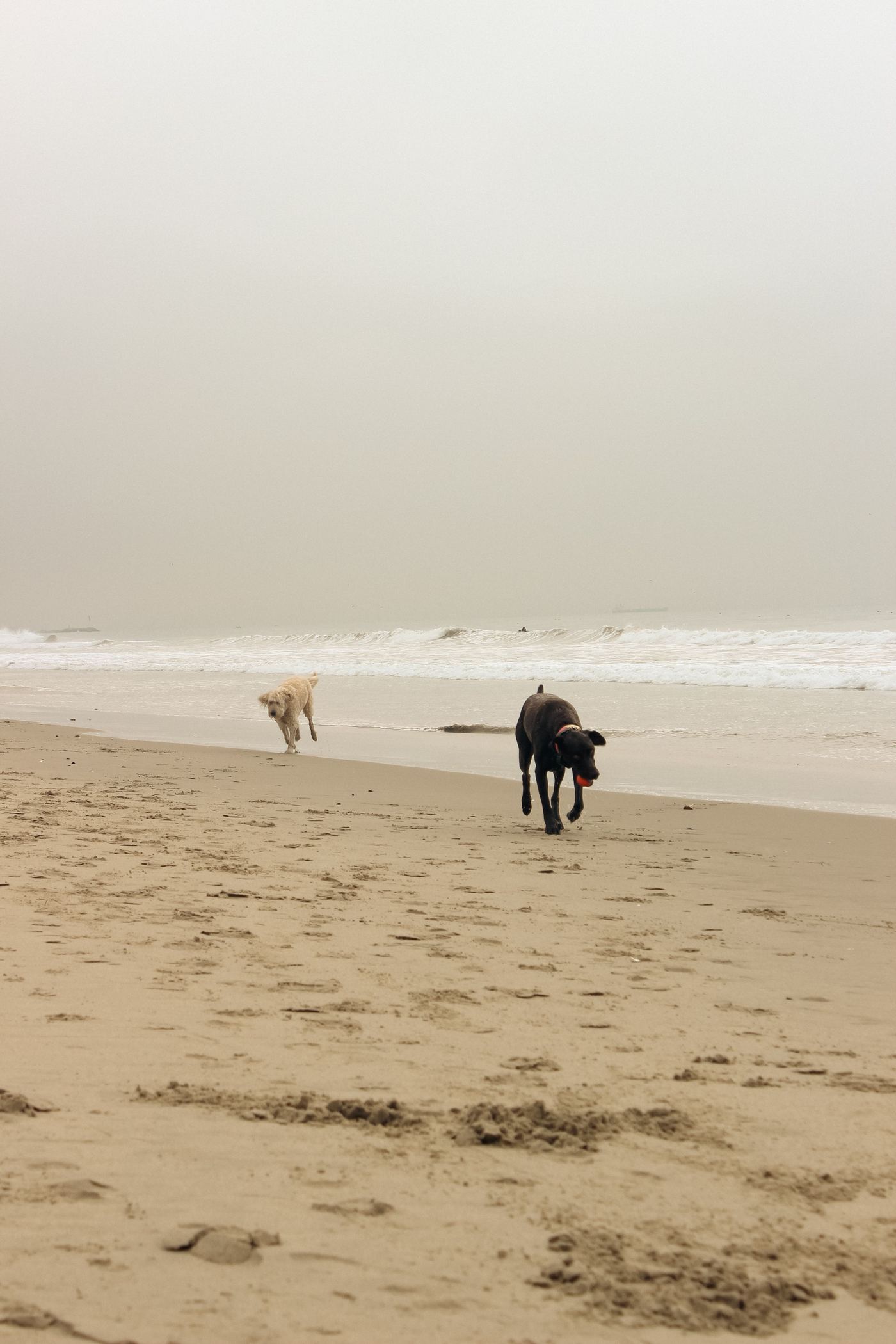
There is nothing Banjo loves more than a run on the beach. We are a fair way from the coast, but when the weather turns warm I'll load him into the ute and make the trip down, because a working dog needs a swim as much as anyone. The trouble is what comes back with him. Sand gets into places you would not believe, and salt has a way of finding the metal and the stitching and quietly doing its worst. If you have ever driven home with a wet, happy dog and then found your seats stiff and crusty two days later, you already know the problem.
Out here we treat the car like a tool, not a showroom. But that does not mean I want the interior ruined. A good dog car seat cover for beach trips is the difference between a quick hose-down and a permanent reminder of every swim. I have tried the cheap throws, the towels, the old doona. None of them held up. What works is a proper fitted cover with a waterproof backing, and a routine you actually stick to.
Why the beach is harder on a car than the paddock
People reckon mud is the enemy. Mud is easy. You let it dry, it brushes out. Sand and salt are sneakier. Dry sand works itself into the seams of your seats and stays there, grinding the fabric every time the dog shifts. Salt water does not just wet the surface, it leaves a residue that pulls moisture out of the air for weeks afterwards. On the property I can live with a bit of dust. At the beach the car is up against two things at once: abrasion and corrosion.
Banjo is a Blue Heeler, built low and dense, and when he shakes in the back seat the spray goes everywhere. I realised early on that the only way to keep the car usable was to assume he would get wet, and plan for it. That means a cover that does not let water through to the seat underneath, and edges that catch the run-off instead of letting it pool on the floor.
What actually keeps the salt out
The word waterproof gets thrown around a lot, and not all of it means what you think. A cover can be water-resistant and still let a damp dog seep through given an hour on the highway. What you want is a proper waterproof layer, usually a backing of EVA or a coated fabric, sitting under a tough outer cloth. The outer takes the scratching and the sand. The backing does the real work of stopping salt water reaching the seat.
For beach use I lean toward a waterproof dog seat cover built on 600D Oxford cloth with a PP cotton fill and an EVA backing. The Oxford cloth is the bit that survives the claws. The PP cotton gives a bit of padding so the dog is not sliding on a hard plastic sheet. The EVA backing is what keeps the salt off your seats. That combination is common on the better Australian sellers and it is worth the few extra dollars over a single-layer throw.
I also look for side flaps that hang over the door sills. Banjo climbs in wet, and his paws go exactly where the door meets the seat. A cover without flaps leaves that strip of leather or fabric exposed, and that is the first place the salt stains show.
An after-beach routine that actually works
The cover does half the job. The other half is what you do the moment you park. I have a system now, and it takes about ten minutes. The table below is what I do, in order, every single beach trip. Skip a step and you pay for it later.
| Step | What I do | Why it matters |
|---|---|---|
| 1. Shake at the beach | Let the dog out on the sand, give the cover a hard shake before folding it back. | Removes loose sand before it travels into the car interior. |
| 2. Towel the dog | Keep an old towel in the esky; rough-dry Banjo before he jumps in. | Less salt water sitting on the cover for the drive home. |
| 3. Fold flaps in | Flip the side flaps up so any trapped drips stay on the cover. | Stops run-off reaching the door trim on corners. |
| 4. Hose the cover | When home, unclip and hose it off, then line-dry in the sun. | Salt left to dry crystals into the stitching. |
| 5. Wipe sills | Quick wipe of the door sills and floor with a damp rag. | Catches the sand that escaped the shake. |
None of that is hard. The trick is doing it every time, not just when the dog is filthy. Salt is patient. It will wait for the one trip you skip.
- Shake the cover at the beach to drop loose sand before folding.
- Rough-dry the dog with a towel kept in the esky before he jumps in.
- Flip the side flaps up so trapped drips stay on the cover.
- Hose the cover at home and line-dry it in the sun.
- Wipe the door sills and floor to catch the sand that escaped.
Picking the right size for the ute and the SUV
Covers are not one-size-fits-all, even the ones that say universal. A ute back seat is a different shape to a wagon or an SUV, and a cover that fits one will sag on the other. I measure the seat before I buy, and I check the listed dimensions against what I have. For a standard rear bench a cover around 147 by 137 centimetres covers the whole base and back. For a wider SUV with the seats up you might need something closer to 180 by 103 centimetres to get full coverage with the flaps down.
If you run a waterproof car seat cover for pets Australia style product from a local seller, check the weight rating too. Banjo is not a big dog but a wet, sandy Heeler is heavier than he looks, and some cheaper covers list capacities as low as 350 pounds while the better hard-bottom extenders go to 430 pounds. For a beach dog that climbs and turns, the higher rating means the seams will not let go after a summer of trips.
A word on the esky and the gear
While we are at it, the beach kit lives in the esky and a mesh bag, not loose on the floor. Wet leads, the towel, the tennis ball, all of it goes in the bag so it is not rolling under the pedals. The cover is for the dog. The bag is for the gear. Keep those jobs separate and the car stays sorted.
I have seen blokes spend good money on a cover and then wreck the benefit by tossing a dripping esky on the bare seat beside the dog. Sort the system, not just the product.
What I tell the new dog owners at the servo
Funny thing is, half the questions I get at the servo about the ute are from city folk who have just moved out and bought a beach-going pup. My advice is always the same. Buy once, buy waterproof, and build the habit. A cheap cover you replace every few months costs more than a decent one that lasts a couple of years. And the car smells better too, which the missus appreciates more than she lets on.
Banjo reckons the beach is the best part of his week, and I am not going to argue. With the right cover and a ten-minute routine, I get the swim and the car gets to live another day. That is a fair trade.
Frequently Asked Questions
Frequently asked questions
Will a seat cover stop all the sand getting in the car?
No cover stops every grain. What it does is catch the bulk and keep it on a surface you can shake and hose off. The routine of shaking at the beach and wiping the sills gets the rest.
Is a waterproof cover enough on its own?
It handles the water and salt reaching the seat, but you still want to dry and hose the cover after the trip. Waterproof means the seat stays dry, not that you can ignore the cover forever.
Can I use the same cover in the ute and the SUV?
Often yes, if you check the dimensions. A 147 by 137 centimetre cover fits most rear benches, while a wider 180 by 103 centimetre one suits a bigger SUV with flaps down. Measure first.
How do I clean salt off the cover?
Hose it down with fresh water as soon as you can after the beach, then line-dry in the sun. Salt left to crystalise will stiffen the fabric and shorten its life.
Do side flaps matter for beach trips?
They do. A wet dog climbs in right where the seat meets the door, and that strip is the first to stain. Flaps cover it so the salt stays on the cover, not the trim.
What weight rating should I look for?
For an active beach dog, aim for the higher end. Cheaper covers sit near 350 pounds; better hard-bottom styles reach 430 pounds, which means the seams hold up to climbing and turning.
Looking for dog car seat covers?
We stock the gear covered in this guide, with Australia-wide shipping and Afterpay at checkout.
Popular in this range: boot liner / cargo liner · waterproof seat cover
Shop Car Seat Covers at Paws of Oz