Back Seat Extender for Dogs: Why a Hard Bottom Beats a Soft Hammock
Short answer: for a big dog the rigid board is the whole point, because it turns the gap behind the front seats into a floor. I ran the soft hammock everyone at the servo swore by until I braked hard and Banjo slid into the footwell like a sack of spuds. Here's the pick: 600D Oxford cloth with a non-slip backing over the board, rated to about 430 pounds, and hose it off rather than soaking it.
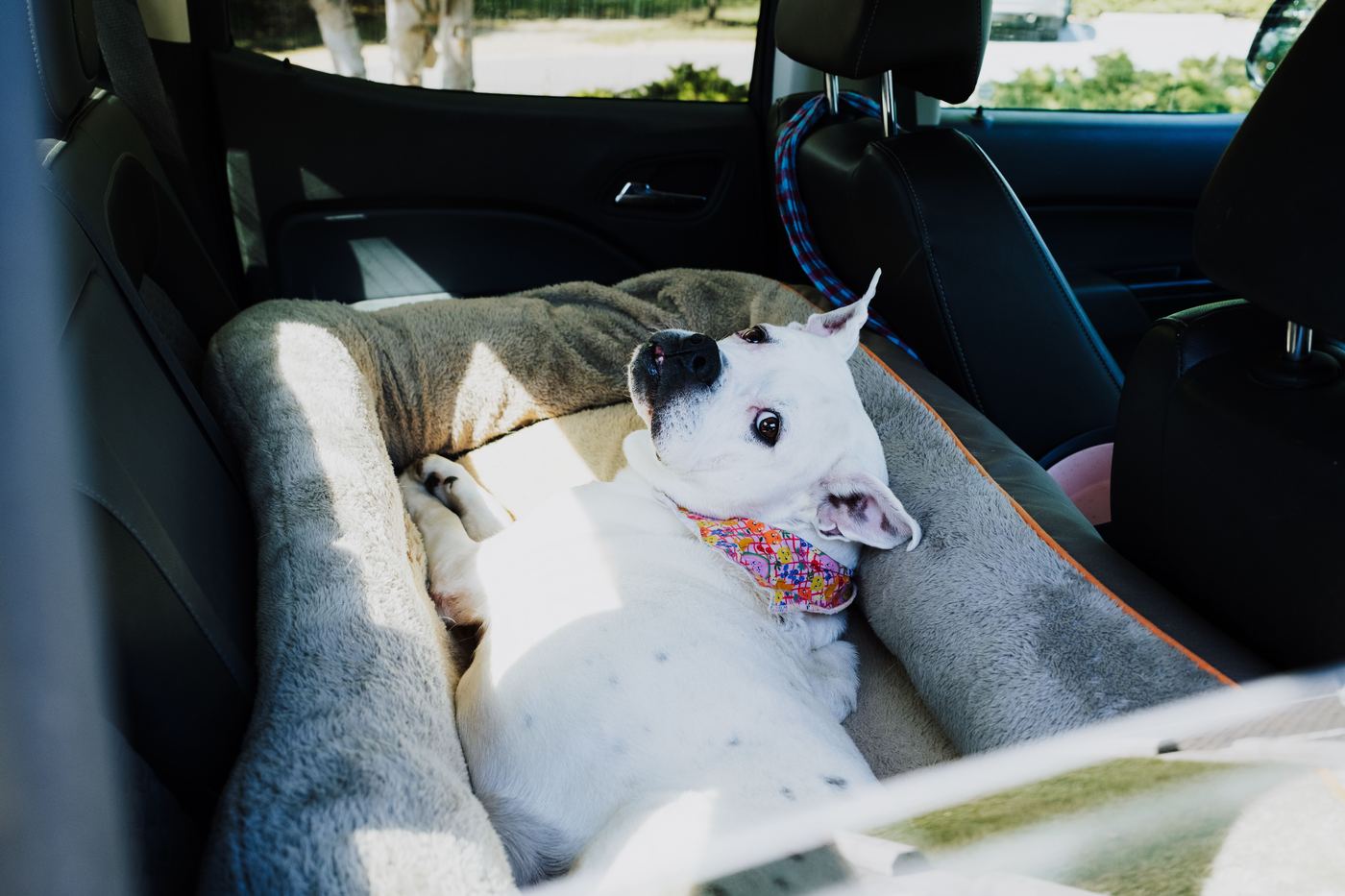
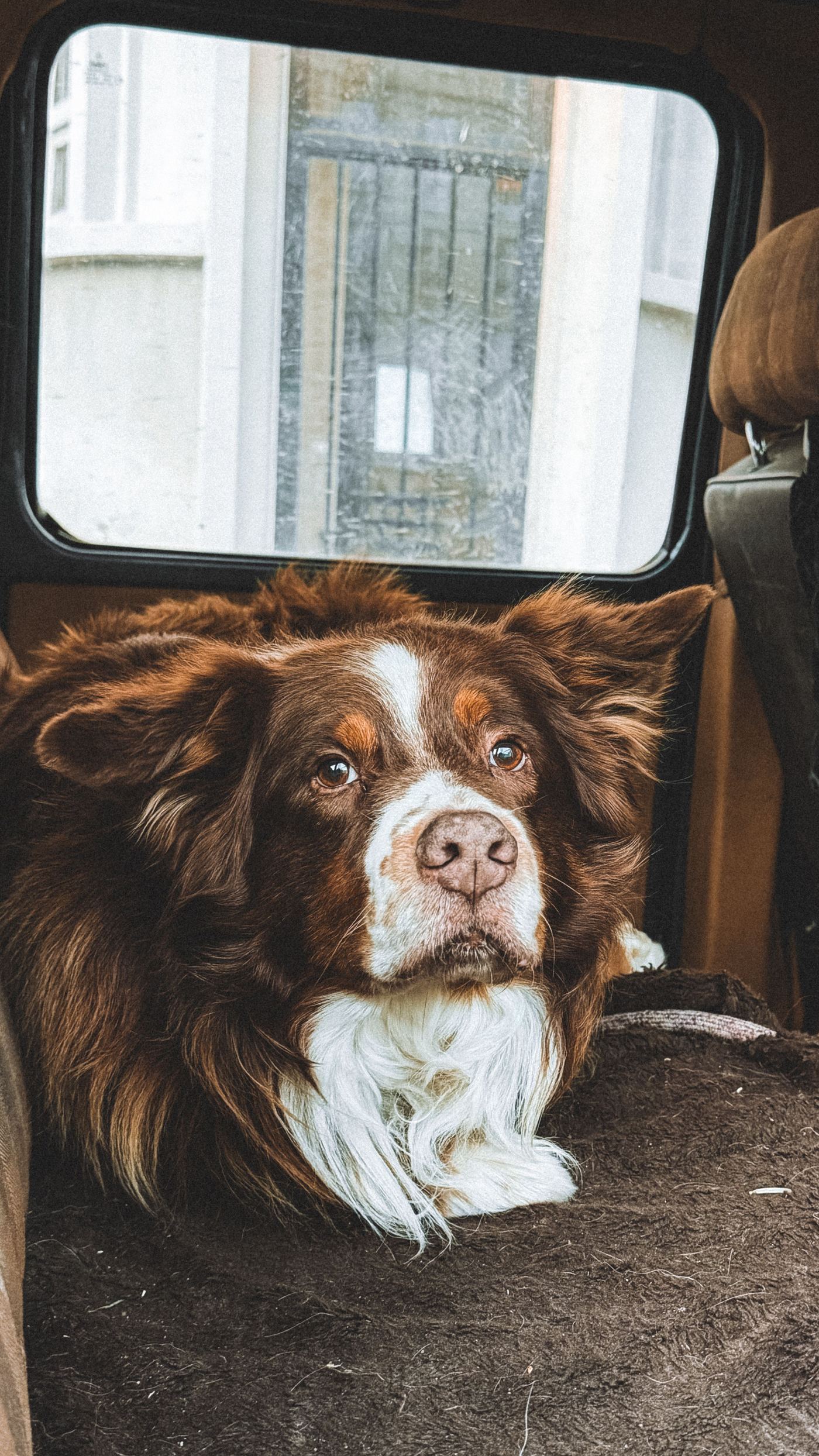
Banjo's no lapdog. He's a working Blue Heeler, built long and solid, and after fifteen years he takes up the whole back of the ute on the drive into town. When I first got a cover I bought the soft hammock everyone at the servo reckoned was the go. It was fine, sort of, until the day I braked hard and he slid into the footwell like a sack of spuds. That's when I realised a back seat extender for dogs with a hard bottom isn't a luxury — for a big dog it's the only thing that actually works.
This isn't a hard sell. It's a straight talk from one dog owner to another. If your dog is small and calm, a soft hammock will do. But if you've got a large dog car seat cover requirement — a cattle dog, a kelpie, a retriever, a mastiff-cross that thinks he's a lapdog — read on, because the floor matters more than the fabric.
The soft hammock problem
A soft hammock is exactly that: fabric clipped between the headrests with nothing under it but air. The dog lies on it and the middle sags into the gap between the seats. On a straight road it's okay. The moment you corner, brake, or hit a corrugated track, the dog slides toward the floor and the cover bunches under him. Banjo hated it. A dog that's sliding is a dog that's stressed, and a stressed dog is a distracted driver.
Worse, the soft hammock doesn't give the dog anywhere to actually lie. The footwell is still a hole. So your big dog ends up half on the seat, half hanging, never settled. On a two-hour run to the coast that's a miserable trip for everyone.
What a hard bottom actually is
A hard bottom dog car seat cover is a hammock with a rigid board — plywood, composite, or a moulded panel — sewn into the base. That board bridges the footwell and makes a flat floor level with the seat. The dog stands on it, lies on it, turns around on it. It doesn't sag, it doesn't bunch, and because it's rigid it spreads the dog's weight instead of funneling it into one sagging point.
The board is usually wrapped in the same waterproof Oxford cloth as the rest, with EVA or rubber backing so the whole thing grips the seat. Good ones have side flaps and a mesh window too. The PETICON I run is 51.2 by 60.5 inches and rated to 400 pounds, which is well past Banjo and then some.
Capacity, size and best use
| Cover | Weight capacity | Dimensions | Best use |
|---|---|---|---|
| PETICON Back Seat Extender | 400lb (~180kg) | 51.2"×60.5" (130×154cm) | Large dogs, daily driver, beach runs |
| Laadd / Lamicall Extender | 350–430lb (160–195kg) | Wide universal | Two big dogs, SUV, long trips |
| Dehlso Hard Bottom | Tested to 37kg | Universal | Medium-large dog, value pick |
| INSMEER 7-in-1 | Hard board rated | Universal | Family car, machine-washable |
| Pecute / BONTHEE Leather | Board + raised sides | 53"×40" (135×102cm) | Calm dog, easy wipe-clean |
| Universal Base Pad (soft) | Light only | 180×103cm | Small dog only — the contrast case |
Why it matters for a big dog
A large dog car seat cover has to do two jobs a soft one can't. First, it has to hold the weight without sagging. A 40-kilo dog on a soft hammock turns the middle into a hammock-shaped hammock, and he's soon on the floor. A hard board rated to 160–195 kilos stays flat. Second, it has to give him room. The footwell is dead space in a normal car; the extender reclaims it, and for a long dog that extra floor is the difference between cramped and comfortable.
Banjo reckons the flat floor is the best part. On the drive to the beach he lies down the moment we hit the bitumen and he's asleep before the servo. A soft hammock never gave him that.
- A hard board holds the weight without sagging like a soft one.
- A 40-kilo dog on a soft hammock ends up on the floor.
- A board rated to 160-195 kilos stays flat under a big dog.
- The extender reclaims the dead-space footwell as real floor.
- For a long dog that extra floor means cramped or comfortable.
Materials — what's under the cloth
The cloth on top is usually 600D Oxford with a PP cotton fill, and the backing is EVA or rubber for grip. That's the bit that keeps the cover on the seat through a corner. The board is the differentiator: cheap ones use thin fibreboard that warps when it gets wet, good ones use a sealed composite that'll survive a hose-down. If you do beach runs, the sealed board matters, because salt water finds the weak spot.
The leather jobs from Pecute and BONTHEE skip the soft fill for a wipe-clean PU surface. They look flash and they're easy to clean, but a working dog's claws will mark them, so I'd keep leather for the calm, clean dog and the good car.
Install and care
Fitting a hard-bottom extender takes a minute longer than a soft hammock — you seat the board, clip the headrest straps, and check it's flat. Banjo supervises and judges. After a beach trip I hose it off out the back of the property, stand it on its edge to drain, and hang it on the fence. The Oxford cloth ones shake dry quick; the leather ones just get a wipe.
My pick
For a big or working dog, the hard bottom wins every time. The PETICON at 51.2 by 60.5 inches and 400-pound rating is my daily, and the Laadd or Lamicall up to 430 pounds is the one I'd point a two-dog or a giant-breed owner at. Save the soft hammock for the small, calm dog, and don't kid yourself it'll hold a Heeler. Banjo's verdict: flat floor, window down, sleep till the beach. Can't argue with that.
Frequently Asked Questions
Frequently asked questions
Why choose a hard bottom dog car seat cover over a hammock?
The rigid board bridges the footwell and makes a flat floor, so a big dog can lie down instead of sliding into the gap. A soft hammock sags and bunches under weight, which stresses the dog and wears the cover out faster.
How much weight will a back seat extender for dogs hold?
The better hard-bottom units are rated from 350 to 430 pounds, about 160 to 195 kilos. The PETICON I run is rated to 400 pounds. That covers a single large dog or two medium dogs with room to spare.
Will a hard-bottom extender fit my ute?
The hammock forms clip to the headrests and suit most dual-cab utes, but the wide extenders are built with SUVs in mind and can run wide. Measure your rear seat before you order, and check the board folds for storage.
Do these covers protect the doors too?
Most hard-bottom extenders include side flaps that cover the door panels, and many have a mesh window so the dog can see you. That's worth having if your dog leans on the window or shakes after a swim.
Can I wash a hard-bottom extender?
The Oxford cloth ones are usually machine-washable on a gentle cycle, or you can hose them off like I do. Don't soak the board on purpose; let it drain and dry. The PU leather versions should be wiped, not washed.
Is the leather version better for a large dog?
It's easier to wipe clean, but a large working dog's claws will mark PU leather quickly. For a calm, clean dog in the good car it's fine; for a Heeler straight off the paddock, the 600D Oxford hard-bottom is the tougher choice.
Looking for dog car seat covers?
We stock the gear covered in this guide, with Australia-wide shipping and Afterpay at checkout.
Popular picks from this guide: boot liner / cargo liner · waterproof seat cover
Shop Car Seat Covers at Paws of Oz