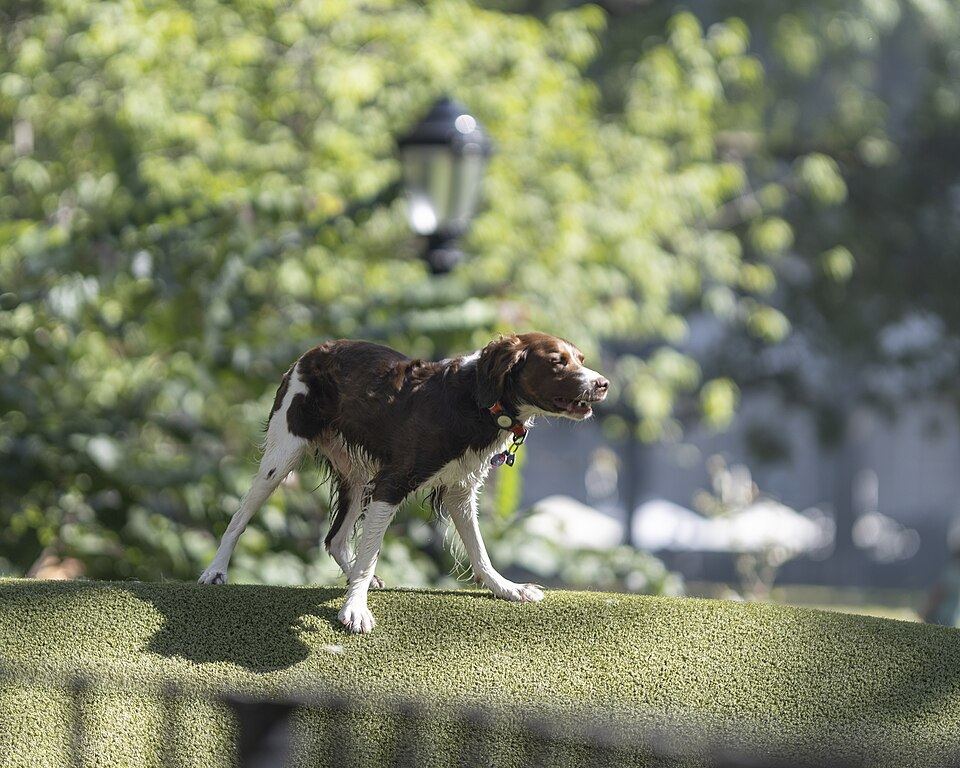
Cat Leash Training, Step by Step: From Indoor Sofa to Backyard Explorer (Harness Setup Notes)
Short answer: cat leash training starts on the sofa, not the street, because Bramble my tabby took three months where Biscuit the kelpie had the lead sorted in a week. You'll want to nail the harness fit with the size chart first, since a wide chest panel and double clip stop a cat backing out, and short sessions ending on a win turn a sofa cat into a backyard explorer. Rushing outside was my mistake, so let the gear feel normal indoors first.
I used to think leash training was a dog-only thing, right up until the day my tabby, Bramble, pressed his nose against the screen door and looked at me like I was personally ruining his life by keeping him inside. That look is what started this whole journey, and if you're reading this, you've probably gotten the same look. Biscuit, my kelpie, had the whole lead thing sorted in about a week. The cat took me three months. Here's exactly how I went from a sofa-bound cat to a backyard explorer, one small, stubborn step at a time.
Step one: start on the sofa, not the street
The single biggest mistake I made early on was rushing outside. Cats need to meet the gear in their own safe territory first. So before any walking happened, I simply laid a cat harness Australia owners rate well on the floor near his favourite cushion and let him sniff it. No forcing, no clipping. Just smell and decide it wasn't a threat.
A day later I bought a proper cat harness and lead set instead of mixing a random lead with a cheap strap. Having the clip, the ring, and the strap all designed to work together made a noticeable difference in how secure it felt in my hand. Bramble wore the harness around the lounge for short bursts, no lead attached, while I praised him like he'd just solved a maths problem.
Step two: nail the fit with the size chart
Fit is where most training fails before it begins. I pulled up the cat harness size chart and measured Bramble's neck and chest with a soft tape. He's a chunky boy, so he fell into the cat harness for large cats range, and ignoring that would have meant a harness he could shrug off in a panic. If you've got a younger, smaller pet, a kitten harness and lead is the smarter starting point, the narrower straps suit a lighter frame and feel less like a straightjacket.
The rule I now swear by: you should be able to slide two fingers under the strap, but not a third. Too loose and an escape artist backs right out; too tight and your cat will hate every second. For the record, I ended up choosing an escape proof cat harness because Bramble, like most cats, will test every weak point the moment something spooks him.
Step three: the actual cat leash training steps
Here's the bare-bones sequence I followed, the cat leash training steps that finally clicked for us:
Week one, harness only, indoors, ten minutes a day. Week two, clip the lead on but let it drag behind him while you supervise, no tension. Week three, hold the lead with zero pulling, just follow him wherever he goes. Only after that did we step through the back door. That's the honest answer to how to train a cat to walk on a leash, you don't lead the cat, the cat leads you.
- Week one: harness only indoors for ten minutes a day.
- Week two: clip on the lead and let it drag, no tension.
- Week three: hold the lead with zero pulling, just follow.
- Only step outside after the indoor weeks are done.
- The cat leads you; you never lead the cat along.
Step four: the backyard, then everywhere else
Our first outdoor session was literally three metres into the backyard, and Bramble froze like a statue. I sat down next to him and waited. After a minute he started sniffing grass like it was the most fascinating thing he'd ever encountered, which, for an indoor cat, it probably was. We did that same three metres for four days before extending the route.
Because we often train near dusk, I specifically went looking for a reflective cat harness Australia pet shops stock for evening safety. The reflective piping means I can spot him glowing at the end of the lead even when the light is almost gone, and it gives passing cyclists a heads-up too. It's a small feature that removed a whole category of worry for me.
Step five: picking gear worth keeping
If you're comparing options and land on the best cat harness Australia 2026 roundups, don't just chase the prettiest colour. I read through owner reviews and filtered for two words: "escaped" and "chafing". The harnesses that kept coming up clean were the ones with a wide chest panel and a secure double clip, which is basically the escape-proof shape I'd already landed on by trial and error.
A note on patience, because this is the part nobody puts in the Instagram version. Some sessions Bramble walked twenty metres like a pro. Other sessions he flopped, bit the lead, and stared at the door until I carried him back inside. That's normal. The cat leash training steps only work if you quit while he's still curious, not after he's over it.

The turning point was around week four, when Bramble started waiting by the back door around the time we usually went out. That's when I knew the harness wasn't a punishment to him anymore, it was the signal for adventure. Now he'll trot to the door, sit, and lift his chin so I can clip him in, which still feels like a small miracle every single time.
If you take one thing from this, let it be this: how to train a cat to walk on a leash is less about training the cat and more about earning the trust. Use the cat harness size chart, pick an escape proof cat harness that fits, keep the sessions short, and let your cat set the pace. Before long, your sofa companion becomes a backyard explorer, and you get a front-row seat to seeing the world through their eyes.
— From me and Bramble, still chasing that golden-hour light.
Frequently Asked Questions
How do I start leash training a cat?
Begin indoors. Let your cat sniff the harness near their favourite spot, then wear it for short bursts with no lead, then add the lead with no tension before ever stepping outside.
How tight should a cat harness be?
Snug enough that you can slide two fingers under the strap but not a third. Too loose lets an escape artist back out; too tight makes them hate it.
What kind of harness is best for a cat?
An escape-proof design that wraps the chest and shoulders, not just the neck, so there's nowhere to back out of. A wide chest panel and secure double clip are ideal.
How long does cat leash training take?
Usually a few weeks of short, patient sessions. Some days your cat struts; other days they flop. End every session on a win, even a tiny one, then go inside.
Do I need a reflective cat harness?
If you walk near dusk or after dark, yes. Reflective trim makes your cat visible to headlights and cyclists, which matters on dim evening loops.
Size & Fit Reference
| Size | Chest girth | Neck | Weight | Best for |
|---|---|---|---|---|
| XS | 30–40 cm | 23–31 cm | 1.5–2.5 kg | Toy breeds, puppies, small cats |
| S | 40–50 cm | 30–38 cm | 2.5–4 kg | Chihuahua, small cat |
| M | 50–60 cm | 36–44 cm | 4–6 kg | Cavoodle, large cat |
| L | 60–70 cm | 42–50 cm | 6–9 kg | Kelpie cross, small Terrier |
| XL | 70–85 cm | 50–60 cm | 9–14 kg | Medium working breeds |
Looking for dog harnesses?
We stock the gear covered in this guide, with Australia-wide shipping and Afterpay at checkout.
Popular in this range: breathable step-in harness
Shop Harnesses at Paws of Oz