Big Dog, Big Pull: The Heavy-Duty Harness That Finally Held
Short answer: the heavy-duty harness that finally held Cooper, my forty-kilo Labrador cross, had a padded chest plate, a secure belly strap and locking buckles, because the four before failed when stitching gave or he slipped off as a kangaroo crossed the path. Here's the part for any big-dog owner: a front ring redirects a lunge sideways and a dual clip covers footpaths and relaxed walks. Strong on a page means nothing until a real dog tests it.
My Labrador cross, Cooper, weighs forty kilos and thinks every walk is a mission to save the world. For the first year we owned him, I went through four harnesses, and every single one failed the same way: the stitching gave, the buckle popped, or he slipped it clean off the moment a kangaroo darted across the path. I am a practical person, not a gear snob, but I reached the point where I needed a genuinely strong large dog harness I could trust. This is how I found it and what actually mattered.
The first thing I learned is that "strong" on a product page means almost nothing until a real dog tests it. I needed a heavy duty dog harness built for a dog that pulls like a tractor, not one rated for a gentle stroll. The difference showed up in the webbing first. Cheap harnesses use thin, soft straps that stretch and fray. What held up for Cooper was a durable nylon dog harness with tightly woven webbing that did not give an inch when he hit the end of the lead at full speed.
The padded chest plate that changed the game
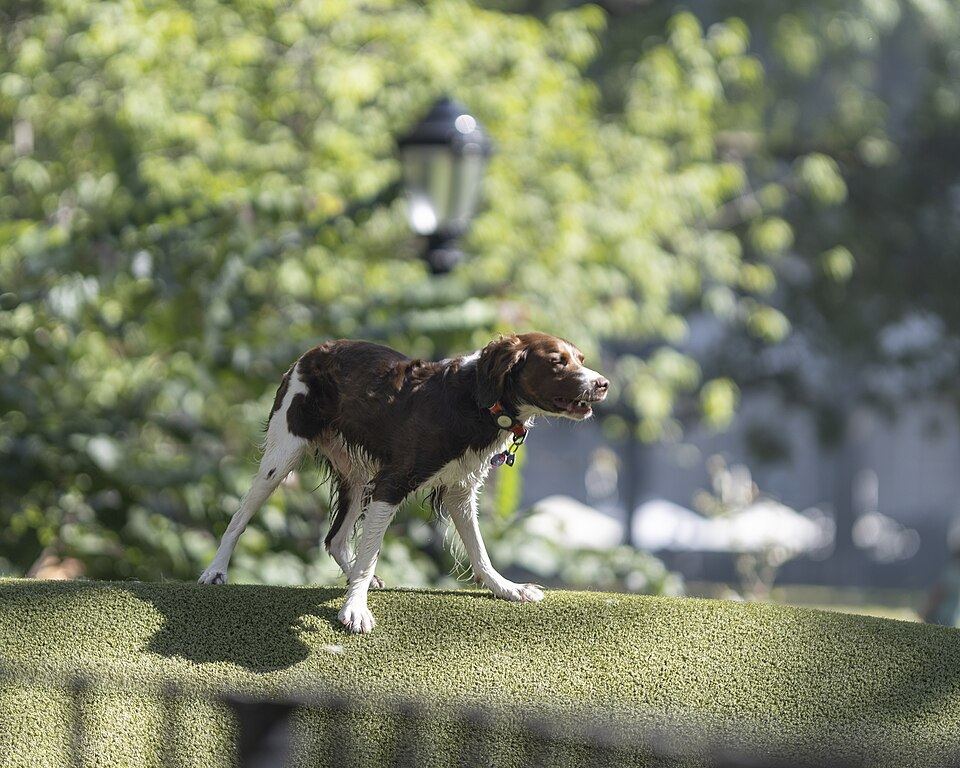
Cooper's old harness rubbed a bald patch under his chest from all the yanking. A padded chest plate harness fixed that overnight. The wide pad spreads the force across his sternum instead of pinching two thin straps into his skin, and on a long walk he is clearly more comfortable. I was skeptical that padding mattered for a short-haired dog, but it genuinely does when the pulling is constant.
I even kept notes for my own padded chest plate harness review, because I wanted to be honest with myself about whether the upgrade was worth the money. After a month, the verdict was clear: no rub marks, no stretching, and Cooper stopped flinching when I clipped him in. That is the kind of quiet result you only notice because the problem quietly disappears.
Getting the fit right on a big body
A strong harness is useless if it does not fit, and big dogs are awkward to measure. I needed an adjustable dog harness with at least four points of adjustment, because Cooper's chest is deep and his waist is narrow. Two clips at the front, two at the girth, and suddenly the thing stayed centred instead of sliding to one side every time he lunged. If you are searching for the best harness for large breed dogs that Australia has on offer, I would put adjustability above colour every single time.
Fit check became part of our routine. I slide two fingers under the straps; if I cannot, it is too tight, and if there is a handful of slack, it is too loose. A loose harness on a strong dog is just an escape waiting to happen.
- An adjustable harness needs at least four points of fit.
- Two clips at the front, two at the girth, keep it centred.
- Slide two fingers under the straps to check the fit.
- A loose harness on a strong dog is just an escape.

Why dual clip matters more than expected
The feature I underestimated was the second clip. A large dual clip dog harness that fit Cooper gave me a front ring and a back ring. The back ring is for normal walks; the front ring is for when he decides the squirrel across the road is worth a shoulder dislocation. Clipping to the front gently redirects him sideways instead of letting him build speed, and over a few weeks his pulling dropped to a manageable level.
I paired the harness with a heavy duty lead for large dogs that local sellers stock, a thick bungee lead that absorbed the shock of his lunges instead of transferring it straight to my elbow. My physiotherapist would have been proud. The combination of a no-pull front clip and a shock-absorbing lead turned our walks from a workout into something I actually look forward to.
One habit that has kept this gear going is a quick rinse after salty or muddy walks. Cooper loves the surf, and I learned the hard way that salt water rots webbing if you ignore it. A thirty-second hose-down after the beach, then hanging it in the shade to dry, has kept the nylon looking new and the buckles moving freely. The harness is built to last, but a little care makes it last years rather than months, which matters when you have already spent good money getting the fit right.
The no-escape design that ended the routine
Cooper is clever in the way only a bored dog can be. He learned that if he backed up and twisted, the older harnesses would slip over his head. The design that finally beat him was a strong no-escape dog harness with a secure belly strap and locking buckles. There was simply no gap for him to wriggle through, and the buckles clicked with a confidence the old plastic ones never had.
I tested it the hard way, on a beach where off-lead dogs triggered his chase instinct. He hit the end of the lead hard, the harness held, and for the first time I felt calm instead of terrified. That moment alone paid for the gear.

What I would tell another big-dog owner
If you have a large breed that pulls, do not waste money on the pretty harnesses first. Buy once, buy strong, and look for four things: durable nylon webbing, a padded chest plate, dual clip points, and a no-escape belly strap with locking buckles. Measure carefully, adjust often, and pair it with a proper heavy-duty lead.
Cooper and I now cover five kilometres most mornings without a single escape attempt. The right strong large dog harness for his strength did not just save my shoulder, it gave both of us a walk we enjoy.
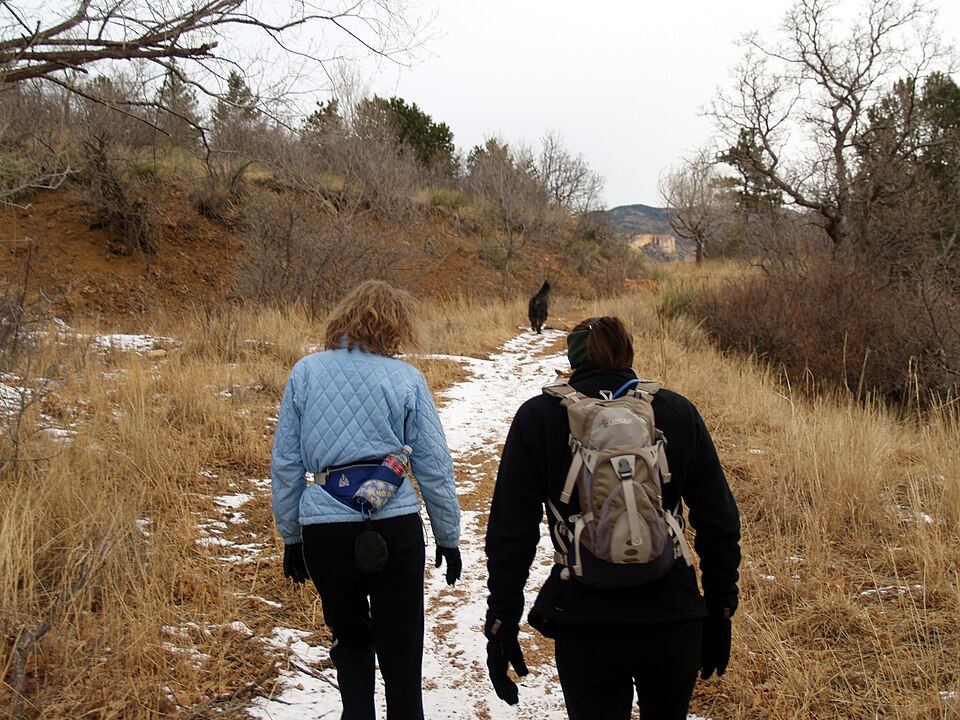
Out on the trail with Cooper, finally relaxed.
Frequently Asked Questions
What makes a harness strong enough for a large puller?
Look for durable nylon webbing that does not stretch, a padded chest plate, and hardware rated for real load. Strong on a label means little until a forty-kilo dog tests it at full speed.
Why does a padded chest plate matter?
The wide pad spreads force across the sternum instead of pinching two thin straps into the skin. On a constant puller that stops the rub marks and keeps the dog comfortable on long walks.
How many adjustment points does a big dog need?
At least four, two at the front and two at the girth, so the harness stays centred on a deep chest and narrow waist. Adjustability matters more than colour when you are fitting a large breed.
What does dual clip do for a strong dog?
A front ring gently redirects your dog sideways when they lunge, while the back ring is for normal walks. Paired with a shock-absorbing lead, it turns a workout into a walk you can enjoy.
How do I stop a clever dog escaping the harness?
A no-escape design with a secure belly strap and locking buckles removes the gap a dog uses to back out and twist free. Test it under real load, because confidence is exactly what a Houdini needs to beat.
Size & Fit Reference
| Size | Chest girth | Neck | Weight | Best for |
|---|---|---|---|---|
| XS | 30–40 cm | 23–31 cm | 1.5–2.5 kg | Toy breeds, puppies, small cats |
| S | 40–50 cm | 30–38 cm | 2.5–4 kg | Chihuahua, small cat |
| M | 50–60 cm | 36–44 cm | 4–6 kg | Cavoodle, large cat |
| L | 60–70 cm | 42–50 cm | 6–9 kg | Kelpie cross, small Terrier |
| XL | 70–85 cm | 50–60 cm | 9–14 kg | Medium working breeds |
Looking for dog harnesses?
We stock the gear covered in this guide, with Australia-wide shipping and Afterpay at checkout.
Popular in this range: breathable step-in harness
Shop Harnesses at Paws of Oz