A Total Beginner's Guide to Buying a Dog Harness in Australia
Short answer: for a first-time buyer the smart move is to measure your dog before touching a shelf, because the label medium meant two very different dogs in my own confused aisle moment. You should pick one of three harness types to match the dog's habits, then an adjustable lead and UV-stable webbing that survives our sun and salt. A bargain harness can fade and rust within a single beach season, while kit built for the climate lasts years, so the fit you measure beats the photo you like.
I remember standing in the pet aisle completely lost, holding two harnesses that both claimed to fit a "medium dog" even though one looked like it belonged on a chihuahua and the other on a sheep. If you're new to this, I promise you're not silly for being confused — the labelling is genuinely all over the place. After a year of trial and error with my own dog, here's the beginner guide I wish someone had handed me on day one.
Start with your dog, not the shelf
Before you look at a single product, think about your dog's habits. Is he a puller? Does he hate things going over his head? Is he anxious at the vet? The "best" dog harness Australia beginners buy is the one that suits the actual animal in front of you, not the one with the nicest photos. My boy is a wriggly puller, so that ruled out a few styles straight away and made the rest of the decision easier.
Measure first, or you'll waste money
This is the step almost everyone skips, and it's the one that costs the most in returns. The standard dog harness size guide Australia retailers use asks for two numbers: chest girth and neck base. When you learn how to measure dog for harness correctly, you take a soft tape and wrap it around the widest part of the chest, just behind the front legs, snug but not tight, then add about two centimetres for the coat. Write both numbers down on your phone before you shop.
If your dog is between sizes — and many are — go up rather than down, because a too-tight harness rubs and a too-loose one lets them slip out. You can always tighten an adjustable strap, but you can't magically grow a small harness.
One more beginner trap I fell into: measuring your dog while he's wriggling gives you a number you can't trust. I learned to do it on the lounge with a few treats down, let him settle, and measure twice. The second reading matched the first, which told me the first was real. If the two don't agree, your dog moved — start over, don't average the guesses.
The three main types you'll actually see
A vest style dog harness is the padded, jacket-like option. It spreads pressure beautifully and feels secure, which is why I ended up favouring it for my nervous boy. A step in dog harness is the kind your dog steps into with both front paws and you clip up the sides — a lifesaver if your dog won't tolerate anything near his face. An overhead style slips on from above like a jumper and is usually the quickest once your dog is used to it.
The overhead vs step in dog harness question really comes down to cooperation. My dog tolerates overhead fine but freezes with step-in, so I went overhead for daily use and kept a step-in as a backup for bath-day moods. There's no wrong answer, only the one your dog accepts.
- A vest style harness spreads pressure and suits a nervous dog.
- A step-in harness clips up the sides for dogs that hate the face.
- An overhead harness slips on like a jumper and is the quickest.
- Go overhead for daily use and keep a step-in for bath-day moods.
- There is no wrong answer, only the style your dog accepts.
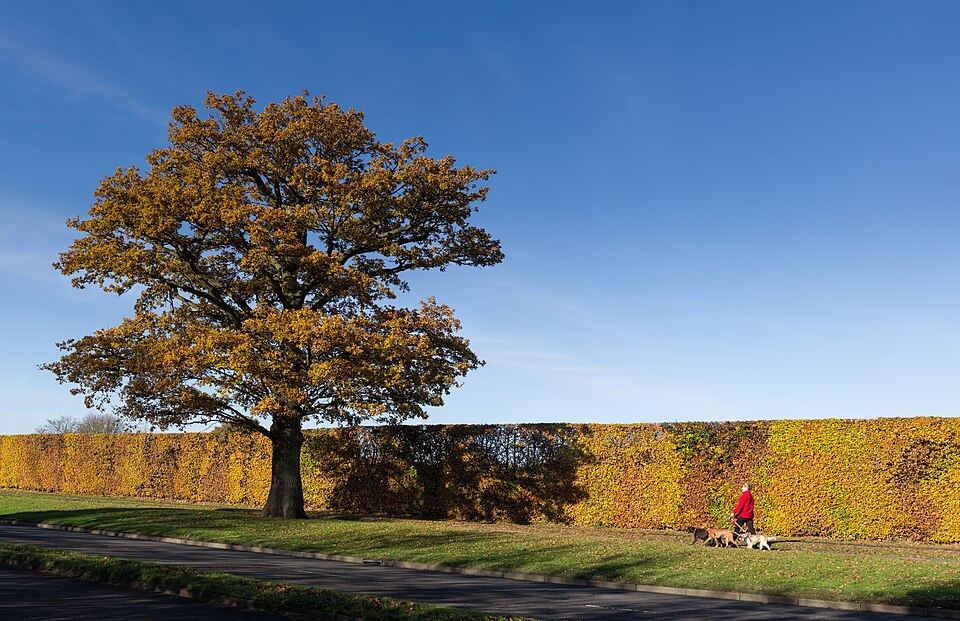
Picking an adjustable lead
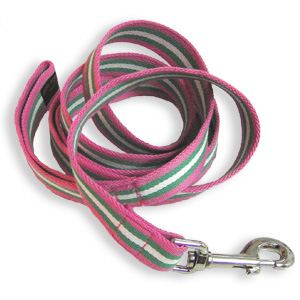
A harness is only half the setup. A good adjustable dog lead lets you shorten up in busy streets and lengthen out at the park, and it pairs perfectly with any dog lead Australia makers produce for our climate. Look for a clip that feels solid in the hand and webbing that doesn't fray after a few washes — cheaper leads fall apart fast once they meet Australian sun and sand.
The little bonus worth having
I didn't expect to care about this, but a dog lead with poop bag holder built into the handle turned out to be one of my favourite small upgrades. It means the bags are always exactly where my hand already is, and I've stopped mid-walk realising I've left them on the kitchen bench again. For a beginner building a walking habit, removing one more point of friction matters more than it sounds.
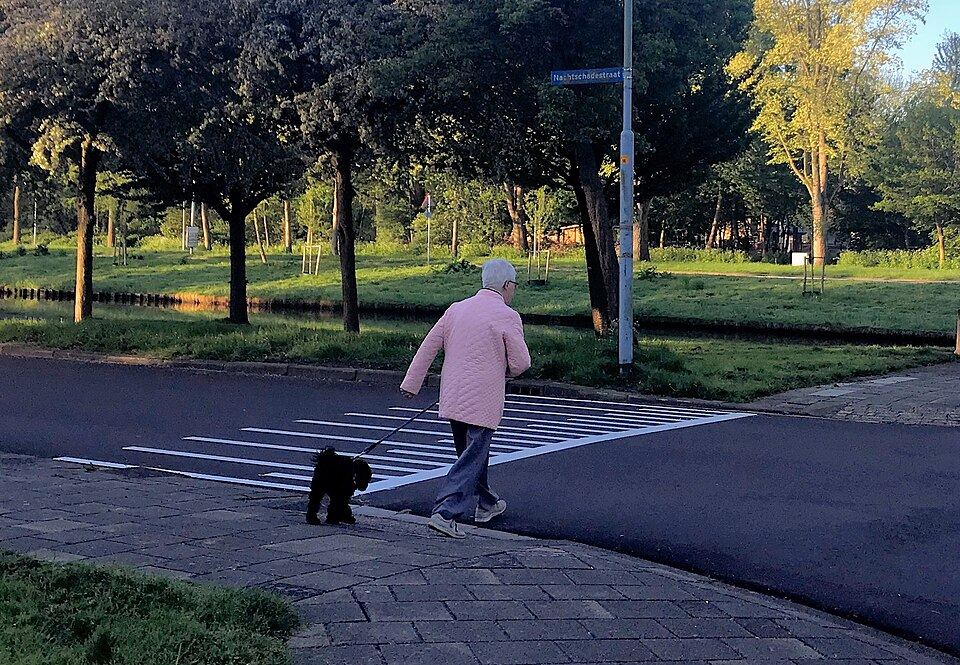
Where to buy in Australia without the guesswork
You can absolutely order online, but as a beginner I'd suggest finding a "dog harness near me Australia" stockist first so someone can fit it properly. Plenty of independent pet shops offer this, and watching a staff member adjust the straps to your dog teaches you more in five minutes than an hour of reading reviews. Once you know your dog's size and preferred style, online top-ups become easy and cheap.
Buying a dog harness Australia locals sell also means easier returns and advice when something chafes. The chain stores are fine, but the little shops often know the gear because the owners use it with their own dogs.
Don't forget our climate
Australian conditions are rough on gear in a way the product photos never show. A harness that's fine through a Melbourne winter can fade and stiffen under Queensland sun, and beach salt will rust a cheap clip in a single season. When you're weighing up where to spend, factor in where you'll actually walk most days. A dog lead Australia makers build for coastal use is worth the few extra dollars if your regular routes involve sand, salt, and a hose-down afterwards. The same goes for a harness — UV-stable webbing and stainless fittings outlast the bargain version by years, not months.
My sign-off
If you take one thing from this guide, make it the measuring step — everything else gets easier once you know the numbers. Pick a style your dog will tolerate, pair it with a lead you trust, and don't be embarrassed to ask the shop for help. We were all beginners once, and your dog doesn't care about the brand, only that the walk is comfortable for both of you.
— From one beginner to another, somewhere in Australia.
Frequently Asked Questions
How do I measure my dog for a harness?
Use a soft tape to take the chest girth just behind the front legs and the neck base where a collar sits. Keep it snug but not tight, add about two centimetres for the coat, and match both numbers to the brand's size chart rather than guessing from the box.
What type of harness is best for a beginner?
The best harness is the one your dog will tolerate. A padded vest style spreads pressure and suits nervous dogs, an overhead slips on like a jumper, and a step-in avoids anything near the face. Pick for your dog's temperament, not the photo on the box.
Should I buy a harness online or locally in Australia?
As a beginner, find a local stockist who can fit it properly first. Watching staff adjust the straps teaches you more in five minutes than hours of reviews, and local buying makes returns and advice far easier once something chafes.
What length lead should I pair with a harness?
A 1.2 metre lead is the everyday standard for suburban walks. A 2 metre lead helps with training, and a 3–5 metre long line suits beach or off-lead practice in safe areas. An adjustable lead covers both with one purchase.
Why does Australian climate matter when choosing gear?
Our sun, salt and sand are brutal on cheap gear. Look for UV-stable webbing and stainless fittings, because a bargain harness can fade, stiffen or rust within a single beach season while quality kit lasts years.
Lead & Harness Size Reference
| Lead length | Webbing width | Best use |
|---|---|---|
| 1.2 m | 1.5–2.5 cm | Everyday suburban walks, most dogs |
| 2 m | 1.5 cm | Lead training and recall work |
| 3–5 m (long line) | 1.5–2 cm | Beach, park, off-lead practice |
| Adjustable 1.5–3 m | 2.5 cm padded | City plus reserve, changing needs |
Webbing width by dog size: under 10 kg → 1.5 cm, 10–25 kg → 2 cm, over 25 kg → 2.5 cm.
Looking for dog leads & walking gear?
We stock the gear covered in this guide, with Australia-wide shipping and Afterpay at checkout.
Popular in this range: mesh harness & lead set · escape-proof harness set
Shop Leads & Walking at Paws of Oz