Australia's Dog-in-Car Laws and the Gear That Keeps You Legal
Short answer: every state expects your dog restrained so it cannot distract you or become a projectile, and the safe choice for the daily run is a harness clipped to the seatbelt, never a collar. In short, clip to the body, not the neck, and strap a crate down only for holidays. A cop mate showed me I was skating on luck rather than law, and the fine is the small risk next to a loose dog in a hard brake.
Most dog owners I talk to know they should restrain their dog in the car, but few actually know the rules behind it. I was the same until a chat with a mate who is a cop made me realise I had been skating on luck, not law. Since then I have dug into the car restraint law dogs Australia actually enforces, and I want to lay it out plainly so you can stay legal and, more importantly, keep your dog alive. This is not legal advice from a lawyer — just a fellow driver who did the homework.
What the Law Actually Says
Across Australia, the common thread is that a dog must be restrained so it cannot distract the driver or be flung around in a crash. The wording differs by state, but the intent is identical. In practice, an officer can fine you if your dog is loose in the cabin, hanging out the window, or roaming the tray of a ute without a proper tether. The dog car harness Australia law expectation is simply: secure the animal.
I learned that "restrained" is interpreted broadly. A certified dog car harness seatbelt setup, a secured crate, or a fixed tether all count. What does not count is a dog happily surfing the back seat, no matter how photogenic it looks on social media. The car travel dog restraint Australia rules exist because an unrestrained dog is a genuine danger, not a minor nuisance.
State by state the details shift. In New South Wales and Victoria the restraint expectation is written straight into the road rules, while Queensland and South Australia lean on animal-welfare and distracted-driving provisions instead. Western Australia and Tasmania take a similar line. The upshot is identical everywhere: a loose dog is treated as a vehicle defect, and a defect means a fine plus demerit points. I now keep a screenshot of my own state's rule in my phone notes so I never fool myself about which side of the line I am on before a trip.
- Across Australia a dog must be restrained so it cannot distract the driver.
- A loose dog in the cabin or tray is treated as a vehicle defect.
- A harness seatbelt, secured crate or fixed tether all count.
- State wording differs but the intent to secure the animal is identical.
- A loose dog means a fine plus demerit points in every state.

Choosing the Safest Restraint
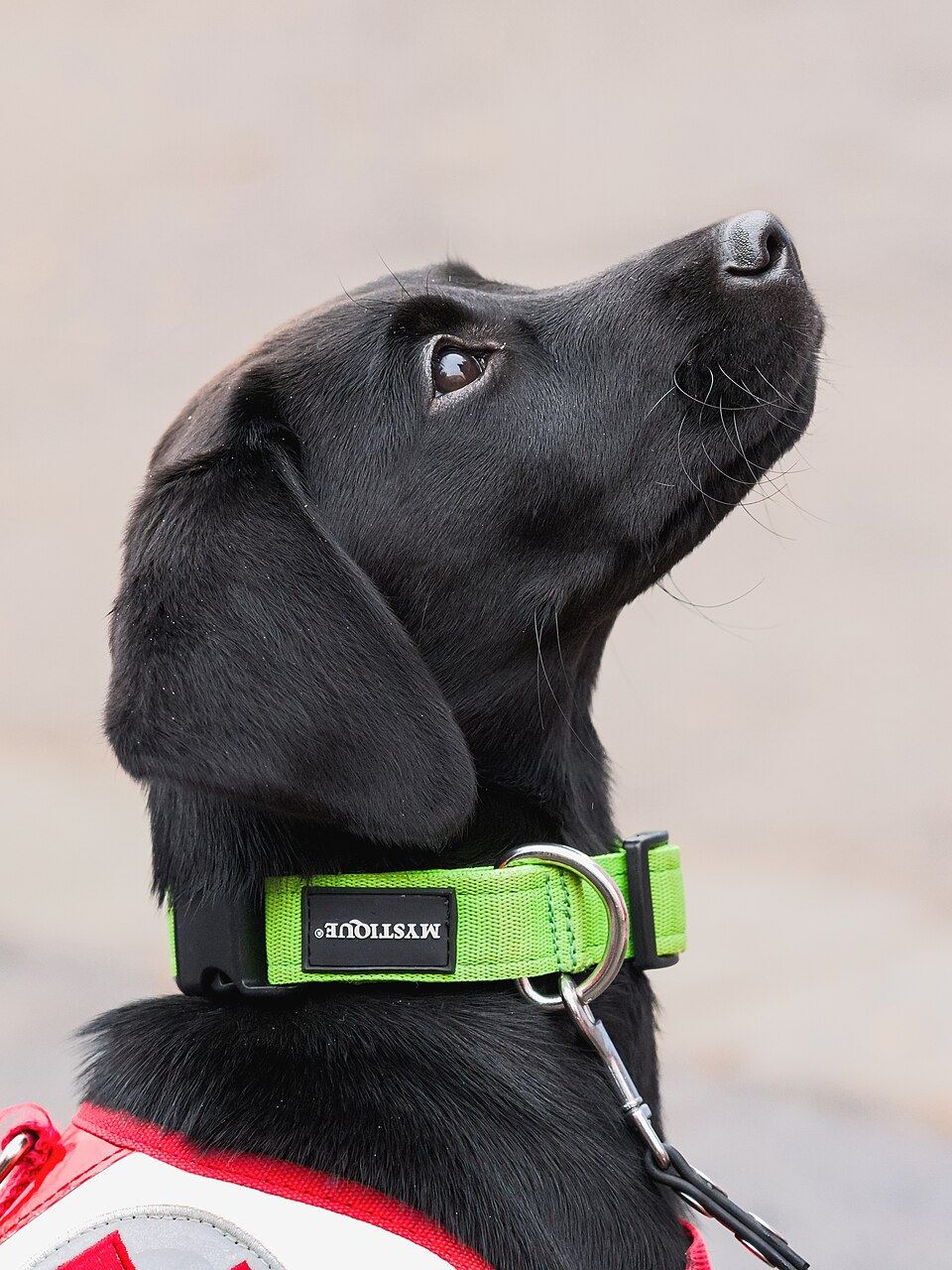
So what is the safest dog car restraint Australia drivers can buy? For everyday use, I favour a padded harness with a dog seatbelt restraint that clips straight into the seatbelt socket. The dog seatbelt clip for car should be metal, not plastic, because plastic snaps under real force. I tested mine by tugging hard before ever driving — if the clip flexes, it is not the one.
Look for a harness that spreads pressure across the chest rather than the neck. In a sudden stop, you want the load on muscle and bone that can take it, not on a throat that cannot. My kelpie wears his without complaint now, and the routine is automatic: in the car, click, go.
Crate vs Harness: Which Wins?
The travel dog crate vs harness car question comes up constantly, and my answer is "it depends on the trip." A crate is superb for long hauls and for dogs who panic without walls. It also protects your upholstery. But a crate must be strapped down or it becomes the projectile you were trying to avoid. For daily commuting, a harness is lighter, faster, and my dog tolerates it better.
I keep both in rotation. Holidays and vet trips in the crate; school run and beach dash in the harness. Neither is "more legal" than the other as long as it genuinely restrains the dog. The law cares about the outcome, not the brand.
The Lead You Use Off the Road
Restraint thinking should not stop when you park. The retractable dog lead I used to love gave my dog freedom on trails, but I have come to respect its limits. In the retractable lead vs standard lead debate, I now carry both with a clear rule: standard lead in town and crowded spots where control matters, retractable only on empty beaches and quiet bush tracks.
The thin cord on a retractable can fail or injury you if a big dog lunges, and letting a dog range near traffic is asking for trouble. A standard lead keeps everyone predictable. Pair that habit with the in-car harness and you have a consistent safety mindset, which is really the point of all these rules.

Common Mistakes I See
The biggest error is clipping the seatbelt straight to a dog's collar. Collars are for ID tags, not crash forces, and they can crush a trachea in a hard stop. Always use a proper harness. The second mistake is buying the cheapest dog seatbelt restraint online without checking the clip is metal and the stitching is doubled. The third is assuming a ute tray with a single rope counts as "restrained" — it does not, and dogs have been lost that way.
I also see people skip the harness on short trips, thinking the law will not notice. Officers notice, and more to the point, physics does not care about distance. A restraint is either on or it is not; there is no "mostly safe" middle ground worth betting a life on.
My Bottom Line
Australia's dog-in-car laws are not there to spoil your fun; they are there because loose dogs get hurt and cause crashes. The gear that keeps you legal — a good harness, a solid clip, or a strapped-down crate — is the same gear that keeps your best mate safe. Spend the forty bucks, build the habit, and you will never have to wonder whether you were on the right side of the law on a bad day.
I wish I had learned this from a brochure instead of from a near miss. Hopefully you just did.
— A driver who finally read the fine print, for the dog's sake.
Frequently Asked Questions
What are Australia's dog-in-car laws?
The common rule is that a dog must be restrained so it can't distract the driver or be flung around in a crash. The wording varies by state, but a loose dog is treated as a vehicle defect and can mean a fine plus demerit points.
What counts as proper restraint?
A certified harness with a seatbelt tether, a secured crate, or a fixed tether all count. A dog surfing the back seat does not, no matter how cute it looks. The law cares about the outcome, not the brand.
Should the clip be metal or plastic?
Metal. Plastic snaps under real force, so look for a metal seatbelt clip and doubled stitching. Cheap restraints that fail in a crash are worse than useless because they fake a sense of safety.
Crate or harness — which is more legal?
Neither; both are legal if they genuinely restrain the dog. A crate must be strapped down or it becomes the projectile you were avoiding. Use the crate for holidays and the harness for the school run.
What mistakes should I avoid?
Never clip a seatbelt to a collar — collars are for ID tags, not crash forces. Don't buy the cheapest restraint without checking the clip, and don't skip the harness on short trips, because physics doesn't care about distance.
Lead & Harness Size Reference
| Lead length | Webbing width | Best use |
|---|---|---|
| 1.2 m | 1.5–2.5 cm | Everyday suburban walks, most dogs |
| 2 m | 1.5 cm | Lead training and recall work |
| 3–5 m (long line) | 1.5–2 cm | Beach, park, off-lead practice |
| Adjustable 1.5–3 m | 2.5 cm padded | City plus reserve, changing needs |
Webbing width by dog size: under 10 kg → 1.5 cm, 10–25 kg → 2 cm, over 25 kg → 2.5 cm.
Looking for dog leads & walking gear?
We stock the gear covered in this guide, with Australia-wide shipping and Afterpay at checkout.
Popular in this range: headrest car tether · mesh harness & lead set
Shop Leads & Walking at Paws of Oz