Beach Days and Wild Weather: Waterproof and Heavy-Duty Leads That Actually Last
Short answer: after Maple's cheap webbing failed on one beach trip, the gear that actually lasts is waterproof material with a metal clip and a heavy-duty build for a dog that pulls. You'll want to rinse the salt off and check the clip ring each season, because UV quietly weakens fabric over a long summer. The storms that rolled in finished off my first lead, and a reflective set still earns its place for a late winter walk that turns dark fast.
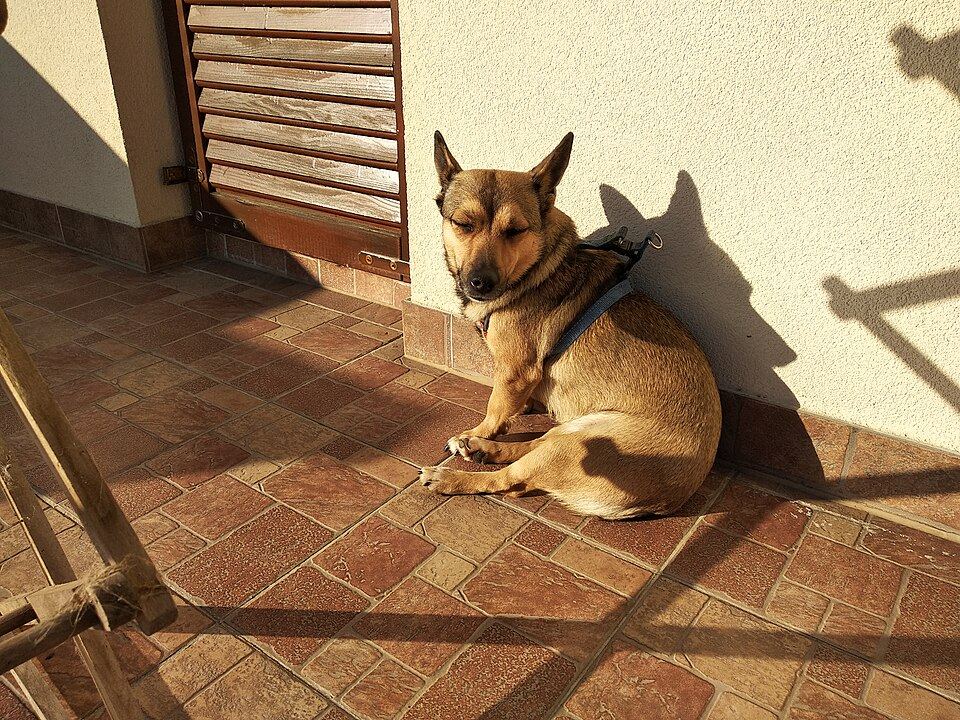
I used to think any lead would do. Then I started taking Maple to the beach and got caught in a few storms, and the cheap webbing I owned basically fell apart in front of me. Salt, sand, rain and a strong dog are a brutal combination, and they exposed every weak point in my gear. This is the story of how I rebuilt our kit around things that survive the Australian outdoors instead of pretending to.
The beach was the real test
Our first beach trip felt idyllic until Maple chased a wave and the lead came back caked in wet sand. By the next morning it was stiff and smelly, and the clip was gritty. That's when I went looking for a proper beach dog walking lead, something built to be rinsed and forgotten. The right one has a smooth, sealed surface that sand doesn't grip, and a clip that still moves after a dunk. It sounds minor until you've fought a jammed buckle with a wet, excited dog pulling toward the water.
Why I switched to waterproof
Rainy-season walks used to mean a lead that never fully dried and always carried that damp-dog odour into the hallway. Swapping to a waterproof dog lead fixed it overnight. Water beads off instead of soaking in, so it stays light and it doesn't mildew in the cupboard. For our weekend trips I specifically keep a waterproof dog lead for beach days because salt water is even harsher than rain. Rinse, shake, hang it up, done. No scrubbing, no smell, no slowly rotting fibres.
Heavy duty for a dog that pulls
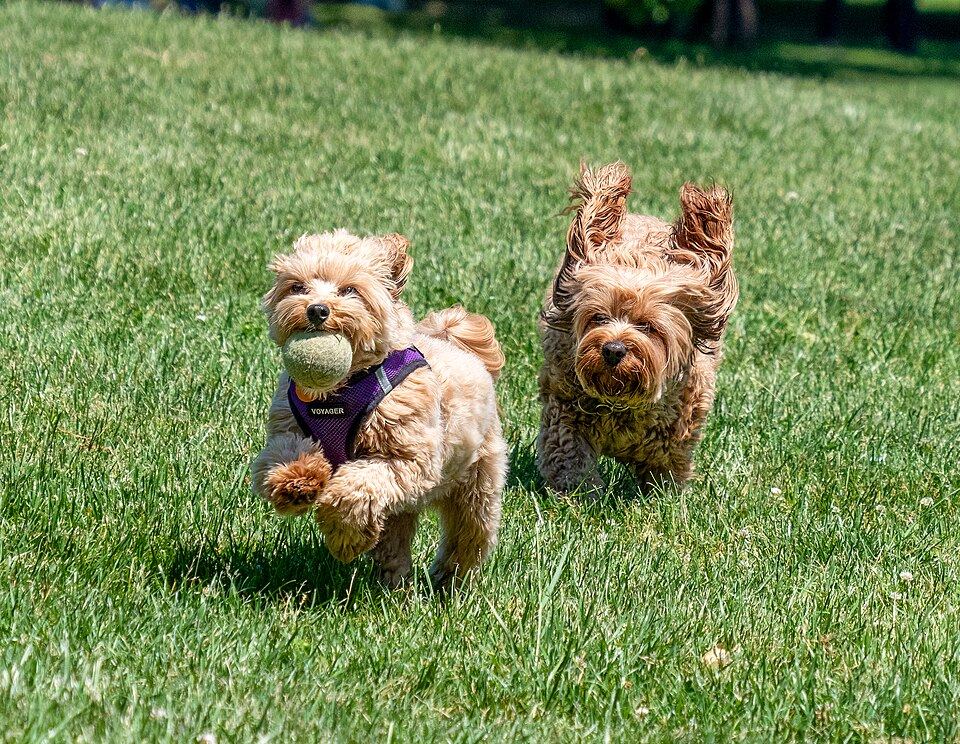
Maple is not a small dog, and when something interesting appears she pulls like she's forgotten I exist. A thin lead worried me, so I moved to a heavy duty dog lead with a thick, tightly woven strap and a metal clip I trust. If you've got a strong breed, look at a heavy duty lead for large dogs Australia shops stock, because the bargain imports I bought early on frayed at the stitching within a month. The better one has held up through mud, surf and a couple of very dramatic lizards. The grip is also nicer, which matters on a long walk.
When the storms rolled in
One winter we had a run of wild weather, the kind where the sky opens and the footpath turns to a river. I kept expecting the gear to fail, but the waterproof lead shrugged it off and the heavy-duty strap stayed soft instead of going rigid like my old one did. On those nights I'd still clip on the reflective dog collar and lead set from our night kit, because visibility matters just as much in a storm as it does after dark. Good gear doesn't care what the sky is doing, and that's the whole point of buying once.
Lessons I wish I'd learned sooner
The biggest lesson is that "waterproof" and "heavy duty" are not the same thing, and you want both. Waterproof keeps the lead usable and clean; heavy duty keeps it intact when your dog lunges. I also learned to rinse gear after every salty or muddy outing, because prevention beats replacement. And I stopped buying the cheapest option, since the "saving" disappeared the moment I had to rebuy it three times. Night dog walking reflective gear still comes with us too, because a late beach walk in winter gets dark fast.
- Waterproof keeps the lead clean; heavy duty keeps it intact.
- Rinse gear after every salty or muddy outing to prevent wear.
- Stop buying the cheapest option that needs replacing three times.
- Night reflective gear comes on winter beach walks as it darkens.
- Good gear does not care what the sky is doing on a stormy night.
What's in the bag now
These days the boot of my car always has a waterproof lead, a heavy-duty backup, and the reflective set for low light. I keep a small towel and a spare clip as well. It's not a complicated system, but it means a sudden downpour or an unplanned swim never turns into a ruined afternoon. For a glow in the dark dog lead option I'll sometimes swap the collar on evening beach trips, which rounds out the kit nicely when the light fades.
Getting the fit right
A heavy-duty lead is only as good as the clip and the connection to the collar, so I check those points before every beach season. A loose ring or a sticky clasp is how dogs escape, and salt speeds up the wear you can't see. I also keep the straps out of direct sun where I can, because UV quietly weakens webbing over a long summer. None of this takes long, but it's the difference between gear that lasts years and gear that lets go on the one day you actually needed it.
Why I stopped cheaping out
Before I wised up I'd buy whatever was on special, and I replaced leads constantly. The maths never worked. A single good waterproof and heavy-duty combo has now outlasted three of the cheap ones, and it's still going. For me the real value isn't the price tag, it's not having to think about it. When the weather turns or Maple bolts for the surf, the last thing I want is doubt about my own equipment. Spend once, check it occasionally, and get on with the walk.
One mistake I keep making
I'll admit I still forget to rinse the lead sometimes after a quick dip, and the next morning the clip feels gritty. It's a small thing, but it's the habit that protects the gear, so I've started keeping a bottle of water by the back door as a reminder. Rinse, shake, hang. Thirty seconds, and the lead stays smooth for years instead of months. It's the easiest maintenance step there is, and the one I'm most likely to skip.
If your lead is falling apart after one wet season, trust me, spend once on the good stuff. Me and Maple wish we had sooner. — from me and Maple.
Frequently Asked Questions
Why use a waterproof dog lead at the beach?
Salt, sand and rain expose every weak point in cheap webbing. A waterproof lead has a sealed surface sand won't grip, beads water instead of soaking in, and just needs a rinse and shake — no smell, no stiffness, no rotting fibres.
Is a heavy-duty lead worth it?
For a strong or pulling dog, yes. A thick woven strap and metal clip survive mud, surf and sudden lunges where bargain leads fray at the stitching within a month. The better grip also helps on long walks.
Are waterproof and heavy duty the same thing?
No, and you want both. Waterproof keeps the lead usable and clean; heavy duty keeps it intact when your dog bolts. Rinse gear after every salty or muddy outing, because prevention beats replacement.
How do I make leads last longer?
Rinse after beach or mud, check the clip and ring before each season, and keep webbing out of direct sun where you can, because UV quietly weakens it over a long summer. Thirty seconds of care adds years of life.
Should I still carry reflective gear?
Yes. A late beach walk in winter gets dark fast, and visibility matters as much in a storm as after dark. Keep the reflective set in the kit so a sudden sunset never turns into a risky, invisible walk.
Lead & Harness Size Reference
| Lead length | Webbing width | Best use |
|---|---|---|
| 1.2 m | 1.5–2.5 cm | Everyday suburban walks, most dogs |
| 2 m | 1.5 cm | Lead training and recall work |
| 3–5 m (long line) | 1.5–2 cm | Beach, park, off-lead practice |
| Adjustable 1.5–3 m | 2.5 cm padded | City plus reserve, changing needs |
Webbing width by dog size: under 10 kg → 1.5 cm, 10–25 kg → 2 cm, over 25 kg → 2.5 cm.
Looking for dog leads & walking gear?
We stock the gear covered in this guide, with Australia-wide shipping and Afterpay at checkout.
Popular in this range: mesh harness & lead set · escape-proof harness set
Shop Leads & Walking at Paws of Oz