What's Actually in the Toy Box? Non-Toxic Dog Toys
Short answer: the five-minute toy audit matters more than any shelf photo, because dogs taste-test everything and Duke's mouth softens and swallows bits of whatever lands in it. You should squeeze for a strong plastic smell, bin cheap vinyl that cracks in a hot Queensland summer, and build chewed toys from solid natural rubber or woven natural-fibre rope. Treat glued eyes and bells as pre-swallowed parts, and do the daily ten-second check — cracks are what keep a dog safe.
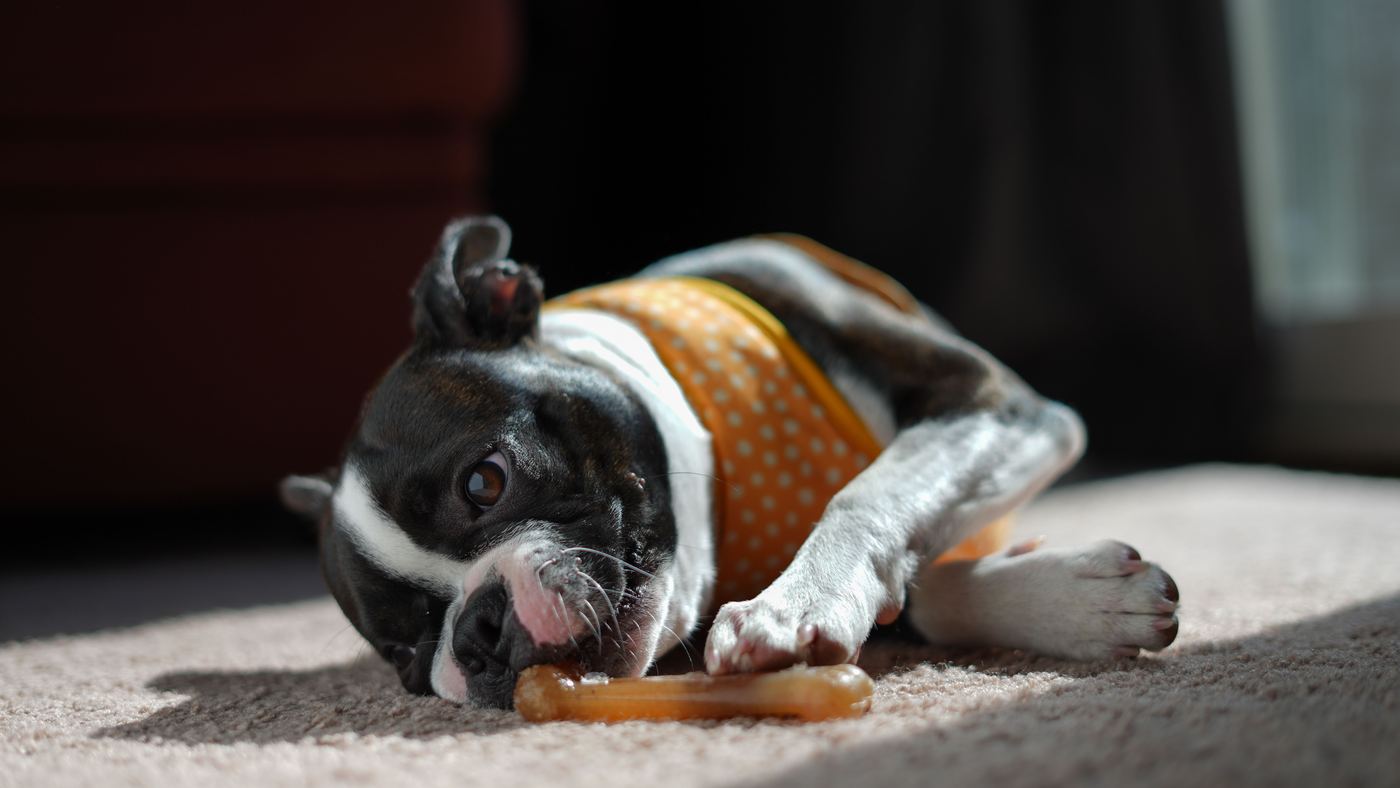
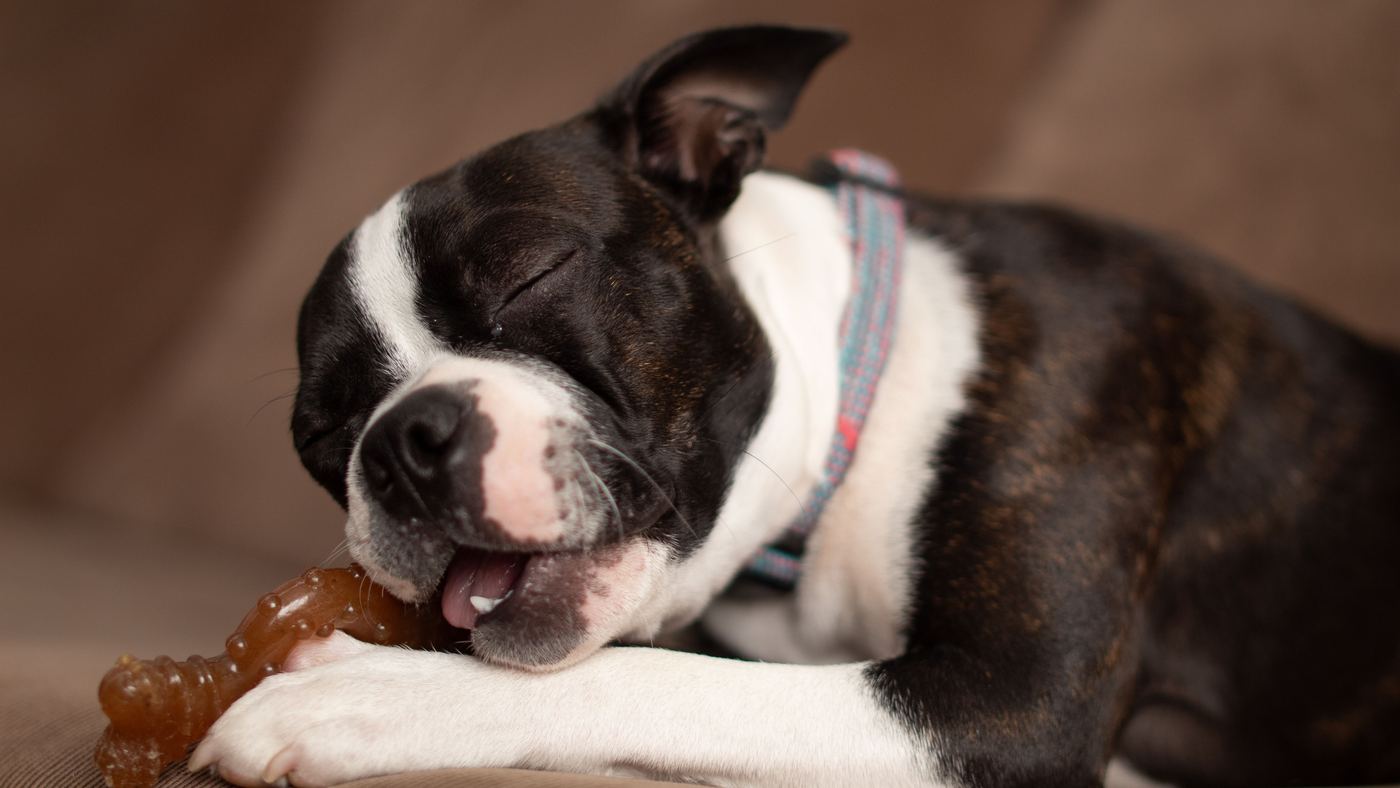
Dogs don't play with toys — they taste-test them, constantly. Everything in Duke's mouth spends time being softened, chewed and occasionally swallowed in bits. Once I pictured that, reading the materials label stopped feeling like fussiness.
The five-minute toy audit
You don't need a chemistry degree — just a habit. Squeeze it: does it smell strongly of plastic? That's cheap vinyl; it cracks and (in a hot Queensland summer) degrades fast. Look for solid natural rubber or tightly-woven natural fibre rope as the base for anything chewed. And treat glued-on eyes, bells and ribbons as pre-swallowed parts waiting to happen.
| Material | Chew safety | Notes |
|---|---|---|
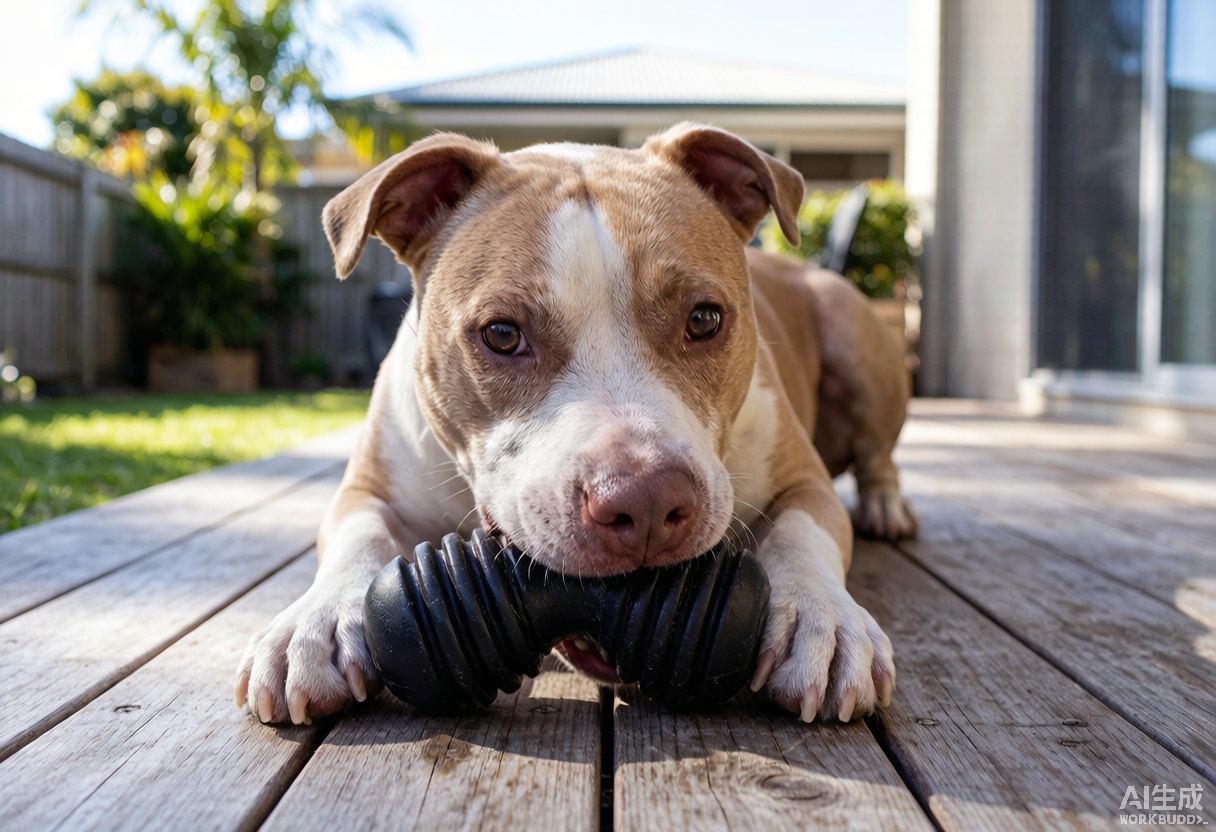
| Solid natural rubber | Good | The power-chewer default |
| Cotton / hemp rope | Good (tugging) | Swap when fraying badly |
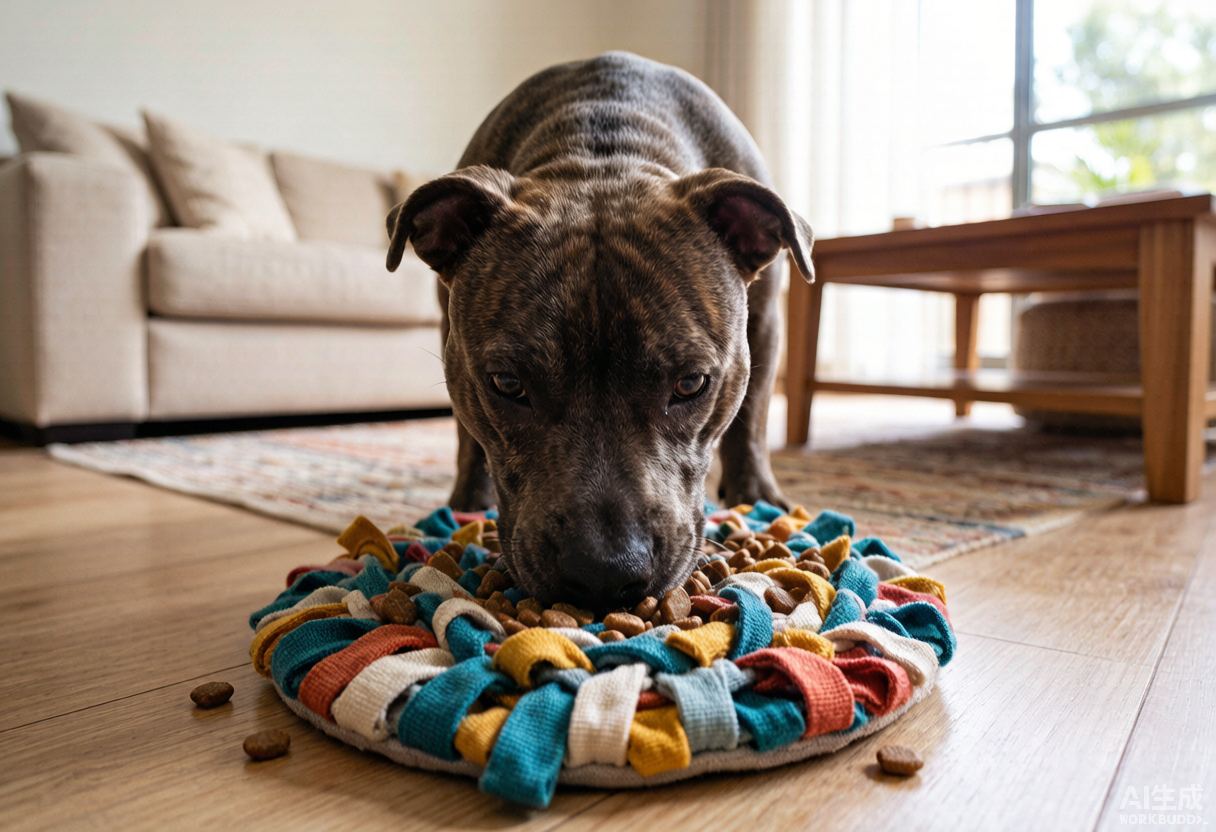
| Food-grade silicone | Good | Lick mats, treat toys |
| Soft vinyl / thin plastic | Avoid for chewers | Splits, sharp edges |
| Glued-on decorations | Avoid | Choking hazards |
One honest caveat: nothing in a toy aisle comes with a guarantee, natural or not. The non-toxic label is a good start, but the daily ten-second check — cracks, splits, exposed parts — is what actually keeps a dog safe.
- Squeeze it to check for a strong plastic smell.
- Choose solid natural rubber or woven fibre rope.
- Treat glued-on eyes and bells as hazards.
- Avoid soft vinyl that splits into sharp edges.
- Do a ten-second check for cracks each day.
Storing toys out of the sun
I keep Duke's toy box in the laundry rather than out on the patio, where the afternoon sun cooks everything. A cool, dry spot means the materials don't soften or take on that stale smell between uses, and it's easier to grab what I need when we head out.
It also keeps the box itself tidy, so I'm not digging through a pile to find the one rope that's still sound. A bit of organisation goes a long way when you've got a handful of toys to keep track of.
Spreading the wear around
Rather than leaving Duke's favourite out every day, I swap which toys are in reach so the chewing gets spread across the lot. The one he reaches for most would otherwise wear thin fastest, and a thin spot is where trouble starts.
Rotating the group also means I notice a change in one toy against the others, instead of the same chewer hiding its own slow damage. It's a simple way to stay ahead of a problem before it shows up in his mouth, and it costs nothing but a moment of thought.
Watching during play
The audit happens before the session, but I still keep half an eye on Duke while he's at it. A toy that was fine at the start can cop a tough few minutes, and I want to catch that early before it becomes something he shouldn't swallow.
It isn't about hovering, just knowing his habits well enough to notice when a session's gone sideways. The dog teaches you what to watch for faster than any label ever will, and the practice keeps the whole box honest.
Frequently Asked Questions
Frequently asked questions
What makes a dog toy non-toxic?
No cheap vinyl or strong chemical smell; solid natural rubber, natural fibres, food-grade silicone.
Are natural rubber toys safer?
For chewers, generally yes — fewer splits and no plastic smell.
Should I worry about dye in toys?
Prefer natural dyes on fabric toys, since colours end up in mouths.
What's the most common toy hazard?
Small parts and split plastic — check toys daily and bin damaged ones.
Are plush toys bad?
For supervised gentle dogs, fine. Power chewers should skip them.
Looking for cat & dog toys?
We stock the gear covered in this guide, with Australia-wide shipping and Afterpay at checkout.
Shop Toys at Paws of Oz