Puppy Teething Toys: Saving Your Shoes in Week One
Short answer: a teething pup needs relief for sore gums and one legal alternative to your footwear, not twenty toys, because the urge peaks near six months as the adult teeth settle. If you only buy three, make them soft-edged rubber that soothes, something frozen to numb the gums, and a cool carrot that works on a budget. The trick is redirection — swap the toy in calmly, fifty times a day if needed.
Friends with a new puppy asked me what to buy before week one, and my answer surprised them: not much, but the right few things. A teething puppy doesn't need twenty toys — it needs relief for sore gums and an alternative to your footwear.
Teething is a phase; damage doesn't have to be
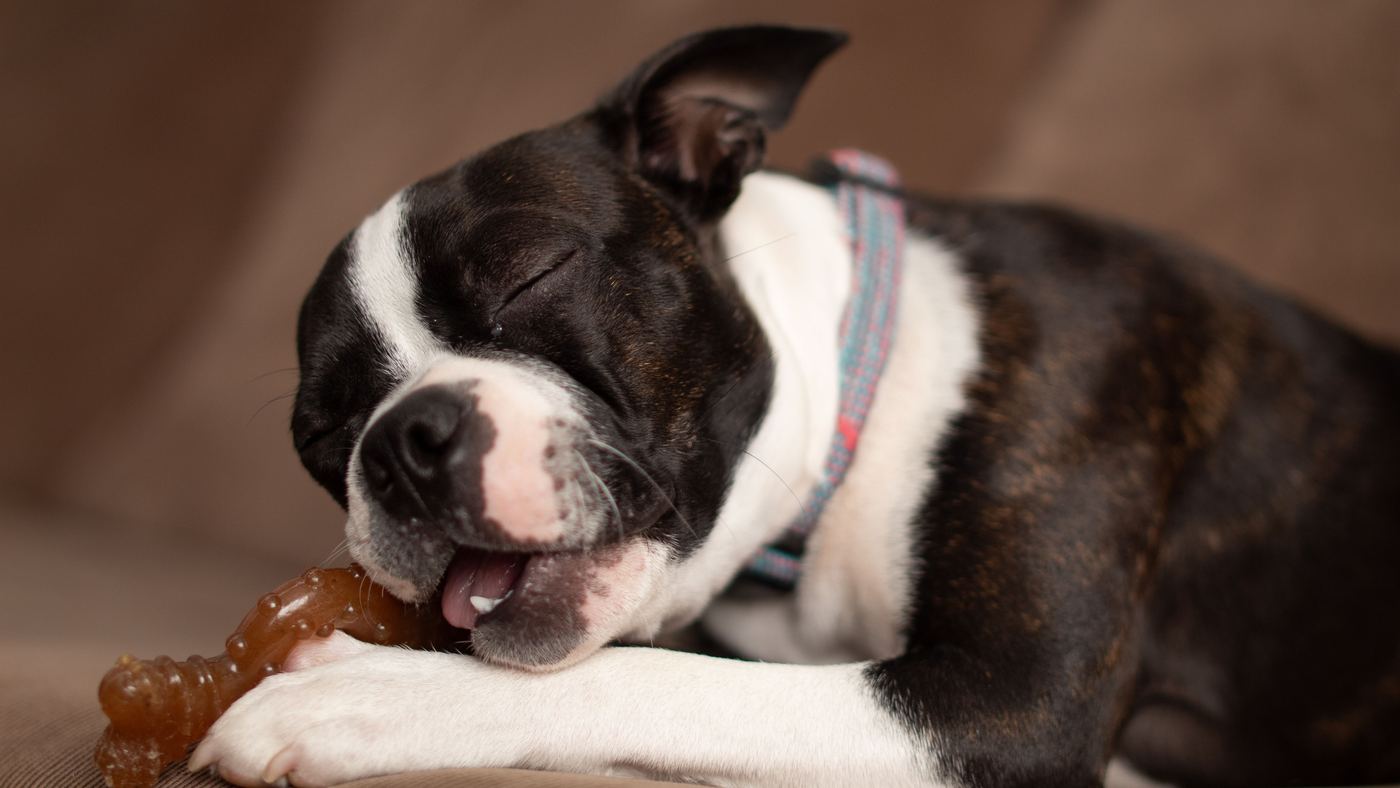
Puppies teeth until roughly six months, and the urge to chew peaks when the adult teeth settle. Soft-edged rubber soothes gums; frozen items numb them; and a cool carrot does a surprisingly good job on a budget. The strategy is redirection — every time jaws find a shoe, swap it for the toy, calmly, fifty times a day if needed.
| Age stage | Reach for | Avoid |
|---|---|---|
| 8–12 weeks | Soft rubber, frozen cloth | Hard chews — baby teeth |
| 3–5 months | Puppy-rated rubber, cool carrot | Adult-tough rubber |
| 5–6 months+ | Graduate to firmer chews | Leaving toys with glued parts |
Buying tip for the online shop: get two of whatever works. Teething toys lead hard lives, get lost under lounges, and you'll want a dry one while the other's in the freezer.
- Puppies teeth until roughly six months of age.
- Soft rubber soothes the gums and frozen items numb them.
- A cool carrot is a cheap way to ease sore gums.
- Swap a shoe for a toy every time the jaws find one.
- Buy two of whatever toy works, so one is always ready.
Watch the toy for damage
I check each chew before it goes down, because a toy that's starting to split can leave a pup with a mouthful of loose rubber. A quick look while it's still in my hand saves a scramble later, and it's become part of how I hand one over.
When something looks ragged or the stuffing starts to show, it goes in the bin rather than back on the floor. Puppies are thorough once they get going, and a worn toy earns retirement faster than you'd expect. Better a sad bin trip than a choking scare.
Stay calm through the chewing
This stage tests your patience more than your shopping list. I've found the evenings go better when I expect the chewing and don't take it personally, because a pup isn't being naughty, it's just uncomfortable and busy.
Keeping my own mood steady helps more than any toy does. A frazzled owner makes a frazzled pup, so I take a breath, hand over something legal to gnaw, and get on with the night. The weeks pass and the shoes mostly survive.
Keep the chews organised
I keep the small rotation in a basket near the lounge so a toy is always within arm's reach when the pup makes a beeline for something forbidden. Having them visible means I'm more likely to actually use them rather than forgetting in a cupboard.
A wet one goes straight to the sink and a frozen one back to the freezer, so the set stays in working order. It sounds fiddly, but the habit takes a minute and spares the argument with yourself about where the good toy went.
Frequently Asked Questions
Frequently asked questions
When do puppies stop teething?
Around six months, when adult teeth settle — chewing peaks just before.
Are frozen toys good for teething?
Yes — cold soothes gums. Try a frozen wet cloth or carrot.
Can puppies have adult chew toys?
Not yet — puppy-rated softness protects baby teeth.
How do I stop my puppy chewing shoes?
Manage (shoes away) plus redirect to a teething toy, calmly, every time.
How many teething toys do I need?
Three or four in rotation, including a spare while one's frozen.
Looking for cat & dog toys?
We stock the gear covered in this guide, with Australia-wide shipping and Afterpay at checkout.
Shop Toys at Paws of Oz