Toys for Dogs with Separation Anxiety (and When to Call the Vet)
Short answer: a frozen stuffed chew eases the hardest first minutes alone, but it's one piece of a bigger plan and never a cure, because Duke's early months left a dismantled cushion and a bin through the house. You should keep departures boring, build alone-time in small steps, and see your vet if he's self-injuring or destroying exits rather than treating that as a shop trip. Six months on I come home to a sleeping dog and an intact cushion.
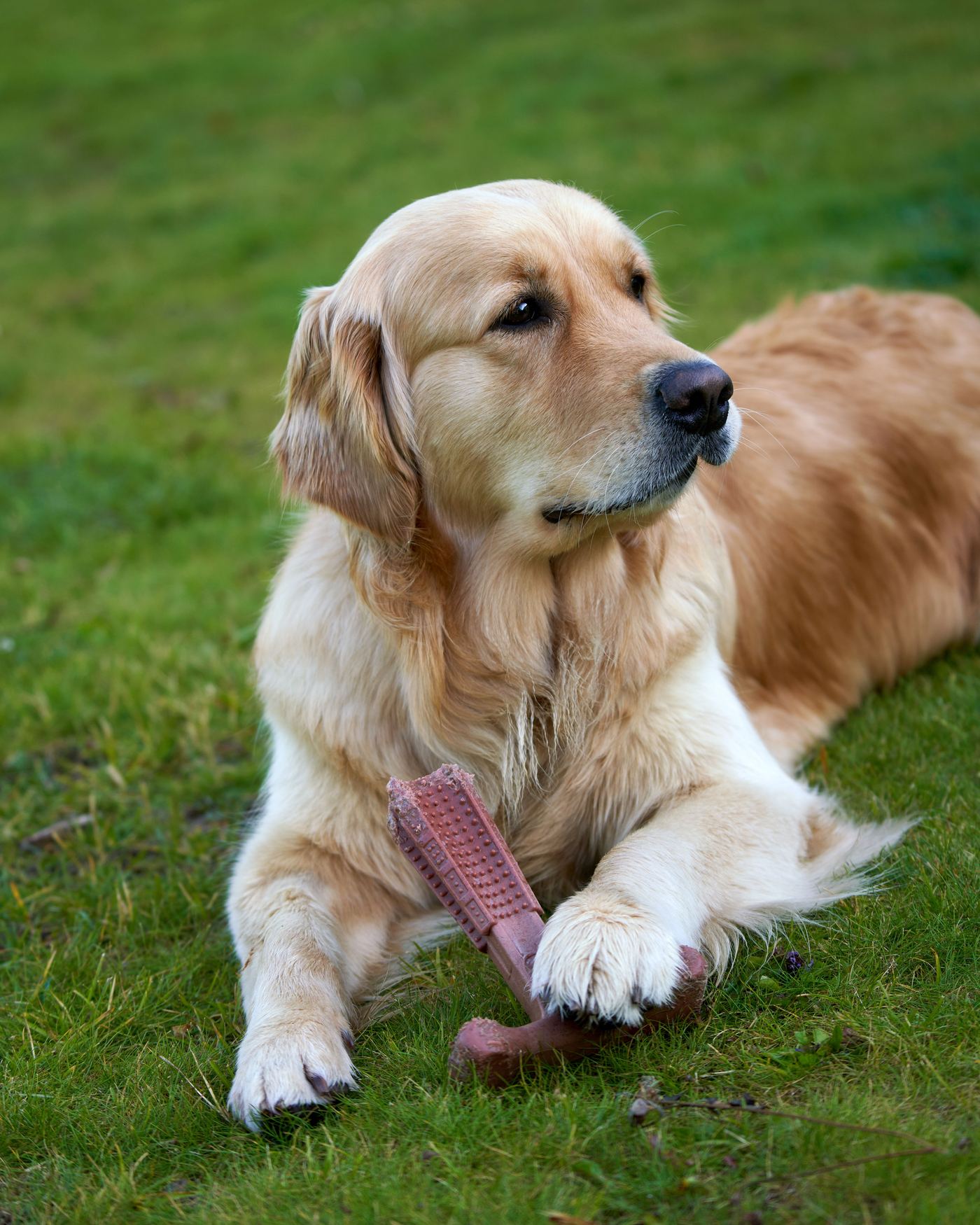
Duke's first months alone went badly: whining at the door, a dismantled cushion, the bin redecorated through the house. I want to be careful here, because toys helped us — but they were one piece of a bigger plan, and if your dog is hurting themselves or destroying exits, that's a vet conversation, not a shopping trip.
What a toy can and can't do
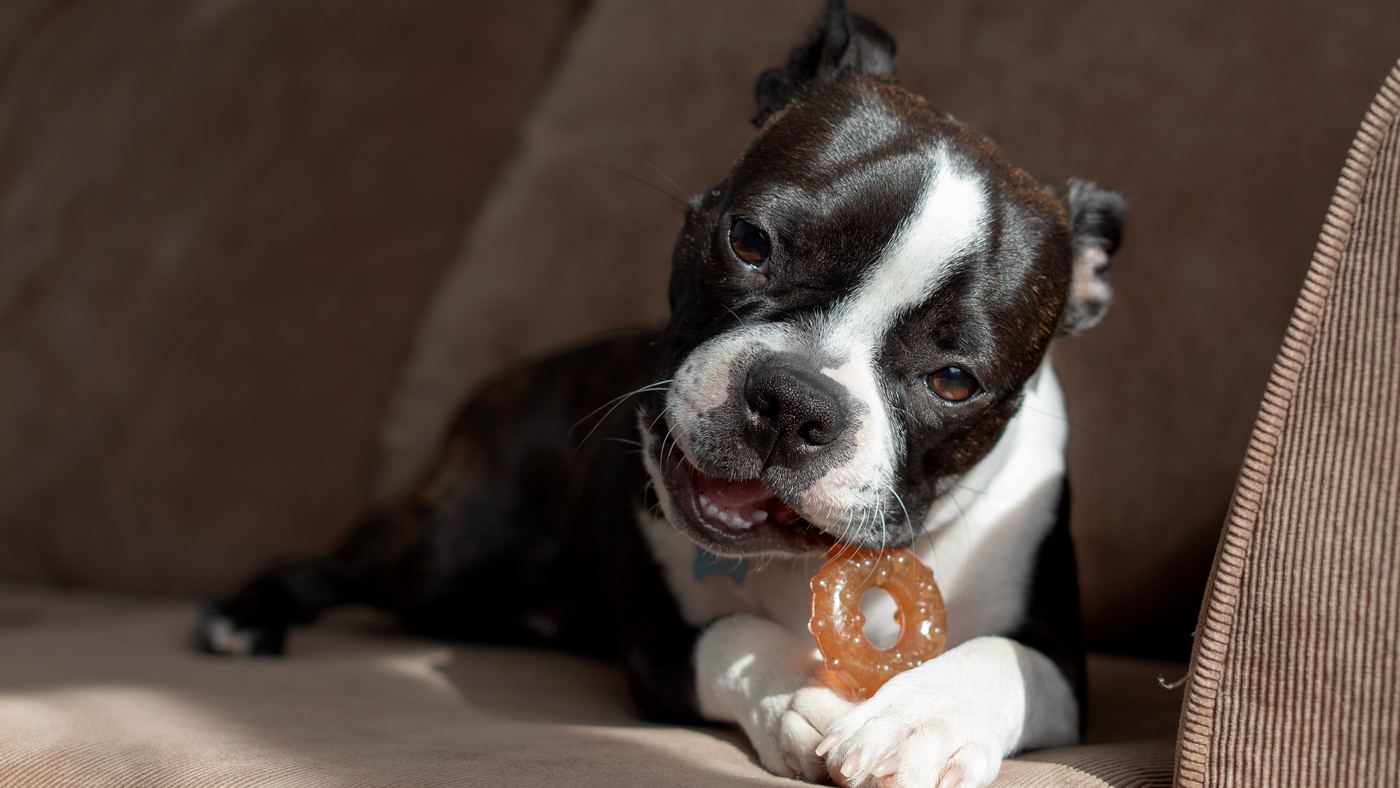
A stuffed, frozen chew toy gives a worried dog a settling job in the first lonely minutes — the hardest part of any absence. Licking and chewing genuinely calm many dogs. What a toy can't do is fix the panic underneath; for that, slow departures, short absences and sometimes professional behaviour help were what moved the needle for us.
| Situation | Try | If it doesn't improve |
|---|---|---|
| Mild whining, pacing | Frozen stuffed chew on exit | Extend alone-time training gradually |
| Destructive boredom | Rotation of enrichment toys | More exercise; check enrichment needs |
| Escaping, self-injury, hours of distress | Vet or behaviourist first | Medical or behaviour support |
The routine that worked for us: a good walk before I leave, a frozen chew at the door, departures kept boring (no dramatic goodbyes), and building alone-time up in small steps. Six months on, I come home to a sleeping dog and an intact cushion.
- A frozen chew gives a worried dog a settling job.
- Licking and chewing genuinely calm many dogs.
- A toy cannot fix the panic that sits underneath.
- Walk well, then leave a frozen chew at the door.
- Keep departures boring and build alone time slowly.
Reading the early signs
I've learned to read the small tells in Duke before I've even reached for the lead, the pacing and the hovering by the door that say the alone time is already weighing on him. Noticing those signals early changed how I prepare the house.
It's just honest observation of a dog who struggles with the gap. Catching the mood before it peaks is the first step I take on a hard day, long before any toy comes into the picture.
A calm return matters
The way I come back in matters as much as the way I leave, so I keep returns as flat and uneventful as I can manage. I read the room before I react, checking whether the cushion is still intact and whether Duke is settled or spun up.
That quiet read tells me what worked and what didn't without turning homecoming into a big event. Keeping it ordinary has helped the whole pattern feel less loaded for him, and the house stays calm at both ends of the day.
Expecting the slow road
Over time I've stopped expecting a quick fix and accepted that steady, small progress is the realistic shape of this work. There are good stretches and wobbly ones, and the pattern needs patience more than pressure.
I keep my own expectations honest so I don't rush Duke past what he can handle. The long view is kinder to both of us than chasing a fast result from any single routine.
Frequently Asked Questions
Frequently asked questions
Can a toy fix separation anxiety?
It eases the first hard minutes, but real progress needs training — and a vet for severe cases.
What's the best toy for an anxious dog?
A frozen, stuffed rubber chew — licking and chewing settle many dogs.
Should I say goodbye when I leave?
Keep departures boring and calm; drama signals that something's up.
How long can a dog be left with toys?
Start short and build gradually. Toys help, but hours alone is hard on any dog.
When is it a vet problem?
Self-injury, escape attempts or hours of distress — see your vet promptly.
Looking for cat & dog toys?
We stock the gear covered in this guide, with Australia-wide shipping and Afterpay at checkout.
Shop Toys at Paws of Oz