Dog Toys in Australia: What Survives Real Use Out Here
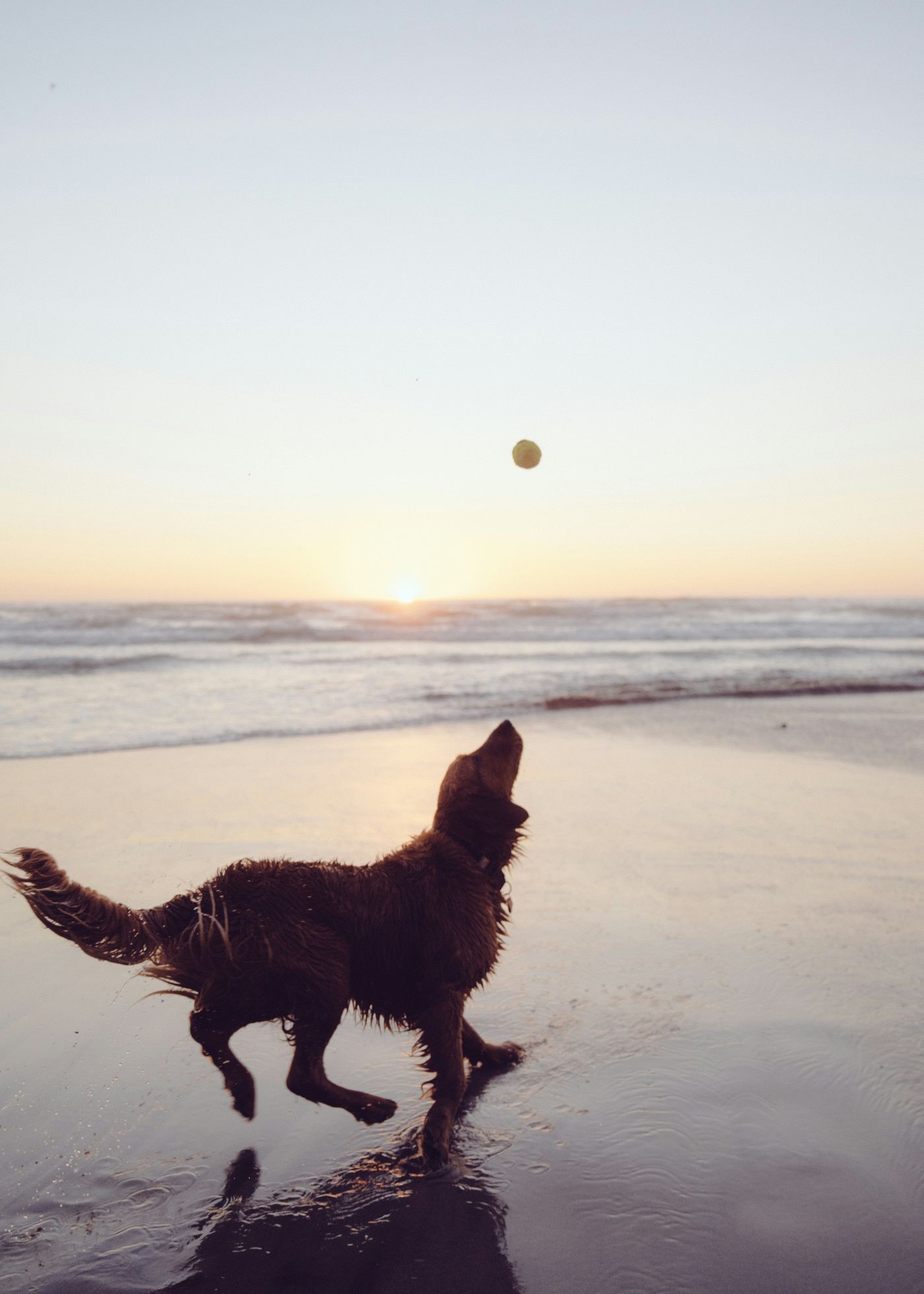
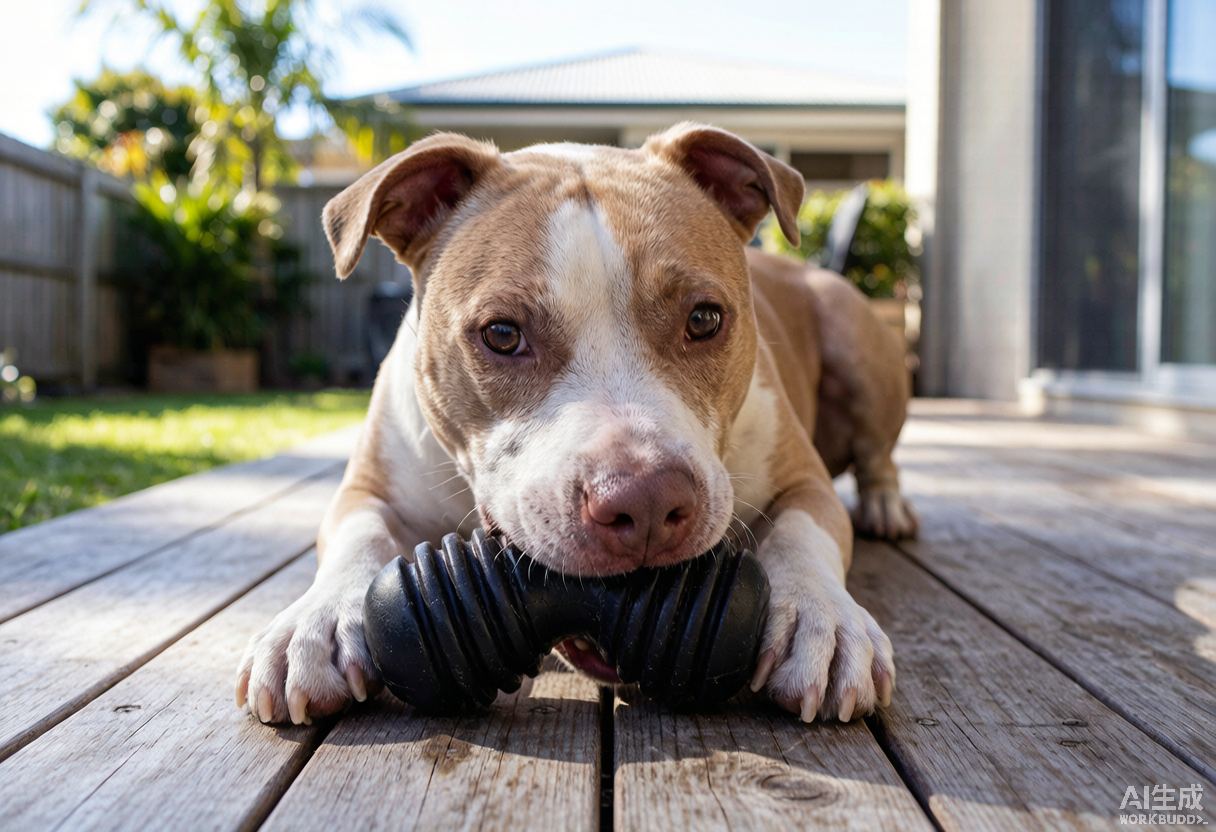
Short answer: what survives a year of Australian conditions is solid, UV-stable rubber kept out of the sun. Cheap vinyl dies in a fortnight, rope fades but holds, and a freezer-safe rubber toy is the summer hero.
Plenty of "best dog toys" lists are written by people whose dogs live on couches. Out here the sun's harsher, the ground's harder, and the dog's honest. So this is my shortlist of what actually survives Australian conditions — paddock, footpath and beach — after a year of Banjo's best efforts.
What earns a spot in the ute
| Toy | Verdict after a year | Where it survives |
|---|---|---|
| Solid rubber fetch toy | Teeth marks, still going | Everywhere |
| Woven rope tug | Faded, structurally sound | Park, backyard |
| Cheap vinyl anything | Dead in a fortnight | Nowhere |
| Floating rubber ring | Salt-stiff but alive | Beach, river |
| Freezer-safe rubber | The summer hero | Hot-weather yards |
Two things matter more in Australia than the packaging admits. UV: leave cheap plastic in the sun and it goes brittle, so I keep the good rubber in the shade of the ute tray. Heat: a toy that's been baking on sand or dash can burn a mouth — back of your hand before the dog gets it, every time. Freezer-safe rubber earns its keep on 40-degree days: soaked, frozen, and it keeps a dog busy and cool at once.
And I'll repeat the rule from my field test: no toy teaches recall. Manners first, then the fun stuff. But once you've got both, there's not much better than a dog flat out in the shade after a good swim.
- Solid rubber fetch toys take teeth marks and keep going.
- Woven rope tugs fade but stay structurally sound.
- Cheap vinyl toys die within a fortnight of use.
- Floating rubber rings survive the beach and the river.
- Freezer-safe rubber keeps a dog busy and cool at once.
A quick rinse after water
After Banjo has had a swim I give his toys a quick rinse and leave them to dry in the shade. Sand and grit wear a toy faster than the dog does, and a clean toy lasts longer between replacements. It is a small habit, but it keeps the good gear in the ute instead of going mouldy in a damp bag. I do it the same afternoon, never leave wet rubber sealed away.
Retiring a worn-out toy
I check the toys Banjo leans on hardest every so often, running a hand over the surface for splits or soft spots. When rubber goes tacky or a rope starts to shed, it heads for the bin no matter how much he loves it. A toy that is past it is a hazard, not a keepsake, and it is easier to replace than to pull scraps out of a curious mouth.
Watching your dog's own style
Every dog treats a toy differently, and Banjo has his own way that no list can capture. Some dogs shred, some carry, some just want to chase, and the gear that suits one dog sits ignored by another. I watch what he reaches for on his own and keep more of that on hand, rather than buying what a catalogue reckons he should want.
Frequently Asked Questions
Frequently asked questions
Which dog toys last longest in Australia?
Solid rubber. UV-stable, salt-tolerant, and it doesn't care about a hard landing.
Does sun damage dog toys?
Yes — UV makes cheap plastic brittle. Store them shaded.
Are freezer toys worth it?
On a hot Australian summer day, absolutely — they cool and occupy at once.
What toys survive the beach?
Floating rubber in bright colours; rinse salt off afterwards.
Where should I buy dog toys in Australia?
Somewhere with a real returns policy — durability claims are cheap; warranties aren't.
Looking for cat & dog toys?
We stock the gear covered in this guide, with Australia-wide shipping and Afterpay at checkout.
Shop Toys at Paws of Oz