Teaching a Dog to Settle in the Back Seat: A Four-Week Plan
Short answer: you teach a dog to settle in the back seat the same way you teach anything else, one small win at a time. Four weeks of short, positive sessions moves most dogs from restless to relaxed: week one is parked and calm, week two is the engine idling, week three is five-minute drives, week four is real outings. A cover with a clear spot and side flaps tells them where their place is, which does half the training for you. Keep it boring and rewarding and the back seat becomes a nap, not a fuss.
Week one: the parked car
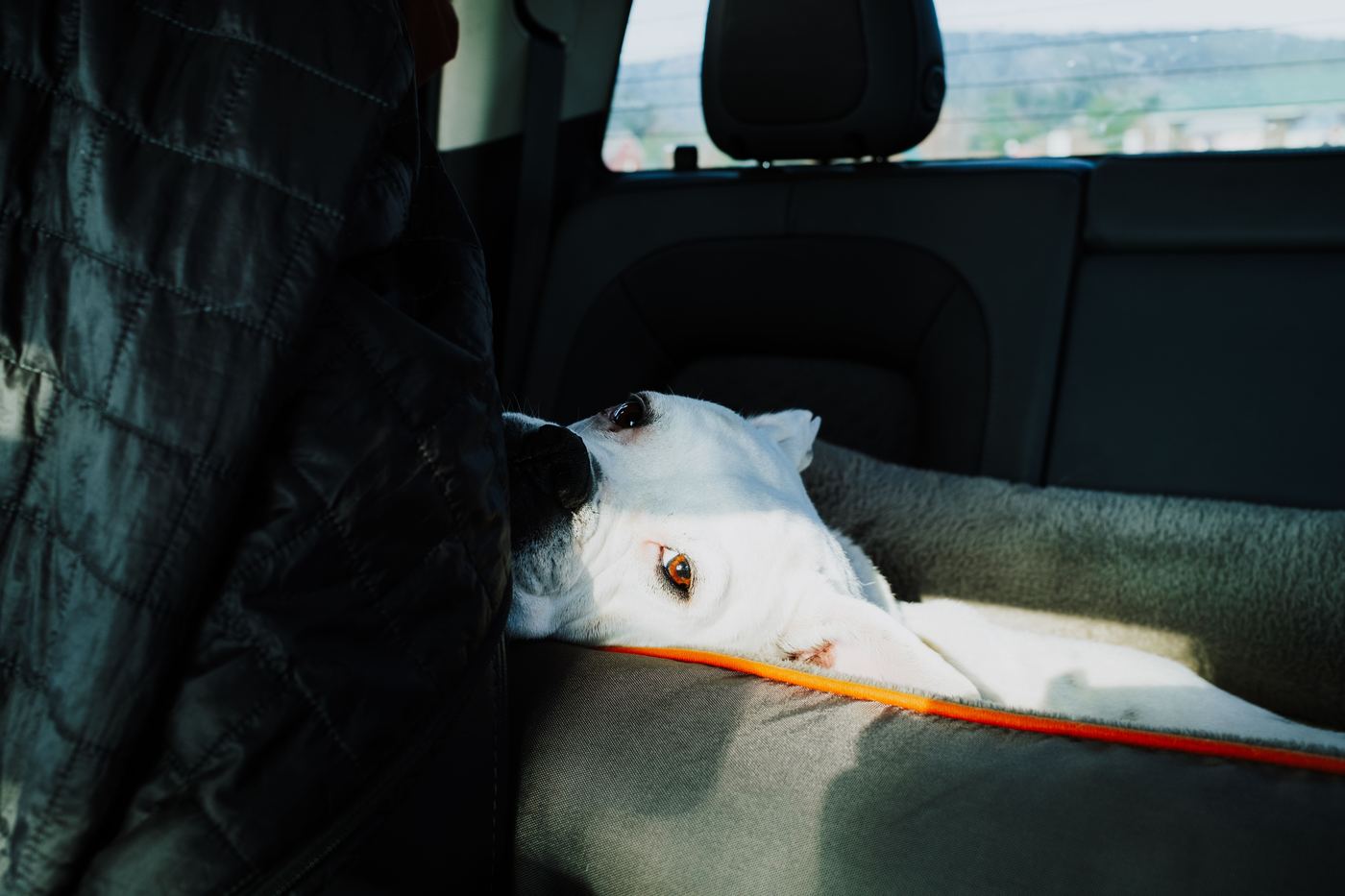
Engine off, door open, dog gets on the cover, lies down, gets a chew, then off again. No driving yet. We are simply building the idea that the back seat is a calm place rather than a launch pad. Three or four sessions like this and most dogs start offering the down on their own, which is the habit we want wired in early.
If they will not settle while parked, do not add motion. Motion multiplies the wriggle, so nail the stillness first, even if that takes an extra week, because a dog who is calm when the car is still is the only dog ready for the engine to start. Rushing this step is the main reason settle training stalls later.
I use the cover itself as the visual cue. Dogs learn surfaces quickly, so the same cover in the same spot is doing quiet work before you have asked for anything at all. Take the cover with you if you change cars, and the cue travels too, which keeps the training honest across the family fleet.
Week two: engine on, not moving
Now start the car and sit in it. The noise and vibration are new, so keep the chew coming and finish before they fret. A few minutes is plenty, and ending early is the whole trick, because a dog who leaves the car calm wants to get back in next time, and that is the feeling we are building week by week.
- Session one: start the engine, sit for one minute, treat, then hop out.
- Session two: build to three minutes with the same reward.
- Session three: try a second dog if you have one, but match the energy levels.
- Keep the windows partly down so the cabin does not heat while you wait.
Grip on the cover matters here more than people expect. A dog who slides slightly when the engine kicks over will stand up, and standing is the habit you are trying to replace. If yours moves, add a rubber-backed mat under the cover so the floor stays put when the car shudders to life.
Week three: the short drives
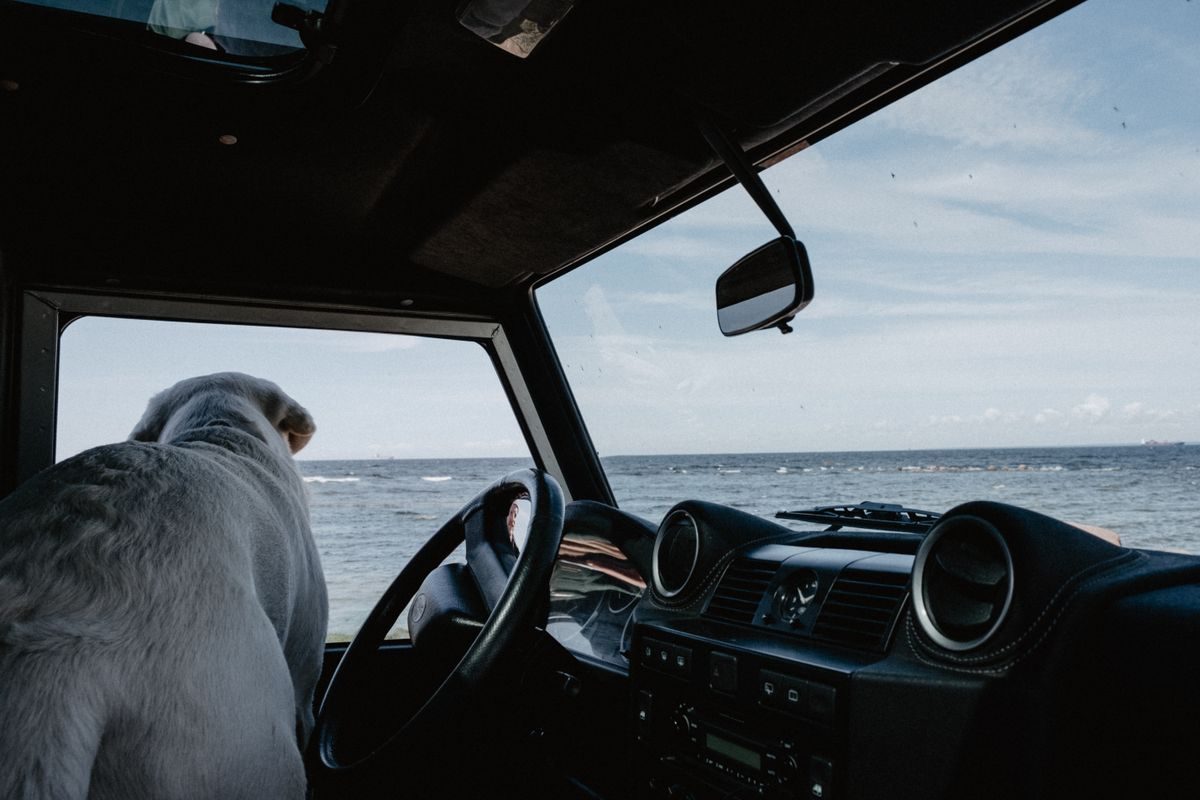
Five minutes around the block, chew on the cover, home, done. No shops, no errands, no reason for the dog to learn the car means a vet. The drive itself is the lesson, and keeping it pointless removes the arousal that turns a settle into a fret. Two of these a day beats one long one.
If the dog stands, pull over, reset, and try a slower street. Do not scold, because scolding teaches the car is where the telling-off happens. Reset calmly, and the dog learns the only way the drive continues is lying down, which is the deal we are quietly offering them without a word about it.
Week four: real outings
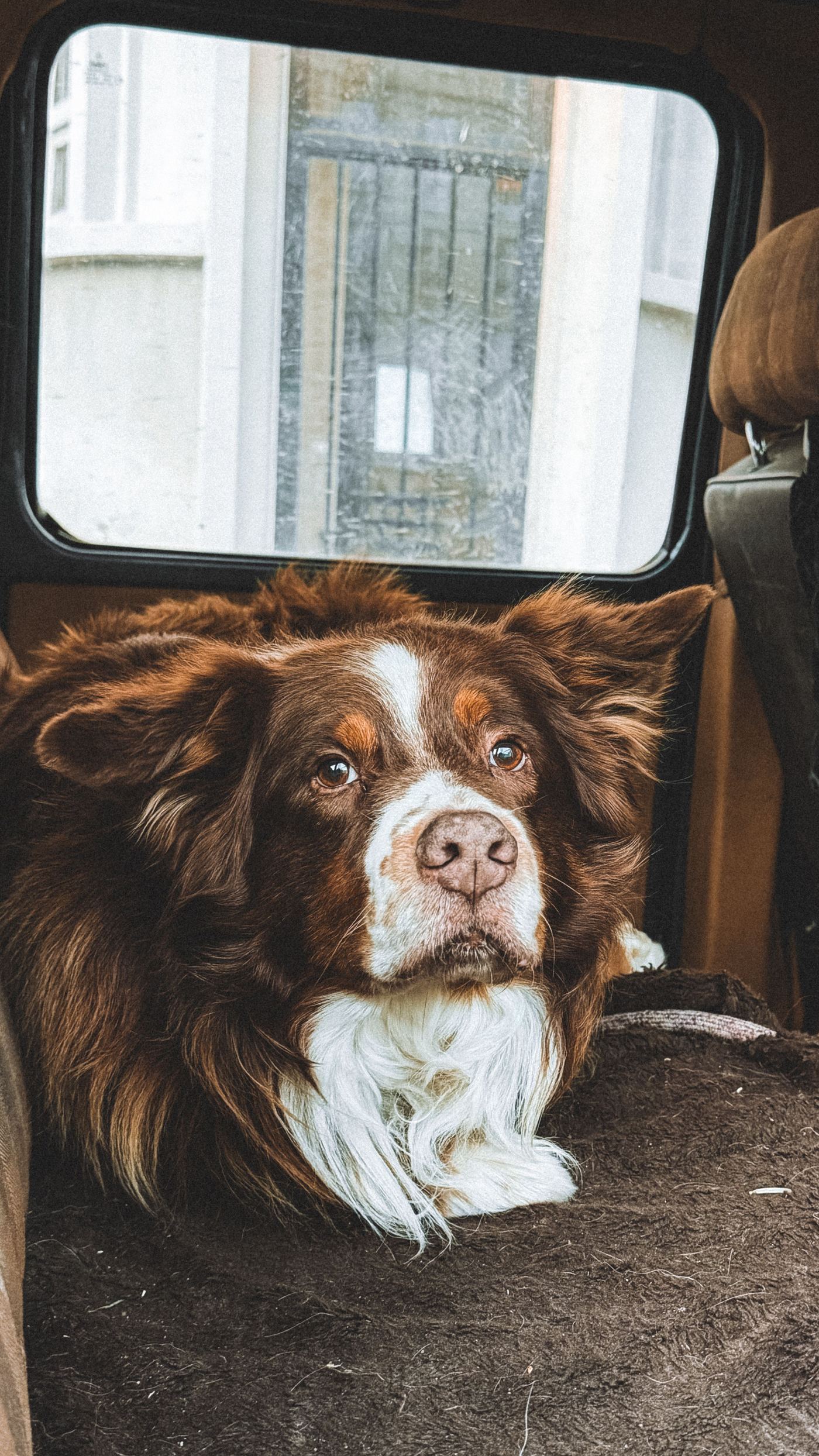
Now the actual trips, but still keep the first few short and happy. A beach, a friend's place, somewhere the dog likes, so the car predicts good things. By week four most dogs hop in, find their spot, and drop, because four weeks of boring repetition has made the back seat the most predictable room in the house.
This is the week to add the side flaps if you have not, because a contained space reads as a bed to a dog who already settles. The flaps turn the open seat into a clear spot, and a dog who knows their spot is a dog who stays in it when the corner comes, which is the whole point of the plan.
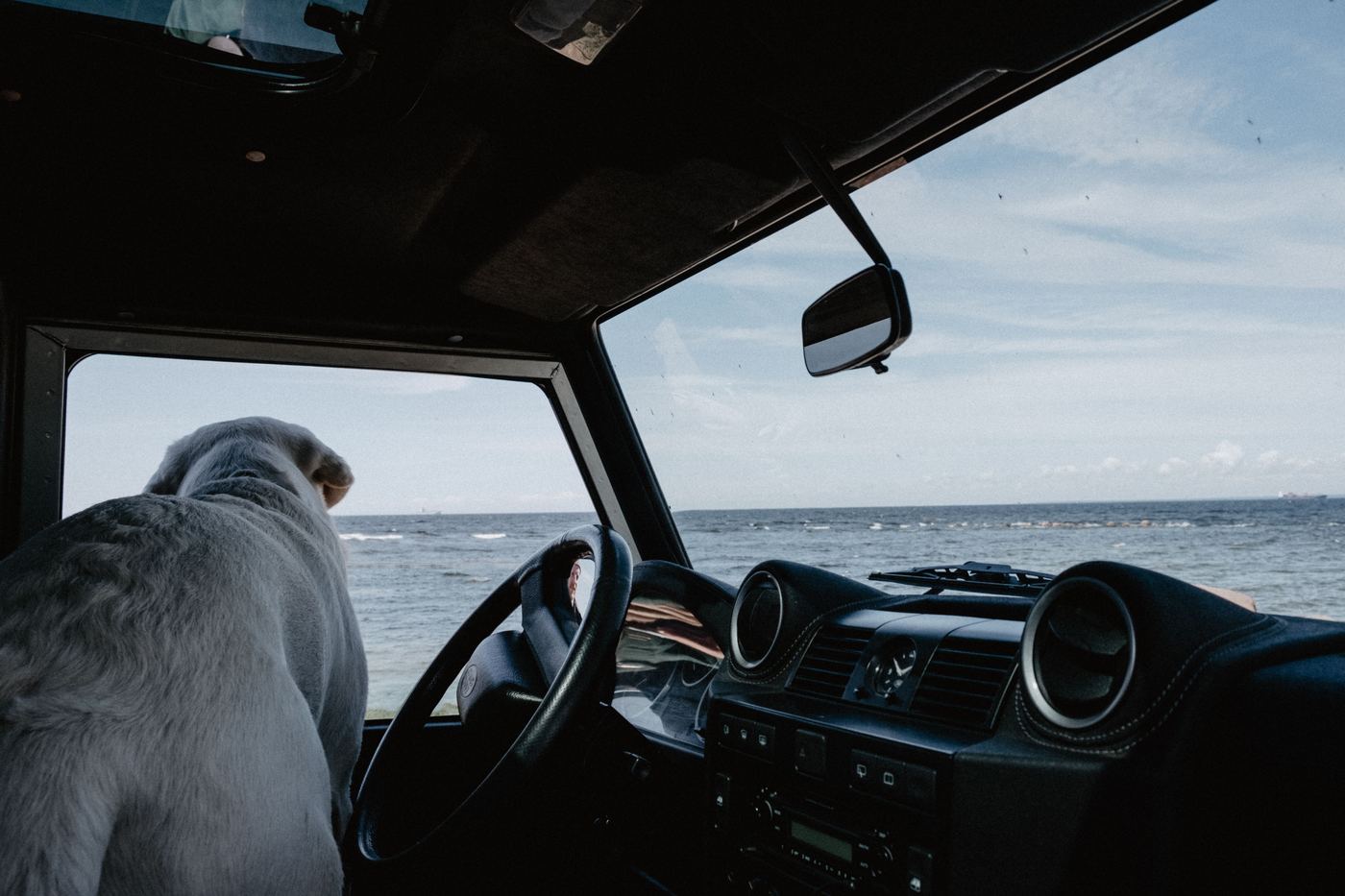
Troubleshooting the wriggle
If your dog stalls at any week, drop back one and add treats, not time. A longer session of the wrong thing teaches the wrong thing, so shorter and calmer wins. A cover that slides, a window that rattles, a scent from a past bad trip, all of these can stall a dog, so check the setup before you blame the dog for it.
The most common stall I see is the owner who skips week one's stillness and wonders why week three is chaos. Go back, sit in the driveway, and let the dog lie down for the chew with the engine off. That reset fixes more settle problems than any correction ever will, and it costs you ten quiet minutes.
Keeping it once it sticks
The training is not over when the dog settles, it is just lighter. Keep a chew in the car, keep the cover in the same spot, and never turn the back seat into a scold. A settled dog is a habit you maintain by being boring, and the reward is a dog who sleeps through the drive instead of narrating every kilometre of it.
| Week | Goal | Session length | Success sign |
|---|---|---|---|
| One | calm when parked | 5 minutes | lies down on cue |
| Two | calm with engine on | 1 to 3 minutes | stays down at idle |
| Three | short drives | 5 minutes | settles on the block |
| Four | real outings | normal trip | naps to the beach |
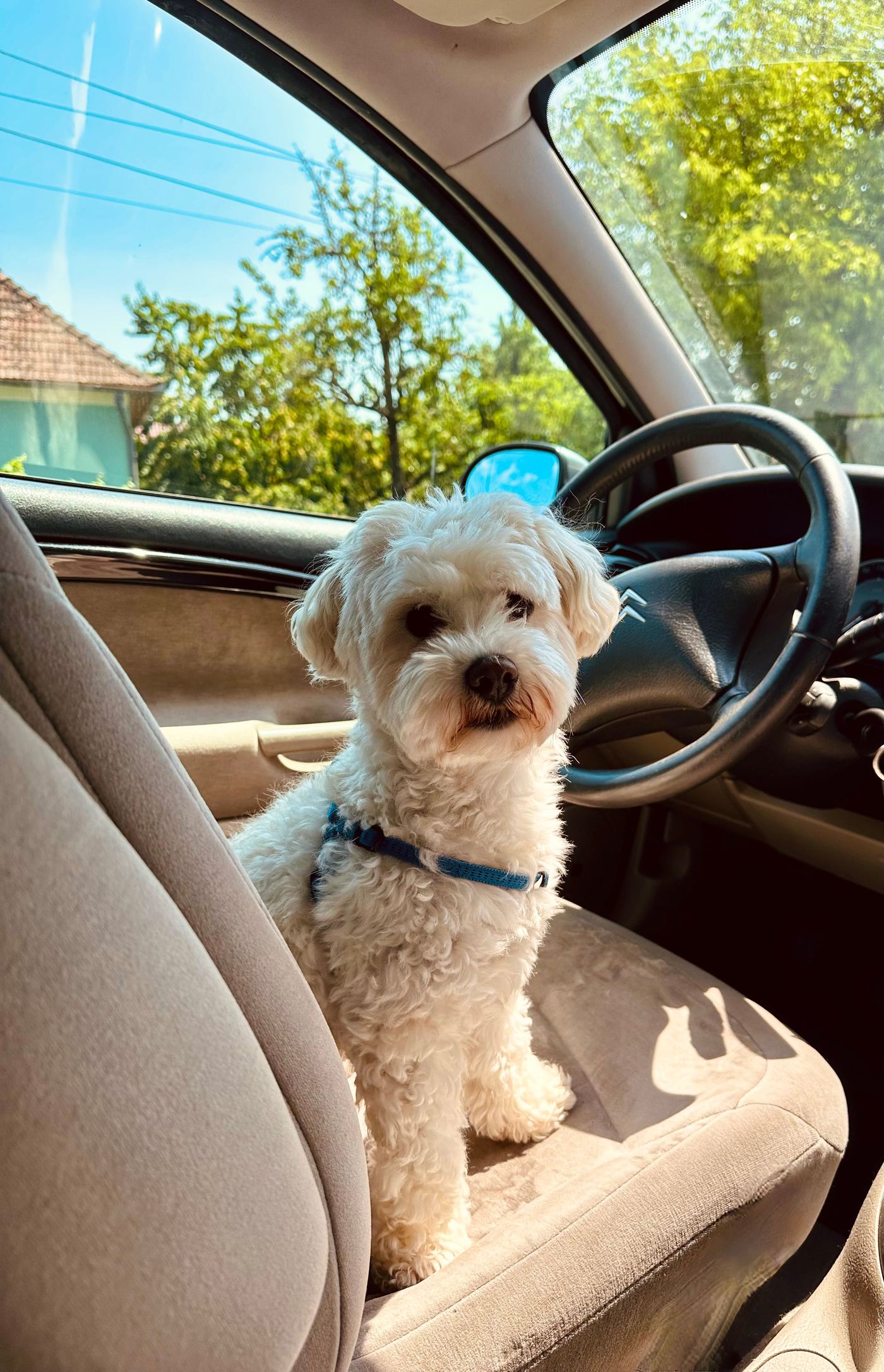
Frequently Asked Questions
How long does settle training take?
About four weeks of short, positive sessions for most dogs, moving from parked and calm to idling, then five-minute drives, then real outings. If your dog stalls, drop back one week and add treats rather than time, because a longer session of the wrong thing teaches the wrong thing. Some dogs need an extra week on stillness, and that is normal.
Why use a cover as the cue?
Dogs learn surfaces fast, so the same cover in the same spot becomes a clear signal that this is the place to lie down. Side flaps turn the open seat into a contained bed, which reads as a spot to a dog who already settles. Take the cover with you between cars and the cue travels, keeping the training honest across the fleet.
What if my dog stands while driving?
Pull over, reset calmly, and try a slower street. Do not scold, because that teaches the car is where the telling-off happens. Also check the cover grips, since a dog who slides when the car moves will stand. A rubber-backed mat under the cover keeps the floor put when the engine shudders, which solves more standing than any correction.
Can I train two dogs at once?
Yes, from week two, but match the energy levels, because a calm dog paired with a fretful one tends to copy the fret. Train the settled one first so the pattern is set, then add the other once they are watching a dog who already lies down. Keep the chews going for both, and finish before either gets worked up.
How do I keep it once trained?
Stay boring. Keep a chew in the car, keep the cover in the same spot, and never turn the back seat into a scold. A settled dog is a habit you maintain, not a result you lock in once. The reward is a dog who sleeps through the drive instead of narrating every kilometre, which is worth the ten quiet minutes a week.
Looking for dog car seat covers?
We stock the gear covered in this guide, with Australia-wide shipping and Afterpay at checkout.
Popular in this range: boot liner / cargo liner · waterproof seat cover
Shop Car Seat Covers at Paws of Oz