Cars, Heat and Dogs: The Numbers Worth Knowing Before a Summer Trip
Short answer: the figure owners should know is that a parked car heats far faster than most people expect, with the cabin climbing well above the outside temperature in a short time, even with the windows cracked. On a twenty-five degree day that is already enough to stress a dog. The safe plan is shade, moving air and never leaving them alone in the car. This is general support, not a diagnosis, and for any sign of heat stress get to a vet, because minutes matter more than the thermometer reading outside the windscreen.
The number that saves lives
Work repeated over many years shows a closed car on a mild day reaches hazardous heat within minutes, and cracking a window barely slows it. The exact rise depends on the car, the paint colour and the angle of the sun, but the pattern is consistent enough to plan around, and it holds across our climate from Perth to Brisbane in summer.
I say this as a nurse who has seen healthy dogs go downhill on a day the owner called not that hot. Trust the physics rather than the breeze, because the breeze is the thing that fools people most often, and a dog cannot tell you the cabin has become a problem until it already is one.
The other half of the number is time. People plan for the ten minutes they expect to be gone, and then the shop queue eats twenty-five. Build the plan around the delay you cannot predict, not the one you hope for, because the heat does not care about your good intentions at the counter.
Why dogs cope worse than we do
Dogs cool mainly by panting, and a hot cabin traps that warm air, so panting loses its edge. Breeds with flat faces, older dogs, puppies and thick-coated types feel it first, and a dog who is anxious pants harder still, which warms them faster again. The closed car turns their only radiator against them.
- Panting is their only real radiator in a still car.
- Dark interiors and a metal roof magnify the heat considerably.
- Shade alone does little once the surrounding air is already warm.
- A cover that blocks the window reduces the airflow they need.
That last point surprises people. A solid, fully enclosed cover can make the back seat feel close on a summer run, so a mesh window cover that keeps airflow while shading the glass is the kinder choice when the temperature climbs and the dog is riding for any distance at all.
Planning a summer trip
Travel early or late, when the bitumen is cooler and the car park has shade. Park facing the breeze so any crack of air moves, and never walk away from the dog, even for a moment, because the cabin warms faster than the errand takes. Keep water in the car and a plan to cut the trip short if the dog paddles or slows.
I tell owners to treat the dog like the reason for the stop, not the luggage. A five-minute shade break every hour on a long drive keeps a flat-faced or older dog safe, and it costs nothing but a pulled-over moment that you would spend checking your phone anyway, so make it a habit before summer.
A frozen drink bottle wrapped in a towel is a simple trick for a long drive, because the dog laps at it as the cabin warms and the cold buys you time at the roadhouse. It is not a cooler, just a delaying tool, and paired with the early start it keeps a thirsty dog settled until you reach the next bit of shade rather than panting through the last hot stretch of the trip.
The cover's role in heat
A light-coloured cover reflects a little sun off the seat, and a mesh window cover keeps the glass from becoming a heater. But the cover is not a cooling system, and a dark, padded cover in a parked car can hold warmth against the dog. Choose pale fabric for summer, and never leave a dog on a cover in a car that is not moving with air through it.
Where the cover helps is on the drive itself, keeping the dog off a seat that has baked in the sun while you loaded the boot. A hot squab burns paws, so the cover is a small buffer, but the real safety step is the moving air and the short stops, not the fabric under them.
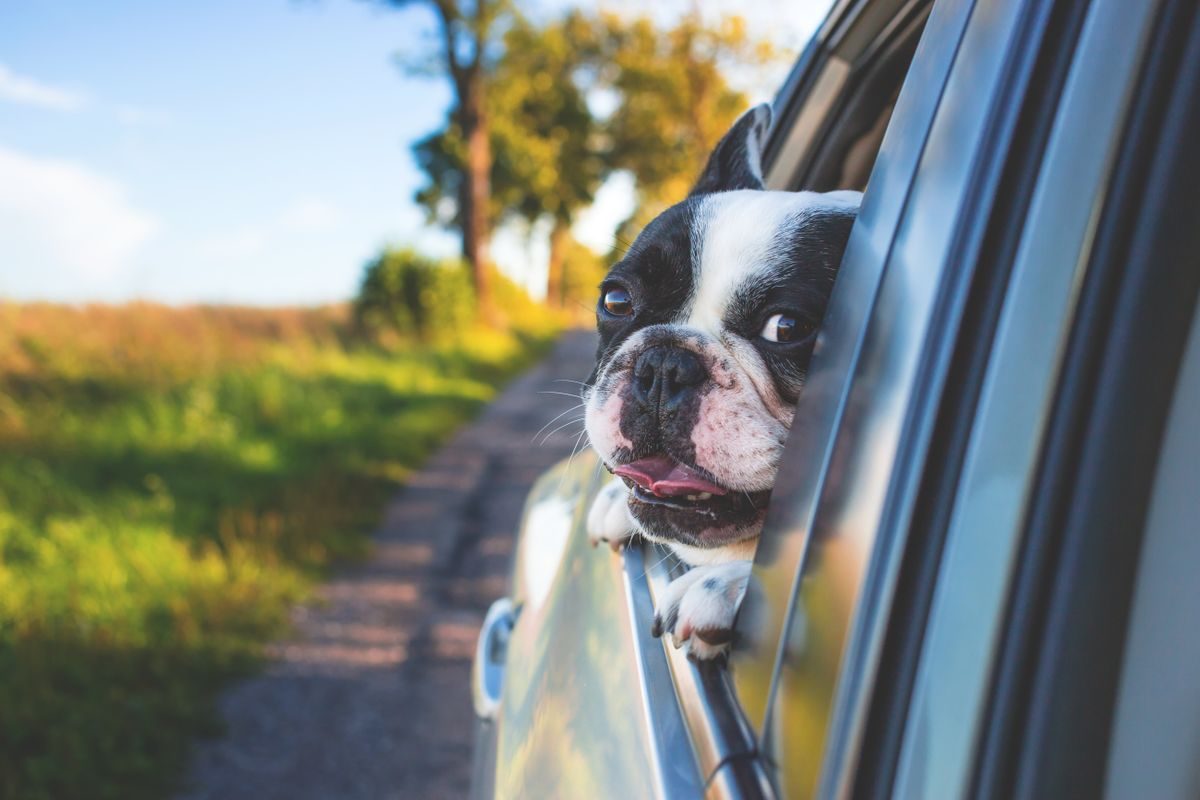
Extra care for flat-faced breeds
Brachy breeds like pugs and french bulldogs struggle most in the heat, because their short airways pant less efficiently, so a summer drive needs shorter bursts and more shade stops than a long snout would tolerate. I would keep these dogs to dawn trips only once it passes thirty degrees, and never on the open beach at noon, because the margin for error is thin and the consequence is swift.
Signs to act on, and who to call
Heavy panting that will not settle, bright red gums, a wobble, or a dog who goes quiet and floppy are signs to act on now. Get to shade, offer water, and call a vet, because heat stroke moves fast and the drive to the clinic is part of the treatment. Do not wait to see if they perk up, because waiting is the risk.
| Outside temp | Cabin rise | Risk level | What I advise |
|---|---|---|---|
| 20°C | warms in minutes | low but real | shade and airflow |
| 25°C | well above outside | moderate | never leave alone |
| 30°C | dangerous quickly | high | short stops, water |
| 35°C plus | extreme fast | severe | travel at dawn only |
Frequently Asked Questions
Is cracking the window enough?
No. The cabin still climbs well above the outside temperature in minutes, and a cracked window barely slows it. Plan around the delay you cannot predict, not the breeze, because the breeze is what fools people. Shade and moving air help, but the safe rule is to never leave a dog alone in a parked car on a warm day.
Which dogs are most at risk?
Flat-faced breeds, older dogs, puppies and thick-coated types feel the heat first, and an anxious dog pants harder and warms faster. A closed cabin traps the warm air they pant out, so panting loses its edge. Watch those dogs closest on any summer drive and take shade breaks more often than you think you need to.
Does the cover keep the dog cool?
Only a little. A pale cover reflects some sun and keeps paws off a baked squab, and a mesh window cover shades the glass while keeping airflow. But a dark padded cover in a parked car can hold warmth against the dog, so the cover is a buffer, not a cooler. Moving air and short stops are the real safety steps.
What are the warning signs?
Heavy panting that will not settle, bright red gums, a wobble, or a dog who goes quiet and floppy. Those mean act now: shade, water, and a vet call, because heat stroke moves fast and the drive to the clinic is part of the treatment. Do not wait to see if they perk up, since waiting is the danger.
When is the safest time to travel?
Early or late, when the bitumen is cooler and car parks have shade. Park facing the breeze, keep water in the car, and take a five-minute shade break every hour on a long drive, especially for flat-faced or older dogs. Treat the dog as the reason for the stop, and cut the trip short if they paddle or slow.
Looking for dog car seat covers?
We stock the gear covered in this guide, with Australia-wide shipping and Afterpay at checkout.
Popular in this range: boot liner / cargo liner · waterproof hammock seat cover
Shop Car Seat Covers at Paws of Oz