Cheap vs Premium Dog Seat Covers: Where the Extra $60 Goes
Short answer: the extra sixty dollars in a premium cover mostly goes to four things you cannot see in the photo. A rigid or padded base that stops the middle sag, a backing that is genuinely waterproof rather than water-resistant, anchor points and stitching that survive a claw, and a warranty that pays out instead of giving you the runaround. Cheap covers look the part and fail at the seams. If the dog rides often or gets wet, the premium one costs less per year than the cheap one you replace three times, which is the maths most buyers skip.
The base is the real upgrade
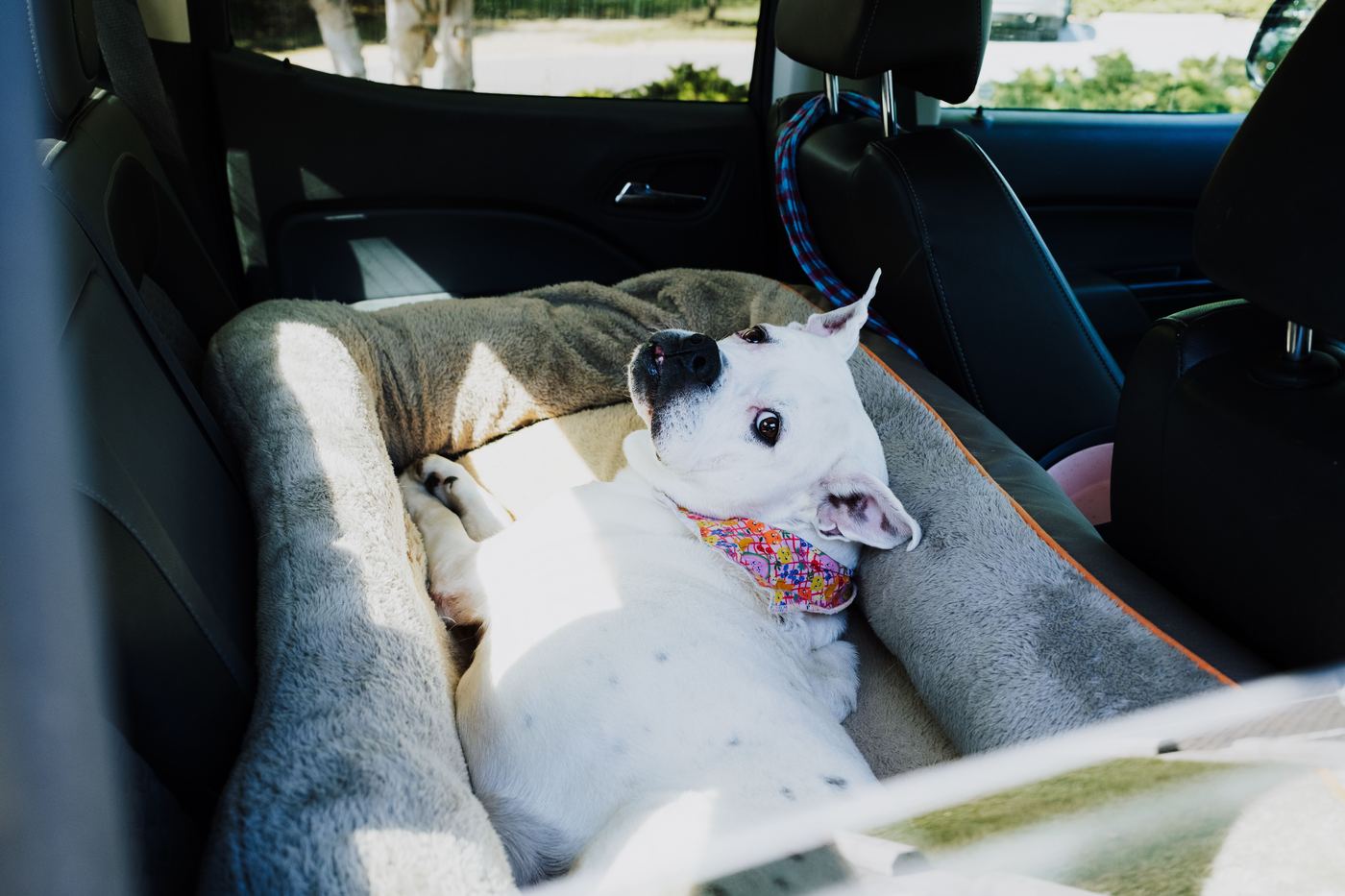
Cheap covers are essentially a flat sheet that dips under a dog's weight, pooling water and making big dogs slide toward the footwell. Premium ones add a board or dense padding that holds its shape flat. That single part is why owners stop complaining about the wet patch and the climb out of the hole, and it is the upgrade no listing photo shows you.
It also helps older dogs stand, which is a quiet selling point the pictures never mention. I have had customers come back specifically to say their old labrador stopped slipping, and that is a base story, not a fabric story, because the flat floor is what gave the dog four steady feet on the way in.
You cannot retrofit a base. Adding a board underneath a soft cover sounds clever, but it shifts around and usually makes the fit worse, so it is a buy-once decision. Spend the extra at purchase on the rigid base, and the rest of the cover lasts because the dog is no longer fighting a hammock that folds under them.
Waterproof versus water-resistant
This is the line most buyers miss. A cheap cover beads water for a while then wets through at the seams, while a premium one seals the stitching or uses a single backed layer. After a swim the difference is a dry seat now or a musty one by spring, and a musty seat is the thing that ends a rental bond and a weekend trip alike.
- Check for taped or folded seams, not just a coating on the top.
- A backing you can wipe down is worth more than a pretty top fabric.
- Smell the damp cover after a week, because that tells the real truth.
- Look for a plain statement of waterproofing, not just a glossy photo.
The seam is where cheap covers lie. The top can look waterproof while the stitching wicks water straight to the seat, so run a finger under a damp seam and you will feel the lie. Premium makers seal that line, and it is the sealing, not the colour, that keeps the squab dry after a river run.
Fabric weight and what the numbers mean
Most covers quote a denier figure, usually six hundred denier oxford on the decent ones and lighter polyester on the cheap end. Higher denier means a tighter, tougher weave that claws catch less, but denier is not the whole story, because the coating and the backing matter as much as the thread count on the top.
I tell buyers to ignore the big denier claim if the seams are not sealed, because a tough top over a leaky seam is a cover that looks good and fails where it counts. Match the denier to the dog, a light dog on a low number is fine, a wet kelpie on a high one is safer, and the base still beats the fabric for everyday mess.
Anchors, stitching and the warranty
The anchors are where the cheap end dies. Thin webbing stretches and curls, the clips crack, and the cover slides into the footwell. Premium covers use wider webbing and a clip that survives a claw, and the stitching at the stress points is doubled, which is the bit you only see once the first cheap one has failed you at the beach.
The warranty is the quiet win. A cheap cover gives you a discount code and a shrug, while a premium one replaces the strap or the whole cover when it fails inside the window. I have processed both, and the payout cover costs the owner nothing in year two, which is where the extra sixty dollars finally shows up as savings.
Resale and the true cost per year
A cover you replace every eight months is the expensive one, even at twenty-five dollars, because three of them is seventy-five a year. A premium cover at ninety that lasts three years is thirty a year, and it kept the seat clean the whole time. The per-year maths is the only honest way to price a thing you use this often, and it favours the dearer build.
| What you pay for | Cheap cover | Premium cover |
|---|---|---|
| Base | flat sheet, sags | rigid or padded |
| Backing | water-resistant | sealed waterproof |
| Anchors | thin webbing | wide, claw-proof |
| Seams | unsealed | taped or folded |
| Warranty | runaround | pays out |
| Cost per year | about $75 | about $30 |
When a cheap cover is actually fine
If the dog is small, calm and never gets wet, a twenty-five dollar cover will do the job, because the failure points only show up under load and moisture. The extra sixty pays off for big dogs, swimmers and daily use, so match the spend to the mess, and do not let the premium marketing talk you into a base you will not feel on a cavalier who rides once a fortnight to the cafe.
Frequently Asked Questions
Is the premium cover actually cheaper?
Over time, usually yes. A twenty-five dollar cover replaced three times a year is about seventy-five dollars annually, while a ninety dollar premium cover lasting three years is about thirty a year and keeps the seat clean throughout. The per-year maths is the only honest way to price gear you use this often, and it favours the dearer, better-built cover.
What does the extra money buy?
A rigid or padded base that stops sag, a backing that is genuinely waterproof rather than just resistant, anchors and stitching that survive a claw, and a warranty that pays out. None of these show in the photo, but they are the four things that decide whether the cover lasts a month or three years of real dog use.
How do I spot a waterproof claim that lies?
Run a finger under a damp seam. Cheap covers bead on top but wick water through the stitching to the seat. Look for taped or folded seams and a backing you can wipe, not just a coated top, and smell the cover after a week of damp use, because that odour is the truth the listing photo hides from you.
Can I add a base later?
No, and I would not try. A board slipped under a soft cover shifts around and makes the fit worse, so the base has to be built in to sit flat and stay put. Treat it as a buy-once decision and choose the rigid base at purchase, because retrofitting is the shortcut that costs you a cover.
Does denier tell the whole story?
No. Higher denier means a tougher weave, but the coating and the backing matter as much, and a sealed seam beats a high number over a leaky one. Match denier to the dog, a light dog on a low count is fine, a wet kelpie on a high one is safer, and the base still matters more than the fabric for everyday mess.
Looking for dog car seat covers?
We stock the gear covered in this guide, with Australia-wide shipping and Afterpay at checkout.
Popular in this range: waterproof hammock seat cover · boot liner / cargo liner
Shop Car Seat Covers at Paws of Oz