Layering a Small Dog for a Southern Winter: What Actually Kept Wally Warm
Short answer: a small dog in a cold southern rental needs a base layer you can wash often, one insulated coat for the worst mornings, and boots only if you really must. I learned this the hard way with Wally, my Cavoodle, through a Perth winter that dipped to single digits. Our unit has next to no insulation, so the tiled floor stayed cold and he started shaking on walks before I had even zipped him up. The fix turned out to be layering, not one magic jumper that did everything.
Why a small dog feels winter more than you'd think
Wally sits at about 6 kg, with a thin, curly coat that does nothing against a southerly. Small dogs lose heat fast because they have more surface area for their weight than a big dog does. On a 4°C morning his whole body trembled within minutes of leaving the building, and that is not a dog being dramatic, it is just physics.
I used to think a single thick jumper was the answer. It wasn't. A thick jumper that holds wee or gets damp is worse than nothing, because it traps the cold next to the skin. What changed everything was treating his winter wardrobe like my own: a base layer, then warmth on top.
Building the layer system that worked
The base layer is a light, snug cotton or bamboo bodysuit that I can throw in the wash after every walk. It keeps the insulated coat off his skin and means I am not washing the expensive piece every day. On most mornings that plus a fleece-lined coat was enough.
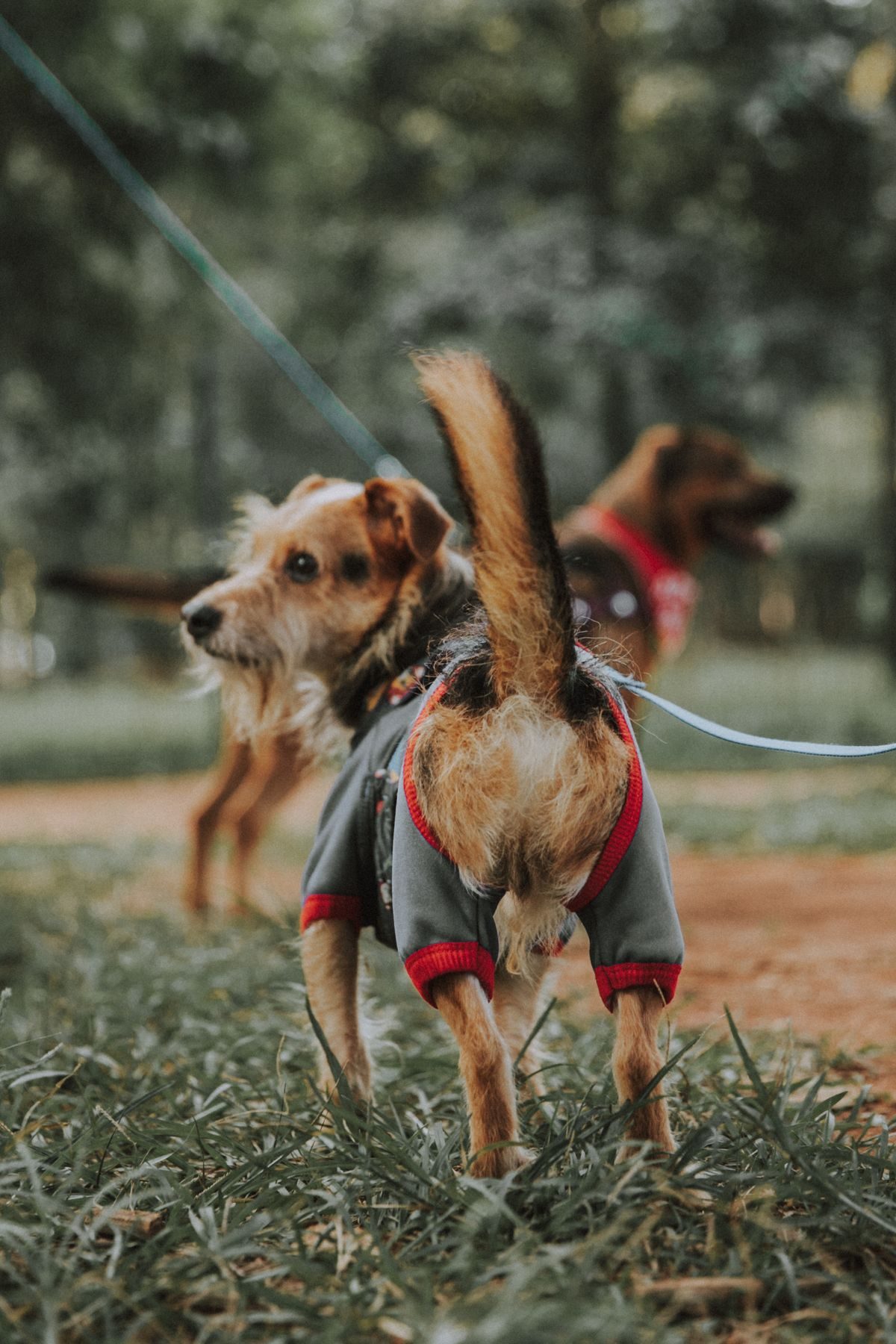
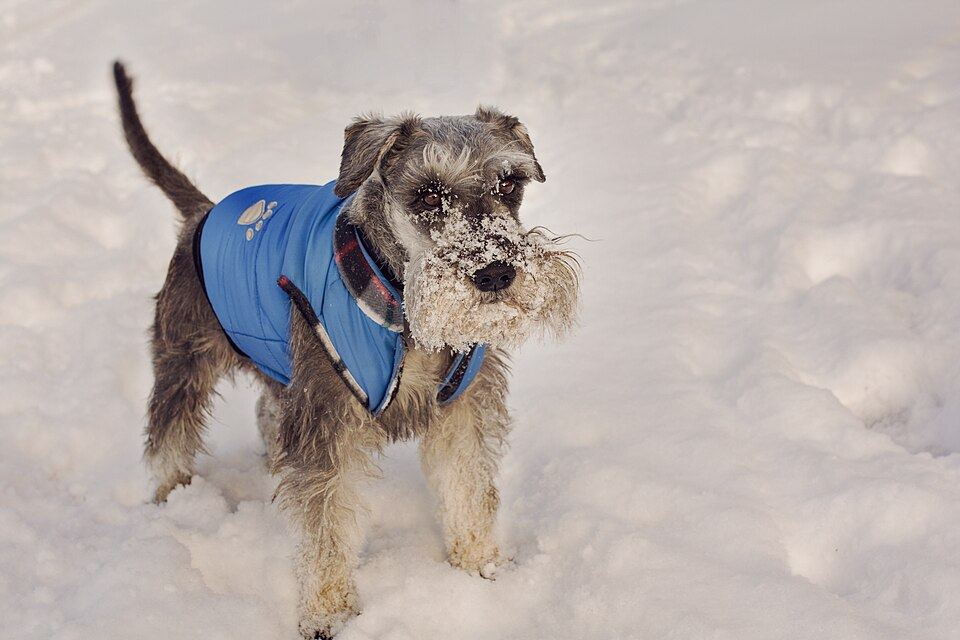
For the genuinely cold days, a padded, wind-resistant coat over the top did the job. The key was length: it had to cover his belly, because that is where the heat leaks out fastest on a small dog. A coat that stops at the ribs leaves the tummy bare and he still shivered.
- A washable base layer for everyday use.
- One insulated coat that reaches the belly for cold snaps.
- A rain shell for wet winter walks, kept separate from the warm one.
- Boots only for ice or long gravel, and even then Wally tolerated them poorly.
The pieces that quietly failed
Not everything earned its drawer space. A chunky knitted jumper looked adorable in the shop and was useless after the first downpour, soaking through and then chilling him. A coat with a hood bothered him constantly, and he spent the whole walk trying to shake it off. The expensive imported puffer ran small and the zip sat right on his spine, so it came straight back.
The lesson was that fit beats fashion every time. A plainer coat that actually covered his belly kept him warmer than the photogenic one that didn't.
Washing and drying in a rental
In a small place with no clothesline, drying is the real problem. I keep two base layers in rotation so one is always dry, and I tumble the coats on low only when they are genuinely dirty. Most of the time a cold wash and an indoor airer does the trick.
| Layer | When to use | Wash frequency |
|---|---|---|
| Base bodysuit | Every walk, 8°C and below | After each walk |
| Insulated coat | Cold or windy mornings | Weekly or when soiled |
| Rain shell | Wet winter days only | As needed |
| Boots | Ice, salt, long gravel | After each use |
What I'd buy again
If I were starting over, I'd buy one good belly-covering insulated coat and two cheap base layers, then skip the rest. The rest of the drawer was impulse. You can compare everyday options in our pet apparel range before committing to a full wardrobe.
Winter with a small dog is manageable once you stop chasing one perfect item and build a small, washable system instead. Wally now trots out the door instead of trembling at it.
Frequently Asked Questions
Do small dogs really need clothes in an Australian winter?
Many do, especially under 10 kg or with thin coats, because they lose body heat quickly. A Perth rental with poor insulation gets cold enough that a base layer and coat make walks comfortable rather than miserable for a little dog.
How do I stop the coat from riding up on a small dog?
Look for a coat with a belly strap or a snug fit rather than one that just drapes over the back. Wally's best coat had a soft under-belly band that kept it in place, so it covered his tummy instead of sliding up near his shoulders on the walk.
Is a knitted jumper worth buying?
Usually not for outdoors. Wool and acrylic knits soak up rain and stay damp, which chills a small dog faster. Save the cute knit for indoors, and use a wind-resistant, washable coat for actual winter walks outside.
How many layers is too many?
Two is plenty for most small dogs: a base layer and one insulated coat. Adding a third bulky layer can restrict movement and annoy the dog. If he is still cold, check the fit and belly coverage before piling on more.
Can I just use a human baby onesie?
Some owners do for a base layer, but the leg holes rarely suit a dog's shape and can chafe. A proper dog base layer is cheaper in the long run and washes better, and you avoid the wriggle-and-escape act at the door.
Looking for pet apparel?
We stock the gear covered in this guide, with Australia-wide shipping and Afterpay at checkout.
Popular in this range: evaporative cooling vest · printed dog hoodie
Shop Apparel at Paws of Oz