Overheating in Dog Coats: The Warning Signs Owners Miss
Short answer: a dog can overheat in a coat even on a mild day if he is moving, stressed, or the coat traps heat, and the early signs are quieter than most people expect. As a veterinary nurse I see plenty of well-meaning owners who bundled up a pup for a walk and missed the slow creep into heat stress. Watch for heavy panting that doesn't settle, bright red gums, slowing down, and a coat that is damp with sweat rather than weather. If you see those, the coat comes off and the dog cools down.
Why a coat can work against you
A coat is meant to hold body heat in, which is exactly what you don't want once the dog is warm from walking or anxious at the clinic. Thick padded coats, especially ones that cover the belly and chest, can tip a borderline day into a problem, particularly for flat-faced breeds and chubby dogs that already struggle to cool themselves.
It isn't only winter, either. I've seen dogs in insulated coats on a mild 20°C morning panting hard within minutes because the sun came out and the owner didn't adjust.
The signs owners tend to miss
People look for collapse, but overheating usually starts quietly. A dog who normally trots starts lagging, then stops to lie down. His panting gets loud and doesn't ease when you pause. Gums look brighter red than usual, and the coat under the armpits feels damp and hot.
- Panting that worsens instead of settling at rest.
- Gums or tongue darker or brighter red than normal.
- Dragging, stumbling, or wanting to lie down mid-walk.
- Coat damp with body heat, dog restless or glassy-eyed.
- Excessive drooling paired with fast breathing.
What to do in the moment
If you suspect overheating, remove the coat straight away and move to shade with a breeze. Offer cool, not icy, water and wet the legs and belly with a cloth. Don't dunk a hot dog in cold water, as that can shock him. If signs don't improve in a few minutes, this is a vet call, not a wait-and-see.
This is supportive care only. I'm a nurse, not diagnosing your pet, and a vet should see anything that looks like heat distress, especially if it returns.
Coats that are safer by design
Lighter, breathable layers beat heavy padded ones for most Australian conditions. A coat with a belly strap but open sides lets heat escape, and removing it is quicker than wrestling a zip. Fit matters: a coat that rubs or constricts makes a dog restless, which raises his temperature on its own.
| Situation | Coat risk | What I'd do |
|---|---|---|
| Still, cold day | Low | Insulated coat fine |
| Walking in sun | Moderate | Lighter layer, watch breathing |
| Anxious at clinic | Higher | Remove coat on arrival |
| Flat-faced breed | Higher | Minimal covering, vet advice |
Coats I'd avoid on a warm day
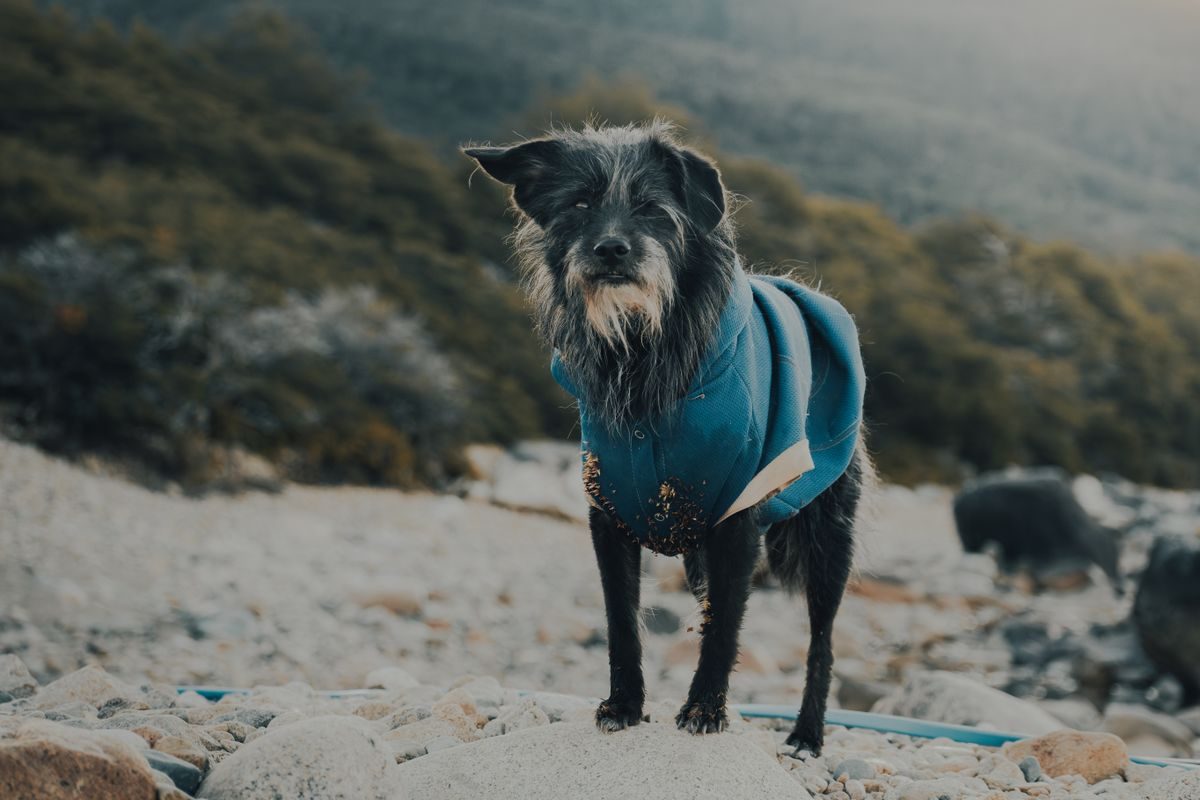
Thick padded puffer coats are the usual culprits, especially the kind with a fuzzy lining that holds heat against the chest. If a coat feels warm to your hand after ten minutes of wear, it is working against the dog. I steer owners toward lighter, open-sided layers unless the day is genuinely cold.
Watch the fashion coats with plastic studs or heavy embroidery too. They add weight, rub, and trap warmth, and a restless dog makes more heat just by fighting the thing. A simple, well-fitted layer beats a statement piece from a nursing point of view.
If you are unsure whether a coat suits the conditions, ask at the clinic. As a nurse I would rather answer a quick question than see a dog overheated, and your vet can weigh up breed and health in a way I cannot from the side of the road.
Frequently Asked Questions
Can a dog overheat at 20 degrees in a coat?
Yes. If he is walking in sun, anxious, or wearing a thick padded coat, 20°C can be enough for a small or flat-faced dog to build heat. The coat holds warmth in, so check his breathing and remove it if panting doesn't settle when you stop.
What do red gums mean in a hot dog?
Bright or dark red gums can signal heat stress because blood vessels widen as the body overheats. It is a sign to cool the dog and seek veterinary help if it doesn't fade quickly, as it can progress to something serious.
Should I leave a coat on at the vet clinic?
Generally remove it on arrival. Clinics are warm and stressful, and a coat adds heat a worried dog doesn't need. Keep it handy for the trip home if the weather calls for it, but let the nurse assess him without the extra layer.
How is overheating different from normal panting?
Normal panting eases within a minute or two of resting in a cool spot. Overheating panting gets louder, lasts longer, and comes with other signs like lagging, red gums, or restlessness. Trust the pattern, not just the panting alone.
When is it a real emergency?
If the dog is stumbling, collapsing, vomiting, or his gums stay bright red after cooling, treat it as urgent and contact a vet. Heat can damage organs quickly, so earlier is always safer than waiting to see.
Looking for pet apparel?
We stock the gear covered in this guide, with Australia-wide shipping and Afterpay at checkout.
Popular in this range: evaporative cooling vest · fleece dog jumper
Shop Apparel at Paws of Oz