Recovery Suits vs Cones: Training a Dog to Leave Both Alone
Short answer: dogs accept a recovery suit or cone far better when you practise before surgery and reward calm tolerance, because both are strange and most fighting comes from surprise. As a trainer I tell owners to introduce the gear at home first, pair it with meals and rest, and teach a settle cue so the dog learns the outfit means quiet time, not panic. A recovery suit is usually calmer than a cone, but either needs the same patient groundwork to stop chewing and rubbing.
Why dogs fight the gear
A cone blocks peripheral vision and bangs the walls, which is unsettling, while a suit feels like a tight hug and smells like the clinic. Neither is painful, but both are unfamiliar, and a dog's first instinct is to escape what he doesn't understand. That is normal behaviour, not stubbornness, and it responds well to practice.
The biggest mistake is springing the cone on a groggy dog straight from the vet, with no chance to learn it at home first.
Training a calm cone
Before any surgery, drape the cone around his neck for meals so he learns it predicts food. Keep it loose at first, then briefly fasten it while he eats, then for a few minutes after. Reward him for sitting and sniffing rather than pawing at it.
- Introduce the cone at home, never first at the clinic.
- Pair it with dinner so it predicts something good.
- Teach a settle on a mat while wearing it.
- Supervise early wear and reward calm, not frantic, movement.
- Keep sessions short and end before he gets bothered.
Training a recovery suit
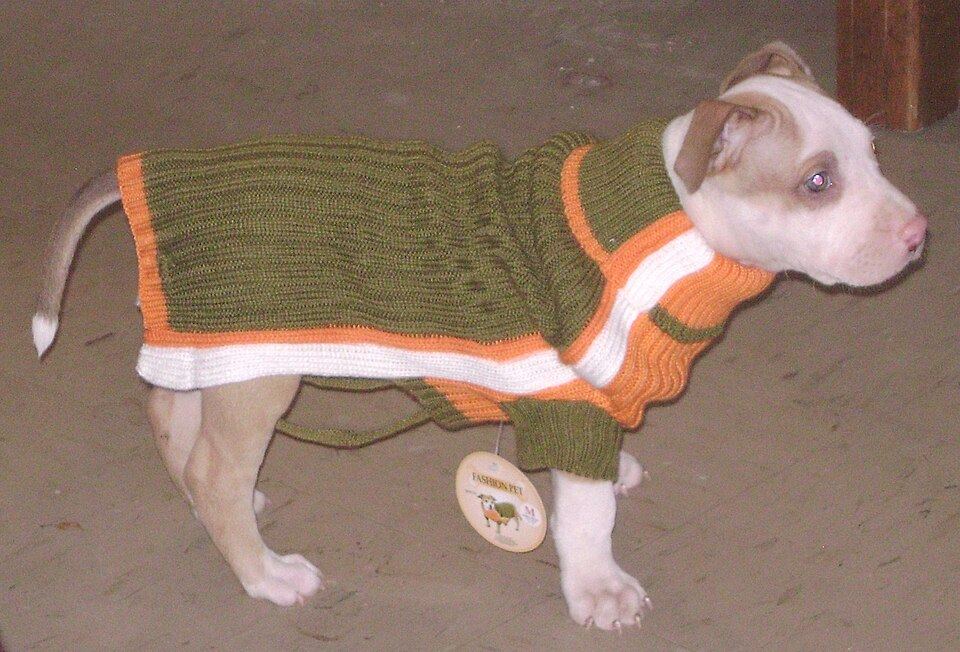
A suit is gentler, but dogs still mouth the fabric or try to step out. Practise pulling it on over a meal, starting with the back legs only, then the front, then full coverage for a minute. Reward stillness, and don't let him rehearse ripping it off, because that becomes a habit.
If he nudges the suit with his teeth, redirect to a chew toy and praise. The goal is for the suit to fade into the background while he rests, which it will once it regularly means comfort and food.
Which to choose
A suit suits calm, body-focused recovery and lets a dog eat and sleep normally. A cone is the fallback for spots a suit can't cover, like a head or ear wound. Either way, the training is what makes it work, and your vet decides what the injury needs.
| Feature | Recovery suit | Cone |
|---|---|---|
| Vision | Unaffected | Blocked sides |
| Eating & sleeping | Easy | Awkward |
| Calm to train | Usually easier | Needs more prep |
| Best for | Body wounds | Head or ear |
Making recovery calmer at home
Once the gear is accepted, set up a quiet recovery corner with the dog's own bed, water, and a familiar toy, so the cone or suit means rest rather than isolation. A predictable space lowers stress and keeps him from bouncing off furniture while he adjusts to the unfamiliar feel.
Supervise the first full day closely. Most accidents happen when an owner trusts the gear too early and the dog figures out how to wriggle free. A short, calm check every hour beats a shredded suit and a reopened wound by a long margin.
If your dog is genuinely distressed by either option, ring the vet before pushing on. Sometimes the injury needs a different solution, and a trainer can only work with what the vet approves. Calm cooperation beats a battle every time, and your vet stays the one who decides what the injury needs.
Frequently Asked Questions
Can I train the cone before surgery?
Absolutely, and you should. A few short sessions at home with the cone on for meals teaches your dog it is harmless long before he needs it. Dogs who meet the cone first while groggy from the vet take far longer to settle.
My dog keeps chewing the recovery suit?
He likely got to rehearse ripping it off, so return to short wears paired with a chew toy and praise for ignoring the fabric. If chewing is constant, check the fit and ask your vet whether a cone is safer for that spot.
Is a suit or cone better for anxiety?
Most anxious dogs cope better in a suit because it doesn't block their vision or clang the furniture. A cone can ramp up stress, so build in calm training either way and lean on the suit when the wound allows it.
How long should my dog wear it daily?
Follow your vet's instruction for the injury, but for training, start with minutes and build. The gear should be on only as long as your dog stays calm, then off, so he learns tolerance without rehearsing distress.
What if he rubs the cone on walls at night?
Give him a clear, open rest space and a mat to settle on, and keep early night wears supervised. A well-fitted cone shouldn't reach the floor, and training him to settle first reduces the wall-banging habit quickly.
Looking for pet apparel?
We stock the gear covered in this guide, with Australia-wide shipping and Afterpay at checkout.
Popular in this range: evaporative cooling vest · fleece dog jumper
Shop Apparel at Paws of Oz