Coat Training for Dogs: A Week-Long Desensitisation Plan
Short answer: train the coat like any new skill, in tiny steps, and most dogs accept it within a week if you go at their pace. As a certified trainer I see the same stumbling block every time, which is the noise and feel of the fasteners, not the coat itself. Start by pairing the sound of the zip or velcro with a treat, then build to touching the body, draping, and finally fastening, all before you ever step outside. Keep sessions short and end on a win.
Why the fasteners scare them
A coat isn't scary to a dog until it rustles, clips, or sticks. The ripping sound of velcro and the buzz of a zip are sudden and close to the ears, so a dog learns to brace. Training the noise first, separately from the garment, removes most of the drama before the coat ever touches him.
This is also why grabbing a dog and yanking a coat on fails. It confirms his suspicion that the thing is bad news, and you spend weeks undoing it.
The seven-day plan, step by step
Work one step per day, a few minutes only, and never push past a worried dog. If he walks away, you moved too fast, so drop back a step tomorrow.
- Day 1: make the velcro or zip sound, then treat, repeated apart from the coat.
- Day 2: let him sniff the coat, reward calm curiosity, no attempt to put it on.
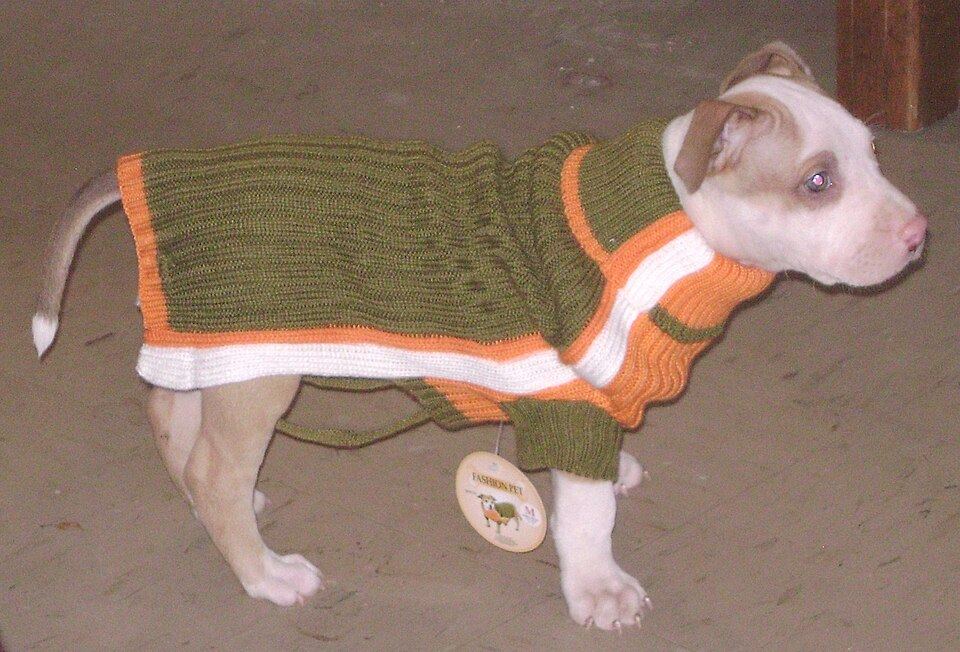
- Day 3: drape it over his back for a second, treat, remove, repeat.
- Day 4: drape and gently touch the fasteners near his side, treat.
- Day 5: do up one side loosely, treat, undo, keep it positive.
- Day 6: fasten fully indoors, treat, wear for one minute, remove.
- Day 7: short walk in the coat, treat for calm walking, keep it brief.
Reading the signs he's not ready
A dog who licks his lips, turns away, or freezes is telling you the step is too big. That is normal, not naughty. Go back to the previous step and make it easier, because a confident dog learns faster than a pushed one. My kelpie-cross Banjo needed an extra day on the zip sound, and that was fine.
Pair every step with something he loves, whether that is chicken or a favourite toy, so the coat predicts good things rather than confinement.
Troubleshooting the common stalls
If he hates the noise, muffle the velcro with your hand while you treat, then gradually reveal it. If he bolts when fastened, you skipped a step, so return to draping. Most stalls are just rushed timing, not a dog who can't learn.
| Day | Goal | Success sign |
|---|---|---|
| 1 | Noise = treat | Soft eyes, no startle |
| 3 | Drape on back | Stands still |
| 5 | One side done up | No turning away |
| 7 | Walk in coat | Relaxed stride |
When to pause the plan
If your dog shows stress at any step, that is not failure, it is feedback. Go back to the previous step and make it easier, because a confident dog learns faster than a pushed one. Banjo needed an extra day on the zip sound, and that single pause saved us a week of friction later.
Some dogs carry baggage from a bad past experience with a coat, often from being grabbed and dressed against their will. For those, slow right down and let them approach the coat for a treat, so the garment becomes their idea. Forcing the pace only confirms their worry.
Keep sessions upbeat and short, end before he tires of it, and always finish on a win, even if the win is just standing still while it drapes. That positive last memory is what he recalls next time, and it is the quiet secret to coat training that actually sticks.
Frequently Asked Questions
How long does coat training really take?
Most dogs manage a calm coat within a week of short daily sessions, but anxious or rescued dogs may need two or three. The timeline follows the dog, not the calendar, so slow down if he shows stress rather than pushing on.
My dog hates the velcro sound, what then?
Muffle the velcro in your hand while you treat, then gradually let more of the sound happen as he stays calm. You are teaching the noise predicts food, so start tiny and build, and consider a zip or snap coat if the rip truly spooks him.
Can I just hold him still and put it on?
I wouldn't. Forcing it confirms the coat is scary and can create a struggle you'll fight all winter. Gentle steps now save weeks of stress, and a willing dog puts the coat on himself for a treat.
Should puppies learn coat tolerance early?
Yes, brief positive exposure as a puppy makes winter easier later. Keep it game-like and never overwhelming, because early bad experiences stick. A few treats now pay off for years of calm walks.
What if he chews the coat once on?
Remove it calmly and return to the draping step, because he likely skipped ahead too fast. Some dogs mouth the fabric while figuring it out, so reinforce calm wearing before lengthening the time he spends in it.
Looking for pet apparel?
We stock the gear covered in this guide, with Australia-wide shipping and Afterpay at checkout.
Popular in this range: evaporative cooling vest · fleece dog jumper
Shop Apparel at Paws of Oz